Choosing the right valve fittings begins with the process, not the catalogue.
A fitting must match the fluid, pressure, temperature, pipe material, connection standard, and maintenance plan. A small mismatch can cause leakage, vibration, corrosion, or expensive downtime. That matters in a growing market. Grand View Research valued the global industrial valves market at approximately USD 77.7 billion in 2023, with continued growth expected through 2030. MarketsandMarkets also forecasts steady expansion, driven by water treatment, energy, chemicals, and manufacturing. These figures describe valves broadly, but they reveal a clear reality: specification mistakes can affect large and complex systems.
Peter Smith, author of Valve Selection Handbook, offers a useful warning: “Valve selection is a compromise between conflicting requirements.” That principle applies directly to valve fittings. Stainless steel may resist corrosion, while carbon steel may reduce initial cost. Threaded connections can simplify installation, but welded or flanged designs may provide stronger long-term performance. The best choice depends on evidence.
Check ISO, ASME, API, and local piping requirements. Confirm pressure ratings at actual operating temperatures. Inspect thread dimensions, sealing materials, and supplier traceability. Do not rely on appearance alone.
It is easy to over-specify.
It is also easy to save too much upfront.
This guide explains how to compare valve fittings systematically, identify hidden compatibility risks, and select components that remain dependable after installation. Industry reports provide useful direction, but site conditions still decide the final answer. That is where careful engineering judgment matters most.
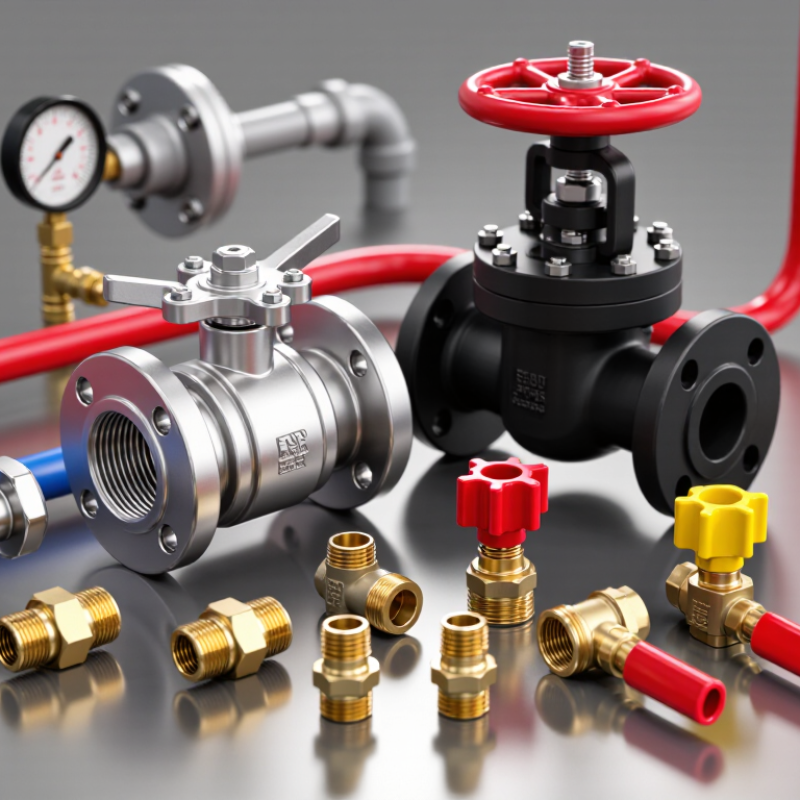
How to Choose the Right Valve Fittings for Your Project?
Project Requirements and Valve Fitting Selection Criteria
Selecting valve fittings starts with the project, not the catalogue. Define the fluid, temperature, pressure, flow rate, and installation space. Water, steam, chemicals, and compressed air demand different materials and sealing methods. Write down normal and peak conditions. A fitting that works at 10 bar may fail during a pressure surge. I once focused on pipe size and overlooked the fluid temperature. That assumption was wrong. Material compatibility should be checked against a current chemical-resistance reference.
Connection type also matters. Threaded fittings suit some compact, serviceable systems. Flanged, welded, or compression connections may provide better strength or maintenance access. Match the fitting size to the valve port and pipe schedule. Do not rely on visual similarity. Measure threads, confirm dimensions, and inspect mating surfaces. Check pressure ratings at operating temperature, not only room temperature. For corrosive service, consider body material, trim, gasket, and fastener exposure together. One weak component can control the entire assembly.
Selection should follow applicable engineering codes, site rules, and installation data. Ask a qualified engineer to review unusual loads, hazardous fluids, or high-cycle operation. Keep certificates, test records, torque values, and inspection notes with the project file. Installation quality is part of fitting performance. Over-tightening can damage threads, while poor alignment can stress the valve. Leave room for access. A practical choice may cost more initially, but downtime is harder to predict. Recheck the decision after installation, especially if vibration, leakage, or temperature changes appear.
Project requirements should be evaluated before selecting valve fittings. The chart shows a practical 100-point weighting model for comparing pressure, temperature, material compatibility, connection type, standards, and maintenance needs.
Use the highest-weighted criteria first. Pressure and temperature ratings must meet or exceed the actual operating conditions, while material compatibility, connection type, applicable standards, and maintenance access should be verified before installation.
How to Choose the Right Valve Fittings for Your Project?
Valve fitting selection begins with materials, sizes, and pressure ratings. Choose stainless steel for corrosive fluids, carbon steel for many industrial services, and brass for suitable water applications. Material compatibility matters more than appearance. Check temperature, fluid chemistry, galvanic corrosion, and seal performance together. A fitting that looks robust can still fail early.
Size should match the required flow, not merely the pipe diameter. Oversized fittings may reduce velocity, but they can increase cost and dead volume. Undersized fittings create pressure loss and unwanted noise. The U.S. Department of Energy reports that compressed-air systems commonly lose 20–30% of capacity through leaks. Poorly matched threads and seals can worsen this problem. Keep the path clean and aligned.
Pressure ratings require careful reading. ASME B16.5 pressure-temperature tables show that a Class 150 rating is not a universal 150 psi limit. Allowable pressure changes with material and operating temperature. ISO 5208 also provides leakage-testing classifications for industrial valves. Ask for test documentation, heat numbers, and dimensional records. Do not trust a stamped rating alone. Field reviews often find mismatched thread standards, especially after rushed repairs. That detail is easy to miss. My own selection process would include a pressure margin, but not an excessive one, because conservative choices can hide poor sizing.
Choosing valve fittings starts with the connection, not the valve body. Threaded, flanged, socket-welded, butt-welded, and compression connections solve different installation problems. Threaded fittings suit smaller lines and maintenance access, but exposed threads can leak under vibration. Flanges support larger pipelines and repeated removal. Welding offers strong, permanent joints, although alignment becomes critical.
Pressure, temperature, fluid chemistry, and pipe material must match across the entire connection. ASME B16.5 provides pressure-temperature ratings for several flange classes, but a rating is not a complete compatibility check. The gasket, bolts, fitting material, and valve end connection also matter. ISO 5208 defines valve pressure-testing procedures, helping engineers verify leakage performance before commissioning. Testing is not optional.
The U.S. Department of Energy reports that compressed-air leaks can waste 20–30% of compressor output. Poorly selected fittings can contribute through vibration, damaged seals, or mismatched threads. In field inspections, I have seen tapered threads forced into parallel ports. The joint seemed tight, yet it failed after thermal cycling. That shortcut was wrong. Confirm thread standards, measure pipe dimensions, and check whether the medium attacks elastomers or metals. A compatibility chart helps, but it should not replace the latest technical datasheets and a pressure test.
Choosing valve fittings begins with the actual flow, not the pipe size alone. Measure pressure drop, fluid viscosity, operating temperature, and expected cycling. A fitting that looks adequate may restrict flow at peak demand. For compressed-air lines, the U.S. Department of Energy’s Improving Compressed Air System Performance sourcebook reports that leaks can waste 20–30% of compressor output in poorly maintained systems. Threads, seals, and connection methods deserve equal attention.
Temperature changes can harden elastomers, weaken seals, or distort metal parts. Confirm the fitting’s continuous and peak temperature ratings, especially near ovens, steam lines, or outdoor equipment. Environmental exposure matters too. The NACE IMPACT study estimated global corrosion costs at about 3.4% of global gross domestic product. Moisture, salt spray, chemicals, and buried installation can quickly change the material choice. Stainless steel may help, but it is not automatically suitable for every fluid. No selection is perfect.
Tips: Record pressure and temperature at the installation point. Match materials with the fluid and surrounding atmosphere. Check leakage performance against ISO 5208 or the applicable project standard. Leave space for inspection and tool access. In field work, I have seen “compatible” fittings fail because vibration was ignored. That mistake is easy to repeat. Review support, alignment, and thermal expansion before final purchase. A small test section can reveal unexpected pressure loss, seal swelling, or difficult maintenance before the full system is installed.
How to Choose the Right Valve Fittings for Your Project?
Installation, Maintenance, and Safety Requirements
Valve fittings should match the pipe material, pressure rating, temperature range, and transported fluid. Do not guess. Check the technical data sheet and project drawings before purchasing. Threaded, welded, flanged, and compression connections require different tools and procedures. Verify thread standards carefully. A fitting can appear correct yet fail during pressure testing. Clean pipe ends, remove burrs, and keep sealing surfaces free from dust. Fit matters.
During installation, support nearby piping so the valve carries no unnecessary load. Tighten connections to the specified torque, rather than forcing them by hand or with excessive leverage. Install flow-direction arrows correctly. Provide enough clearance for inspection and future replacement. Before service, perform a controlled leak test with suitable equipment. Never stand over a pressurized connection. Use eye protection, gloves, and isolation procedures. Depressurize the line completely before loosening any fitting.
Maintenance should include visual checks for corrosion, vibration, damaged seals, and slow seepage. Leaks are warnings. Record inspection dates, test results, and replaced components. This history helps technicians identify repeated failures. In field inspections, poor alignment often causes more trouble than the fitting itself. That detail is easy to overlook. If a connection repeatedly leaks, replacing the seal alone may not solve the problem. Recheck alignment, pressure changes, installation torque, and material compatibility. Safety requirements must follow local codes and qualified engineering review.
| Fitting Type | Typical Applications | Material Selection | Installation Requirements | Maintenance Practices | Key Safety Requirements |
|---|---|---|---|---|---|
| Threaded Adapter |
|
|
|
|
|
| Compression Fitting |
|
|
|
|
|
| Flanged Connection |
|
|
|
|
|
| Grooved Coupling |
|
|
|
|
|
| Butt-Weld or Socket-Weld Fitting |
|
|
|
|
|
| Union Fitting |
|
|
|
|
|
| Hose Barb Fitting |
|
|
|
|
|
| Check-Valve Connection |
|
|
|
|
|

Cepex is the brand for the fluid handling market belonging to the Fluidra group. One of the leading european manufacturer of valves and fittings in thermoplastic materials.
Dedicated to the swimming pool, irrigation and industrial markets, we distribute our products worldwide with the Fluidra commercial network and presence in 46 countries with 136 sales branches.