Plastic fittings play a crucial role in plumbing and construction. Their versatility makes them popular in various applications. These fittings are lightweight, resistant to corrosion, and often more affordable than metal options.
Choosing the right plastic fittings can be challenging. Different types serve different functions, such as connecting pipes or creating bends. It's essential to consider factors like the material's durability and compliance with safety regulations. Many people overlook these details, leading to costly mistakes.
When selecting plastic fittings, always prioritize quality. Branded fittings often ensure better performance and longevity. However, price should not be the sole factor. Balancing cost, reliability, and the specific needs of your project is key. Recognizing the nuances in plastic fitting choices will ultimately lead to better outcomes.

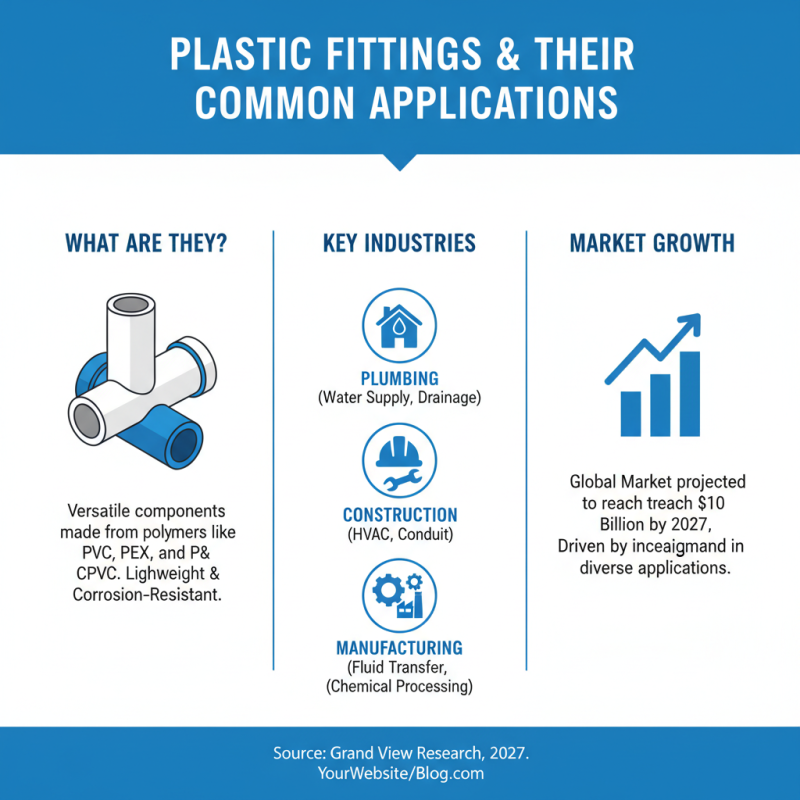
Plastic fittings are versatile components used in various industries, including plumbing, construction, and manufacturing. These fittings are favored for their lightweight nature and resistance to corrosion. According to a report by Grand View Research, the global plastic fittings market is projected to reach $10 billion by 2027. This is due to the increasing demand across various applications.
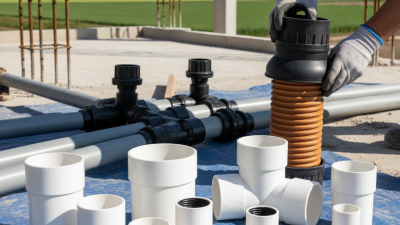
Common applications of plastic fittings include water supply systems, irrigation systems, and fluid transport processes. In plumbing, these fittings provide secure and leak-proof connections. Their resistance to chemicals and environmental factors makes them suitable for agricultural settings as well. However, the durability of plastic fittings can vary, leading to concerns about their long-term performance in certain conditions.
Choosing the right plastic fitting involves considering the application's specific needs. Factors such as temperature tolerance and pressure ratings are crucial. Many industry experts highlight that improper selection can lead to system failures. Keeping updated with industry standards and technical specifications is essential. Ultimately, informed choices ensure reliability and efficiency in plastic fitting applications.
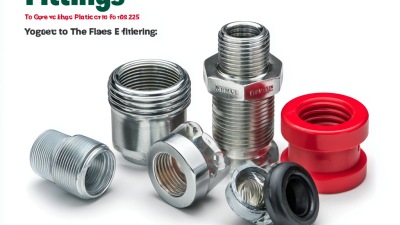
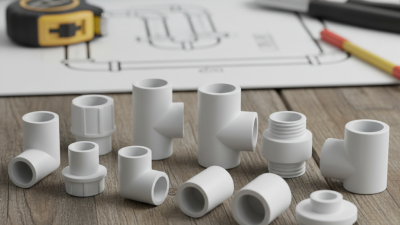
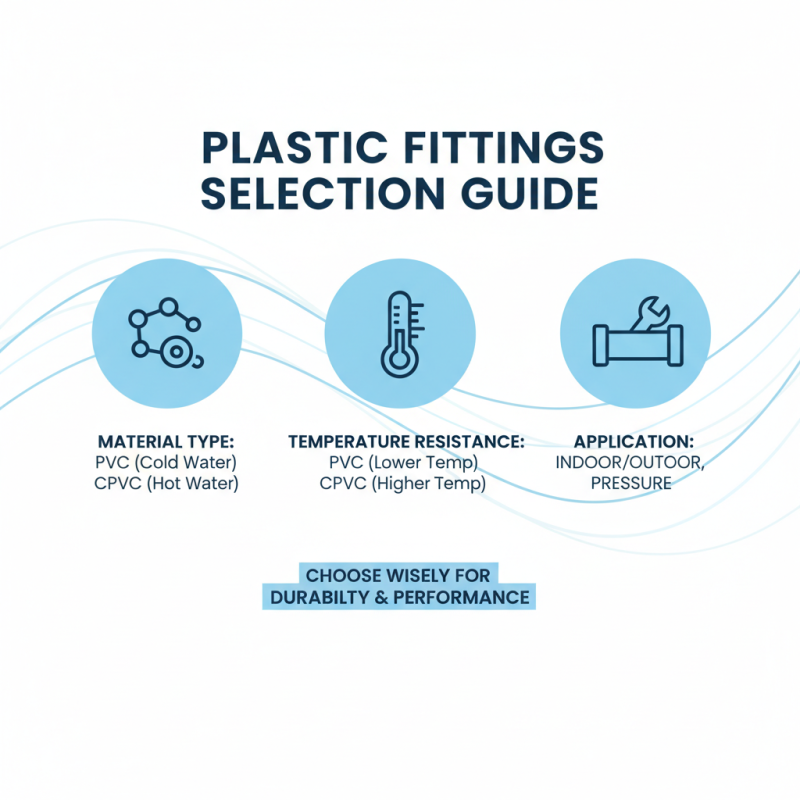
When selecting plastic fittings, it’s essential to understand the various types available in the market. Common options include PVC, CPVC, and PEX fittings. PVC is popular for its affordability and corrosion resistance. CPVC can handle higher temperatures, making it ideal for hot water supply lines. PEX fittings are flexible and easy to install, suitable for residential plumbing projects.
Many users overlook the specific application for each fitting type. PEX might be a good choice for easy installation in retrofitting projects. However, using PVC for hot water applications could lead to failure over time. Assess the project requirements clearly and consult with professionals if needed.
Tips: Always check the temperature rating of the fittings. Choosing the right fitting for its intended use is crucial. Also, remember that not all fittings are compatible with each other. For example, PEX and PVC require specific connectors. Misalignment can lead to leaks. Take the time to plan your project carefully.
When selecting plastic fittings, several key factors must be considered. The type of plastic plays a crucial role. Materials like PVC and CPVC offer different properties. PVC is lightweight but may not withstand high temperatures. CPVC, on the other hand, is more durable in hot water applications. Think carefully about where you'll use the fittings.
Compatibility with existing systems is also vital. Measure pipe diameters accurately to avoid leaks. Incompatible sizes can lead to unnecessary repairs. It's essential to ensure that the fittings can connect seamlessly with other components.
**Tip:** Conduct a pressure test after installation. This step can prevent future issues.
Consider the application environment as well. Are the fittings exposed to UV light or chemicals? If so, choose a material that can withstand such conditions. For example, some plastics degrade quickly when hit by sunlight.
**Tip:** Consult with industry experts if unsure. Their insights can guide your decision-making process effectively.
Different specifications can sometimes be confusing. Read labels carefully and look for certifications. This will help ensure you're selecting high-quality fittings. Many people overlook these details, which can lead to bigger problems down the line.
When comparing plastic fittings to other material options, various factors come into play. Plastic fittings are lightweight, corrosion-resistant, and can endure temperature fluctuations. According to a report by Smithers Pira, the plastic pipe market is expected to reach a value of $87 billion by 2023. This growth is mainly due to rising construction and infrastructure needs across several sectors.
Metal fittings, while durable, can be prone to rust and require more maintenance. In contrast, plastic options can handle chemicals better, making them ideal for certain industrial applications. A study by Freedonia Group suggested that demand for plastic fittings will increase by 4.2% annually, driven by the plumbing and HVAC sectors.
**Tip:** Always evaluate the specific application requirements when selecting material types. For underground and outdoor use, consider using UV-resistant plastic fittings.
Another important aspect is the environmental impact. While plastic fittings offer lower upfront costs, their sustainability is often questioned. It may be worthwhile to explore alternatives like biodegradable or recyclable materials.
**Tip:** Consider the lifecycle of the fittings. Sometimes, spending slightly more on a durable option can save money in the long run.
This chart compares the average cost per unit of plastic fittings against other material options such as metal, ceramic, rubber, and composite. It highlights the affordability of plastic fittings in comparison to other materials, making it a popular choice in various applications.
Plastic fittings are popular for various plumbing and installation applications. Proper installation is key to ensuring longevity and performance. When working with plastic fittings, cleanliness is crucial. Always clean the surfaces before assembly. This minimizes the risk of leaks and ensures a tight seal.
Using the right tools can make a big difference during installation. Ensure you have the correct size wrenches and cutters. Over-tightening can lead to cracks, while under-tightening may cause leaks. It’s vital to follow the manufacturer’s guidelines to avoid these pitfalls.
Maintenance is equally important. Regularly inspect your fittings for signs of wear. Small cracks or discoloration can indicate potential issues. Replacing worn-out fittings early can prevent bigger problems later. Water quality also plays a part. Hard water can cause deposits that affect fitting integrity. Understanding these factors can lead to better choices and fewer headaches.
| Fitting Type | Material | Common Applications | Advantages | Installation Tips |
|---|---|---|---|---|
| PVC Fittings | Polyvinyl Chloride | Water Supply, Drainage | Cost-effective, Durable | Use solvent cement, ensure clean cuts |
| CPVC Fittings | Chlorinated Polyvinyl Chloride | Hot Water Systems | High-temperature resistance | Follow specific glue guidelines, use primer |
| PP Fittings | Polypropylene | Chemical Transport | Good chemical resistance | Ensure tight fittings, check for leaks |
| PE Fittings | Polyethylene | Gas Distribution, Water Supply | Flexibility, Lightweight | Use fusion welding for connection |
| ABS Fittings | Acrylonitrile Butadiene Styrene | Drainage Systems | High impact resistance | Use proper connectors and adhesives |

Cepex is the brand for the fluid handling market belonging to the Fluidra group. One of the leading european manufacturer of valves and fittings in thermoplastic materials.
Dedicated to the swimming pool, irrigation and industrial markets, we distribute our products worldwide with the Fluidra commercial network and presence in 46 countries with 136 sales branches.