Choosing the best actuated valves in 2026 requires more than comparing prices or browsing catalog photographs. Global buyers need solutions that match fluid type, pressure, temperature, cycle frequency, and installation conditions. A valve working reliably in a clean-water plant may fail quickly in a chemical process or dusty outdoor facility.
This guide examines pneumatic, electric, and hydraulic actuated valves from a practical purchasing perspective. It considers torque requirements, control signals, fail-safe behavior, enclosure protection, maintenance access, and expected service life. It also highlights documentation, traceability, testing records, and regional certification requirements. These details often matter more than impressive product claims. A reliable supplier should explain material selection, actuator sizing, leakage performance, and spare-parts support clearly.
There is no universal best choice. That deserves attention. A low-cost electric actuator may appear efficient, yet poor voltage stability can create downtime. A pneumatic system may respond quickly, but its compressor and air-quality needs add operating costs. Buyers should request verified datasheets, inspection evidence, warranty terms, and realistic delivery information before placing an order. Field experience shows that installation mistakes are common, especially when torque margins are guessed rather than calculated. Even experienced teams can overlook ambient temperature or emergency shutdown requirements. Therefore, this review compares actuated valves through performance, reliability, lifecycle value, and supplier credibility. The goal is a balanced shortlist for engineers, distributors, contractors, and industrial buyers serving diverse markets in 2026.
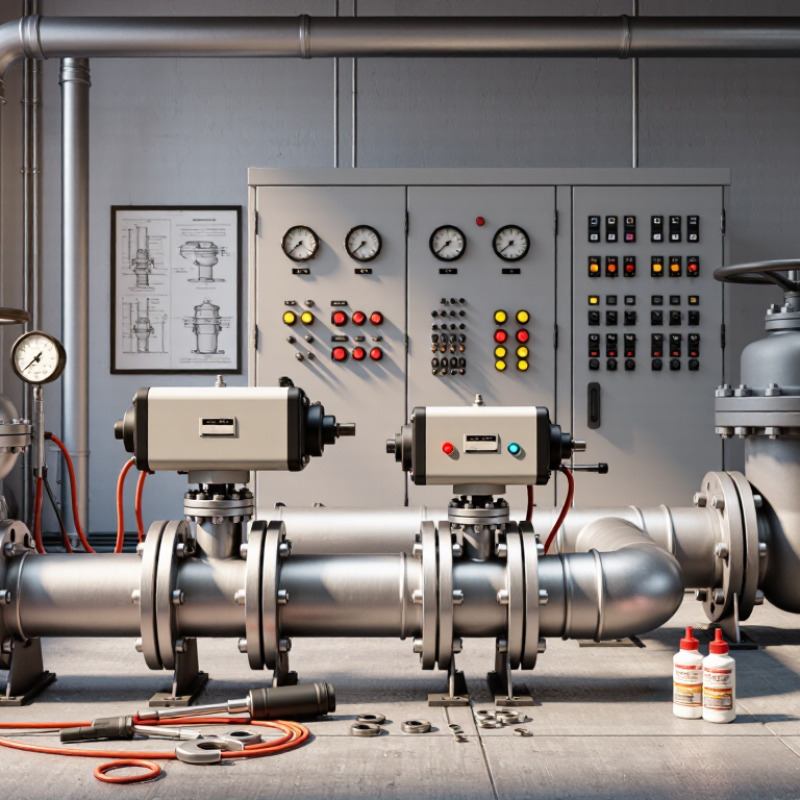
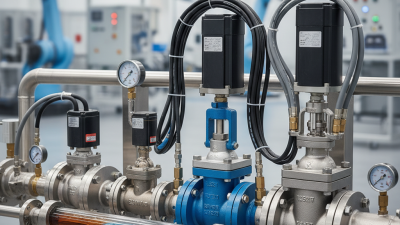
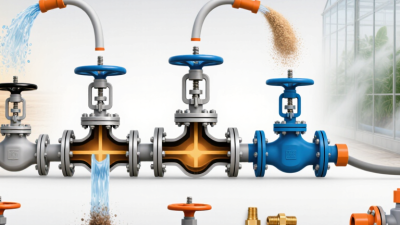
Actuated valves combine a valve body, actuator, and control signal. Common types include ball, butterfly, globe, and diaphragm valves. Quarter-turn actuators suit compact ball and butterfly designs. Linear actuators provide finer movement for globe valves. The choice depends on pressure drop, fluid behavior, temperature, and maintenance access.
Control can be simple on/off or continuous modulation. On/off service needs clear open and close feedback. Modulating service may use a 4–20 mA signal, positioner, or digital communication. Fail-open, fail-close, and fail-in-place settings affect process safety. A valve that moves quickly is not always better. Fast movement can create water hammer or unstable flow.
IEC 60534 sizing starts with flow rate, inlet pressure, outlet pressure, temperature, and fluid properties. Engineers calculate Cv or Kv, then check choked flow, cavitation, flashing, and acoustic limits. Oversizing remains a common field mistake; a valve operating near ten percent travel may hunt and wear prematurely. Grand View Research reported a global industrial valves market value of about USD 77.8 billion in 2023, with growth expected through 2030. MarketsandMarkets also identifies automation as a major demand driver. These figures vary by report scope, so buyers should inspect the methodology. Field verification still matters. A noisy test line can reveal what a spreadsheet misses.

2026 Best Actuated Valves for Global Buyers?
2026 Market Criteria: CV, Pressure Class, IP Ratings, and ISO 5211
Selecting an actuated valve in 2026 requires more than comparing purchase prices. Start with CV, the valve flow coefficient, and match it to fluid type, temperature, pressure drop, and required flow. An oversized valve may hunt near its seat. An undersized valve can restrict capacity and increase energy use. That is not enough.
Pressure class defines a pressure-temperature boundary, not a guaranteed operating pressure for every condition. Review material, media, temperature derating, shutoff requirements, and test standards together. A datasheet may look complete while omitting torque under real differential pressure. Ask for sizing calculations and verified test records. In practical reviews, this step often exposes weak assumptions.
IP ratings indicate protection against dust and water ingress, but they do not prove corrosion resistance or actuator durability. Coastal, washdown, and outdoor installations need enclosure materials, cable entries, and breather details checked separately. ISO 5211 helps confirm the actuator-to-valve mounting interface, including flange dimensions and drive geometry. Fit is not function. The interface may match while torque capacity remains inadequate. Specify breakaway torque, running torque, duty cycle, control signal, fail position, and available safety margin. Some projects still select actuators from nominal valve size alone. That shortcut deserves reconsideration. Reliable global purchasing also depends on traceable certificates, clear inspection points, spare-part data, and documentation suited to the destination market.
2026 Best Actuated Valves for Global Buyers?
Electric, pneumatic, and hydraulic actuators must be compared through torque and duty data, not catalog appearance. Measure the valve’s breakaway, running, and seating torque separately. A butterfly valve may need modest running torque but much higher breakaway torque after long storage. Add a practical safety margin, often 25% to 50%, after checking the valve maker’s data. Too little margin causes stalls. Too much can damage the stem or seat.
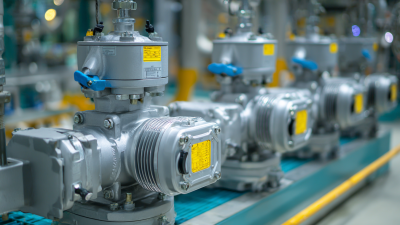
Electric actuators suit controlled positioning and sites without instrument air. Check rated torque, start-up torque, cycle time, and duty rating. A unit designed for 25% duty may overheat during frequent modulation. Pneumatic actuators deliver fast quarter-turn movement and tolerate repeated cycling well. Their real output depends on supply pressure, temperature, and air quality. Hydraulic actuators provide high torque in compact packages. They fit large valves, emergency shutdown systems, and difficult operating conditions, but hydraulic power units add maintenance needs.
Tips: Record actual pressure and cycle frequency during commissioning. Do not size from nominal valve diameter alone. Review fail-open or fail-closed requirements before selecting the actuator. In field work, I have seen torque sheets omit cold-start conditions. That detail matters. A spreadsheet can still lie when corrosion, packing friction, or pressure imbalance changes the load. Recheck torque after installation, especially if the valve operates outdoors or remains idle for months. Exact duty data is useful, but measured behavior is better.
Comparative engineering guide for quarter-turn valve actuation. Values are representative industry ranges and should be verified against the valve torque curve, operating medium, temperature, and applicable standards.
| Actuator Type | Typical Output Torque Range | Typical Operating Speed | Duty / Operating Profile | Common Power or Supply | Typical Protection / Environment | Fail-Safe Options | Best-Fit Valve Applications | Key Buying Considerations |
|---|---|---|---|---|---|---|---|---|
| Electric Quarter-Turn |
Approximately 5–4,000 N·m for compact and standard industrial units. Larger electric packages can exceed this range with suitable gear reduction. | Commonly 10–120 seconds per 90°, depending on motor speed, gearing, and load. |
Intermittent duty Common motor duty classes include S2 short-time and S4 intermittent periodic duty. Typical standard units may be rated around 15–30% duty cycle, while continuous-modulating versions are available. |
24 VDC, 110/120 VAC, 220/230 VAC, or 380/400/415 VAC systems are widely used. Typical control signals include on/off, 4–20 mA, and fieldbus communication. | Many industrial enclosures are available with IP65–IP68 protection. Outdoor and hazardous-area versions require the correct enclosure, temperature rating, and certification. | Spring-return or battery-backed configurations are available, but fail-safe operation generally increases size, cost, and power requirements. | Butterfly, ball, plug, and small-to-medium damper valves where electrical power and accurate positioning are available. | Check starting torque, running torque, locked-rotor protection, cycle time, ambient temperature, manual override, position feedback, and local isolation requirements. |
| Pneumatic Quarter-Turn |
Approximately 10–100,000 N·m, depending on actuator size, design, supply pressure, and safety factor. | Commonly 0.5–10 seconds per 90°. Speed is adjusted with a flow-control valve and depends on valve load and air volume. |
High-cycle duty Well suited to frequent on/off cycling. Continuous modulation is possible with a positioner, although air consumption and control stability must be considered. |
Normally clean, dry compressed air at approximately 4–8 bar(g). Many actuators are designed around nominal supply pressures near 5.5–6 bar(g). | Commonly available with IP65–IP68 protection when properly assembled. Stainless-steel and corrosion-resistant versions are used for washdown, marine, and process environments. | Single-acting spring-return units provide spring-to-close or spring-to-open action. Double-acting units require an external air reservoir or other backup system for automatic fail action. | Ball, butterfly, plug, and process isolation valves in water treatment, chemical processing, food production, utilities, and general industrial service. | Confirm available air capacity, minimum and maximum pressure, spring-end torque, breakaway torque, solenoid valve compatibility, air quality, noise, and fail position. |
| Hydraulic Quarter-Turn |
Approximately 500–1,000,000+ N·m, depending on hydraulic pressure, piston area, lever geometry, and actuator construction. | Commonly 1–30 seconds per 90°. Speed depends on pump flow, hydraulic circuit design, load, and control valves. |
High torque / heavy-duty Suitable for high-load cycling and emergency shutoff applications. Continuous modulation requires a properly sized proportional or servo-hydraulic control system. |
Hydraulic systems commonly operate at approximately 70–350 bar(g); actual pressure must match the actuator and system design. | Suitable for severe industrial, marine, subsea, and remote applications when seals, coatings, hoses, and fittings are selected for the environment. | Spring-return, accumulator-return, hydraulic power-unit backup, and hydraulic lock-up arrangements are available for emergency shutdown or emergency opening. | Large ball, butterfly, plug, gate, and high-performance process valves where very high torque, compact power density, or emergency operation is required. | Evaluate hydraulic power-unit capacity, pressure drop, oil cleanliness, leakage control, accumulator sizing, hose routing, fire resistance, and maintenance access. |
| Electric-Hydraulic Integrated Unit |
Approximately 100–100,000 N·m in commonly deployed compact packages; higher outputs are possible with engineered systems. | Commonly 5–60 seconds per 90°, based on motor power, hydraulic pump flow, and load. |
Intermittent / emergency duty Useful where normal operation is electric but high torque or stored-energy emergency action is required. |
Frequently supplied by 24 VDC, 110/120 VAC, or 220/230 VAC electrical systems with an integrated hydraulic circuit and accumulator. | Enclosures commonly range from IP65 to IP68. Environmental suitability depends on the motor, hydraulic seals, coating, cable glands, and control cabinet. | Accumulator-based fail-close, fail-open, or last-position systems can be configured. The required safe stroke time determines accumulator volume. | Oil and gas, power generation, marine systems, remote pipelines, and critical isolation service where independent emergency actuation is required. | Check stored-energy capacity, emergency stroke time, battery or power-loss behavior, hydraulic leakage protection, certification, and partial-stroke testing capability. |
| Electric Modulating Actuator |
Approximately 10–4,000 N·m for common rotary control applications, with higher ratings available in engineered gear-driven systems. | Typical full travel time is 20–180 seconds per 90°; modulating speed may be adjustable. |
Modulating duty Designed for repeated positioning. Modulating versions may support 4–20 mA control, position feedback, and duty ratings such as S4 or S5, subject to the manufacturer’s thermal limits. |
24 VDC, 110/120 VAC, or 220/230 VAC are common. Control may use 4–20 mA, 0–10 V, discrete signals, or digital networks. | IP65–IP68 options are widely available. For hazardous locations, select equipment with the required protection method and certification for the zone or division. | Fail-safe behavior may require a spring-return module, UPS, supercapacitor, or battery system. Standard electric units typically remain in position after power loss. | Control butterfly valves, characterized ball valves, dampers, mixing valves, and process-control valves requiring repeatable positioning. | Verify control resolution, deadband, hysteresis, response time, thermal endurance, feedback accuracy, signal compatibility, and actuator-to-valve sizing. |
Engineering note: Torque values are indicative selection ranges, not guaranteed ratings for every model. Final sizing should use the valve manufacturer’s breakaway, running, seating, and maximum shaft torque data, plus an appropriate safety factor. For pneumatic and hydraulic actuators, output torque changes with supply pressure; for electric actuators, allowable duty depends on load, ambient temperature, travel time, and starts per hour.
Valve selection should begin with process risk, not catalog size. MarketsandMarkets estimates the industrial valves market will grow from about USD 79 billion in 2024 to more than USD 100 billion by 2029. That expansion increases choice, but also increases specification mistakes.
For pipeline and terminal duty, API 6D supports requirements for pipeline valves, testing, and functional reliability. Electric or pneumatic actuators must match breakaway torque, differential pressure, cycling frequency, and emergency shutdown needs.
A small torque error can leave a large valve immobile.
ASME B16.34 is more relevant when pressure-temperature ratings, wall thickness, and materials control the design. It helps buyers compare valves across refineries, chemical plants, and power facilities.
The standard does not automatically confirm suitability for every fluid. Review temperature changes, thermal cycling, and fugitive-emission requirements.
In sour oil and gas service, NACE MR0175 guides material selection for hydrogen sulfide environments. Hardness limits and corrosion-resistant alloys matter. So does traceable documentation.
The IEA’s World Energy Investment 2024 report projected global energy investment above USD 3 trillion, with roughly USD 2 trillion directed to clean energy. New infrastructure still needs dependable isolation and control.
Yet, the “best” actuator is rarely universal. Fail-open may protect one process and endanger another.
Buyers should request:
Standards reduce uncertainty, but they do not replace engineering judgment.
That gap deserves more attention.
Choosing the best actuated valve in 2026 requires more than comparing price and torque. Global buyers should verify the NAMUR interface, because standardized mounting simplifies solenoid installation and future maintenance.
Confirm the actuator torque matches the valve’s breakaway torque, not only its running torque. Small errors matter.
For SIL 2 or SIL 3 applications, request valid functional-safety documentation, failure-rate data, and proof-test guidance.
SIL applies to the complete safety function, not automatically to one valve. Review the safety manual carefully.
Materials also need practical evaluation. Stainless steel may suit corrosive environments, while coated carbon steel can reduce cost in controlled conditions.
Check temperature limits, seal compatibility, pressure ratings, and media resistance.
Compliance documents should include material certificates, inspection records, testing reports, and region-specific declarations. Requirements can differ between countries and industries.
Tips: Build a traceable checklist before requesting quotations. Record the medium, pressure, temperature, cycle frequency, installation position, and required response time.
Ask suppliers how they validate torque, leakage, and fail-safe behavior. Do not accept “SIL ready” as sufficient evidence. A certificate without scope may create confusion.
I would also inspect spare-part availability and service training, because a technically suitable valve can still become difficult to maintain.
No checklist is perfect. Recheck assumptions with the site engineer and the safety assessor before purchase.

Cepex is the brand for the fluid handling market belonging to the Fluidra group. One of the leading european manufacturer of valves and fittings in thermoplastic materials.
Dedicated to the swimming pool, irrigation and industrial markets, we distribute our products worldwide with the Fluidra commercial network and presence in 46 countries with 136 sales branches.