
What is a Wood Board Baler and How Does it Work?
FLUID HANDLING EXPERTS

Blog, all our news

What is a Wood Board Baler and How Does it Work?

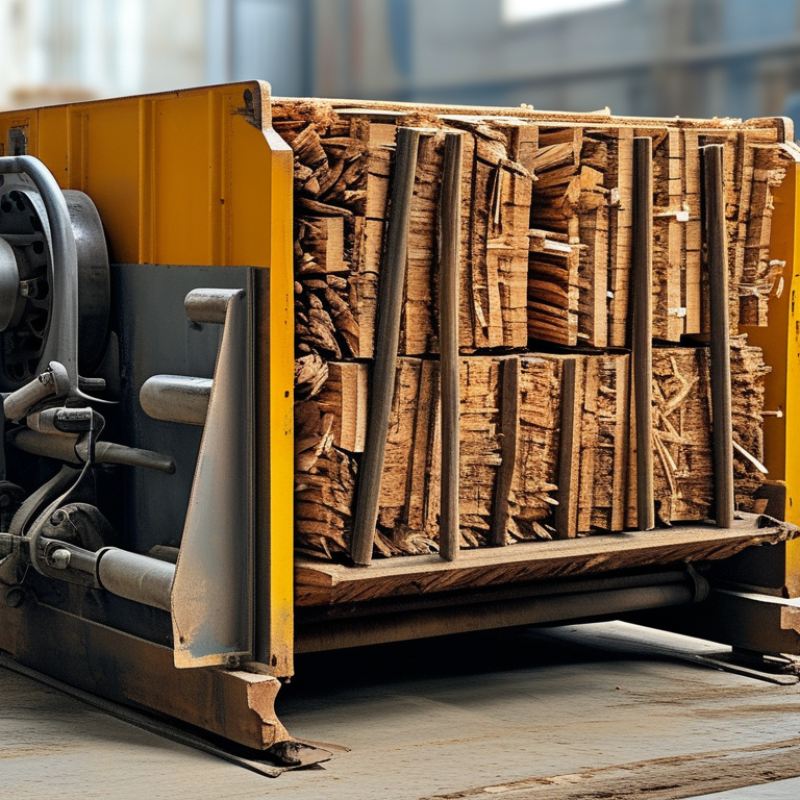
A Wood Board Baler is a specialized machine designed for compressing wood waste into manageable bales. Managing wood waste is crucial for many industries, including construction and manufacturing. However, the volume of wood waste can often overwhelm traditional disposal methods. This is where a Wood Board Baler becomes essential.

Operating a Wood Board Baler involves a simple yet effective mechanism. The machine collects wood scraps and compresses them into tight bales. These bales can be easier to handle and transport, reducing disposal costs. The baler’s efficiency can significantly cut down on landfill use. Still, many users overlook maintenance, leading to issues in performance.

Understanding the importance and functionality of a Wood Board Baler empowers businesses. A well-maintained baler can save time and resources. Neglecting its upkeep, however, can result in costly repairs. Emphasizing both the benefits and challenges provides a balanced view of this valuable equipment.
What is a Wood Board Baler and How Does it Work?

What is a Wood Board Baler and its Purpose in the Industry

A wood board baler is an essential machine in the recycling and waste management sectors. Its primary purpose is to compress wood waste, such as scraps and old pallets, into manageable bales. These bales simplify storage and transport, facilitating recycling processes.

In the industry, wood board balers play a crucial role in minimizing waste. By converting loose wood debris into compact bales, they help businesses save space and reduce disposal costs. This process also increases the value of the wood by making it easier to ship and recycle. The compressed bales can be processed into new products or used as raw materials.

Tip: Regular maintenance of your baler ensures efficient operation. Check the hydraulic systems and blades frequently for wear and tear.

Companies should consider the environmental impact of wood waste. Not all wood waste is suitable for recycling. Educating employees on what materials can be processed effectively can improve overall efficiency.

Tip: Implementing a training program can enhance knowledge about waste sorting. This promotes better practices in handling wood waste within the facility.

Wood Board Baler Usage in the Industry

This chart illustrates the distribution of how wood board balers are utilized across different sectors of the industry. The highest usage is seen in recycling, followed by manufacturing and construction. This highlights the importance of wood board balers in promoting sustainability and efficient waste management practices.

Components of a Wood Board Baler and Their Functions

A wood board baler is essential for efficient waste management in the wood processing industry. It compresses wood scrap into compact bales, which optimizes storage and transport. Understanding the components of a wood board baler reveals how it maximizes efficiency and productivity.

The feeding system is crucial. It receives loose wood material and directs it into the baling chamber. A hydraulic system applies immense pressure to compress the wood into bales. Most systems operate with pressures exceeding 200 tons, according to industry standards, which enhances the density of the bales. The streamlining of this process can reduce operational costs by up to 30% through improved material handling.

Another important component is the tying mechanism. This ensures bales remain intact during transport. Some models use steel wire, while others employ biodegradable twine, catering to sustainability trends in the industry. Reports indicate that using biodegradable materials can reduce waste disposal costs by 20% in some regions. However, choosing the right tying method requires balancing efficiency and environmental impact. Often, companies may overlook this aspect, leading to higher long-term costs.

How Wood Board Balers Operate: A Step-by-Step Process

Wood board balers play a crucial role in waste management. These machines compress wood scraps into manageable bales. This process helps in recycling and reduces landfill waste.

To understand how wood board balers work, it's essential to explore their operation. Once wood scraps enter the machine, they are fed into a chamber. Here, hydraulic pressure compresses the material. The bales are then tied with wire, creating compact bundles for easy transport. Operators need to monitor the machine closely. Any blockages can disrupt the flow and hinder efficiency.

Maintenance is vital for optimal performance. Regular checks ensure components function smoothly. However, breakdowns can occur despite proper care. Learning from these challenges can lead to better practices. Balers require skilled operators for effective management. Their expertise in handling various materials can significantly influence the outcome. This highlights the necessity of training and ongoing education in this field.

What is a Wood Board Baler and How Does it Work?

Dimension Description
Machine Type Hydraulic Baler
Material Processed Wooden Boards
Bale Size Customizable (e.g., 1000mm x 800mm x 600mm)
Production Rate Up to 10 tons per hour
Operation Mode Automatic
Power Supply Electric
Weight Approximately 5 tons
Safety Features Emergency stop button, safety guards

Key Benefits of Using Wood Board Balers in Recycling

Wood board balers are crucial in recycling operations. These machines compact wood waste into manageable bales. This process reduces storage space and simplifies transport. Less space is vital for facilities with limited room. Compact bales are also easier to handle, which increases efficiency.

One key benefit is improved sustainability. Recycling reduces the demand for new materials. Wood board balers help turn waste into reusable resources. When operations recycle effectively, they minimize environmental impact. However, without proper management, these benefits can be lost. It's essential to maintain the machinery and ensure it runs smoothly.

Another advantage is cost savings. By processing wood waste efficiently, businesses can lower disposal costs. Recycling can lead to new revenue streams as well. The value of reused wood increases with proper baling. Yet, inconsistencies in quality can undermine these gains. Maintaining a steady supply of quality material is necessary for optimal results.

Industry Statistics on Wood Waste Reduction Through Baling Techniques

Wood waste is a growing concern in many industries. Effective management of this waste can lead to significant reductions in environmental impact. Baling techniques have emerged as a practical solution. These techniques help to compress and bundle wood waste, making it easier to transport and recycle. According to recent statistics, industries that employ baling can reduce wood waste by up to 50%. This reduction not only conserves natural resources but also lowers disposal costs.

Tips: Consider investing in a quality wood board baler. It can streamline your waste management process. Regular maintenance is crucial to ensure optimal performance. Baling can create reusable raw materials for various industries, promoting sustainability. It’s an investment in both efficiency and the environment.

Despite the advantages, not all operations might benefit equally from baling. Small businesses may find the initial costs challenging. Assess your specific needs thoroughly before implementing baling solutions. It’s essential to monitor the process continuously to avoid operational bottlenecks. Engaging employees in waste reduction strategies can enhance efficiency. Embracing a culture of sustainability can yield both financial and environmental dividends.

Copyright 2025 Fluidra S.A. | Created by BCM Marketing Agencia Privacy Policy Legal note | Cookie policy |

Technical cookies are strictly necessary for our website to work and you can navigate through it. These types of cookies are those that, for example, allow us to identify you, give you access to certain restricted parts of the page if necessary, or remember different options or services already selected by you, such as your privacy preferences. Therefore, they are activated by default, your authorization not being necessary in this regard. Through the configuration of your browser, you can block or alert the presence of this type of cookies, although such blocking will affect the proper functioning of the different functionalities of our website.


The analysis cookies allow us to study the navigation of the users of our website in general (for example, which sections of the page are the most visited, which services are used most and if they work correctly, etc.). From the statistical information on navigation on our website, we can improve both the operation of the page itself and the different services it offers. Therefore, these cookies do not have an advertising purpose, but only serve to make our website work better, adapting to our users in general. By activating them you will contribute to this continuous improvement. You can enable or disable these cookies by checking the corresponding box, being disabled by default.


Functionality cookies allow us to remember your preferences, to personalize certain characteristics and general options of our website, every time you access it (for example, the language in which the information is presented to you, the sections marked as favorites, your browser type, etc.) Therefore, this type of cookies does not have an advertising purpose, but by activating them you will improve the functionality of the website (for example, adapting to your type of browser) and the customization of it based on your preferences (for example, by presenting the information in the language that you have chosen in previous occasions), which will contribute to the ease, usability and comfort of our page during your navigation. You can enable or disable these cookies by checking the corresponding box, being disabled by default.


Advertising cookies allow us to manage the advertising spaces included in our website based on criteria such as the content shown or the frequency in which the ads are displayed. For example, if you have been shown the same ad several times on our website, and you have not shown a personal interest by clicking on it, it will not appear again. In summary, by activating this type of cookies, the advertising shown on our website will be more useful and diverse, and less repetitive. You can enable or disable these cookies by checking the corresponding box, being disabled by default.


Behavioral advertising cookies allow us to obtain information based on the observation of your browsing habits and behaviors on the web, in order to show you advertising content that best suits your personal tastes and interests. To understand it in a very simple way, we will give you a fictitious example: if your last searches on the web were related to suspense literature, we would show you advertising about suspense books. Therefore, activating this type of cookies, the advertising that we show you on our website will not be generic, but will be oriented to your searches, tastes and interests, therefore adjusting exclusively to you. You can enable or disable these cookies by checking the corresponding box, being disabled by default.
To understand it in a very simple way, we will give you a fictitious example: if your last searches on the web were related to suspense literature, we would show you advertising about suspense books. Therefore, activating this type of cookies, the advertising that we show you on our website will not be generic, but will be oriented to your searches, tastes and interests, therefore adjusting exclusively to you. You can enable or disable these cookies by checking the corresponding box, being disabled by default.

SAVE

We use our own and third-party cookies to ensure the proper functioning of the website and to analyse our services, improve your experience on our website and show you advertisements related to your interests according to profiling based on your browsing habits (e.g. websites visited). You can accept all cookies by clicking "ACCEPT" or set or reject them by clicking here. If you would like to know more about the use of cookies, please see our COOKIE POLICY.


ACCEPT ALL
Reject no essentials


