Why Are Hydraulic Valves Important?
FLUID HANDLING EXPERTS

Blog, all our news

Why Are Hydraulic Valves Important?

Hydraulic valves are easy to overlook until a machine hesitates, a cylinder drifts, or a hose begins to vibrate. These components direct fluid, regulate pressure, and control flow, shaping how reliably hydraulic equipment moves. Their importance is practical. A valve that responds smoothly can help a press hold force, an excavator position its boom, or a production line repeat a precise motion.

The U.S. Department of Energy’s Improving Pumping System Performance sourcebook reports that pumping systems use nearly 20% of the world’s electrical energy, and 25–50% of energy in some industrial operations. Those figures concern pumping systems broadly, not hydraulic valves alone. Still, they show why controlling fluid flow deserves attention. ISO 4413:2010 sets general rules and safety requirements for hydraulic fluid power systems, underscoring that component selection and system design belong together. A valve cannot compensate for poor sizing, contaminated oil, or neglected maintenance. It is not magic.

For engineers and maintenance teams, the details matter: spool clearance, pressure rating, response time, and compatibility with the working fluid. Small differences can affect heat, energy use, and machine behavior. A useful expert quotation should be tied to a verifiable source; none was included with the supplied material, so attributing a statement to a named specialist would risk inventing evidence. That gap is worth correcting before publication. Understanding why hydraulic valves matter begins with their role in the complete system—and with evidence that readers can check.
Why Are Hydraulic Valves Important?

What Hydraulic Valves Are and How They Work

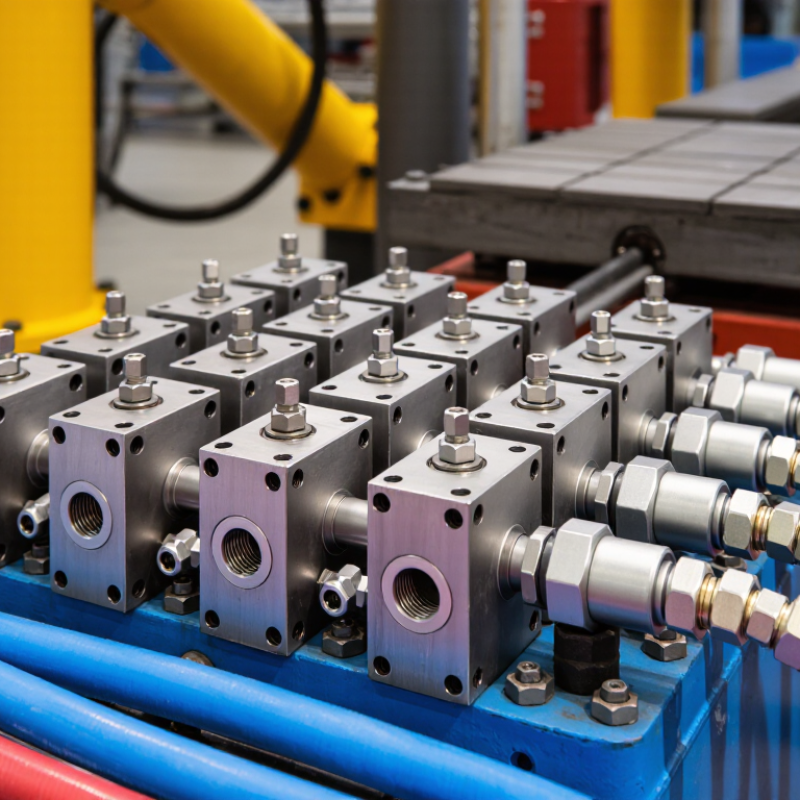
Hydraulic valves are control points in a fluid-power system. They direct pressurized oil, regulate its flow, or limit its pressure. A pump moves the oil; the valve determines where it goes and how an actuator responds. That actuator may extend a cylinder, rotate a motor, or hold a load. Small parts matter.

Inside a directional valve, a sliding spool aligns internal passages as it shifts. A pressure-control valve opens when pressure reaches its set point, while a flow-control valve can slow a cylinder’s movement. These functions interact: restricting flow creates a pressure drop, which can become unwanted heat. The ISO 4406:2021 cleanliness code classifies hydraulic fluid using particle counts in three size bands: ≥4, ≥6, and ≥14 micrometres. That technical reference underscores why contamination control matters; tiny particles can damage close-fitting valve surfaces. Real systems are less tidy than diagrams, and diagnosis may require checking fluid, load, and operating temperature together.

Tips: Match the valve’s pressure and flow ratings to the circuit. Check for leaks, unusual heat, or slow actuator movement, and use the equipment manual when adjusting settings.
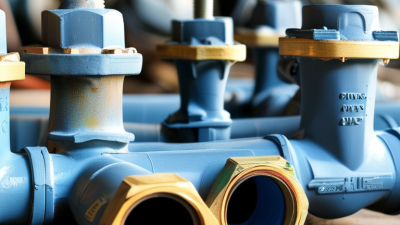
How Valves Control Hydraulic Flow, Pressure, and Direction

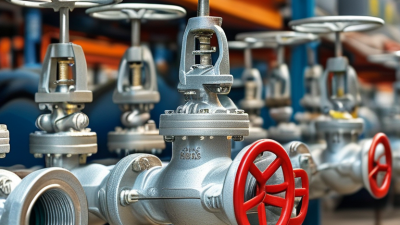
Hydraulic valves determine how pressurized oil moves through a machine. A directional valve routes flow to one side of a cylinder, then changes the path to retract the rod. The operator may feel a smooth motion—or a sudden jerk if the valve shifts too quickly. Small spool clearances matter.

Flow control valves meter oil volume, affecting actuator speed. A relief valve limits peak pressure by opening a return path when pressure exceeds its setting. This protects components, but it cannot correct every fault. A worn pump or blocked line may still cause heat and unstable motion. Check pressure at the correct test port under a known load, rather than guessing from sound.

A practical inspection considers the whole circuit, not only the valve body. A drifting cylinder may indicate leakage elsewhere, so replacing a valve without testing can waste time. Clean oil matters. Tiny particles can make a spool stick, though perfect cleanliness is difficult to maintain in working equipment. Valve performance also depends on correct sizing, adjustment, and the condition of connected components.

Why Precise Valve Control Matters to System Performance

Why Are Hydraulic Valves Important?

Why Precise Valve Control Matters to System Performance

Precise valve control determines how smoothly hydraulic power reaches each actuator. A small spool movement can change cylinder speed, lifting force, or direction. Small changes matter. When a valve responds late, a load may overshoot its position or move unevenly. That affects cycle time and can make machine operation feel unpredictable.

Accurate control also helps manage pressure and flow. Poor adjustment may create pressure spikes, excess heat, or unnecessary energy use. Over time, heat can accelerate fluid degradation and wear seals. A common field mistake is blaming the pump before checking valve settings, contamination, and fluid condition. Yet a correctly sized valve can still perform poorly if its control signal is unstable. Real systems are not always tidy; hose length and changing loads can complicate tuning.

Tips: Check pressure and flow under realistic operating loads, not only at idle. Keep fluid clean, inspect for sticking or leakage, and compare actuator movement with the machine’s normal response. If adjustments cause new instability, pause and reassess.

How Valves Protect Equipment and Improve Safety

Why Are Hydraulic Valves Important?

How Valves Protect Equipment and Improve Safety

Hydraulic valves control pressure, flow, and direction—the forces moving a cylinder or turning a motor. A pressure-relief valve can divert excess flow before pressure damages a hose, pump, or actuator. A check valve can help hold a raised load when flow stops. But it is not a substitute for a mechanical support during maintenance. Pressure can remain trapped.

The safety stakes are real. The U.S. Bureau of Labor Statistics reported about 2.6 million nonfatal workplace injuries and illnesses in private industry in its 2023 Survey of Occupational Injuries and Illnesses. That figure covers many hazards, not hydraulic systems alone, but it shows why equipment safeguards deserve attention. A directional valve that moves a cylinder unexpectedly can put hands near pinch points. Small parts matter. So do clear labels and controlled shutdown procedures.

In practice, inspect valve connections for leaks, check response during operation, and follow the system maker’s pressure limits. A fine oil mist can be hard to spot under bright lights. Never search for a suspected leak with bare fingers; high-pressure fluid can penetrate skin. Even a well-chosen valve can stick if contamination builds up. It is easy to focus on the valve and overlook the fluid condition—maintenance plans should cover both.

Where Hydraulic Valves Are Used Across Industries

Hydraulic valves work across agriculture, construction, manufacturing, mining, and marine operations. They direct pressurized oil to move, hold, or slow equipment. On a tractor, a valve may raise a rear implement; on a combine, it can adjust the cutting header. The USDA’s 2022 Census of Agriculture counted about 1.9 million U.S. farms operating 880.1 million acres. That figure measures farmland, not hydraulic equipment, but it shows the scale of a sector where reliable machine control matters.

Small part. Big consequence.

Factories use hydraulic valves in presses, injection-molding machines, and clamping systems, where controlled force helps shape or secure materials. The International Federation of Robotics’ World Robotics 2024 report recorded 541,302 industrial robot installations worldwide in 2023. Robots are often electric, not hydraulic; factory equipment around them may still rely on hydraulic circuits.

In construction and mining, valves control excavator booms, bucket movement, and lifting systems. Marine steering and deck machinery use them too. One joystick movement can trigger several coordinated motions.

It is not magic. Correct valve sizing, clean oil, and regular inspection all matter; overlook contamination, and small passages can stick or respond poorly.

Copyright 2025 Fluidra S.A. | Created by BCM Marketing Agencia Privacy Policy Legal note | Cookie policy |

Technical cookies are strictly necessary for our website to work and you can navigate through it. These types of cookies are those that, for example, allow us to identify you, give you access to certain restricted parts of the page if necessary, or remember different options or services already selected by you, such as your privacy preferences. Therefore, they are activated by default, your authorization not being necessary in this regard. Through the configuration of your browser, you can block or alert the presence of this type of cookies, although such blocking will affect the proper functioning of the different functionalities of our website.


The analysis cookies allow us to study the navigation of the users of our website in general (for example, which sections of the page are the most visited, which services are used most and if they work correctly, etc.). From the statistical information on navigation on our website, we can improve both the operation of the page itself and the different services it offers. Therefore, these cookies do not have an advertising purpose, but only serve to make our website work better, adapting to our users in general. By activating them you will contribute to this continuous improvement. You can enable or disable these cookies by checking the corresponding box, being disabled by default.


Functionality cookies allow us to remember your preferences, to personalize certain characteristics and general options of our website, every time you access it (for example, the language in which the information is presented to you, the sections marked as favorites, your browser type, etc.) Therefore, this type of cookies does not have an advertising purpose, but by activating them you will improve the functionality of the website (for example, adapting to your type of browser) and the customization of it based on your preferences (for example, by presenting the information in the language that you have chosen in previous occasions), which will contribute to the ease, usability and comfort of our page during your navigation. You can enable or disable these cookies by checking the corresponding box, being disabled by default.


Advertising cookies allow us to manage the advertising spaces included in our website based on criteria such as the content shown or the frequency in which the ads are displayed. For example, if you have been shown the same ad several times on our website, and you have not shown a personal interest by clicking on it, it will not appear again. In summary, by activating this type of cookies, the advertising shown on our website will be more useful and diverse, and less repetitive. You can enable or disable these cookies by checking the corresponding box, being disabled by default.


Behavioral advertising cookies allow us to obtain information based on the observation of your browsing habits and behaviors on the web, in order to show you advertising content that best suits your personal tastes and interests. To understand it in a very simple way, we will give you a fictitious example: if your last searches on the web were related to suspense literature, we would show you advertising about suspense books. Therefore, activating this type of cookies, the advertising that we show you on our website will not be generic, but will be oriented to your searches, tastes and interests, therefore adjusting exclusively to you. You can enable or disable these cookies by checking the corresponding box, being disabled by default.
To understand it in a very simple way, we will give you a fictitious example: if your last searches on the web were related to suspense literature, we would show you advertising about suspense books. Therefore, activating this type of cookies, the advertising that we show you on our website will not be generic, but will be oriented to your searches, tastes and interests, therefore adjusting exclusively to you. You can enable or disable these cookies by checking the corresponding box, being disabled by default.

SAVE

We use our own and third-party cookies to ensure the proper functioning of the website and to analyse our services, improve your experience on our website and show you advertisements related to your interests according to profiling based on your browsing habits (e.g. websites visited). You can accept all cookies by clicking "ACCEPT" or set or reject them by clicking here. If you would like to know more about the use of cookies, please see our COOKIE POLICY.


ACCEPT ALL
Reject no essentials