
Why Choose a Sewer Grate for Global Projects?
FLUID HANDLING EXPERTS

Blog, all our news

Why Choose a Sewer Grate for Global Projects?

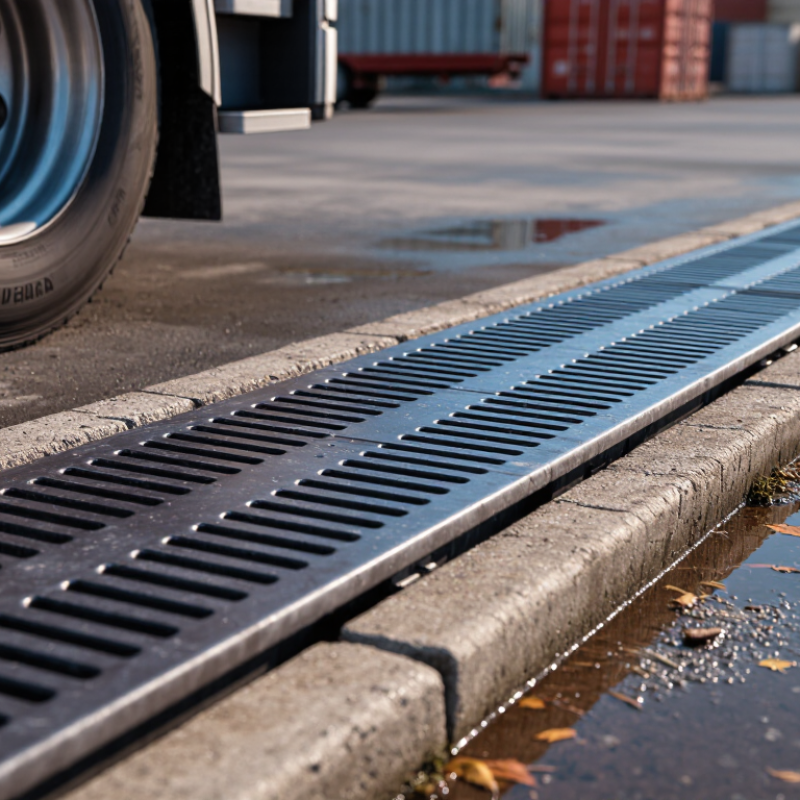
When infrastructure crosses borders, small components can determine long-term performance. A Sewer Grate protects drainage openings while supporting safer streets, yards, tunnels, and industrial sites. It helps control surface water, debris, and pedestrian access around critical drainage points. In a busy loading area, a properly fitted grate can withstand repeated wheel loads and harsh weather. That practical detail matters more than attractive catalog images.

Global projects require careful attention to local drainage rules, load classifications, accessibility needs, and installation methods. Engineers may review standards such as EN 124, but certification alone does not guarantee suitability everywhere. Road traffic, rainfall intensity, soil movement, and maintenance equipment can change the correct specification. A coastal project may need ductile iron or treated steel to resist corrosion. A pedestrian plaza may need narrow openings and a stable, slip-resistant surface. Details matter.

Sourcing also affects project reliability. Experienced manufacturers should provide material data, dimensional drawings, load-test evidence, and clear quality-control records. Site teams need consistent dimensions, secure seating, and replacement access. Otherwise, even a strong product can become a weak point. Not every project needs the heaviest grate. That assumption can increase costs without improving safety. A better decision balances performance, service life, local compliance, and realistic maintenance capacity. Some design choices remain uncertain until the site is inspected properly. That is not failure; it is responsible engineering.
Why Choose a Sewer Grate for Global Projects?

What Is a Sewer Grate and How Does It Function?

A sewer grate is a metal cover fitted over a drainage opening. It sits at street level, allowing rainwater to enter underground pipes. Its bars catch leaves, stones, and other debris before they reach the drainage system. During heavy rain, the openings must carry water quickly without creating dangerous surface flooding. The grate also supports pedestrians, bicycles, and vehicles passing above it. Load capacity matters. A residential lane needs different strength from a freight yard.

Its function depends on more than visible holes. Engineers examine opening size, water flow, slip resistance, and maintenance access. Narrow openings may improve safety but can clog faster. Wide openings may drain efficiently but create risks for wheels and footwear. In coastal or industrial areas, corrosion resistance requires careful material selection and coating control. Local standards should guide load testing, dimensions, and installation details. Drainage calculations should also reflect rainfall intensity and road slope.

On real projects, small installation errors can cause large problems. A grate placed slightly above the pavement may collect water poorly. A loose frame can rattle under traffic and loosen surrounding concrete. I have found that drawings rarely show every site condition. Field inspections remain essential. Even a well-designed grate may need adjustment after observing sediment, flooding patterns, or cleaning access. That practical feedback should shape the final specification.

Why Choose a Sewer Grate for Global Projects?

A sewer grate allows stormwater to enter underground drainage systems while helping prevent large debris from entering the network. The chart shows the nominal load-test classes defined by EN 124 for access covers and gratings.

EN 124 load classes range from A15 for areas used mainly by pedestrians and cyclists to F900 for locations exposed to the highest wheel loads, such as airport pavements. The correct class depends on the installation location, expected traffic, drainage design, and applicable local regulations.

Why Are Sewer Grates Suitable for Global Infrastructure Projects?

Sewer grates suit global infrastructure projects because they protect drainage channels while allowing rainwater to enter quickly. Their open surface helps reduce standing water near roads, sidewalks, ports, and industrial sites. A well-designed grate can also stop larger debris from entering underground pipes. This reduces blockages and supports more predictable maintenance. Field inspections often reveal a simple truth: small design details affect long-term performance. Slot size, frame stability, and surface texture all matter.

Global projects face different climates, traffic loads, and construction practices. Grates therefore need suitable materials, verified load ratings, and corrosion resistance for local conditions. Coastal areas may require stronger protection against salt exposure. Cold regions need designs that tolerate frost movement and repeated freezing. Installation must also match the surrounding pavement. A weak connection can create noise, settlement, or a dangerous edge. Local engineers should check drainage capacity and applicable safety standards before selection. No grate fits every location. That point is easy to miss. Overly narrow openings may slow drainage, while oversized openings can create safety concerns. Maintenance teams also need practical access, clear inspection routines, and replacement parts that are reasonably available. Cost matters, but the cheapest option can become expensive after repeated cleaning and repairs. Designing for real conditions is not always perfect, yet it is more reliable than copying a standard detail from another project.

Which Materials and Designs Meet Regional Project Requirements?

Global drainage projects rarely share identical conditions. A grate suitable for a dry inland road may fail near a saltwater port. Material selection must follow climate, traffic, soil chemistry, and maintenance access.

Ductile iron suits heavy vehicle zones when its load rating matches local standards. Stainless steel can resist coastal corrosion, but its higher cost needs project justification. Galvanized steel offers practical protection, though damaged coatings may expose weak points. Composite materials reduce weight and corrosion, yet their long-term load performance requires verified testing.

Tips: Ask local engineers to confirm load classes, drainage capacity, and accessibility rules. Check slot width for pedestrian safety, especially around schools, stations, and care facilities. Use hinged or secured designs where theft, flooding, or frequent cleaning is a concern. Review frame depth before ordering. Details matter. Request test reports, installation drawings, and corrosion data from qualified suppliers. A site mock-up can expose fit problems before concrete sets.

Design also changes with water flow. Narrow slots may protect bicycle tires but restrict debris passage. Wide openings improve cleaning but can create hazards for heels or small wheels. Recessed patterns improve visual integration, while raised surfaces support slip resistance in wet weather.

Regional standards should guide these choices, not appearance alone. There is no perfect grate. A corrosion-resistant option may be excessive inland, while a cheaper choice may shorten service life beside the sea. Even experienced teams sometimes underestimate seasonal flooding and replacement logistics.

How Should Global Projects Select and Install Sewer Grates?

Why Choose a Sewer Grate for Global Projects?

How Should Global Projects Select and Install Sewer Grates?

Urban drainage demands are rising. UN DESA projects that 68% of people will live in cities by 2050. The IPCC also reports roughly 7% more atmospheric moisture for each 1°C of warming. Heavier rainfall can quickly expose weak drainage details.

Selection and Hydraulic Considerations

Selection should begin with hydraulic calculations, not appearance. Engineers need to check rainfall intensity, catchment area, inlet capacity, debris risks, and bypass flow. FHWA HEC-22 recommends assessing grate interception and clogging conditions. Site use matters too. EN 124-2:2015 rates D400 covers for 400 kN loads, suitable for many road applications. Pedestrian areas may need lower classes. Confirm local standards.

Installation Quality

Installation quality is equally important. The frame should sit on a continuous, level concrete support. Avoid relying on asphalt alone. Set the grate slightly below the surrounding surface, while preventing excessive depressions. Secure locking parts in high-traffic or security-sensitive locations. Check the outlet connection before final paving. A small elevation error can leave standing water.

Field Inspection and Material Selection

Field inspections often reveal the uncomfortable truth: good products still fail after poor installation. Designers should allow for sediment, leaves, maintenance access, and local corrosion. Material choice is not universal. Coastal air, winter salts, and industrial runoff require different protection. Some specifications remain incomplete, and that deserves honest review before construction.

What Maintenance and Performance Factors Should Be Considered?

Why Choose a Sewer Grate for Global Projects?

Maintenance and performance often decide whether a sewer grate succeeds after installation. A grate must manage rainfall, debris, vehicle loads, and repeated cleaning. FHWA’s HEC-22 guidance explains that inlet capacity depends on grate geometry, placement, slope, and blockage conditions. A laboratory result may look excellent, yet leaves can reduce real capacity within hours. Field inspections should check water flow, sediment depth, loose fasteners, sharp edges, and frame movement after heavy storms.

Material selection also deserves practical attention. The NACE IMPACT study estimated global corrosion costs at about US$2.5 trillion annually, equal to 3.4% of global GDP. Protective coatings, drainage-friendly detailing, and corrosion-resistant materials can reduce avoidable replacement work. However, coating performance depends on surface preparation, local salinity, traffic exposure, and cleaning methods. A specification that ignores these conditions is incomplete.

Load safety must match the installation environment. EN 124 classifications help engineers select covers and grates for pedestrian areas, parking zones, roads, and heavier traffic locations. The surrounding frame matters too. Poor bedding can cause rocking, noise, and premature cracking, even when the grate itself meets the required class. ASCE’s 2021 Infrastructure Report Card rated U.S. wastewater infrastructure D+ and reported roughly 16 billion gallons of wastewater releases annually. That pressure makes reliable access and inspection essential. A perfect drawing is not enough. Engineers should test a representative grate with local debris and maintenance tools before approving global deployment.

Article Source:

Copyright 2025 Fluidra S.A. | Created by BCM Marketing Agencia Privacy Policy Legal note | Cookie policy |

Technical cookies are strictly necessary for our website to work and you can navigate through it. These types of cookies are those that, for example, allow us to identify you, give you access to certain restricted parts of the page if necessary, or remember different options or services already selected by you, such as your privacy preferences. Therefore, they are activated by default, your authorization not being necessary in this regard. Through the configuration of your browser, you can block or alert the presence of this type of cookies, although such blocking will affect the proper functioning of the different functionalities of our website.


The analysis cookies allow us to study the navigation of the users of our website in general (for example, which sections of the page are the most visited, which services are used most and if they work correctly, etc.). From the statistical information on navigation on our website, we can improve both the operation of the page itself and the different services it offers. Therefore, these cookies do not have an advertising purpose, but only serve to make our website work better, adapting to our users in general. By activating them you will contribute to this continuous improvement. You can enable or disable these cookies by checking the corresponding box, being disabled by default.


Functionality cookies allow us to remember your preferences, to personalize certain characteristics and general options of our website, every time you access it (for example, the language in which the information is presented to you, the sections marked as favorites, your browser type, etc.) Therefore, this type of cookies does not have an advertising purpose, but by activating them you will improve the functionality of the website (for example, adapting to your type of browser) and the customization of it based on your preferences (for example, by presenting the information in the language that you have chosen in previous occasions), which will contribute to the ease, usability and comfort of our page during your navigation. You can enable or disable these cookies by checking the corresponding box, being disabled by default.


Advertising cookies allow us to manage the advertising spaces included in our website based on criteria such as the content shown or the frequency in which the ads are displayed. For example, if you have been shown the same ad several times on our website, and you have not shown a personal interest by clicking on it, it will not appear again. In summary, by activating this type of cookies, the advertising shown on our website will be more useful and diverse, and less repetitive. You can enable or disable these cookies by checking the corresponding box, being disabled by default.


Behavioral advertising cookies allow us to obtain information based on the observation of your browsing habits and behaviors on the web, in order to show you advertising content that best suits your personal tastes and interests. To understand it in a very simple way, we will give you a fictitious example: if your last searches on the web were related to suspense literature, we would show you advertising about suspense books. Therefore, activating this type of cookies, the advertising that we show you on our website will not be generic, but will be oriented to your searches, tastes and interests, therefore adjusting exclusively to you. You can enable or disable these cookies by checking the corresponding box, being disabled by default.
To understand it in a very simple way, we will give you a fictitious example: if your last searches on the web were related to suspense literature, we would show you advertising about suspense books. Therefore, activating this type of cookies, the advertising that we show you on our website will not be generic, but will be oriented to your searches, tastes and interests, therefore adjusting exclusively to you. You can enable or disable these cookies by checking the corresponding box, being disabled by default.

SAVE

We use our own and third-party cookies to ensure the proper functioning of the website and to analyse our services, improve your experience on our website and show you advertisements related to your interests according to profiling based on your browsing habits (e.g. websites visited). You can accept all cookies by clicking "ACCEPT" or set or reject them by clicking here. If you would like to know more about the use of cookies, please see our COOKIE POLICY.


ACCEPT ALL
Reject no essentials


