Why Choose PVC Pressure Fittings for Your Project?
FLUID HANDLING EXPERTS

Blog, all our news

Why Choose PVC Pressure Fittings for Your Project?

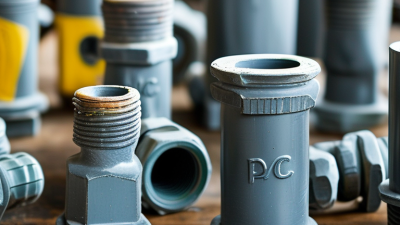
PVC pressure fittings are commonly used in irrigation, pool circulation, and cold-water systems. Their appeal is practical: they are lightweight, resist many forms of corrosion, and come in familiar shapes such as elbows, tees, and reducers. A fitting may look simple on a workbench. Its job is not. It must match the pipe material, size, pressure rating, and operating conditions.

Choosing pvc pressure fittings should begin with the system, not the price tag. Check the manufacturer’s pressure limits and temperature guidance, then confirm compatibility with the pipe and joining method. A socket joint made with the specified primer and solvent cement depends on clean, dry surfaces and careful assembly. Small details matter. So does support: a rigid line can stress a fitting if it shifts or vibrates.

PVC is not the right answer for every project. Heat, chemical exposure, sunlight, and project specifications can affect what is suitable. A neat-looking connection may still deserve a second look when its service conditions are unclear. That uncertainty calls for verification, not guesswork. This guide explains where these fittings can be useful, what to check before buying, and which trade-offs deserve attention. The goal is a dependable choice, not an automatic one.
Why Choose PVC Pressure Fittings for Your Project?

What Are PVC Pressure Fittings?

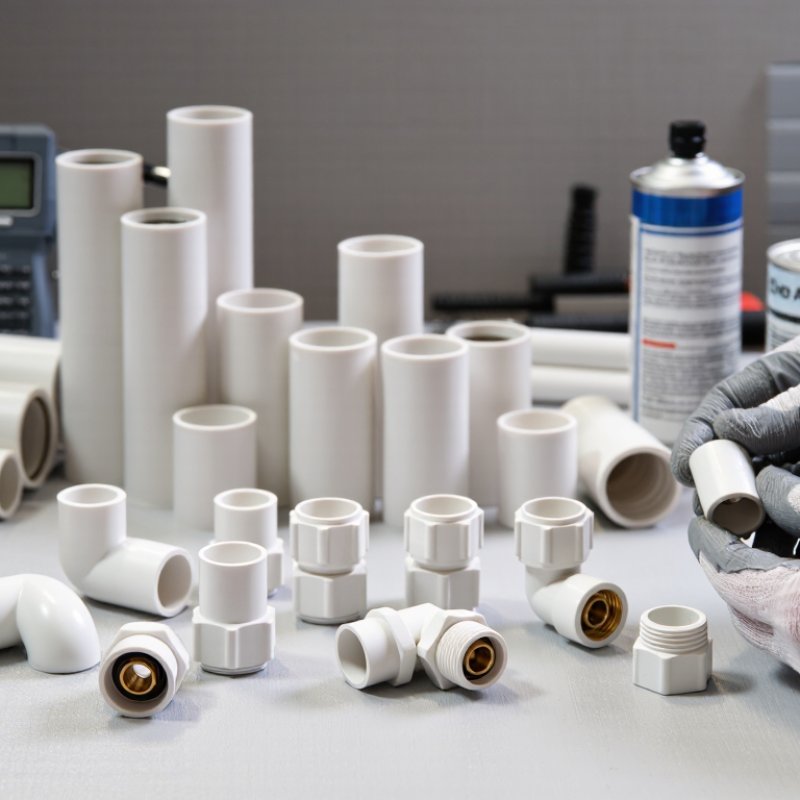
PVC pressure fittings are molded or fabricated connectors that join pressure-rated PVC pipes. They direct flow around a corner, split it into branches, or connect different pipe sizes. Common forms include elbows, tees, couplings, reducers, and end caps. They are not decorative accessories. Each fitting becomes part of the pressurized water pathway.

Depending on the system, connections may use solvent cement, threads, or gasketed joints. The fitting’s pressure rating and dimensions must match the pipe and operating conditions. ASTM D2466 and D2467 cover Schedule 40 and Schedule 80 PVC pressure fittings, respectively. For drinking-water systems, NSF/ANSI/CAN 61 addresses health effects from materials that contact drinking water. Standards help. They do not replace careful installation.

Fit and joint quality matter throughout a buried network. Utah State University’s 2012 Buried No Longer report estimated about 240,000 water-main breaks each year in the United States. That figure concerns water mains, not PVC fittings, so it should not be read as a fitting failure rate. Still, it shows why component compatibility deserves attention. A slightly mismatched connection can complicate assembly; installers should verify specifications before joining pipe. There is a catch: pressure ratings can change with temperature, and field conditions are not always tidy.
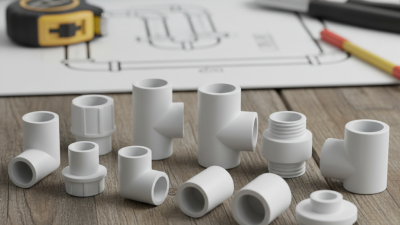
How PVC Pressure Fittings Connect and Control Flow

Why Choose PVC Pressure Fittings for Your Project?
How PVC Pressure Fittings Connect and Control Flow

PVC pressure fittings join pipe runs and guide water through a system. Elbows turn lines around corners; tees divide flow into branches; couplings connect straight sections. A smooth interior can help limit turbulence, but poor alignment or excess cement may narrow the passage. That can be easy to miss. Check pressure ratings, pipe dimensions, fluid compatibility, and temperature limits before assembly.

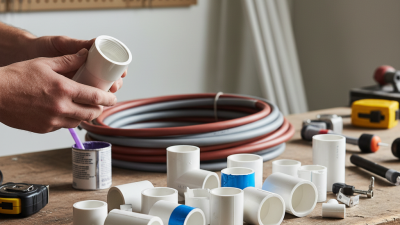
The connection method matters. Solvent-weld fittings need clean, square-cut pipe and compatible primer and cement where specified. Insert the pipe fully, then hold it steady while the joint sets. Threaded fittings need care, too; overtightening can stress plastic threads. Valves and reducers affect flow and should remain accessible for maintenance. A layout that looks simple on paper may become awkward around supports and shutoff valves.

Tips: Mark insertion depth before applying cement, and remove burrs from cut ends. Support long pipe spans so fittings do not carry the pipe’s weight. Allow joints to cure for the specified time before testing. Increase test pressure gradually and stay within the system’s limits. Dry-fitting parts helps check alignment, but it does not prove a joint is leak-free. Recheck the route before bonding, especially near pumps and tight corners.

Why Choose PVC Pressure Fittings? How They Connect and Control Flow

PVC pressure fittings connect compatible pipe sections and route water through a system. The chart compares the inside diameters of Schedule 40 PVC pipe sizes: a larger bore can provide more area for flow, while actual flow also depends on fitting geometry, pipe length, and system conditions. Ordinary elbows and couplings route flow; valves are used to regulate or shut it off.

Schedule 40 PVC Pipe: Nominal Size vs. Inside Diameter

Inside-diameter values are standard Schedule 40 dimensions. Nominal pipe size is a designation, not a direct measurement of inside diameter.

Key Benefits of PVC Pressure Fittings

PVC pressure fittings provide a practical balance of corrosion resistance, low weight, and straightforward installation. Unlike metal, PVC does not rust when exposed to water, which helps keep piping systems clean over time. Its smooth interior can also reduce friction and support consistent flow when the system is correctly sized. The fittings are easy to carry across a worksite. That matters in tight utility rooms or long runs of pipe.

Reliable joints depend on careful preparation. Cut pipe square, remove burrs, and follow the fitting and cement instructions for the chosen system. A rushed cut can still cause trouble. Solvent-cement joints need the right materials and enough curing time before pressure is applied. PVC is not suitable for every fluid, temperature, or pressure condition, so check the fitting’s rating and project requirements before selection. This step is easy to overlook when components appear similar. Also consider future access: a compact fitting may save space, but leave room for inspection and repairs. These details can affect performance as much as the fitting itself.

Common Applications in Pressure Piping Systems

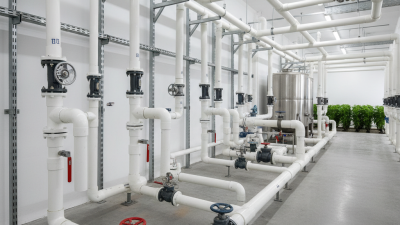
PVC pressure fittings are used in residential water distribution, irrigation networks, swimming pool circulation, and many light-duty process lines. They connect straight pipe runs and create turns, branches, or changes in pipe size. A tee can split flow toward garden zones, while an elbow routes a line around a wall or equipment pad. Reducers help join pipes with different diameters.

These fittings suit pressure piping when their material, size, and pressure rating match the system. In irrigation, that means checking operating pressure and accounting for pump surges. Pool systems also need fittings compatible with treatment chemicals. For drinking-water applications, confirm the product meets the relevant local requirements. Small details matter. Temperature limits matter, too; standard PVC is generally intended for cooler water, not hot-water service. Chemical compatibility can be less obvious than it seems, so verify it rather than guessing. Solvent-cement joints need clean, properly prepared surfaces and adequate curing time before pressurizing. That step is easy to rush. A careful pressure test can reveal leaks before buried lines or finished walls make repairs harder.

How to Select PVC Pressure Fittings for Your Project

Choosing PVC pressure fittings starts with the system, not the fitting aisle. Confirm the fluid, operating pressure, and temperature range before comparing options. Pressure ratings can change with temperature and fitting design, so check the product data rather than relying on the pipe rating alone. Surges matter. Leave a suitable margin for pressure changes and confirm the project specification covers them.

Match the fitting size and pressure class to the pipe, and check that both use compatible dimensions and joining methods. Solvent-weld, threaded, and flanged connections each suit different layouts. For example, a threaded adapter can simplify a removable connection, but excessive tightening may damage plastic threads. Check applicable product standards and local project requirements. A catalog description may not show every limitation, so ask the supplier for technical documentation when details are unclear.

Consider the installation itself. Tight corners, vibration, and unsupported pipe can place stress on fittings over time. Dry-fit parts to check alignment, then follow the specified joining procedure and cure time. Inspect for cracks, damaged threads, or contamination before assembly. It is tempting to choose the lowest-cost option, but replacing a poorly matched fitting can take more time than checking its rating and compatibility upfront. One detail is easy to miss: confirm the fitting can be inspected or accessed after installation.

Copyright 2025 Fluidra S.A. | Created by BCM Marketing Agencia Privacy Policy Legal note | Cookie policy |

Technical cookies are strictly necessary for our website to work and you can navigate through it. These types of cookies are those that, for example, allow us to identify you, give you access to certain restricted parts of the page if necessary, or remember different options or services already selected by you, such as your privacy preferences. Therefore, they are activated by default, your authorization not being necessary in this regard. Through the configuration of your browser, you can block or alert the presence of this type of cookies, although such blocking will affect the proper functioning of the different functionalities of our website.


The analysis cookies allow us to study the navigation of the users of our website in general (for example, which sections of the page are the most visited, which services are used most and if they work correctly, etc.). From the statistical information on navigation on our website, we can improve both the operation of the page itself and the different services it offers. Therefore, these cookies do not have an advertising purpose, but only serve to make our website work better, adapting to our users in general. By activating them you will contribute to this continuous improvement. You can enable or disable these cookies by checking the corresponding box, being disabled by default.


Functionality cookies allow us to remember your preferences, to personalize certain characteristics and general options of our website, every time you access it (for example, the language in which the information is presented to you, the sections marked as favorites, your browser type, etc.) Therefore, this type of cookies does not have an advertising purpose, but by activating them you will improve the functionality of the website (for example, adapting to your type of browser) and the customization of it based on your preferences (for example, by presenting the information in the language that you have chosen in previous occasions), which will contribute to the ease, usability and comfort of our page during your navigation. You can enable or disable these cookies by checking the corresponding box, being disabled by default.


Advertising cookies allow us to manage the advertising spaces included in our website based on criteria such as the content shown or the frequency in which the ads are displayed. For example, if you have been shown the same ad several times on our website, and you have not shown a personal interest by clicking on it, it will not appear again. In summary, by activating this type of cookies, the advertising shown on our website will be more useful and diverse, and less repetitive. You can enable or disable these cookies by checking the corresponding box, being disabled by default.


Behavioral advertising cookies allow us to obtain information based on the observation of your browsing habits and behaviors on the web, in order to show you advertising content that best suits your personal tastes and interests. To understand it in a very simple way, we will give you a fictitious example: if your last searches on the web were related to suspense literature, we would show you advertising about suspense books. Therefore, activating this type of cookies, the advertising that we show you on our website will not be generic, but will be oriented to your searches, tastes and interests, therefore adjusting exclusively to you. You can enable or disable these cookies by checking the corresponding box, being disabled by default.
To understand it in a very simple way, we will give you a fictitious example: if your last searches on the web were related to suspense literature, we would show you advertising about suspense books. Therefore, activating this type of cookies, the advertising that we show you on our website will not be generic, but will be oriented to your searches, tastes and interests, therefore adjusting exclusively to you. You can enable or disable these cookies by checking the corresponding box, being disabled by default.

SAVE

We use our own and third-party cookies to ensure the proper functioning of the website and to analyse our services, improve your experience on our website and show you advertisements related to your interests according to profiling based on your browsing habits (e.g. websites visited). You can accept all cookies by clicking "ACCEPT" or set or reject them by clicking here. If you would like to know more about the use of cookies, please see our COOKIE POLICY.


ACCEPT ALL
Reject no essentials