Why Choose Compression Valves for Global Applications?
FLUID HANDLING EXPERTS

Blog, all our news

Why Choose Compression Valves for Global Applications?

Why choose compression valves for global applications? The answer begins with practical control, not marketing language. These valves connect tubing quickly and create dependable seals without welding equipment. That matters when technicians work in remote plants, temporary installations, or compact service rooms. A properly selected valve can reduce assembly time, simplify maintenance, and limit leakage points.

Real operating conditions are rarely ideal. A valve may face freezing temperatures in a northern warehouse, dust near a processing line, or frequent pressure cycling on a mobile skid. Material compatibility, tube dimensions, pressure ratings, and temperature limits must be checked carefully. Small errors can become expensive failures. Experienced engineers usually review the medium, installation method, vibration level, and expected service life before approval. They also verify supplier drawings, test reports, and traceability documents.

Standards matter greatly. Yet compliance alone does not guarantee reliable performance. Field experience still exposes weaknesses that laboratory testing may miss. A fitting that works well on a clean bench may loosen after repeated vibration. That possibility deserves attention. Reputable manufacturers typically provide installation instructions, inspection guidance, and evidence from controlled testing. Buyers should compare those details instead of relying on price or broad claims.

Compression valves can support many international projects because their installation is familiar and adaptable. However, “universal” is an uncomfortable word. Local codes, approved materials, and service conditions still influence the final choice. Careful selection creates confidence. Careless selection creates rework. This guide examines where compression valves perform well, where they require caution, and how professionals can evaluate them with clearer evidence.
Why Choose Compression Valves for Global Applications?

Compression Valves: Definition, Design, and Operating Principles

Why Choose Compression Valves for Global Applications?

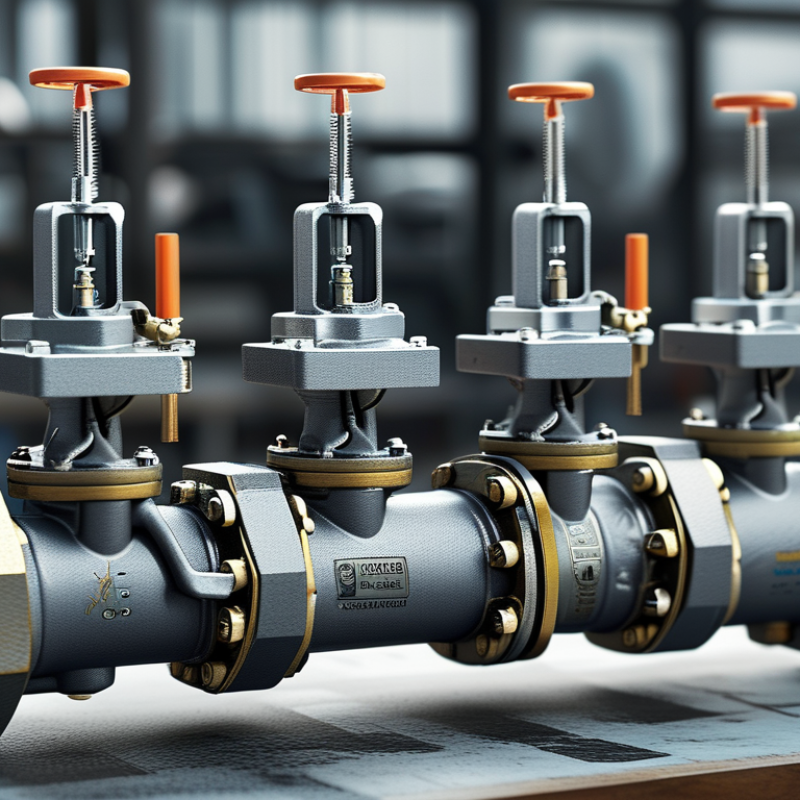
Compression valves are shutoff devices that connect to tubing without welding or threading. A nut presses a ferrule against the tube, creating a tight mechanical seal. The valve body contains the flow passage, sealing seat, stem, and operating handle. Designs vary, but the purpose remains practical: control, isolate, or regulate fluid movement.

During installation, the tube must be cut square and cleaned carefully. The nut is tightened to compress the ferrule evenly around the tube. Inside the valve, turning the handle moves a stem, plug, or ball against the seat. This action stops or permits flow. Correct torque matters. Excessive tightening can deform the tube, while insufficient tightening may cause leakage under pressure.

Compression valves suit global applications because they support fast maintenance and adaptable tubing connections. Technicians can often install them with common hand tools, even where welding equipment is unavailable. However, “easy” does not mean risk-free. Material compatibility, pressure rating, temperature range, and local installation standards still require verification. Stainless steel may suit corrosive service, while softer metals can serve lighter systems. Tube dimensions also differ between markets, and a small mismatch can create a serious failure. Field experience suggests checking every joint after installation, then rechecking it after the system reaches operating temperature. No valve is perfect. Selection should follow measured conditions, not habit.

Why Choose Compression Valves for Global Applications? - Compression Valves: Definition, Design, and Operating Principles

Data Dimension Compression Valve Information Global Application Relevance
Definition A compression valve controls or stops fluid flow by compressing a flexible tube, hose, sleeve, or diaphragm rather than relying on a conventional metal-to-metal closing element. The flow path can remain relatively unobstructed, making the design suitable for liquids, slurries, powders, and fluids containing suspended solids.
Basic Operating Principle An actuator applies mechanical, pneumatic, or hydraulic force to compress the flexible element. Releasing the force allows the element to reopen through its elasticity, fluid pressure, or both. The operating concept is simple and can be adapted to manual, automated, and remote-control systems used in different regions.
Main Design Components Typical components include a valve body, flexible sleeve or diaphragm, compression mechanism, actuator, end connections, and optional position indicators or control accessories. The modular design allows configuration changes for different pipe sizes, installation layouts, actuation methods, and maintenance practices.
Flow-Path Characteristics When open, many compression valves provide a smooth internal passage with no central stem, rotating disc, or gate extending into the flow path. A smooth passage can help reduce buildup, blockage risk, and damage caused by abrasive or solids-laden media.
Flow Media Commonly used with water, wastewater, mineral slurries, abrasive mixtures, powders, granules, viscous liquids, and selected corrosive or chemically active fluids. The valve can serve municipal, mining, chemical, food-processing, agricultural, and industrial installations, subject to material compatibility.
Common Valve Configurations Typical forms include pinch-style valves, sleeve compression valves, diaphragm-based designs, inline configurations, and specialized dosing or sampling arrangements. Different configurations support regional preferences for piping layouts, equipment access, automation, and process control.
Actuation Options Manual handwheels, levers, pneumatic actuators, hydraulic actuators, and electric actuators may be used depending on valve size and process requirements. Actuation can be selected according to local power availability, plant automation standards, safety requirements, and maintenance capabilities.
Sealing Performance The flexible element forms the primary shutoff surface. Properly selected and maintained sleeves or diaphragms can provide tight closure without traditional packing around a moving stem. Reduced stem-packing requirements can help limit external leakage and simplify inspection in installations with strict environmental or hygiene expectations.
Materials of Construction Valve bodies may use metals, plastics, or lined materials. Flexible elements are commonly produced from elastomers or engineered polymers selected for abrasion, temperature, and chemical resistance. Material selection can be adjusted for climate, fluid chemistry, abrasive content, sanitation requirements, and regional operating conditions.
Pressure and Temperature Range Allowable pressure and temperature depend on the valve design, sleeve or diaphragm material, size, actuator, and media. The manufacturer’s rated limits must be followed. Checking local process conditions and applicable engineering requirements prevents unsuitable selection across different climates and industrial standards.
End Connections Available connection styles may include flanged, threaded, clamp, grooved, or other piping-system-specific connections. Connection selection should match the regional piping standard, line class, installation tools, and available replacement components.
Maintenance Requirements Routine work generally includes checking the flexible element for wear, inspecting actuator operation, confirming connection integrity, and replacing worn sleeves or diaphragms. Maintenance is often straightforward because the main wear component is identifiable and replaceable, but service intervals depend on media and operating cycles.
Resistance to Abrasive Media The flexible sleeve can isolate the valve body and actuator from direct contact with abrasive particles when the valve is correctly selected and operated. This feature is valuable in mining, mineral processing, dredging, cement, and wastewater applications where particle wear is a major concern.
Hygiene and Contamination Control Some designs offer a relatively unobstructed flow path and can be manufactured with materials suitable for hygienic service when the complete assembly meets the required regulations. The design may support applications where dead zones, product retention, and cross-contamination must be minimized, subject to cleaning validation.
Control Capability Compression valves are primarily isolation valves, although certain designs and actuators can provide throttling or flow-regulation capability within specified operating limits. Using a valve for throttling should be based on the approved duty cycle, differential pressure, control accuracy, and sleeve wear characteristics.
Key Advantages Simple flow-path design, good suitability for solids-bearing media, limited internal mechanical parts, flexible material options, and potentially reduced external leakage paths. These advantages can support reliable operation, easier maintenance, and adaptable installation in diverse international process environments.
Important Limitations The flexible element is a wear component. Excessive pressure, unsuitable chemicals, high temperature, sharp solids, excessive cycling, or incorrect throttling can shorten service life. Global selection should include a complete review of process data, local codes, replacement availability, ambient conditions, and operator training.
Typical Applications Water and wastewater treatment, slurry transport, mineral processing, chemical handling, food and beverage processing, cement production, agriculture, and bulk-material systems. The broad application range makes compression valves suitable for both developed and emerging infrastructure projects, provided technical requirements are met.
Selection Checklist Review nominal size, pressure, temperature, media composition, solids concentration, flow rate, actuation, cycle frequency, connection type, materials, and maintenance access. A standardized checklist improves consistency when specifying valves for projects involving multiple countries, contractors, climates, and regulatory systems.

Note: Pressure, temperature, chemical compatibility, service life, and material suitability must be confirmed against the specific valve design, operating conditions, and applicable local standards.

Key Advantages for Diverse Industrial and Environmental Conditions

Why Choose Compression Valves for Global Applications?

Compression valves suit industrial systems that face changing climates, materials, and maintenance practices. Their mechanical tube connection avoids welding, which can simplify installation in remote facilities. Technicians can assemble them with common hand tools and limited access.

They perform well in pneumatic controls, water treatment units, sampling lines, and process instrumentation. Their compact bodies fit crowded panels and narrow service spaces. Proper material selection helps resist moisture, chemicals, salt air, and temperature changes. Stainless steel supports demanding environments, while suitable polymer seals can improve compatibility with selected fluids. Pressure ratings still require careful verification.

Small details matter.

Field inspections often find leaks caused by poor tube preparation, incorrect tightening, or reused components. Compression valves are not a universal answer. Vibration, extreme heat, and aggressive media may require a different connection design. Engineers should check pressure, temperature, tube hardness, seal compatibility, and local installation standards before approval. Clear markings also help teams identify flow direction and maintenance requirements across language barriers. In dusty regions, protective enclosures and scheduled inspections can prevent contamination from reaching the connection. Coastal facilities may need added corrosion controls. The practical advantage is flexibility, but flexibility can invite careless choices. A reliable specification should include testing, documented torque guidance, and replacement intervals. That extra planning often matters more than the valve’s compact appearance.

Why Choose Compression Valves for Global Applications?

Typical operating envelopes encountered in diverse industrial and environmental services. Compression valve selection should always be verified against the specific valve material, seal, tube size, pressure rating, and temperature rating.

Compression connections are widely used where compact installation, repeatable tube assembly, and resistance to vibration are important. The chart compares representative service conditions rather than a single product rating.

Material Selection and Compatibility Across Global Markets

Why Choose Compression Valves for Global Applications?

Material selection determines whether a compression valve performs reliably across different markets. Brass offers strength and dimensional stability for many water systems. Stainless steel can better resist corrosion in humid or chemically demanding environments. Engineering polymers may reduce weight, but temperature limits require careful review. The fluid matters just as much as the valve body. Drinking water, compressed air, and mildly aggressive chemicals can require different sealing materials.

Compatibility also depends on local operating conditions. A valve installed in coastal India may face salt-laden air, while one used in a dry inland facility may encounter dust and wide temperature changes. Seal compounds must tolerate pressure, heat, and repeated cycling without swelling or cracking.

Thread forms, tubing dimensions, and connection standards should match regional installation practices. Small dimensional differences can cause leaks.

We have found that laboratory data cannot replace field feedback. A material rated for one fluid may behave differently after months of exposure. That assumption can fail. Testing should include pressure cycling, thermal variation, corrosion exposure, and assembly checks with local tubing. Documentation should identify material grades, temperature ranges, pressure limits, and applicable conformity requirements. Full traceability improves confidence for distributors and maintenance teams. Perfect compatibility does not exist. It must be verified for the actual fluid, climate, and installation method.

Standards, Installation Practices, and Regulatory Considerations

Why Choose Compression Valves for Global Applications?

Compression valves support international projects because they can connect tubes without welding equipment or site power. Their value depends on correct standards, installation, and regulatory control. Before ordering, confirm the tube’s outside diameter, pressure rating, temperature range, and fluid compatibility. Dimensions that look similar may not seal correctly.

Standards vary between regions and industries. Project teams should review applicable ISO, EN, ASME, or national requirements before approval. Check whether the valve needs potable-water approval, fire-system certification, or material declarations. Keep test reports, batch details, and conformity documents with the project file. This creates traceability during inspections and future maintenance. In practice, missing paperwork can delay commissioning more than a damaged component.

Tips: Cut the tube squarely and remove burrs. Mark the insertion depth before tightening. Use the specified torque, then pressure-test the assembly gradually. Inspect for leaks after temperature changes and vibration exposure. Do not mix tube materials or fitting standards without written confirmation. A perfect checklist cannot replace judgment. I would also allow extra inspection time, because installation conditions are rarely perfect.

How to Evaluate Compression Valves for International Applications

Choosing compression valves for international service requires more than comparing pressure ratings. Evaluate the medium, temperature range, cycle frequency, and connection tolerances first. A valve suitable for dry air may perform poorly with wet gas or aggressive chemicals. Compression fittings also need consistent tube preparation and accurate tightening. Small installation errors can create costly leaks.

Use recognized standards as a practical screening tool. ISO 5208 defines pressure-testing methods for industrial valves, while ISO 15848 addresses fugitive-emission testing. The International Energy Agency reported that oil and gas operations released about 120 million tonnes of methane in 2023. This figure makes leakage control an operational responsibility, not merely a maintenance preference. For compressed-air systems, U.S. Department of Energy guidance commonly identifies leaks as capable of wasting 20–30% of compressor output. That loss can quickly exceed the valve’s purchase price.

International evaluation should also examine material compatibility, spare-part availability, documentation, and regional certification requirements. Request test records, pressure-temperature curves, and clearly stated seal materials. Check whether markings remain readable after cleaning and outdoor exposure. Field teams often value simple maintenance more than impressive specifications.

I would challenge any selection based only on laboratory performance. Real systems contain vibration, imperfect tubing, and rushed installation. That is where many evaluations become incomplete.cuntegn
Copyright 2025 Fluidra S.A. | Created by BCM Marketing Agencia Privacy Policy Legal note | Cookie policy |

Technical cookies are strictly necessary for our website to work and you can navigate through it. These types of cookies are those that, for example, allow us to identify you, give you access to certain restricted parts of the page if necessary, or remember different options or services already selected by you, such as your privacy preferences. Therefore, they are activated by default, your authorization not being necessary in this regard. Through the configuration of your browser, you can block or alert the presence of this type of cookies, although such blocking will affect the proper functioning of the different functionalities of our website.


The analysis cookies allow us to study the navigation of the users of our website in general (for example, which sections of the page are the most visited, which services are used most and if they work correctly, etc.). From the statistical information on navigation on our website, we can improve both the operation of the page itself and the different services it offers. Therefore, these cookies do not have an advertising purpose, but only serve to make our website work better, adapting to our users in general. By activating them you will contribute to this continuous improvement. You can enable or disable these cookies by checking the corresponding box, being disabled by default.


Functionality cookies allow us to remember your preferences, to personalize certain characteristics and general options of our website, every time you access it (for example, the language in which the information is presented to you, the sections marked as favorites, your browser type, etc.) Therefore, this type of cookies does not have an advertising purpose, but by activating them you will improve the functionality of the website (for example, adapting to your type of browser) and the customization of it based on your preferences (for example, by presenting the information in the language that you have chosen in previous occasions), which will contribute to the ease, usability and comfort of our page during your navigation. You can enable or disable these cookies by checking the corresponding box, being disabled by default.


Advertising cookies allow us to manage the advertising spaces included in our website based on criteria such as the content shown or the frequency in which the ads are displayed. For example, if you have been shown the same ad several times on our website, and you have not shown a personal interest by clicking on it, it will not appear again. In summary, by activating this type of cookies, the advertising shown on our website will be more useful and diverse, and less repetitive. You can enable or disable these cookies by checking the corresponding box, being disabled by default.


Behavioral advertising cookies allow us to obtain information based on the observation of your browsing habits and behaviors on the web, in order to show you advertising content that best suits your personal tastes and interests. To understand it in a very simple way, we will give you a fictitious example: if your last searches on the web were related to suspense literature, we would show you advertising about suspense books. Therefore, activating this type of cookies, the advertising that we show you on our website will not be generic, but will be oriented to your searches, tastes and interests, therefore adjusting exclusively to you. You can enable or disable these cookies by checking the corresponding box, being disabled by default.
To understand it in a very simple way, we will give you a fictitious example: if your last searches on the web were related to suspense literature, we would show you advertising about suspense books. Therefore, activating this type of cookies, the advertising that we show you on our website will not be generic, but will be oriented to your searches, tastes and interests, therefore adjusting exclusively to you. You can enable or disable these cookies by checking the corresponding box, being disabled by default.

SAVE

We use our own and third-party cookies to ensure the proper functioning of the website and to analyse our services, improve your experience on our website and show you advertisements related to your interests according to profiling based on your browsing habits (e.g. websites visited). You can accept all cookies by clicking "ACCEPT" or set or reject them by clicking here. If you would like to know more about the use of cookies, please see our COOKIE POLICY.


ACCEPT ALL
Reject no essentials