
Why Choose a Shuttle Rotomolding Machine?
FLUID HANDLING EXPERTS

Blog, all our news

Why Choose a Shuttle Rotomolding Machine?

Choosing the right equipment can shape production quality, labor efficiency, and long-term operating costs. A Shuttle Rotomolding Machine offers a practical solution for manufacturers producing large, hollow plastic parts. Its two independent arms allow loading and unloading on one side while another mold remains inside the heating or cooling chamber. This reduces idle time and supports a steadier workflow.

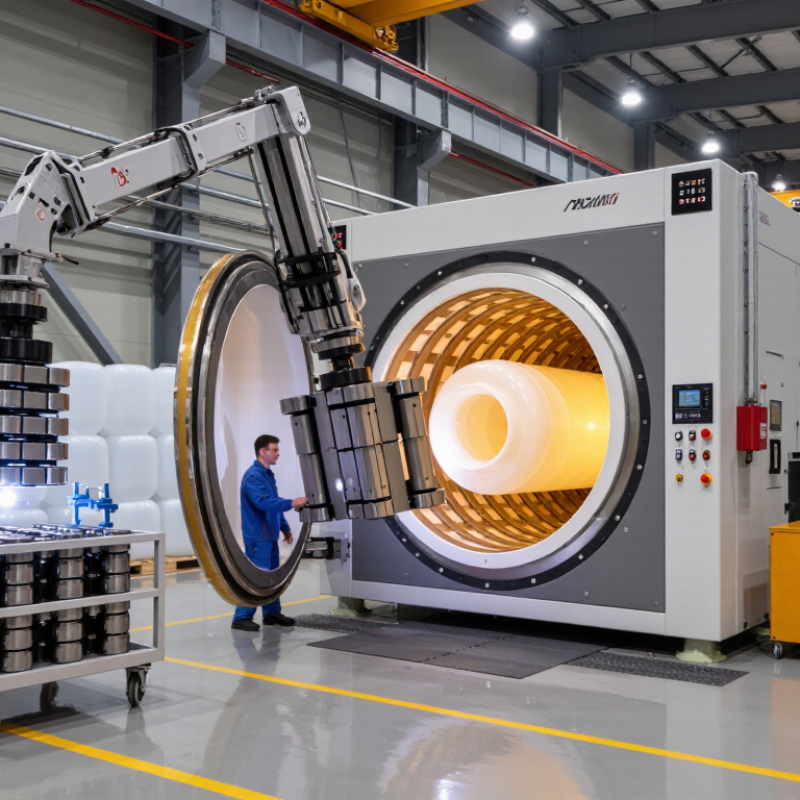
In real production environments, small details matter. Operators may handle steel molds beside the machine, inspect wall thickness, and remove parts while surfaces are still warm. A well-designed Shuttle Rotomolding Machine can improve access, visibility, and process control during these tasks. Temperature monitoring, reliable arm movement, and consistent mold rotation help reduce common defects such as uneven walls, trapped air, and incomplete corners. These benefits are especially valuable for tanks, containers, playground components, and industrial housings.

Still, no machine solves every production problem. Poor mold design, unsuitable resin, or weak cooling practices can limit results. That deserves attention. Equipment selection should consider part size, mold weight, cycle time, factory layout, energy use, and operator training. Experienced manufacturers also review service support and replacement parts before purchase. A lower initial price may not remain economical after repeated downtime. This article examines why the Shuttle Rotomolding Machine remains a trusted choice for flexible production, while also identifying its practical limitations. The goal is clear: informed decisions, measurable performance, and safer daily operation.
Why Choose a Shuttle Rotomolding Machine?

What Is a Shuttle Rotomolding Machine?

A shuttle rotomolding machine is a rotational molding system with two or more arms. Each arm carries a mold between separate stations. These stations usually include heating, cooling, loading, and unloading areas. The mold receives measured polymer powder, then rotates inside an oven. Heat melts the powder against the mold wall and forms a hollow product.

Unlike a fixed-arm machine, a shuttle design can move one mold into the oven while another cools outside. This arrangement supports shorter handling times and better production flexibility. Operators can inspect a cooled tank, add powder to another mold, and prepare the next cycle nearby. The process suits water tanks, pallets, ducts, and large industrial containers. Grand View Research estimates the global rotational molding market will expand at about 4.8% annually through 2030. Mordor Intelligence also forecasts continued growth, linked to demand for lightweight, corrosion-resistant plastic products.

In practice, shuttle equipment needs careful temperature control and mold balancing. Uneven powder distribution can create thin corners or weak seams. That detail is easy to underestimate. A larger machine is not automatically better. It may consume more energy and require longer cooling time. Real production trials should measure cycle time, wall thickness, scrap rate, and operator movement. These checks often reveal that a simpler setup performs better for a specific product. Industry recommendations from the Association of Rotational Molders also emphasize process control, mold design, and repeatable heating conditions.

Why Choose a Shuttle Rotomolding Machine?

A shuttle rotomolding machine uses a mobile mold carriage that moves between the heating chamber and service areas. This layout supports separate loading, unloading, and cooling activities while another mold is inside the oven.

Representative two-arm shuttle layout: The chart shows the typical number of key stations or moving elements in a standard shuttle-machine arrangement. Two service positions and two mold arms help operators handle molds outside the oven, while one central oven provides controlled heating. Actual configurations vary by machine size, mold weight, and production requirements.

How Does a Shuttle Rotomolding Machine Work?

Why Choose a Shuttle Rotomolding Machine?

How Does a Shuttle Rotomolding Machine Work?

A shuttle rotomolding machine uses two movable carriages. Each carriage carries one or more molds. While one carriage enters the heating chamber, the other stays outside for loading, cooling, and demolding. This arrangement keeps production moving and reduces waiting time between cycles.

The operator places a measured amount of polymer powder inside a hollow mold. The mold closes and moves into the oven. It rotates around two axes during heating, spreading the softened material across the inner surfaces. Heat sensors and cycle controls help maintain stable processing conditions. The mold then leaves the oven and enters a cooling area. Air or water mist removes heat gradually, while rotation continues to prevent uneven wall thickness. Once the part becomes firm, the operator opens the mold and removes it.

This process suits tanks, containers, playground parts, and other large hollow products. It creates seamless walls with relatively low forming stress. Shuttle movement also allows different molds to follow separate cycle times. That flexibility can support small batches and varied designs.

Real production still needs judgment. Powder quality, mold temperature, and cooling speed can change the final result. A perfect setting rarely exists. Operators may need to adjust the cycle after inspecting corners, vents, and wall thickness. Poor loading can create thin areas, even when the machine runs correctly. Careful records and regular maintenance make the process more reliable.

What Are Its Main Design and Operating Features?

A shuttle rotomolding machine uses a movable carriage to serve one or more stations. Its main advantage is controlled movement between heating and cooling areas. The carriage typically carries two molds, allowing loading while another mold cools. This layout can reduce idle oven time. It also supports flexible production for tanks, pallets, containers, and large hollow parts.

The design depends on biaxial rotation, adjustable arm speed, and accurate mold indexing. A PLC records oven temperature, rotation cycles, and cooling duration. These controls help operators repeat wall thickness and reduce uneven surfaces. According to Grand View Research’s 2024 rotational molding market report, the sector is expected to grow at roughly 5% annually. That growth increases pressure for stable, data-based processing. Still, automation does not remove every problem. Powder quality, mold venting, and loading accuracy remain critical.

Operating discipline matters just as much. Operators charge a measured polymer weight, close the mold, and check the locking system before heating. The mold then rotates through a programmed thermal cycle. After heating, controlled air or water cooling limits distortion. The U.S. Department of Energy notes that poorly maintained compressed-air systems can waste 20–30% of supplied air, so pneumatic leaks deserve regular inspection. In practice, some plants still adjust cycles by experience alone. That approach can work, but it is difficult to audit. A shuttle machine performs best when temperature records, mold condition, and cooling results are reviewed together.

Why Choose Shuttle Rotomolding for Plastic Production?

Shuttle rotomolding gives plastic producers a practical way to manage several mold stages in one working area. Two or more shuttle arms move molds between heating, cooling, and loading stations. This layout can reduce idle time while operators prepare the next mold. In daily production, that matters. A large insulated mold may need careful cooling, while a smaller part is ready for loading. Separate movement paths make timing easier to control. The result is flexible production for tanks, containers, housings, and custom parts.

The process also supports consistent wall thickness when operators control temperature, rotation speed, resin quantity, and cooling conditions. Good records help connect surface defects to real process changes, rather than guesswork. Operators can inspect molds, verify vent placement, and remove flash before the next cycle. These details reflect practical experience, not only machine specifications. Shuttle systems may also simplify mold changes when product sizes vary during the week. Less manual repositioning can improve handling safety and reduce avoidable damage.

Still, shuttle rotomolding is not automatically the best answer. Its benefits depend on accurate cycle planning, trained operators, and disciplined maintenance. Poorly balanced molds can create uneven heating or unnecessary movement. Production plans may look efficient on paper, yet lose time through awkward loading access. That weakness deserves honest review before investment. Energy use, floor space, tooling weight, and annual volume should be measured with actual shop data. A careful trial run can reveal more than a polished quotation.

How to Evaluate a Shuttle Rotomolding Machine for Your Needs?

Choosing a shuttle rotomolding machine requires more than comparing oven size or purchase price. Evaluate the machine against your actual parts, materials, and production rhythm.

Start with the part envelope.

Measure length, width, height, mold weight, and required wall thickness. The arm must handle the loaded mold without excessive vibration. Check oven temperature uniformity across the full chamber, not only near the sensor. A practical factory test should examine corners, door areas, and the mold’s farthest position. Ask for cycle-time records using similar polyethylene grades. Grand View Research’s Rotomolding Market Size, Share & Trends Analysis reports market growth of roughly 5% annually through 2030, increasing pressure for stable, repeatable output.

Energy performance also deserves close attention.

Compare burner or heating-element consumption per cycle, cooling time, and idle losses. The U.S. Department of Energy identifies industrial heating as a major energy-use area, so small efficiency gaps can become expensive over thousands of cycles. Review PLC access, alarm history, recipe storage, and data export. Operators should adjust settings without bypassing safety controls.

Do not overlook maintenance.

Inspect bearing access, arm-change time, seals, and spare-part availability. Request a trial with your real mold. A machine may look impressive during an empty demonstration. That proves little. My own evaluation would score service response and training as heavily as capacity. Bigger is not automatically better, and published specifications sometimes hide inconvenient assumptions.

Copyright 2025 Fluidra S.A. | Created by BCM Marketing Agencia Privacy Policy Legal note | Cookie policy |

Technical cookies are strictly necessary for our website to work and you can navigate through it. These types of cookies are those that, for example, allow us to identify you, give you access to certain restricted parts of the page if necessary, or remember different options or services already selected by you, such as your privacy preferences. Therefore, they are activated by default, your authorization not being necessary in this regard. Through the configuration of your browser, you can block or alert the presence of this type of cookies, although such blocking will affect the proper functioning of the different functionalities of our website.


The analysis cookies allow us to study the navigation of the users of our website in general (for example, which sections of the page are the most visited, which services are used most and if they work correctly, etc.). From the statistical information on navigation on our website, we can improve both the operation of the page itself and the different services it offers. Therefore, these cookies do not have an advertising purpose, but only serve to make our website work better, adapting to our users in general. By activating them you will contribute to this continuous improvement. You can enable or disable these cookies by checking the corresponding box, being disabled by default.


Functionality cookies allow us to remember your preferences, to personalize certain characteristics and general options of our website, every time you access it (for example, the language in which the information is presented to you, the sections marked as favorites, your browser type, etc.) Therefore, this type of cookies does not have an advertising purpose, but by activating them you will improve the functionality of the website (for example, adapting to your type of browser) and the customization of it based on your preferences (for example, by presenting the information in the language that you have chosen in previous occasions), which will contribute to the ease, usability and comfort of our page during your navigation. You can enable or disable these cookies by checking the corresponding box, being disabled by default.


Advertising cookies allow us to manage the advertising spaces included in our website based on criteria such as the content shown or the frequency in which the ads are displayed. For example, if you have been shown the same ad several times on our website, and you have not shown a personal interest by clicking on it, it will not appear again. In summary, by activating this type of cookies, the advertising shown on our website will be more useful and diverse, and less repetitive. You can enable or disable these cookies by checking the corresponding box, being disabled by default.


Behavioral advertising cookies allow us to obtain information based on the observation of your browsing habits and behaviors on the web, in order to show you advertising content that best suits your personal tastes and interests. To understand it in a very simple way, we will give you a fictitious example: if your last searches on the web were related to suspense literature, we would show you advertising about suspense books. Therefore, activating this type of cookies, the advertising that we show you on our website will not be generic, but will be oriented to your searches, tastes and interests, therefore adjusting exclusively to you. You can enable or disable these cookies by checking the corresponding box, being disabled by default.
To understand it in a very simple way, we will give you a fictitious example: if your last searches on the web were related to suspense literature, we would show you advertising about suspense books. Therefore, activating this type of cookies, the advertising that we show you on our website will not be generic, but will be oriented to your searches, tastes and interests, therefore adjusting exclusively to you. You can enable or disable these cookies by checking the corresponding box, being disabled by default.

SAVE

We use our own and third-party cookies to ensure the proper functioning of the website and to analyse our services, improve your experience on our website and show you advertisements related to your interests according to profiling based on your browsing habits (e.g. websites visited). You can accept all cookies by clicking "ACCEPT" or set or reject them by clicking here. If you would like to know more about the use of cookies, please see our COOKIE POLICY.


ACCEPT ALL
Reject no essentials


