
What Is a Knurled Door Handle?
FLUID HANDLING EXPERTS

Blog, all our news

What Is a Knurled Door Handle?

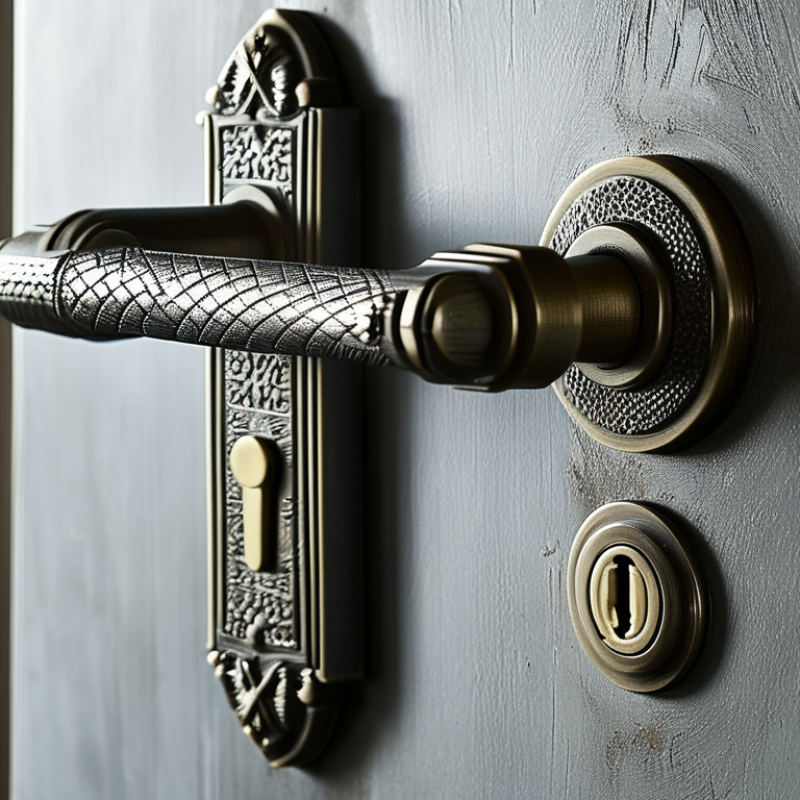
A Knurled Door Handle combines practical hardware with a distinctly tactile surface. Its diamond, linear, or crosshatched texture improves grip, especially when hands are wet, gloved, or carrying objects. The pattern also catches light across a metal lever, creating small shadows that make the entrance feel more deliberate. It is not merely decoration.

Market evidence supports the wider demand for considered residential hardware. The 2024 Houzz & Home Study reports continued homeowner investment in renovation projects, while the American Institute of Architects’ Home Design Trends Survey tracks ongoing interest in durable materials, improved functionality, and refined interior details. Neither report isolates the Knurled Door Handle. That limitation matters. Trends can suggest demand, but they cannot prove that every textured handle performs better.

Industrial designer Donald Norman wrote, “Design is really an act of communication.” His principle helps explain the appeal of knurling. The surface communicates where to grip before the user consciously thinks about it. In practice, however, texture can collect dust, feel abrasive, or appear visually heavy beside soft finishes. A designer must test the handle, not simply admire a product photograph.

This guide examines what a Knurled Door Handle is, how its machining affects touch and durability, and where it suits modern interiors. It also considers finishes, installation, cleaning, accessibility, and long-term wear. Small details matter. Sometimes, they matter too much.
What Is a Knurled Door Handle?

Definition and Key Features of a Knurled Door Handle

What Is a Knurled Door Handle?

A knurled door handle has a textured surface made from small, repeated ridges. These ridges are usually cut or pressed into metal, creating a patterned grip around the handle. The texture may run straight, diagonally, or in a diamond-shaped design. It gives the handle a distinctive appearance without relying on printed decoration.

The main feature is improved hand control. Knurling can provide extra traction when hands are wet, dusty, or carrying light items. It also adds visual depth under natural or overhead lighting. In practical use, a well-made handle should feel firm, even, and comfortable against the palm. Sharp ridges can feel unpleasant. I have found that texture depth matters more than appearance alone. A dramatic pattern may look impressive, yet it can collect dirt and require careful cleaning. The finish, handle shape, and mounting quality also affect daily performance.

Tips: Choose a texture that feels secure but not abrasive. Before installation, hold a sample for several seconds. Check whether the ridges catch clothing or irritate your fingers. Use a soft cloth and mild cleaner for routine care. Avoid overly aggressive scrubbing, which may dull the surface. One detail is often overlooked: strong texture cannot correct a loose or poorly aligned handle.

How Knurled Door Handles Are Designed and Manufactured

What Is a Knurled Door Handle?

How Knurled Door Handles Are Designed and Manufactured

A knurled door handle has a textured surface made from repeated ridges or diamond patterns. These ridges improve grip, especially when hands are wet, dusty, or cold. Designers usually begin with the handle’s length, diameter, and mounting position. Comfort matters as much as appearance. A beautiful pattern can still feel harsh after repeated use.

Manufacturing often starts with stainless steel, brass, or aluminum bar stock. The material is cut, turned, and shaped on precision machinery. A knurling tool then presses or cuts the chosen pattern into the surface. Pressure, speed, and tool alignment must remain consistent. Small errors can create uneven diamonds or rough edges. That detail is easy to underestimate.

Finishing follows machining. Workers may polish, brush, coat, or darken the metal, depending on the required surface. Each finish changes the way light moves across the ridges. Quality checks normally measure dimensions, mounting strength, pattern consistency, and edge comfort. A sample may look correct but feel too sharp in the hand. This is where practical testing matters. No drawing can predict every human grip.

Experienced manufacturers also inspect the fixing system, because a strong handle needs more than a textured surface. Screws, concealed plates, and internal supports must align accurately with the door. Excessive knurling depth can collect dirt and weaken comfort. A shallower pattern may look refined, yet provide less traction. The best result often comes from adjusting both details after physical testing.

Common Materials and Finishes Used in Knurled Handles

What Is a Knurled Door Handle?

Common Materials and Finishes Used in Knurled Handles

A knurled door handle has a textured surface formed by repeated grooves. These small ridges improve grip, especially with wet or dusty hands. The pattern also creates a strong visual rhythm across a door. In practical installation work, the handle’s material often matters more than its appearance.

Stainless steel is widely selected for its strength and corrosion resistance. It suits kitchens, bathrooms, and busy entrances. Solid brass feels warmer and heavier in the hand. Its natural tone can deepen over time, although fingerprints may show quickly. Zinc alloy is usually lighter and more economical. However, its surface quality depends heavily on the underlying treatment.

The finish changes both appearance and daily maintenance. Brushed finishes hide minor scratches and create a soft, directional texture. Polished finishes reflect more light, but they reveal smudges easily. Matte black offers a modern contrast against pale doors. Powder coating can provide an even color, yet damaged areas may be difficult to repair invisibly. PVD-style coatings can resist wear when properly applied, though quality varies between manufacturers.

Coastal homes require extra care. Salt air can attack weak finishes. A dry, soft cloth is safer than abrasive cleaners. Harsh chemicals may dull the grooves. No finish is perfect. I still think durability claims should be tested on the actual door, not judged from a sample alone. A handle that looks excellent under showroom lighting may feel less convincing after months of daily use.

Benefits and Practical Uses of Knurled Door Handles

What Is a Knurled Door Handle?

A knurled door handle has a textured surface made from small, repeated ridges. These ridges improve grip without requiring excessive hand pressure. In daily use, the difference is noticeable when hands are wet, cold, or slightly oily. A smooth handle may slip, but knurling gives the fingers more contact points. It also adds visual depth to a plain door, especially in modern, industrial, or minimalist interiors.

Benefits and Practical Uses of Knurled Door Handles

Knurled handles work well in bathrooms, kitchens, offices, and busy entrance areas. Their firm texture can help older users and people with limited hand strength operate doors more confidently. They are also practical for cabinets, wardrobes, and internal doors that need a precise pull. Metal construction usually provides strong resistance to repeated use, while a suitable protective finish helps reduce staining and corrosion. However, deep knurling can collect dust and skin oils, so regular cleaning is important. A soft cloth and mild soap are generally safer than abrasive products. Not every textured handle feels comfortable. Some patterns may feel sharp after long use, and very fine ridges can be difficult to clean. I would check the edge profile before installation. A beautiful handle is still a poor choice if it pinches fingers or feels harsh. Door weight, hand size, and cleaning habits should guide the final decision.

What Is a Knurled Door Handle? - Benefits and Practical Uses of Knurled Door Handles

Data Dimension Typical Specification or Fact Benefit or Practical Use Selection Consideration
Definition A door handle with a patterned surface made from small ridges, grooves, or diamond-shaped cuts. Creates a distinctive tactile feel and improves visual texture. The pattern should feel comfortable rather than excessively sharp or abrasive.
Common Materials Stainless steel, brass, aluminum, zinc alloy, and other corrosion-resistant metal constructions. Provides options for different strength, weight, appearance, and maintenance requirements. Confirm the base material and surface finish, especially for humid or coastal environments.
Typical Grip Diameter Approximately 19–32 mm for many lever and pull-handle designs. Supports a secure grip for common interior and light commercial applications. Choose a diameter that suits the user’s hand size and the required operating force.
Common Pull-Handle Length Approximately 150–600 mm, depending on the door type and design. Longer handles can provide additional leverage and a stronger architectural presence. Check door width, mounting points, clearance, and the intended hand position.
Surface Texture Fine, medium, or coarse knurling; patterns may be straight, diagonal, or diamond-shaped. Adds tactile feedback and may help reduce slipping when hands are slightly damp. Finer patterns are usually easier to clean, while deeper patterns offer a more pronounced grip.
Installation Types Lever handles, backplate sets, concealed-fix pulls, through-bolted pulls, and surface-mounted pulls. Allows use on hinged doors, cabinets, wardrobes, entrance doors, and sliding doors. Verify door thickness, fixing method, spindle size, latch compatibility, and mounting hardware.
Indoor Applications Bedrooms, bathrooms, kitchens, offices, wardrobes, cabinets, and interior passage doors. Combines functional hardware with a contemporary decorative detail. Match the finish with hinges, locks, faucets, lighting, and other visible hardware.
Commercial Applications Offices, hospitality spaces, retail interiors, restaurants, studios, and shared facilities. Provides a recognizable detail while supporting frequent daily use. Review durability ratings, cleaning requirements, fire-door requirements, and local building codes.
Tactile Grip Raised or cut grooves create additional contact edges between the hand and the handle. Can improve confidence when turning or pulling the handle. Grip performance depends on pattern depth, finish, moisture, and the user’s hand strength.
Maintenance Usually cleaned with a soft cloth, mild soap solution, and clean water; dry afterward. Regular cleaning helps preserve the finish and prevents residue from collecting in grooves. Avoid abrasive pads, harsh solvents, and aggressive polishing unless approved for the finish.
Moisture Exposure Stainless steel and suitable plated finishes are commonly selected for bathrooms and humid interiors. Helps reduce premature discoloration or corrosion when the material is properly specified. Outdoor or coastal use requires a finish and substrate rated for the expected exposure.
Accessibility Check A knurled texture may support tactile handling, but accessibility depends on the complete door-hardware design. Can offer a more detectable surface than a completely smooth handle. Confirm local accessibility requirements for operating force, clearance, shape, and mounting height.
Best Overall Use Projects seeking a balance between tactile grip, visual detail, and contemporary styling. Suitable for residential interiors and selected commercial spaces where appearance and touch are important. Select according to door function, traffic level, environment, user needs, and applicable regulations.

Note: Dimensions and material choices are typical industry ranges and may vary by handle design, door system, installation method, and applicable standards.

How to Choose and Maintain a Knurled Door Handle

What Is a Knurled Door Handle?

How to Choose and Maintain a Knurled Door Handle

A knurled door handle has a textured, crosshatched surface cut into its grip. This pattern improves traction, especially when hands are damp, cold, or carrying something. The texture also adds visual depth, but appearance should not lead the decision. A handle must feel comfortable after repeated use. I once chose a sharply cut handle because it looked impressive. That assumption was wrong. It became uncomfortable after several daily uses.

Check the handle’s diameter, length, and fixing method before buying. A slim grip may suit smaller hands, while a wider grip can feel steadier. Run your fingers across the knurling. It should provide friction without feeling abrasive. Confirm that the spindle and mounting hardware match the door lock. For heavy doors, use secure through-bolts or the fitting method recommended for the door construction. Measure carefully. Small errors can create loose fittings or poor alignment.

Maintenance is simple but should be consistent. Wipe the surface with a soft, slightly damp cloth to remove dust from the grooves. Dry it afterward. Avoid abrasive pads, harsh solvents, and excessive water, which may damage the finish or leave residue inside the texture. Every few months, test the screws and check for movement. Tighten them gently, not forcefully. Over-tightening can distort the fittings. If the surface begins to wear unevenly, review cleaning habits and hand contact points. I still miss these details sometimes. A short inspection prevents a minor looseness from becoming an irritating daily problem.

Copyright 2025 Fluidra S.A. | Created by BCM Marketing Agencia Privacy Policy Legal note | Cookie policy |

Technical cookies are strictly necessary for our website to work and you can navigate through it. These types of cookies are those that, for example, allow us to identify you, give you access to certain restricted parts of the page if necessary, or remember different options or services already selected by you, such as your privacy preferences. Therefore, they are activated by default, your authorization not being necessary in this regard. Through the configuration of your browser, you can block or alert the presence of this type of cookies, although such blocking will affect the proper functioning of the different functionalities of our website.


The analysis cookies allow us to study the navigation of the users of our website in general (for example, which sections of the page are the most visited, which services are used most and if they work correctly, etc.). From the statistical information on navigation on our website, we can improve both the operation of the page itself and the different services it offers. Therefore, these cookies do not have an advertising purpose, but only serve to make our website work better, adapting to our users in general. By activating them you will contribute to this continuous improvement. You can enable or disable these cookies by checking the corresponding box, being disabled by default.


Functionality cookies allow us to remember your preferences, to personalize certain characteristics and general options of our website, every time you access it (for example, the language in which the information is presented to you, the sections marked as favorites, your browser type, etc.) Therefore, this type of cookies does not have an advertising purpose, but by activating them you will improve the functionality of the website (for example, adapting to your type of browser) and the customization of it based on your preferences (for example, by presenting the information in the language that you have chosen in previous occasions), which will contribute to the ease, usability and comfort of our page during your navigation. You can enable or disable these cookies by checking the corresponding box, being disabled by default.


Advertising cookies allow us to manage the advertising spaces included in our website based on criteria such as the content shown or the frequency in which the ads are displayed. For example, if you have been shown the same ad several times on our website, and you have not shown a personal interest by clicking on it, it will not appear again. In summary, by activating this type of cookies, the advertising shown on our website will be more useful and diverse, and less repetitive. You can enable or disable these cookies by checking the corresponding box, being disabled by default.


Behavioral advertising cookies allow us to obtain information based on the observation of your browsing habits and behaviors on the web, in order to show you advertising content that best suits your personal tastes and interests. To understand it in a very simple way, we will give you a fictitious example: if your last searches on the web were related to suspense literature, we would show you advertising about suspense books. Therefore, activating this type of cookies, the advertising that we show you on our website will not be generic, but will be oriented to your searches, tastes and interests, therefore adjusting exclusively to you. You can enable or disable these cookies by checking the corresponding box, being disabled by default.
To understand it in a very simple way, we will give you a fictitious example: if your last searches on the web were related to suspense literature, we would show you advertising about suspense books. Therefore, activating this type of cookies, the advertising that we show you on our website will not be generic, but will be oriented to your searches, tastes and interests, therefore adjusting exclusively to you. You can enable or disable these cookies by checking the corresponding box, being disabled by default.

SAVE

We use our own and third-party cookies to ensure the proper functioning of the website and to analyse our services, improve your experience on our website and show you advertisements related to your interests according to profiling based on your browsing habits (e.g. websites visited). You can accept all cookies by clicking "ACCEPT" or set or reject them by clicking here. If you would like to know more about the use of cookies, please see our COOKIE POLICY.


ACCEPT ALL
Reject no essentials


