
What Is a Fuse Clamp and How Does It Work?
FLUID HANDLING EXPERTS

Blog, all our news

What Is a Fuse Clamp and How Does It Work?

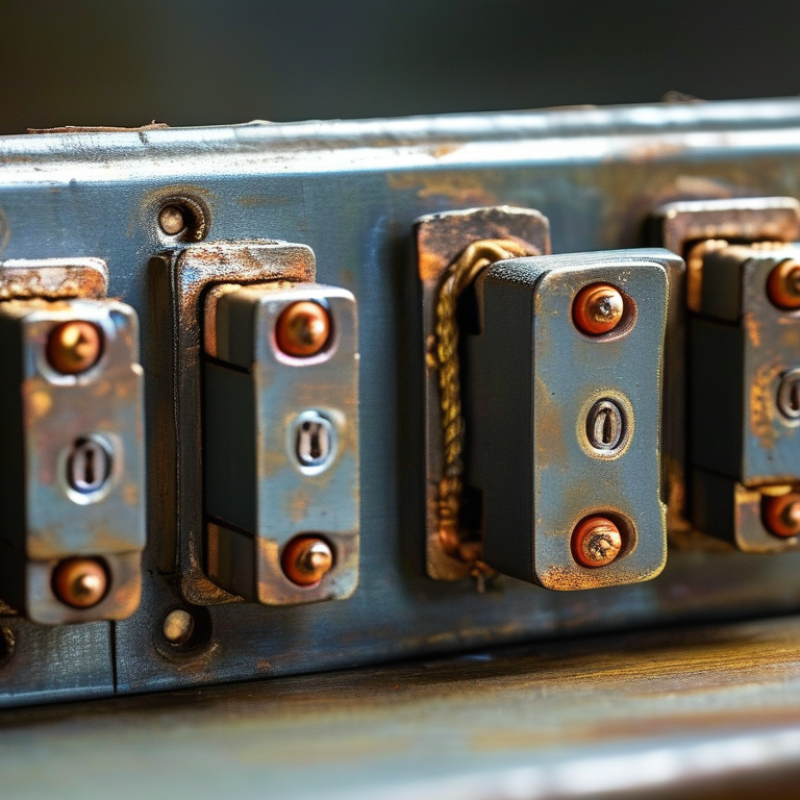
A Fuse Clamp is a small but important component in low-voltage electrical protection. It holds a fuse firmly, maintains electrical contact, and helps connect the fuse to a circuit. Inside a vehicle fuse box, control panel, or compact distribution board, its metal terminals must resist heat, vibration, and oxidation. A loose clamp can create unwanted resistance. That resistance may produce heat before the fuse responds.

Industry standards explain why its design matters. IEC 60269 defines key requirements for low-voltage fuses, including performance, temperature behavior, and safe interruption. UL 248 provides related requirements for fuse applications in North America. These standards do not treat the holder as a decorative accessory. Its contact pressure, material, spacing, and enclosure all influence the complete protection system. NFPA electrical-fire research also highlights the importance of reliable electrical connections and proper overcurrent protection.

The working principle is simple. The Fuse Clamp grips the fuse terminals and carries current through the fusible element. When excessive current raises the element’s temperature beyond its rating, the element melts and opens the circuit. The clamp then helps keep the failed fuse stable during replacement and inspection. Small part. Serious responsibility.

In practice, engineers should check the fuse rating, clamp compatibility, conductor size, and installation torque. Visual inspection alone can miss heat damage beneath the terminal. That assumption deserves checking. Market reports from Grand View Research and MarketsandMarkets continue to show demand for safer, more compact protection hardware across automotive, industrial, and renewable-energy systems. Yet market growth does not remove basic engineering limits. A Fuse Clamp must match the application, not merely fit the fuse.
What Is a Fuse Clamp and How Does It Work?

Definition and Basic Purpose of a Fuse Clamp

A fuse clamp is a small metal contact that holds a fuse firmly inside an electrical circuit. Its basic purpose is simple: maintain a stable path for current while allowing the fuse to disconnect during an overload. The clamp grips the fuse terminals through spring pressure. This contact must remain tight, clean, and correctly aligned. A loose clamp can create resistance, heat, and intermittent power loss. Small part. Serious responsibility.

In field inspections, technicians often check discoloration, weakened spring tension, corrosion, and heat damage. These signs may appear around the clamp before the fuse fails visibly. The National Fire Protection Association reported an estimated 35,150 home fires annually involving electrical distribution and lighting equipment from 2015 to 2019. The same report recorded about 470 civilian deaths and 1,100 injuries each year. These figures do not isolate fuse clamps, but they show why secure connections deserve attention (NFPA, Home Structure Fires Involving Electrical Distribution and Lighting Equipment, 2015–2019).

A properly selected clamp must match the fuse size, current rating, conductor type, and operating temperature. IEC 60269 provides the broader technical framework for low-voltage fuse systems, but installation quality still matters. In practice, not every damaged clamp looks dangerous at first. That is the difficult part. Replacing only the fuse may leave the original contact fault untouched, so trained personnel should inspect the complete holder and surrounding wiring.

Main Parts and Materials of a Fuse Clamp

What Is a Fuse Clamp and How Does It Work?

Main Parts and Materials of a Fuse Clamp

A fuse clamp is a compact electrical holder that grips a fuse and connects it to a circuit. Its main parts include two contact clips, a mounting base, and terminal points. The clips usually use tin-plated copper or copper alloy. These materials provide strong conductivity and resist surface oxidation. The base commonly uses thermoplastic materials, such as polyamide or phenolic resin. It must withstand heat, vibration, and electrical tracking.

Small parts matter.

When excessive current heats the fuse element, the element melts and opens the circuit. The clamp does not interrupt current by itself. It holds the fuse firmly and transfers current through low-resistance contact points. Loose clips can create heat, discoloration, and unstable voltage. That detail is easy to overlook during installation. According to Grand View Research, the global fuse market was valued at approximately USD 3.9 billion in 2023. The report also identifies automotive, industrial, and electronic equipment as major demand areas. This growth increases attention on reliable fuse-holder materials and connection quality.

Contact pressure is critical. Too little pressure causes resistance and hot spots. Too much pressure may damage the fuse body. Testing should include temperature-rise checks, pull-force checks, and repeated insertion cycles. IEC 60269 guidance supports evaluating fuse systems for safety and performance. Still, field conditions can differ from laboratory results. Moisture, dust, and poor tightening may reduce service life. In practice, material selection deserves the same attention as current rating.

What Is a Fuse Clamp and How Does It Work?

A fuse clamp holds a cartridge fuse securely and provides a low-resistance path for current. Its main parts commonly include conductive fuse clips, terminals, a supporting body, and an insulating barrier.

The chart compares approximate electrical conductivity values relative to annealed copper at 20°C, expressed as percent IACS. Copper alloys are typically used for current-carrying clips and terminals, tin is commonly used as a protective plating, and polyamide provides electrical insulation rather than conductivity. Actual values vary by alloy, plating thickness, temperature, and component design.

How a Fuse Clamp Connects and Protects a Circuit

What Is a Fuse Clamp and How Does It Work?

A fuse clamp connects a fuse to a circuit while keeping the electrical path stable. Its metal contacts grip the fuse terminals firmly. Current enters through one clamp, passes through the fuse element, and exits through the other clamp. Under normal conditions, this path carries the rated current with minimal resistance. During an overload or short circuit, the fuse element heats and melts. The clamp then helps isolate the failed fuse safely.

A clamp is not the fuse itself. It provides the mechanical and electrical connection. This distinction matters during installation. A loose clamp can create resistance, heat, and discoloration near the terminal. A technician should check contact pressure, wire size, insulation condition, and tightening torque. Small details matter. IEC 60127-1 specifies requirements for miniature fuses, including current ratings and performance tests. IEC 60269-1 also addresses low-voltage fuse systems and their breaking capabilities.

Protection depends on correct matching. The fuse rating should suit the conductor and expected load, not simply the appliance label. NFPA’s Fire Loss in the United States During 2023 report recorded about 1.39 million fires and approximately 22.2 billion dollars in property damage. The report covers many causes, but it shows why reliable overcurrent protection deserves attention. Still, a fuse clamp cannot correct poor wiring. That assumption needs challenging. Inspect for heat marks, loose hardware, oxidation, and incompatible fuse dimensions before energizing the circuit.

Types of Fuse Clamps and Their Common Applications

What Is a Fuse Clamp and How Does It Work?

A fuse clamp is a holder that grips a fuse and connects it to an electrical circuit. It keeps the fuse stable while allowing safe removal during inspection. When current exceeds the fuse rating, the fuse element melts and opens the circuit. The clamp remains in place. It does not normally limit current by itself.

Different fuse clamp types suit different installations. Panel-mount clamps attach through an enclosure wall and support easy access on control panels. Inline clamps sit inside a cable, making them useful for lighting circuits, small appliances, and accessory wiring. PCB fuse clamps mount directly onto circuit boards and save space in compact equipment. Battery and automotive clamps often use stronger terminals and protective covers. They must tolerate vibration, heat, and occasional moisture.

Choose the clamp by fuse size, current rating, voltage rating, and wire condition. A loose grip can create heat around the fuse. That detail is easy to miss. In practical servicing, I check for discoloration, softened insulation, and weak spring tension. The fuse may be correct, but the holder can still fail.

Tips: Disconnect power before replacing a fuse. Match the exact fuse type and rating. Never bridge the clamp with wire or metal. Keep the connection dry and firmly tightened. If the fuse blows repeatedly, inspect the circuit instead of installing a larger fuse. Safety checks can feel slow. They prevent expensive mistakes.

Safe Installation, Inspection, and Replacement Practices

A fuse clamp is a mechanical holder that grips a fuse securely inside an electrical circuit. It maintains firm metal-to-metal contact and helps prevent movement, arcing, or overheating. When excessive current flows, the fuse element melts and interrupts the circuit. The clamp does not limit current itself. Its condition still matters.

Safe installation starts with isolation. Switch off the supply, lock it where possible, and verify zero voltage with a properly rated tester. Power off. Never rely on a control switch alone. Inspect the clamp for discoloration, looseness, cracked insulation, or heat damage. A brown mark near the contact often indicates resistance and overheating. NFPA’s Home Structure Fires report found electrical distribution and lighting equipment involved in 12% of U.S. home fires from 2016–2020. That figure makes small connection faults worth serious attention.

Use only the specified fuse type, voltage rating, current rating, and interrupting capacity. Never bridge a fuse with wire or install a higher-rated replacement. Clean, light corrosion carefully, but replace clamps with weakened spring tension or pitted contacts. IEC 60269 requirements emphasize suitable fuse systems and reliable connections, although field conditions can be less tidy. My practical mistake would be assuming a visually clean clamp is electrically sound. Thermal damage may hide behind the terminal. After replacement, energize the circuit cautiously and check for abnormal heat, odor, or repeated fuse operation. Repeated failure needs qualified diagnosis.

Copyright 2025 Fluidra S.A. | Created by BCM Marketing Agencia Privacy Policy Legal note | Cookie policy |

Technical cookies are strictly necessary for our website to work and you can navigate through it. These types of cookies are those that, for example, allow us to identify you, give you access to certain restricted parts of the page if necessary, or remember different options or services already selected by you, such as your privacy preferences. Therefore, they are activated by default, your authorization not being necessary in this regard. Through the configuration of your browser, you can block or alert the presence of this type of cookies, although such blocking will affect the proper functioning of the different functionalities of our website.


The analysis cookies allow us to study the navigation of the users of our website in general (for example, which sections of the page are the most visited, which services are used most and if they work correctly, etc.). From the statistical information on navigation on our website, we can improve both the operation of the page itself and the different services it offers. Therefore, these cookies do not have an advertising purpose, but only serve to make our website work better, adapting to our users in general. By activating them you will contribute to this continuous improvement. You can enable or disable these cookies by checking the corresponding box, being disabled by default.


Functionality cookies allow us to remember your preferences, to personalize certain characteristics and general options of our website, every time you access it (for example, the language in which the information is presented to you, the sections marked as favorites, your browser type, etc.) Therefore, this type of cookies does not have an advertising purpose, but by activating them you will improve the functionality of the website (for example, adapting to your type of browser) and the customization of it based on your preferences (for example, by presenting the information in the language that you have chosen in previous occasions), which will contribute to the ease, usability and comfort of our page during your navigation. You can enable or disable these cookies by checking the corresponding box, being disabled by default.


Advertising cookies allow us to manage the advertising spaces included in our website based on criteria such as the content shown or the frequency in which the ads are displayed. For example, if you have been shown the same ad several times on our website, and you have not shown a personal interest by clicking on it, it will not appear again. In summary, by activating this type of cookies, the advertising shown on our website will be more useful and diverse, and less repetitive. You can enable or disable these cookies by checking the corresponding box, being disabled by default.


Behavioral advertising cookies allow us to obtain information based on the observation of your browsing habits and behaviors on the web, in order to show you advertising content that best suits your personal tastes and interests. To understand it in a very simple way, we will give you a fictitious example: if your last searches on the web were related to suspense literature, we would show you advertising about suspense books. Therefore, activating this type of cookies, the advertising that we show you on our website will not be generic, but will be oriented to your searches, tastes and interests, therefore adjusting exclusively to you. You can enable or disable these cookies by checking the corresponding box, being disabled by default.
To understand it in a very simple way, we will give you a fictitious example: if your last searches on the web were related to suspense literature, we would show you advertising about suspense books. Therefore, activating this type of cookies, the advertising that we show you on our website will not be generic, but will be oriented to your searches, tastes and interests, therefore adjusting exclusively to you. You can enable or disable these cookies by checking the corresponding box, being disabled by default.

SAVE

We use our own and third-party cookies to ensure the proper functioning of the website and to analyse our services, improve your experience on our website and show you advertisements related to your interests according to profiling based on your browsing habits (e.g. websites visited). You can accept all cookies by clicking "ACCEPT" or set or reject them by clicking here. If you would like to know more about the use of cookies, please see our COOKIE POLICY.


ACCEPT ALL
Reject no essentials


