
What is Valve Lockout Chain and How Does It Work?
FLUID HANDLING EXPERTS

Blog, all our news

What is Valve Lockout Chain and How Does It Work?

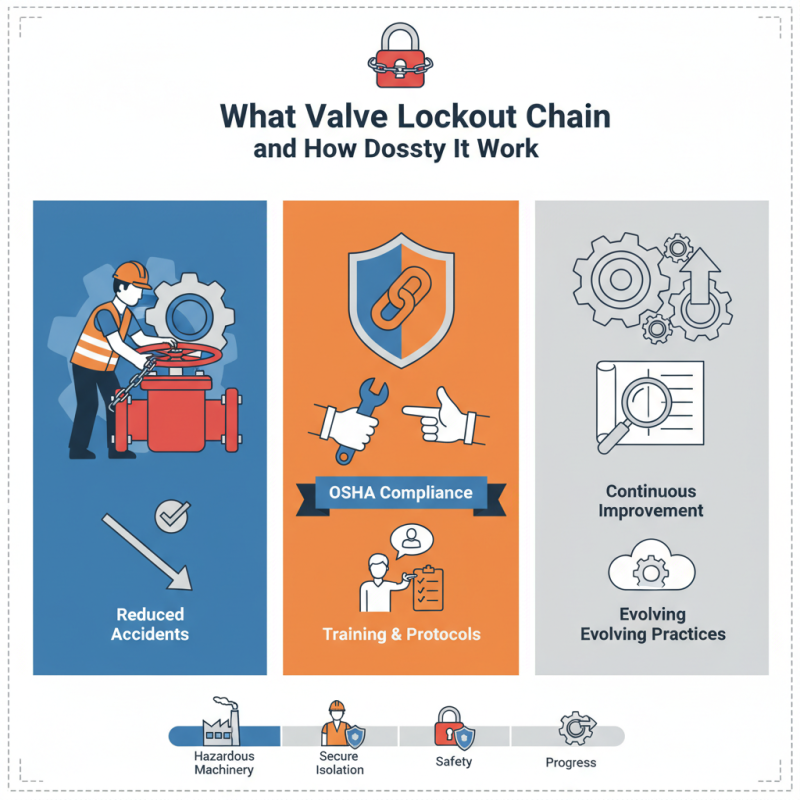
The Valve Lockout Chain is an essential tool in maintaining safety in industrial environments. According to the Occupational Safety and Health Administration (OSHA), proper lockout/tagout procedures can prevent over 120 fatalities annually. This highlights the critical role of devices like the Valve Lockout Chain in isolating hazardous machinery.

In industries where heavy machinery is prevalent, equipment malfunctions can lead to severe accidents. The Valve Lockout Chain provides a reliable method to secure valves, ensuring that no accidental movements occur during maintenance. Many companies report a significant reduction in accidents by implementing effective lockout procedures.

However, while the Valve Lockout Chain is effective, it is not foolproof. User errors can compromise safety. Regular training and clear protocols are crucial for maximizing its benefits. A focus on continuous improvement is necessary to ensure that safety measures evolve with changing industrial practices.
What is Valve Lockout Chain and How Does It Work?

Definition of Valve Lockout Chain and Its Purpose

Valve lockout chains play a crucial role in maintenance and safety protocols across various industries. Defined as a physical device used to secure valves in an off position, these chains prevent unauthorized or accidental operation. The American National Standards Institute (ANSI) highlights that adherence to lockout/tagout practices can reduce workplace accidents by up to 40%. This statistic underscores the importance of implementing robust lockout systems.

The purpose of a valve lockout chain extends beyond mere locking; it ensures proper isolation of hazardous energy sources. In a 2022 report from the Occupational Safety and Health Administration (OSHA), improper valve management was linked to numerous injuries. A valve lockout chain helps safeguard workers by eliminating the risk of sudden releases of pressurized liquids or gases. Its use serves as a vital component of a comprehensive safety strategy, improving overall workplace reliability.

However, some organizations may face challenges in adopting these safety measures. Issues may arise from insufficient training or lack of employee compliance. Companies must reflect on their current practices to identify weaknesses. Regular audits and training sessions can address these gaps. Implementing effective valve lockout solutions is not just about compliance; it can profoundly impact the safety culture within an organization.

What is Valve Lockout Chain and How Does It Work?

Feature Description Purpose
Material Made from durable materials like steel or plastic Ensures longevity and reliability in various environments
Color Coding Often available in multiple colors Facilitates easy identification of lockout devices
Compatibility Designed to fit a variety of valve types Enhances versatility in lockout situations
Application Used in industries like oil and gas, manufacturing, and construction Important for maintenance and safety procedures
Functionality Prevents accidental valve operation Protects workers from potential hazards

Components of a Valve Lockout Chain System

Valve lockout chains are critical components in safety protocols for industrial operations. They are designed to secure valves, ensuring they remain closed during maintenance or emergencies. A standard valve lockout chain system typically includes several key components. First, there’s the chain itself, which is made from durable materials resistant to corrosion and weathering. This ensures longevity and reliability in various environments.

Moreover, valve lockout systems often feature lockout tags. These tags provide crucial information about the valve status and the identity of personnel responsible for the lockout. According to the Occupational Safety and Health Administration (OSHA), proper tagging is essential for clear communication during safety procedures. Furthermore, personnel training plays a vital role in the effectiveness of a lockout chain system. Industry reports indicate that organizations implementing effective training programs can reduce workplace accidents by up to 50%.

However, challenges remain in the adoption of these systems. Many facilities may overlook aspects like regular inspections and updates of the components. Neglecting these practices can lead to failures in the lockout process, risking employee safety. It is critical for facilities to continuously assess their lockout chain systems and reinforce the importance of adherence to safety protocols. This reflects an ongoing commitment to safety, which is essential for operational success.

How a Valve Lockout Chain Operates Step by Step

A valve lockout chain is crucial for workplace safety. It ensures that valves remain securely closed during maintenance. This chain acts as a physical barrier, preventing accidental valve operation. By locking the valve in place, it protects workers from hazardous conditions.

The operation of a valve lockout chain involves several straightforward steps. Begin by identifying the valve to be locked out. Ensure the valve is fully closed and ready for maintenance. Wrap the chain around the valve and secure it. Attach a padlock to the chain. This padlock should only be accessible to authorized personnel.

Once locked, check the security of the chain. Ensure it is tight and unable to move. Regularly inspect the lockout system for wear. Sometimes, overlooked details can lead to safety risks. If it’s difficult to secure the chain, re-evaluate your method. Always prioritize effective communication among team members regarding lockout procedures. An incomplete understanding can create vulnerabilities in safety measures.

Benefits of Using a Valve Lockout Chain for Safety

Valve lockout chains are essential tools in industrial safety. They play a critical role in preventing accidental valve operation during maintenance. According to a report by the Occupational Safety and Health Administration (OSHA), lockout/tagout (LOTO) procedures have reduced workplace injuries by 29%. This showcases the significant impact these safety measures can have.

Using a valve lockout chain enhances safety by physically restraining valves. This prevents unauthorized access and ensures only trained individuals can operate the valves. A survey conducted by the National Safety Council revealed that nearly 70% of accidents could be avoided with proper lockout procedures. By implementing valve lockout chains, industries can create a safer working environment.

While the benefits are clear, challenges remain. Not all employees may be adequately trained in using these devices. Some companies overlook the need for periodic training sessions. This oversight can lead to improper use and potential safety violations. Maintaining safety protocols requires constant attention and dedication from all team members. The effectiveness of safety measures often depends on the diligence of personnel.

Common Applications of Valve Lockout Chains in Industries

Valve lockout chains play a crucial role in various industries, particularly in manufacturing and energy sectors. These chains ensure that valves remain securely locked during maintenance or repairs. They prevent accidental operation, which is vital for worker safety. In environments where hazardous materials are present, implementing a valve lockout chain minimizes risks effectively.

In chemical plants, valve lockout chains are commonly used to isolate equipment. Technicians can confidently perform their duties without fear of unexpected releases. The chains are often color-coded for visibility, allowing quick identification of the locked valve status. In water treatment facilities, they help manage the flow of water. Some facilities face challenges, like forgetting which valves are locked. This highlights the need for proper training.

These chains can also be found in oil rigs, maintaining safety during complex operations. Regular inspections and proper usage are crucial to ensure effectiveness. Sometimes, workers might overlook these procedures due to time constraints. However, the consequences of neglect can be severe. Continuous reminders and education help reinforce the importance of these safety measures.

Common Applications of Valve Lockout Chains in Industries

Copyright 2025 Fluidra S.A. | Created by BCM Marketing Agencia Privacy Policy Legal note | Cookie policy |

Technical cookies are strictly necessary for our website to work and you can navigate through it. These types of cookies are those that, for example, allow us to identify you, give you access to certain restricted parts of the page if necessary, or remember different options or services already selected by you, such as your privacy preferences. Therefore, they are activated by default, your authorization not being necessary in this regard. Through the configuration of your browser, you can block or alert the presence of this type of cookies, although such blocking will affect the proper functioning of the different functionalities of our website.


The analysis cookies allow us to study the navigation of the users of our website in general (for example, which sections of the page are the most visited, which services are used most and if they work correctly, etc.). From the statistical information on navigation on our website, we can improve both the operation of the page itself and the different services it offers. Therefore, these cookies do not have an advertising purpose, but only serve to make our website work better, adapting to our users in general. By activating them you will contribute to this continuous improvement. You can enable or disable these cookies by checking the corresponding box, being disabled by default.


Functionality cookies allow us to remember your preferences, to personalize certain characteristics and general options of our website, every time you access it (for example, the language in which the information is presented to you, the sections marked as favorites, your browser type, etc.) Therefore, this type of cookies does not have an advertising purpose, but by activating them you will improve the functionality of the website (for example, adapting to your type of browser) and the customization of it based on your preferences (for example, by presenting the information in the language that you have chosen in previous occasions), which will contribute to the ease, usability and comfort of our page during your navigation. You can enable or disable these cookies by checking the corresponding box, being disabled by default.


Advertising cookies allow us to manage the advertising spaces included in our website based on criteria such as the content shown or the frequency in which the ads are displayed. For example, if you have been shown the same ad several times on our website, and you have not shown a personal interest by clicking on it, it will not appear again. In summary, by activating this type of cookies, the advertising shown on our website will be more useful and diverse, and less repetitive. You can enable or disable these cookies by checking the corresponding box, being disabled by default.


Behavioral advertising cookies allow us to obtain information based on the observation of your browsing habits and behaviors on the web, in order to show you advertising content that best suits your personal tastes and interests. To understand it in a very simple way, we will give you a fictitious example: if your last searches on the web were related to suspense literature, we would show you advertising about suspense books. Therefore, activating this type of cookies, the advertising that we show you on our website will not be generic, but will be oriented to your searches, tastes and interests, therefore adjusting exclusively to you. You can enable or disable these cookies by checking the corresponding box, being disabled by default.
To understand it in a very simple way, we will give you a fictitious example: if your last searches on the web were related to suspense literature, we would show you advertising about suspense books. Therefore, activating this type of cookies, the advertising that we show you on our website will not be generic, but will be oriented to your searches, tastes and interests, therefore adjusting exclusively to you. You can enable or disable these cookies by checking the corresponding box, being disabled by default.

SAVE

We use our own and third-party cookies to ensure the proper functioning of the website and to analyse our services, improve your experience on our website and show you advertisements related to your interests according to profiling based on your browsing habits (e.g. websites visited). You can accept all cookies by clicking "ACCEPT" or set or reject them by clicking here. If you would like to know more about the use of cookies, please see our COOKIE POLICY.


ACCEPT ALL
Reject no essentials



