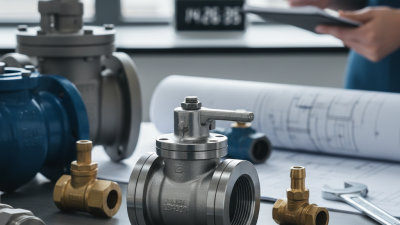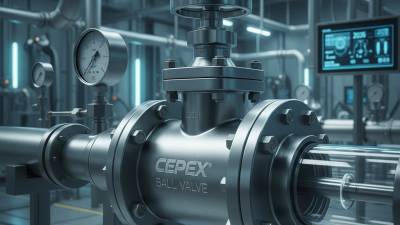
When it comes to industrial applications, understanding the types of valves is crucial. Valves control fluid flow and pressure in systems. A variety of designs exist, each suited to specific needs. The performance of your system often hinges on choosing the right valve type.
Different industries rely on different valve types. For instance, a butterfly valve is great for control, while a check valve prevents backflow. Knowing these differences can save time and money in maintenance. However, making the wrong choice can lead to inefficiencies and costly repairs.
This guide will explore the essential types of valves for buyers to consider. Whether you are a novice or an expert, recognizing these types is vital. It is also important to remain aware of evolving technologies and best practices in valve selection. Understanding these details will enhance your decision-making process.
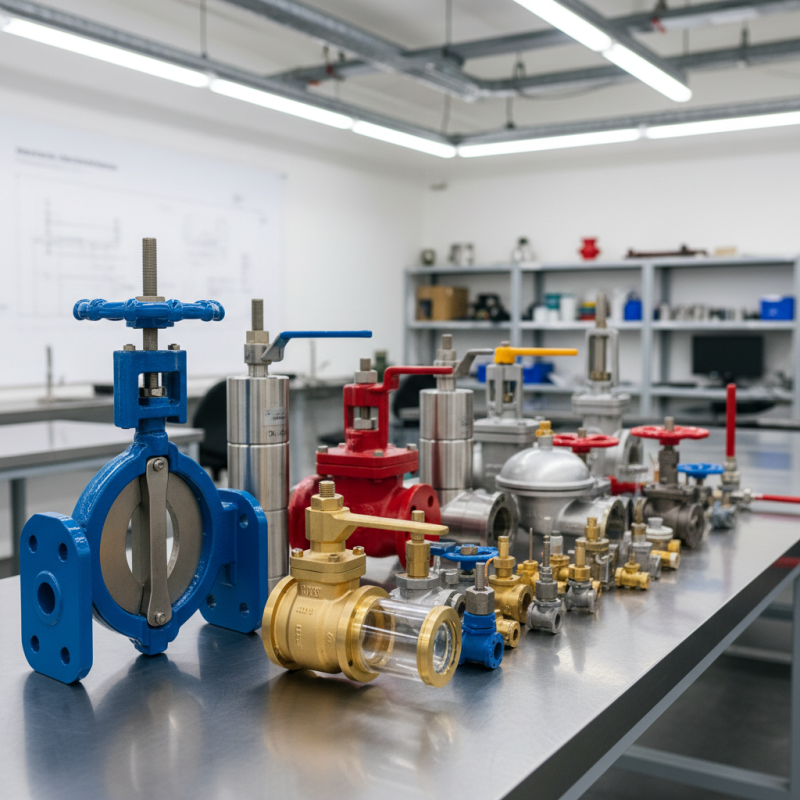
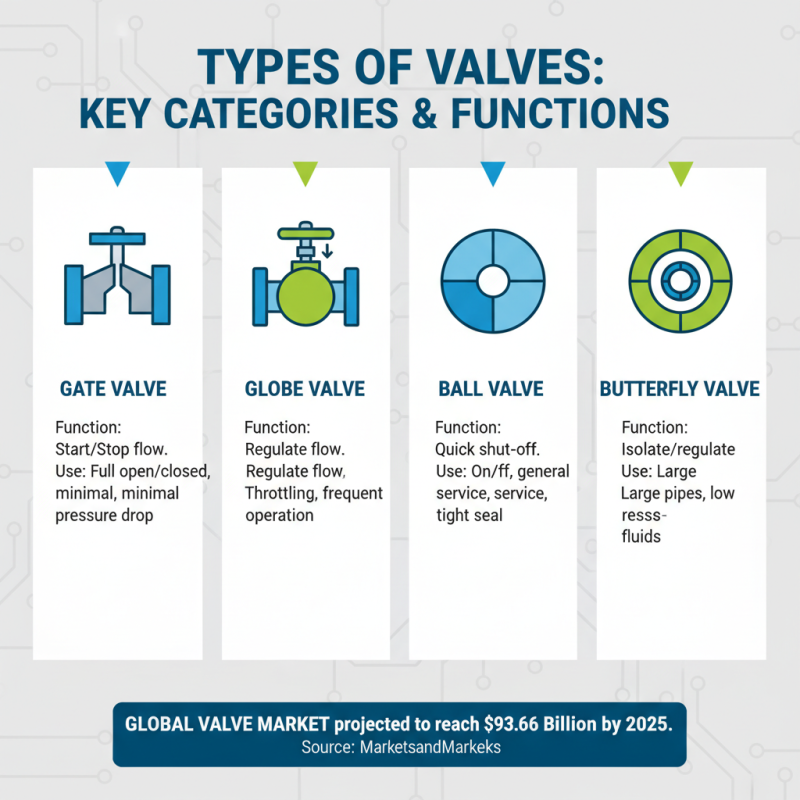
Valves are crucial components in various industries, controlling fluid flow and pressure. Understanding the main types of valves helps buyers select the most suitable options. The most common categories include gate, globe, ball, and butterfly valves. Each has unique features and applications. According to a report by MarketsandMarkets, the global valve market is projected to reach $93.66 billion by 2025, highlighting the importance of these devices.
Gate valves are primarily used for on/off control. They are designed to minimize pressure drop when fully open. Globe valves, however, are best for regulating flow. Their design allows for precise control, making them suitable for throttling applications. Ball valves offer quick shut-off and are often favored in gas and oil sectors. Butterfly valves are lightweight and compact, ideal for large volume applications.
Selecting the right valve can be complex. It involves understanding the specifics of the application and fluid characteristics. Factors such as temperature, pressure, and fluid type are critical. Industry data indicates that improper valve selection can lead to equipment failure and costly downtime. Buyers must evaluate options thoroughly to avoid potential pitfalls.
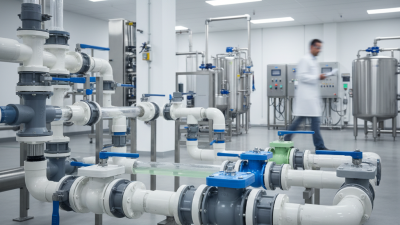
When selecting valves, understanding pressure and temperature ratings is crucial. These factors determine how a valve will perform in different conditions. Valves must handle the specific pressure levels of liquids and gases they control. High-pressure systems require robust materials and designs. If a valve cannot withstand the pressure, it may fail or leak.
Temperature plays a similar role. Each valve has a maximum temperature it can tolerate. Exceeding this can lead to deformation or operational issues. For example, a valve designed for cold water may fail in a hot steam system. Buyers must assess their specific application needs carefully. A mismatch can lead to costly downtime or even dangerous malfunctions.
It's important to consult knowledgeable professionals when making selections. The nuances of pressure and temperature ratings can be complex. Not all valves are created equal; material and design greatly influence performance. Always verify specifications and seek expert advice. This ensures that the right valve is chosen for the job. Be mindful of variations in manufacturing that can affect your decision.
When selecting a valve system, understanding the differences between manual and automated valves is crucial. Manual valves require direct human operation. Users can easily control flow rates. This hands-on approach enhances user engagement. However, it demands consistent oversight and can lead to operator fatigue.
Automated valve systems remove human error from the equation. They provide precision and efficiency. Sensors and controllers manage flow with minimal intervention. This technology reduces the need for physical presence. Nevertheless, automated systems can be complex and may require periodic calibration. Users must be aware of maintenance needs to ensure performance.
In environments with fluctuating demand, manual systems may falter. They struggle to adapt quickly to changes. On the other hand, automated systems excel in fast-paced industries. They offer reliability and consistency. Still, the initial investment in automation can be daunting. Weighing the pros and cons is essential for informed decision-making. Each option has unique implications for safety and operational efficiency.
When selecting valves, understanding the materials they are made from is crucial. Different environments can expose valves to various levels of corrosiveness. For example, stainless steel valves are often favored for their resistance to corrosion. However, they may not be the perfect choice for highly acidic environments. Choosing the right material requires careful consideration and sometimes trial and error.
Durability is another key factor when evaluating valve materials. PVC valves are lightweight and resistant to chemicals, making them ideal for some applications. Yet, they may not withstand high temperatures or extreme pressure. Users should reflect on their specific use cases. Real-world testing can reveal discrepancies between assumed and actual performance. It’s essential to prioritize material properties that align with the intended application for a reliable outcome.
This chart illustrates the distribution of various valve types categorized by their material composition, focusing on common types and their resistance to corrosiveness and durability.
When considering valve quality, industry standards and certifications play a crucial role. These benchmarks ensure that valves are manufactured to meet specific safety and performance criteria. Various organizations, like the American National Standards Institute (ANSI) and the International Organization for Standardization (ISO), establish these guidelines. Valves that comply with these standards often exhibit better reliability and durability.
Adhering to industry standards is not just about compliance; it’s about trust. Buyers can feel confident knowing that a certified valve has been rigorously tested. However, not all manufacturers prioritize these certifications. Some produce valves that might seem adequate but lack proper validation. This can lead to failures in critical systems. Purchasers should conduct thorough research on a manufacturer’s certifications before making a decision.
Certifications can also evolve, with technology advancing and industries changing. Buyers should stay informed about updates to standards. Regularly checking for compliance can be tedious, but it is essential. An unrecognized certification may raise red flags. In the complex market of valves, awareness of industry standards remains paramount for ensuring quality and safety.
| Valve Type | Application | Industry Standards | Certifications | Typical Pressure Rating |
|---|---|---|---|---|
| Ball Valve | Flow Regulation | ANSI, ASME | ISO 9001 | Up to 6000 psi |
| Gate Valve | On/Off Control | API 600 | CE Certificate | Up to 1500 psi |
| Globe Valve | Flow Regulation | ASME B16.34 | ISO 14001 | Up to 2500 psi |
| Check Valve | Prevent Backflow | API 594 | BS EN ISO 9001 | Up to 3000 psi |
| Butterfly Valve | Flow Control | API 609 | PED Certified | Up to 200 psi |

Cepex is the brand for the fluid handling market belonging to the Fluidra group. One of the leading european manufacturer of valves and fittings in thermoplastic materials.
Dedicated to the swimming pool, irrigation and industrial markets, we distribute our products worldwide with the Fluidra commercial network and presence in 46 countries with 136 sales branches.