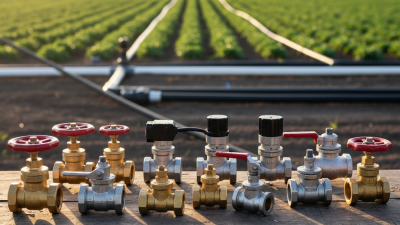
In the dynamic world of manufacturing, valves and fittings play a critical role in ensuring efficiency and reliability. According to a recent report by MarketsandMarkets, the global valves and fittings market is expected to reach $100 billion by 2025, driven by increasing demand across various industries. Industry expert Dr. Emily Thompson highlights this need, noting, "The right selection of valves and fittings is essential for operational excellence."
Selecting the right valves and fittings is more complex than it seems. Factors like material, pressure rating, and application must align perfectly. Many businesses often take shortcuts during procurement. This can lead to expensive operational setbacks. For instance, a poorly chosen valve can result in leaks or reduced performance, risking both safety and profitability.
Understanding the market landscape is crucial for effective procurement. The variety of options available can be overwhelming. With this guide, we aim to simplify the selection process, highlighting the top 10 valves and fittings widely recognized for their reliability and performance. Businesses need to approach their buying decisions carefully, considering both current and future operational needs.
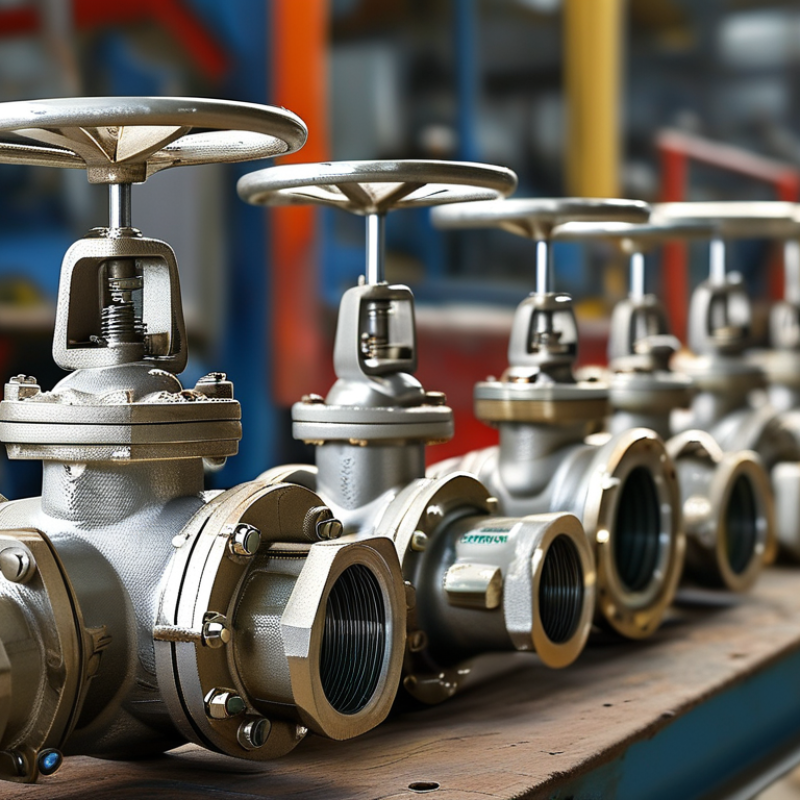
When exploring valves and fittings, understanding the various types is essential for effective procurement. Valves can be classified into several categories, such as gate, globe, ball, and butterfly. Each type serves a unique purpose in regulating flow and pressure. For instance, ball valves are known for their reliability and quick operation, making them popular in high-pressure applications. On the other hand, globe valves excel in throttling applications, providing precise flow control.
Fittings, too, come in diverse forms. Common types include elbows, tees, and couplings. Elbows help navigate changes in pipe direction, while tees allow for branching off a main line. The quality of materials used in these fittings significantly impacts their performance and lifespan. Yet, not all fittings will meet the same standards. Often, buyers struggle with ensuring compatibility, particularly when integrating new components into existing systems.
While it’s easy to focus solely on cost, the real challenge lies in balancing quality and price. Many buyers find themselves overwhelmed by options. Making an informed choice requires understanding not only specifications but also the potential impact of a poor decision. Investing time in evaluating these aspects can lead to better procurement outcomes.
| Type of Valve/Fitting | Material | Size Range (inches) | Pressure Rating (PSI) | Applications |
|---|---|---|---|---|
| Gate Valve | Carbon Steel | 2 - 12 | 150 - 600 | Oil & Gas, Water Supply |
| Ball Valve | Stainless Steel | 1/2 - 6 | 150 - 1500 | Chemical Processing, Water Treatment |
| Check Valve | Brass | 1 - 4 | 125 - 300 | Heating Systems, Pump Protection |
| Globe Valve | Ductile Iron | 2 - 10 | 150 - 600 | Fluid Control, Steam Service |
| Butterfly Valve | PVC | 2 - 48 | 150 - 400 | Water Distribution, HVAC |
| Plug Valve | Aluminum | 1 - 4 | 150 - 300 | Gas, Oil Services |
| Swing Check Valve | Cast Iron | 2 - 12 | 150 - 500 | Pumping Stations, Water Processing |
| Strainer | Stainless Steel | 1 - 8 | 150 - 300 | Filtration, HVAC Systems |
| Elbow | PVC | 1/2 - 6 | Varies | Water Supply, Piping Systems |
| Tee Fitting | Copper | 1/2 - 6 | Varies | Plumbing, HVAC |

When selecting valves and fittings, several critical factors demand attention. The material is paramount. Common options include stainless steel, bronze, and plastic. Each material suits specific environments. For instance, corrosive environments necessitate robust materials. Assess the temperature and pressure ratings too. These ratings ensure functionality and safety across various applications.
Connection types matter significantly as well. Flanged, threaded, and welded options offer different benefits. Sometimes, compatibility with existing systems is crucial. It may guide the choice of connection type. Pay attention to the valve's design, especially for specialized functions. Some models control flow precisely, while others merely serve as stop valves.
Quality assurance is often overlooked. It's essential to verify product certifications and manufacturability. Production errors can lead to failures, resulting in downtime. Consider the supplier's track record. Reputation can be an indicator of reliability. A knowledgeable supplier can provide insights, enhancing decision-making. However, not all suppliers are equal. Researching potential suppliers is an investment in future success.
When it comes to procuring valves and fittings, identifying top brands and manufacturers is essential. This procurement process can greatly impact the efficiency and reliability of industrial operations. Elite manufacturers offer products that span various industries, from oil and gas to water treatment. These brands are renowned for their quality, but not all have the same effectiveness in every application.
Crafting a successful procurement strategy requires attention to detail. Evaluate every supplier's certifications and reputation in the industry carefully. Consider their history of products and customer support. Many buyers overlook the importance of after-sales service. This element can be crucial when facing installation issues or product failures.
Testing samples from various manufacturers can reveal performance variances. Analyze how each valve or fitting operates under specific conditions. Making assumptions can lead to costly mistakes. Engage in thorough market research to garner insights about potential vendors. Use this data to inform your purchasing decisions, prioritizing reliability and service. An informed buyer is a valuable asset to any organization in the subject of procurement.
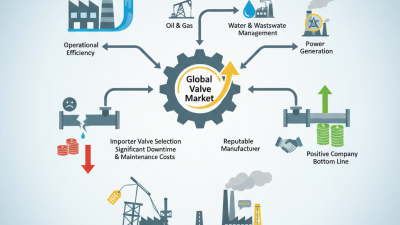
This chart illustrates the procurement volume of various types of valves and fittings based on recent market analysis. The data showcases the significant categories in the global procurement landscape.
When it comes to sourcing valves and fittings, global procurement strategies are essential. Understanding the market landscape can give businesses a significant advantage. First, identify the specific requirements of your project. This means knowing the type of fluid these components will handle. The application will dictate the material and specifications needed.
Research your suppliers thoroughly. Look for manufacturers with a robust reputation. Analyze their certifications and quality assurance processes. A reliable supplier should have a history of meeting international standards. They should also provide transparency throughout the procurement process. This includes sharing data on material specifications and testing results.
Don't underestimate the importance of communication. Engage with suppliers to clarify your needs and expectations. Misunderstandings can lead to costly errors. Regular check-ins can help ensure that you stay on track with delivery and quality.
Consider these insights: Always have a backup supplier ready. Market fluctuations can lead to delays, and alternative sources will help mitigate risks. Understanding your supply chain from end to end can further enhance reliability. The global market for valves and fittings is complex, requiring careful navigation. Building strong relationships with suppliers fosters trust, ultimately benefiting your sourcing strategies.
In the world of valves and fittings, quality is paramount. Buyers need to understand what makes a product reliable. Various standards govern the manufacturing processes, including ISO and API certifications. These ensure that the products meet international requirements. Investing time in evaluating these certifications can save money and reduce risks in the long run.
Another critical factor is material selection. The right materials enhance durability, especially in extreme conditions. Buyers often overlook the importance of corrosion resistance and pressure ratings. Without proper evaluation, they risk equipment failures and costly downtimes. Understanding these aspects requires expertise.
It's also vital to consider vendor reputation. A manufacturer’s history in adherence to quality standards can provide insights into reliability. Buyers should actively seek reviews and testimonials. A good reputation may not guarantee perfection, but it often indicates a commitment to quality. Caution is key in procurement decisions. Be prepared to ask tough questions.

Cepex is the brand for the fluid handling market belonging to the Fluidra group. One of the leading european manufacturer of valves and fittings in thermoplastic materials.
Dedicated to the swimming pool, irrigation and industrial markets, we distribute our products worldwide with the Fluidra commercial network and presence in 46 countries with 136 sales branches.