
When selecting a Push Pull Connector & Cable, understanding your specific needs is crucial. This choice can impact the performance and reliability of your project. The right connector ensures a stable connection, while the cable facilitates efficient data transfer. Each application may require different specifications, making the selection process challenging.
Consider factors like the environment in which these components will operate. Will they face extreme temperatures or moisture? Understanding these conditions can guide your choices. The material of the connector and cable can also affect durability and effectiveness. If you overlook this detail, it could lead to failures down the line.
Do you feel overwhelmed by the variety of options available? It’s normal to have uncertainty. Consult with experts or read reliable resources to gain better insight. Remember, the effectiveness of your Push Pull Connector & Cable can significantly influence project success. Prioritize quality over cost to ensure long-term reliability.
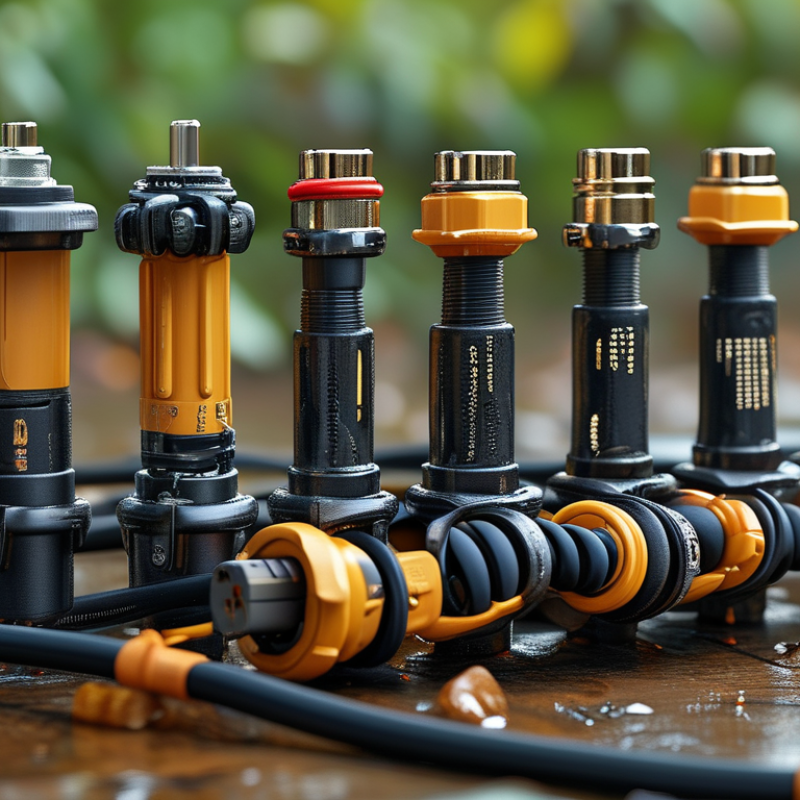
Push-pull connectors serve a crucial role in various electronic applications, known for their secure connection and ease of use. These connectors typically feature a simple locking mechanism that can withstand harsh conditions. Industry reports indicate that the global push-pull connector market is projected to grow at a CAGR of 6.5% through 2027. This growth reflects the increasing demand for efficient and robust connectivity solutions across sectors.
Selecting the right push-pull connector requires careful consideration of material and design. Many connectors are made from durable plastics and metals, which enhance resistance to environmental factors like moisture and temperature variations. Testing from leading organizations shows that connectors designed with precision can endure over 1,000 mating cycles without significant degradation. However, not all connectors meet the same standards. It is essential to assess the manufacturer's performance records to ensure reliable connections.
Connectivity challenges remain prevalent in several industries. For instance, in medical applications, the failure of a connector can result in serious complications. Thus, cross-referencing industry standards like IEC 61076 can help determine compliance. Users need to approach this selection process methodically. Reflecting on past selections can reveal whether costs were prioritized over quality. Balancing budget constraints with the necessity for reliability is critical in making informed decisions.

Choosing the right push-pull connector and cable can significantly impact your project's success. When selecting cables, a few key factors demand your attention. Cable length, for instance, is crucial. A mismatch in length can lead to inefficient data transfer or power loss. According to industry studies, increasing cable length beyond recommended limits can result in a loss of signal integrity up to 20%. This can severely undermine overall system performance.
Another critical factor is the electrical specifications of the cable. Understanding voltage and current ratings is vital to avoid overheating. Reports indicate that using cables rated improperly can lead to failure rates as high as 30% in certain applications. Making sure your cables match the necessary specifications ensures safety and reliability.
Environmental conditions also play a role. Cables exposed to extreme temperatures or humidity can degrade quickly. A report from a leading electrical engineering firm highlights that nearly 25% of premature cable failures are due to adverse conditions. Selecting cables with the right materials for your environment is essential for long-term performance. All these factors may seem overwhelming but understanding them helps in reducing errors and enhancing project outcomes.
When selecting push pull connectors and cables, compatibility is paramount. The right match enhances performance and reliability. According to a recent industry report, approximately 35% of connectivity issues stem from mismatched connectors and cables. This highlights the critical need for precise alignment in specifications. Key factors include voltage ratings, current capacity, and mechanical fit. Evaluating these aspects can prevent costly failures in applications ranging from automotive to industrial automation.
Different environments impose unique demands. For instance, connectors may need to withstand extreme temperatures or chemical exposure. A study found that connectors rated for severe conditions can last up to 50% longer than standard models. This longevity directly relates to matching the right cable with the connector. Ignoring these criteria can lead to unexpected downtime and excessive maintenance costs.
Industry experts recommend consulting detailed specification sheets. These documents typically include information about sealing, locking mechanisms, and materials used. Fortifying choices with such data may reduce the likelihood of errors. Precision in connector-cable matching is also linked to overall system efficiency. Inconsistent connections can result in lower signal integrity and increased data loss. Careful assessment of compatibility ensures optimal operation and performance.
| Connector Type | Cable Compatibility | Maximum Current Rating (A) | Number of Contacts | Recommended Insulation Material |
|---|---|---|---|---|
| Circular Connector | Compatible with shielded and unshielded cables | 10 | 3 | PVC |
| Rectangular Connector | Only supports flat ribbon cables | 5 | 10 | Polyamide |
| Hybrid Connector | Compatible with power and signal cables | 15 | 6 | Thermoplastic Elastomer |
| Module Connector | Works with modular cables only | 8 | 4 | Polycarbonate |
Selecting the appropriate push pull connector and cable requires careful consideration of environmental conditions. Many industries face unique challenges that can impact connector durability. In environments with extreme temperatures, connectors may need to withstand fluctuations between -40°C and +85°C. A report from the International Electrotechnical Commission shows that connectors rated for such extremes significantly reduce failure rates.
Moisture and contaminants present additional challenges. A study by the Institute of Electrical and Electronics Engineers indicates that connectors exposed to humidity can corrode, leading to electrical failures. In fact, corrosion-related issues account for approximately 30% of all connection failures. Ensuring connectors have proper sealing and designed to resist moisture is essential for longevity.
Another factor to assess is mechanical stress. Connectors often experience pull and push forces in active environments. Reports suggest that connectors exceeding their rated mechanical loads can suffer physical damage. Designers must understand these stresses and select products that can withstand them. Quality analysis shows that connectors with higher tensile strength offer improved durability, reducing maintenance needs over time.
When it comes to installing and using push-pull connectors, attention to detail is crucial. A recent industry report indicates that over 30% of connector failures stem from improper installation. Ensuring that connections are secure and free from contaminants is essential for optimal performance. Regularly inspecting connectors can prevent unexpected downtime and costly repairs.
Use the correct tools for installation. Mismatched tools may damage the connectors, leading to poor connections. Follow the manufacturer's guidelines closely for torque settings. Inadequate torque not only affects performance but can also void warranties.
Ensure that all cables are suited for the specific application. Utilizing connectors that handle voltage ratings beyond your requirements can lead to overheating. It's important to select cables that demonstrate robust insulation and shielding to enhance durability. A study has shown that 40% of failures occur due to environmental factors such as moisture and temperature fluctuation. Consider environmental ratings when choosing your connectors and cables to minimize risks.

Cepex is the brand for the fluid handling market belonging to the Fluidra group. One of the leading european manufacturer of valves and fittings in thermoplastic materials.
Dedicated to the swimming pool, irrigation and industrial markets, we distribute our products worldwide with the Fluidra commercial network and presence in 46 countries with 136 sales branches.


