In today's increasingly interconnected market, fluid fittings are crucial for various industries, from automotive to aerospace. Reports show that the global fluid fittings market is projected to reach USD 20.2 billion by 2026, highlighting its importance. China, known for its robust manufacturing capabilities, plays a significant role in this landscape.
Many global buyers turn to Chinese suppliers for their high-quality fluid fittings. The country hosts numerous manufacturers that offer a range of innovative products, tailored to meet diverse needs. Some industry experts have noted that the rapid growth of the automotive sector in China is driving demand for these fittings, contributing to market expansion.
However, challenges still exist. Quality control remains a concern for some buyers. Not all suppliers adhere to stringent international standards, which can lead to reliability issues. Solutions are available, but purchasers must conduct thorough research. Establishing partnerships with reputable suppliers is essential for ensuring quality and consistent performance in fluid fittings.
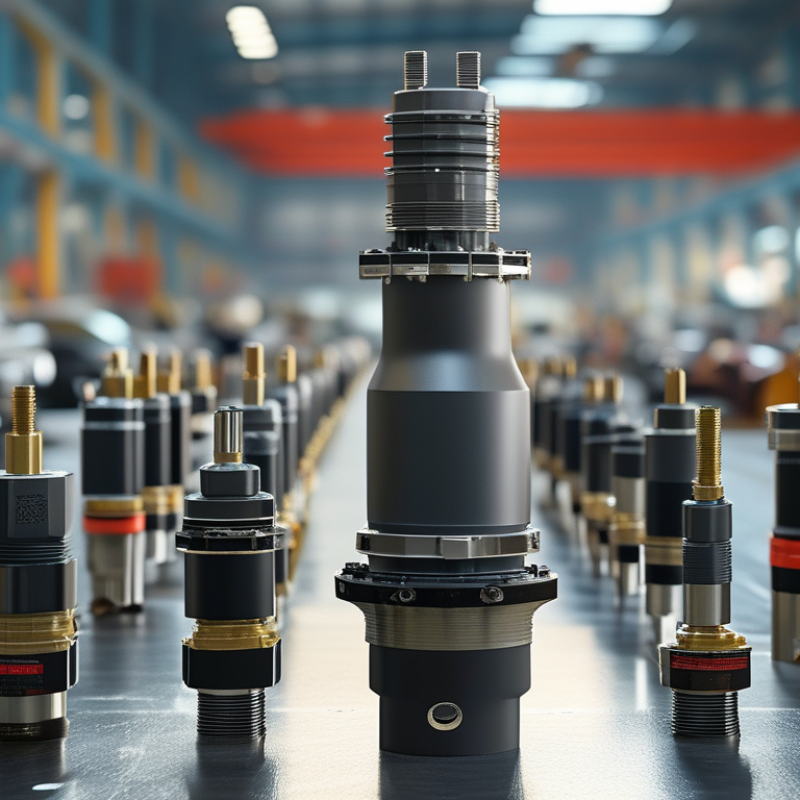
The fluid fittings market in China is rapidly evolving. Its growth is fueled by increasing industrial applications and rising infrastructure projects. As businesses expand globally, the demand for reliable fluid fittings has surged. Chinese suppliers are emerging as key players in this competitive landscape.
Quality assurance is critical in this sector. Many suppliers face challenges in maintaining consistent standards. Customers should prioritize partners with comprehensive quality control systems. This ensures that products meet international specs.
Tips: Always request certifications before purchasing. Verify if the supplier has a proven track record. This prevents issues with product quality. Inquire about their testing processes for added assurance.
The landscape also shows significant price competition. Buyers may find it tempting to opt for the lowest cost. However, quality should remain a priority. Low prices can sometimes signal compromised materials or manufacturing practices. Conduct thorough research to identify reputable suppliers.
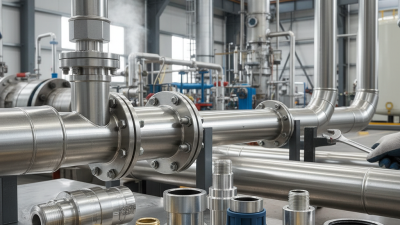
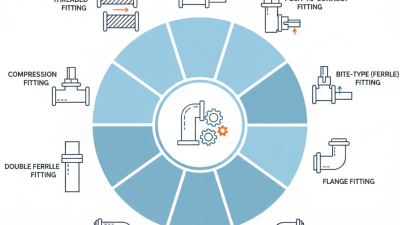
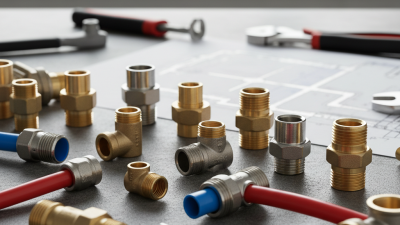
The Chinese fluid fittings industry plays a crucial role in global supply chains. Many key players specialize in producing different types of fittings. These components are essential for a variety of applications, from industrial machinery to plumbing systems. Reliable suppliers offer a range of materials, including stainless steel and plastic options. Their expertise guarantees that customers receive durable and effective products.
Several companies have established themselves as leaders through innovation and quality. Many focus on rigorous testing to ensure compliance with international standards. However, not all suppliers meet these expectations. Buyers must conduct thorough research to identify dependable partners. Reading reviews and seeking testimonials can provide insights into a supplier’s reliability.
Additionally, trade shows and exhibitions can showcase a company's capabilities. Engaging directly with manufacturers helps build a clearer understanding of their operations. This interaction can reveal strengths and weaknesses that databases might not show. In the fast-paced market, adaptability to changing demands is essential. Suppliers must continuously refine their products and services to stay competitive.
Selecting the right fluid fittings supplier in China requires careful consideration. Firstly, evaluate the supplier’s industry experience and expertise. A supplier with over five years in the market typically demonstrates reliability. According to a recent industry analysis, more than 70% of top-performing suppliers have extensive backgrounds in fluid dynamics.
Quality assurance is another critical factor. Check if the supplier adheres to international standards, such as ISO 9001. Suppliers that prioritize quality often show certifications prominently. Remember, products must pass stringent testing procedures to ensure safety. Tips: Always request test reports when negotiating contracts.
Pricing can be a double-edged sword. Lower costs may indicate inferior materials. The global market for fluid fittings is expected to grow significantly, with an estimated CAGR of 5.3% from 2022 to 2027, according to reports. Be wary of suppliers offering steep discounts. This might imply hidden costs later on. Take your time to compare multiple options.
Lastly, consider communication and customer service. A supplier who responds promptly demonstrates professional commitment. Building a solid relationship can lead to better support during emergencies. Many buyers have reflected on poor communication experiences. They recommend establishing clear channels before finalizing any deals.
Sourcing fluid fittings from China offers a blend of benefits for global buyers. The manufacturing capacity in China is immense. Factories operate with advanced technology and skilled labor. As a result, the production cost is lower. This means buyers can enjoy significant savings without compromising on quality.
While the advantages are clear, some challenges may arise. Communication barriers can lead to misunderstandings. Quality control is another concern. It’s vital to conduct thorough inspections before finalizing orders.
Tips for effective sourcing include establishing clear specifications. This practice minimizes errors. Additionally, consider requesting samples before making bulk purchases. This can help gauge the quality firsthand. Finally, investing time to build relationships with suppliers can lead to better service and support. Engaging with reputable suppliers will enhance reliability and trust.
The fluid fittings supply chain in China is rapidly evolving. Increased demand for high-quality fittings is reshaping the industry landscape. Manufacturers are focusing on sustainable production practices to meet global standards. This shift is driven by environmental concerns and the need for efficient resource management.
Innovation plays a crucial role in the sector. New materials and technologies are being introduced to enhance product durability and performance. However, not all suppliers have adapted quickly. Some still rely on traditional methods, risking their competitiveness. The gap in technological adaptation creates opportunities for buyers to choose wisely.
As the market grows, so do challenges. Quality control remains a significant issue. Variability in manufacturing can lead to inconsistencies in product performance. Buyers need to carefully evaluate suppliers for reliability. Thorough background checks can help avoid potential pitfalls in procurement. A proactive approach is essential for securing high-quality fluid fittings in this dynamic market.

Cepex is the brand for the fluid handling market belonging to the Fluidra group. One of the leading european manufacturer of valves and fittings in thermoplastic materials.
Dedicated to the swimming pool, irrigation and industrial markets, we distribute our products worldwide with the Fluidra commercial network and presence in 46 countries with 136 sales branches.