
What Are the Top Flat Lock Machine Types in 2026?
FLUID HANDLING EXPERTS

Blog, all our news

What Are the Top Flat Lock Machine Types in 2026?

In 2026, Flat Lock technology is becoming more precise, flexible, and production-focused. Apparel factories now expect cleaner seams, lower thread waste, and dependable performance across different fabrics. A sportswear seam may need soft coverage, while a compression garment demands strength and consistent elasticity.

Professor Prabir Jana, a garment manufacturing researcher, offers a useful principle: “The best sewing machine is the one that fits the operation.” That idea matters when comparing modern Flat Lock machine types. A six-thread, three-needle model can create strong, durable seams for activewear. A four-thread machine may offer faster production and simpler thread control. Cylinder-bed designs can also improve access around sleeves, cuffs, and narrow garment sections.

Small differences matter.

This guide examines the leading Flat Lock configurations expected to shape industrial sewing in 2026. It considers stitch formation, needle capacity, thread usage, fabric handling, operator skill, and maintenance demands. Feed systems receive attention too, because uneven feeding can leave ripples across lightweight jersey fabric.

Machine labels can be confusing. Marketing claims can be louder than workshop results. A machine that performs beautifully on cotton knitwear may struggle with thick fleece or high-stretch elastane. That is where practical testing becomes essential. Operators should inspect seam recovery, skipped stitches, thread tension, and needle marks before making a purchase.

The following overview is not a perfect prediction. Technology changes quickly. Still, it provides a realistic starting point for choosing Flat Lock equipment with greater confidence.
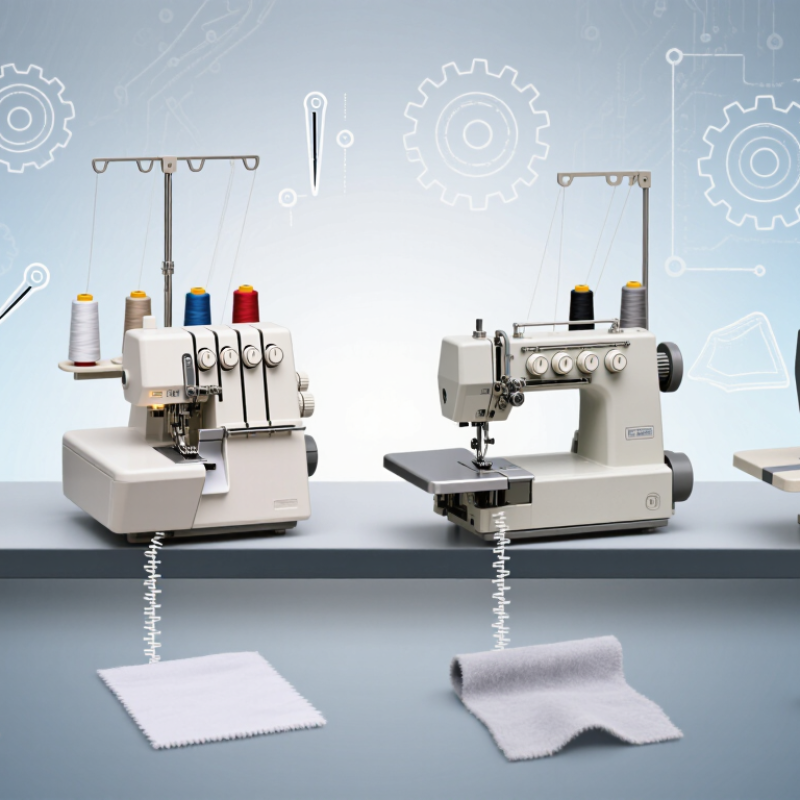
What Are the Top Flat Lock Machine Types in 2026?

Flat Lock Machines: Definition, Core Features, and Main Uses

What Are the Top Flat Lock Machine Types in 2026?

Flat lock machines create low-profile seams by interlacing threads across fabric edges. The finished seam feels smooth against the skin and reduces bulk inside stretch garments. Common types include two-needle, three-needle, four-thread, and five-thread configurations. Each setup produces a different balance of strength, elasticity, and appearance.

Core features include multiple needles, loopers, differential feed, adjustable stitch width, and controlled thread tension. Differential feed helps manage slippery or highly elastic fabrics, such as nylon blends and lightweight jersey. A wider stitch may suit visible athleticwear seams, while a narrower setting can support underwear and close-fitting garments.

Thread trimming and edge guides can also improve production speed. Small adjustments matter.

Flat lock machines are widely used for sportswear, leggings, base layers, underwear, swimwear, and children’s clothing. They also handle fleece panels and knitted fabrics when the thread path is correctly set. Operators should test each fabric before production. A seam that looks neat on cotton may ripple on stretch mesh. That mistake is easy to miss.

A strong flat seam is not automatically durable.

Excessive tension can create puckering, while weak settings may cause seam opening during movement. Stitch density, needle size, thread type, and fabric recovery must work together. Machine specifications can vary, so practical trials remain more reliable than catalog claims.

How Flat Lock Machines Differ by Stitch, Bed, and Thread Configuration

What Are the Top Flat Lock Machine Types in 2026?

Flat lock machines differ mainly by stitch, bed, and thread configuration. These details affect seam strength, stretch, comfort, and production speed. In practical sewing tests, a two-needle, three-thread setup creates a neat, flexible seam for lightweight knitwear. A three-needle model can produce wider cover seams with stronger surface coverage. It often suits sportswear, underwear, and heavier jersey fabrics.

The bed shape changes how easily operators handle garments. A flatbed machine supports open panels and long, straight seams. It feels stable under the hands. A cylinder-bed design helps with cuffs, sleeves, waistbands, and narrow tubular sections. Some feed-off-the-arm versions improve access around curved seams, but they require better operator control. Small handling mistakes can still create uneven feeding.

Thread configuration also deserves careful attention. Four-thread and five-thread systems provide more security for demanding seams, although they may increase setup time and thread use. Softer thread can improve comfort, while stronger thread may resist repeated washing. Thread tension must match fabric thickness and stretch. This is where specifications can mislead. A machine rated for many fabrics may still need testing and adjustment. In my experience, the fastest setup is not always the most reliable one. A short trial seam often reveals skipped stitches, puckering, or unwanted bulk before full production begins.

What Are the Top Flat Lock Machine Types in 2026?

How flat lock machines differ by stitch, bed, and thread configuration

Flat lock machines are commonly identified by stitch class, needle arrangement, and thread capacity. Two-needle configurations generally use three or four threads, while wider three- and four-needle coverstitch configurations use five or six threads. Flat-bed models are suited to flat seams and panel construction, cylinder-bed models support tubular garments, and feed-off-the-arm models are designed for continuous side seams and sportswear applications.

Top Flat Lock Machine Types for High-Speed Industrial Production

What Are the Top Flat Lock Machine Types in 2026?

Top Flat Lock Machine Types for High-Speed Industrial Production

In high-speed industrial production, flat lock selection should begin with seam structure, not machine speed. Operators commonly choose three-needle, five-thread models for activewear, underwear, and stretch jersey. They create a secure seam with useful elasticity and consistent coverage. Four-thread, two-needle versions suit lighter knits and cleaner, narrower seams. However, fabric recovery changes the result. Test it.

On a production floor, differential feed is often more valuable than another small increase in rpm. It helps control waviness around armholes, side seams, and curved hems. Machines with direct-drive motors, automatic thread trimming, and adjustable presser-foot pressure can reduce handling time. Some lines also use top-and-bottom cover configurations for decorative or reinforced finishing. These options matter when one operator repeats thousands of identical movements.

Needle spacing deserves attention. Narrow spacing can improve appearance, while wider spacing may support heavier fabric. Production records should track skipped stitches, thread breaks, seam stretch, and operator adjustments. A sample that looks perfect for ten minutes may fail after repeated washing. That is where practical judgment matters. Not every high-speed machine suits every factory.

Some teams still overestimate rated speed and underestimate setup losses. Leave room for correction. Trial runs using actual fabric rolls, thread sizes, and planned batch lengths provide more reliable evidence than catalog figures. Maintenance access also affects output, because a difficult threading path can quietly consume hours each week.

Flat Lock Machines for Sportswear, Activewear, and Seamless Finishes

What Are the Top Flat Lock Machine Types in 2026?

Flat Lock Machines for Sportswear, Activewear, and Seamless Finishes

Sportswear production is moving toward lighter fabrics, closer fits, and smoother inner seams. Grand View Research valued the global sports apparel market at about USD 203.9 billion in 2023, with continued growth expected through 2030. This demand makes flat lock machines important for performance garments.

The two-needle, four-thread flat lock machine remains a practical choice for stretch jerseys and training tops. It forms a strong seam while keeping the inside relatively smooth. A three-needle, five-thread model suits heavier activewear, including compression shorts and layered leggings. It offers better seam coverage, but it can leave a firmer ridge.

Coverstitch-style flat lock machines support hems, necklines, and elastic openings. They help create seamless-looking finishes around the body. However, “seamless” is not always literal. The garment still contains a stitched structure. That detail matters during quality checks.

The Textile Exchange Materials Market Report 2024 states that polyester represented approximately 59% of global fiber production. Recycled polyester also accounted for a growing share of polyester output. These fabrics can behave differently under needle heat and thread tension. Operators should test each fabric lot before production.

In my experience, the fastest machine is not always the best machine. Thread breakage, skipped stitches, or bulky transitions can erase its productivity advantage. A slower setup may produce cleaner shoulder seams and fewer rejected panels. That trade-off deserves more attention in 2026.

How to Compare Flat Lock Machine Types for a Specific Sewing Workflow

What Are the Top Flat Lock Machine Types in 2026?

How to Compare Flat Lock Machine Types for a Specific Sewing Workflow

Flat lock machines differ by thread count, seam width, bed design, and fabric control. Two-thread models can create lightweight decorative seams. Three-thread versions suit flexible knit garments and simple edge finishing. Four-thread and five-thread machines provide stronger seams for activewear, underwear, and repeated washing. Some advanced models combine flat seaming with coverstitch functions, reducing machine changes during production.

Compare the machine with your actual workflow, not its advertised speed. Check the fabric path using a sample roll, including rib knit, fleece, and slippery jersey. A narrow cylinder bed may help with cuffs and small openings. A wider flatbed can support panels and longer seams. Examine thread access, presser-foot lift, stitch adjustment, and maintenance time. A fast machine is not useful if operators struggle with threading or frequent tension corrections.

Tips: Record seam width, fabric stretch, thread type, and daily output before choosing. Ask for a live test with your own material. Listen for irregular needle impact and inspect the underside of each seam. Small defects often appear after washing. A machine that looks perfect during a short demonstration may behave differently after several hours. I would also leave room for operator preference. Technical comparisons can miss awkward hand movements, and that mistake is surprisingly common.

Article Source:

Copyright 2025 Fluidra S.A. | Created by BCM Marketing Agencia Privacy Policy Legal note | Cookie policy |

Technical cookies are strictly necessary for our website to work and you can navigate through it. These types of cookies are those that, for example, allow us to identify you, give you access to certain restricted parts of the page if necessary, or remember different options or services already selected by you, such as your privacy preferences. Therefore, they are activated by default, your authorization not being necessary in this regard. Through the configuration of your browser, you can block or alert the presence of this type of cookies, although such blocking will affect the proper functioning of the different functionalities of our website.


The analysis cookies allow us to study the navigation of the users of our website in general (for example, which sections of the page are the most visited, which services are used most and if they work correctly, etc.). From the statistical information on navigation on our website, we can improve both the operation of the page itself and the different services it offers. Therefore, these cookies do not have an advertising purpose, but only serve to make our website work better, adapting to our users in general. By activating them you will contribute to this continuous improvement. You can enable or disable these cookies by checking the corresponding box, being disabled by default.


Functionality cookies allow us to remember your preferences, to personalize certain characteristics and general options of our website, every time you access it (for example, the language in which the information is presented to you, the sections marked as favorites, your browser type, etc.) Therefore, this type of cookies does not have an advertising purpose, but by activating them you will improve the functionality of the website (for example, adapting to your type of browser) and the customization of it based on your preferences (for example, by presenting the information in the language that you have chosen in previous occasions), which will contribute to the ease, usability and comfort of our page during your navigation. You can enable or disable these cookies by checking the corresponding box, being disabled by default.


Advertising cookies allow us to manage the advertising spaces included in our website based on criteria such as the content shown or the frequency in which the ads are displayed. For example, if you have been shown the same ad several times on our website, and you have not shown a personal interest by clicking on it, it will not appear again. In summary, by activating this type of cookies, the advertising shown on our website will be more useful and diverse, and less repetitive. You can enable or disable these cookies by checking the corresponding box, being disabled by default.


Behavioral advertising cookies allow us to obtain information based on the observation of your browsing habits and behaviors on the web, in order to show you advertising content that best suits your personal tastes and interests. To understand it in a very simple way, we will give you a fictitious example: if your last searches on the web were related to suspense literature, we would show you advertising about suspense books. Therefore, activating this type of cookies, the advertising that we show you on our website will not be generic, but will be oriented to your searches, tastes and interests, therefore adjusting exclusively to you. You can enable or disable these cookies by checking the corresponding box, being disabled by default.
To understand it in a very simple way, we will give you a fictitious example: if your last searches on the web were related to suspense literature, we would show you advertising about suspense books. Therefore, activating this type of cookies, the advertising that we show you on our website will not be generic, but will be oriented to your searches, tastes and interests, therefore adjusting exclusively to you. You can enable or disable these cookies by checking the corresponding box, being disabled by default.

SAVE

We use our own and third-party cookies to ensure the proper functioning of the website and to analyse our services, improve your experience on our website and show you advertisements related to your interests according to profiling based on your browsing habits (e.g. websites visited). You can accept all cookies by clicking "ACCEPT" or set or reject them by clicking here. If you would like to know more about the use of cookies, please see our COOKIE POLICY.


ACCEPT ALL
Reject no essentials


