Top 10 Electric Panel Box Types for Global Buyers
FLUID HANDLING EXPERTS

Blog, all our news

Top 10 Electric Panel Box Types for Global Buyers

Choosing the right Electric Panel Box is a practical decision, not a simple product comparison. Global buyers must consider voltage, current capacity, enclosure material, installation location, and local electrical requirements. A compact residential load center may suit an apartment, while a stainless-steel enclosure may better protect controls in a coastal or industrial environment. Small details matter.

Mike Holt, a respected electrical safety educator, often reminds professionals, “Safety is not expensive, it’s priceless.” That principle should guide every panel selection. A reliable box needs more than a strong-looking door. It should provide suitable insulation, secure cable entry, adequate ventilation where required, and clear circuit identification. Buyers should also verify ingress protection ratings, short-circuit capacity, grounding arrangements, and compatibility with breakers or other internal components. Marketing claims can sound convincing. Technical documents deserve more trust.

This guide examines ten Electric Panel Box types used by residential, commercial, and industrial buyers worldwide. It considers distribution boards, consumer units, weatherproof panels, modular enclosures, motor control panels, and other common designs. Each type has a useful role, but none is perfect. A budget-friendly model may offer limited expansion space. A heavy-duty enclosure may increase shipping weight and installation cost. Those trade-offs are easy to overlook.

Experience from real projects shows that climate, maintenance access, and future load growth often influence performance more than appearance. Still, product selection cannot replace a qualified electrical assessment. Standards and installation practices vary by region. Buyers should confirm requirements with certified professionals before purchase.
Top 10 Electric Panel Box Types for Global Buyers

Electric Panel Box Types and Their Core Functions

Electric Panel Box Types and Their Core Functions

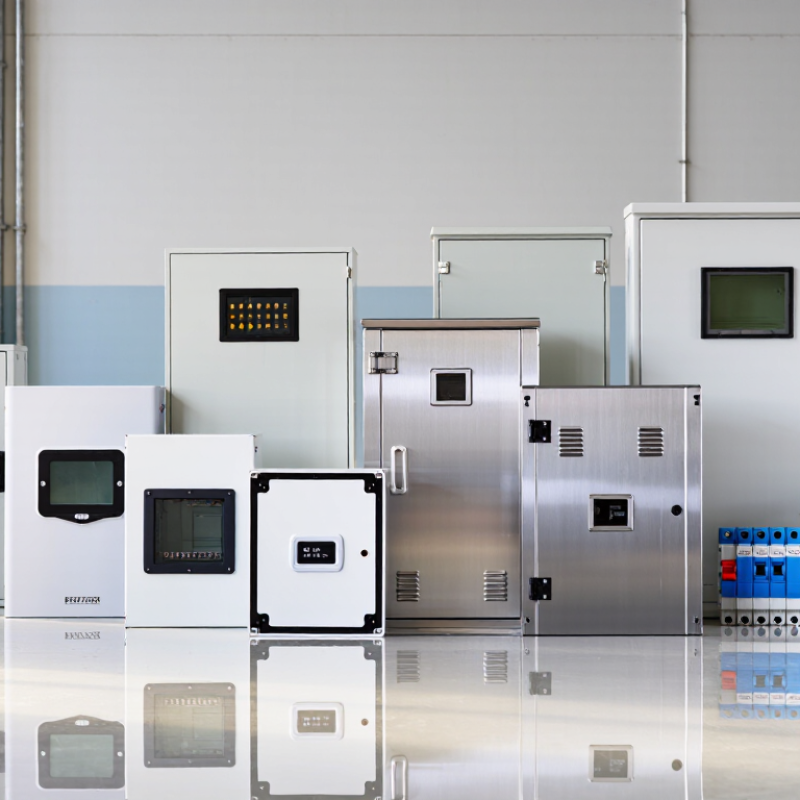
Electric panel boxes differ by circuit capacity, fault protection, installation location, and control needs. The main breaker panel disconnects incoming power and protects an entire building. A distribution panel sends power to branch circuits, while a subpanel expands capacity in workshops or extensions. A load center suits smaller buildings with compact circuit layouts.

Switchboards handle higher current and larger feeder networks. Motor control centers manage grouped motors in factories. Automatic transfer panels shift power between utility and standby sources. Weatherproof panels protect circuits from rain, dust, and corrosion. Modular panels support faster changes, while smart panels monitor loads and improve energy visibility.

The International Energy Agency’s Electricity 2024 report projects global electricity demand growth of about 4% in 2024 and 2025. That pressure makes accurate load distribution more important. IEC 61439 also requires low-voltage assemblies to meet defined verification requirements, including temperature rise and short-circuit performance. These are not decorative boxes.

Field inspections often find oversized enclosures with poor cable routing. That mistake increases heat and complicates maintenance. Engineers should check rated current, fault level, ingress protection, spare ways, and local code requirements before selection. A smart panel may provide useful data, but it cannot repair an overloaded circuit. The label can still mislead.

Top 10 Electric Panel Box Designs for Different Applications

Top 10 Electric Panel Box Designs for Different Applications

Global buyers need panel boxes matched to real operating conditions, not just attractive specifications. The IEA Electricity 2024 report expects global electricity demand to grow by about 3.4% annually through 2026. That pressure makes safe, scalable distribution essential.

A main breaker panel suits homes and small commercial buildings. A load center supports compact residential circuits. A distribution board serves offices, warehouses, and retail spaces. A motor control center manages pumps, fans, and production equipment. An automatic transfer panel supports hospitals and data facilities during supply interruptions. Outdoor weatherproof panels protect circuits in farms, construction areas, and utility sites. Modular DIN-rail enclosures fit control systems requiring frequent changes. Solar combiner boxes collect photovoltaic strings before inverter connection. Battery storage panels organize direct-current protection and isolation. Smart panels add monitoring for energy-intensive facilities.

Application details matter. A dusty workshop needs sealed construction and accessible maintenance space. A coastal site may require stronger corrosion protection. A crowded cabinet can increase heat and wiring errors. Small mistake, serious result. The IEC 61439 series provides a key reference for low-voltage switchgear and controlgear assemblies, including verification requirements. The IEA Renewables 2024 report forecasts nearly 5,500 gigawatts of new renewable capacity by 2030. Solar and storage panels will therefore face growing demand, but installation quality may lag behind equipment sales. Buyers should verify enclosure ratings, short-circuit capability, temperature limits, labeling, and local certification. One design rarely fits every project.

Key Materials, Protection Ratings, and Construction Features

Top 10 Electric Panel Box Types for Global Buyers

Electric panel boxes vary by material, protection rating, and installation environment. Ten common types include indoor steel, outdoor steel, stainless steel, aluminum, polycarbonate, ABS, modular, junction, floor-standing, and photovoltaic combiner boxes. Galvanized steel offers strength and cost control. Stainless steel resists moisture, salt, and many corrosive conditions. Aluminum reduces weight, but its surface can dent more easily. Polycarbonate and ABS provide insulation and resist impact in lighter applications.

Protection ratings deserve careful attention. An IP54 enclosure limits dust entry and protects against splashing water. IP65 offers stronger dust protection and water-jet resistance. IP66 suits harsher washdown areas, while IP67 supports temporary immersion. These ratings describe tested conditions, not every installation. A damaged gasket can weaken real-world protection.

Construction details often decide service life. Look for folded edges, reinforced mounting plates, reliable hinges, and captive screws. A continuous gasket should compress evenly around the door. Cable glands need compatible sizes and materials. Indoor boxes may not need expensive corrosion resistance. Outdoor units usually need drainage control, UV-stable coatings, and secure locks. I have seen buyers choose a high IP rating but ignore heat buildup. That choice can shorten component life. More protection is not always better. Ventilation, maintenance access, and local climate still require practical review.

Top 10 Electric Panel Box Types for Global Buyers - Key Materials, Protection Ratings, and Construction Features

Panel Box Type Typical Applications Common Materials Protection Rating Construction Features Mounting Configuration Key Buyer Consideration
NEMA 1 General-Purpose Enclosure Indoor distribution boards, control panels, and electrical equipment in clean, dry locations. Painted carbon steel; galvanized steel may be used for internal parts. NEMA 1
Protects against accidental contact and falling dirt.
Basic folded or welded body, removable cover or door, cable entries, and optional lockable handle. Surface-mounted or flush-mounted. Suitable only where water, oil, and significant dust exposure are not expected.
NEMA 3R Outdoor Rainproof Box Outdoor meter panels, service equipment, air-conditioning controls, and utility installations. Painted steel, aluminum, or UV-stabilized nonmetallic material. NEMA 3R
Protects against rain, sleet, snow, and external ice formation.
Sloped roof or drip shield, drainage provisions, weather-resistant door, and outdoor-rated hardware. Wall-mounted or equipment-mounted. Not designed to be dust-tight or to withstand hose-directed water.
NEMA 4 Watertight Enclosure Outdoor automation, washdown areas, water-treatment equipment, and industrial control systems. Painted steel, stainless steel, aluminum, or molded polycarbonate. NEMA 4
Protects against windblown dust, rain, splashing water, and hose-directed water.
Continuous gasket, overlapping door, quarter-turn or compression latches, and sealed cable-entry options. Surface-mounted, wall-mounted, or free-standing. Confirm gasket material and corrosion protection for the actual environment.
NEMA 4X Corrosion-Resistant Box Food processing, marine facilities, chemical plants, wastewater plants, and coastal installations. 304 or 316 stainless steel, fiberglass-reinforced polyester, or engineered polymer. NEMA 4X
Includes NEMA 4 protection plus resistance to corrosion.
Sealed door, corrosion-resistant fasteners, smooth or brushed surfaces, and nonconductive options where required. Wall-mounted, pedestal-mounted, or free-standing. 316 stainless steel is commonly selected for high-chloride or marine exposure, subject to site conditions.
NEMA 12 Industrial Dust-Tight Box Indoor factories, machine tools, motor controls, packaging lines, and material-handling systems. Painted carbon steel or stainless steel. NEMA 12
Protects against circulating dust, falling dirt, dripping water, and noncorrosive liquids.
Gasketed door, formed flanges, sealed seams, protected cable entries, and optional viewing window. Wall-mounted, floor-mounted, or machine-mounted. Common for industrial interiors, but generally not intended for outdoor rain exposure.
NEMA 6P Submersible Enclosure Flood-prone areas, underground equipment, marine systems, and installations requiring prolonged submersion resistance. Stainless steel, aluminum, fiberglass-reinforced polyester, or heavy-duty polymer. NEMA 6P
Provides protection against hose-directed water, external ice, and prolonged submersion under specified conditions.
High-compression gasket, robust latches, sealed conduit hubs, reinforced body, and pressure-resistant construction. Wall-mounted, underground, or equipment-mounted. Verify the permitted immersion depth and duration with the enclosure certification.
IP54 Indoor Industrial Cabinet Indoor control cabinets, automation systems, building services, and light manufacturing areas. Powder-coated steel, stainless steel, or aluminum. IP54
Limited dust ingress and protection against water splashes from all directions.
Gasketed hinged door, mounting plate, ventilation accessories, and cable glands selected for the required IP level. Wall-mounted or floor-standing. IP ratings are based on IEC 60529; the complete assembled system must maintain the declared rating.
IP65 Dust-Tight Control Box Outdoor automation, dusty production areas, pumps, conveyors, and general industrial control applications. Powder-coated steel, stainless steel, die-cast aluminum, or polycarbonate. IP65
Dust-tight and protected against water jets from any direction.
Continuous elastomer gasket, secure latching system, sealed cable glands, and protected external hinges. Wall-mounted, machine-mounted, or compact free-standing. IP65 does not automatically indicate suitability for immersion, chemicals, or high-pressure washdown.
Hygienic Stainless-Steel Cabinet Food, beverage, pharmaceutical, and clean-processing environments where frequent cleaning is required. 304 stainless steel for general use; 316 stainless steel for more aggressive chemical or chloride exposure. Often IP66 or IP69K
Actual rating depends on the certified design and accessories.
Sloped roof, rounded corners, continuous welds, sanitary hinges, concealed drainage paths, and smooth cleanable surfaces. Wall-mounted, floor-standing, or hygienic support-frame mounted. Check surface finish, gasket compatibility, cleaning chemicals, and washdown temperature before selection.
Nonmetallic Insulated Enclosure Outdoor instrumentation, photovoltaic controls, irrigation systems, corrosion-prone locations, and low-voltage equipment. Polycarbonate, ABS, fiberglass-reinforced polyester, or other UV-stabilized engineering polymers. Commonly IP65–IP66
Rating varies by model, cover, and cable-entry method.
Double insulation, corrosion-free body, transparent or opaque cover, molded mounting points, and optional sun shield. Wall-mounted, pole-mounted, or equipment-mounted. Consider UV exposure, impact rating, thermal expansion, fire performance, and electrical heat dissipation.

How Global Buyers Can Compare Panel Box Specifications

Top 10 Electric Panel Box Types for Global Buyers

Global buyers should compare panel boxes by application, not appearance. Common types include residential, commercial, industrial, outdoor, weatherproof, flush-mounted, surface-mounted, modular, control, and automatic transfer panels. Each type serves different load, access, and environmental conditions.

Check rated voltage, current, busbar capacity, short-circuit withstand, and available circuit space. A 400 A enclosure may still fail if its thermal design is poor. Review IP ratings under IEC 60529, especially for dust, rain, and washdown areas. For assemblies, confirm testing against IEC 61439 or the relevant local standard. Enclosure material also matters. Powder-coated steel suits many indoor projects, while stainless steel may better resist moisture and corrosion.

Do not ignore cable entry, gland size, mounting depth, door clearance, and heat dissipation. On site, a box can meet its electrical rating yet become difficult to install. That costs time. Ask for temperature-rise data, wiring diagrams, test reports, and traceable certificates. Compare service access and spare capacity, not only purchase price. A crowded panel often creates maintenance problems later. I have seen specification sheets look complete, but omit ambient temperature limits. That omission matters. Global projects also need local approval checks, because certification accepted in one market may not satisfy another. A simple comparison table helps, although it cannot replace a qualified inspection.

Top 10 Electric Panel Box Types for Global Buyers

How Global Buyers Can Compare Panel Box Specifications

The chart compares representative rated-current capacities commonly specified for international projects. Lower-capacity control and metering panels are typically selected for automation and monitoring, while switchboards, motor control centers, and feeder panels support higher-power distribution. Final specifications should also be checked against voltage, short-circuit rating, IP or NEMA enclosure protection, pole configuration, applicable IEC or local standards, and site conditions.

International Standards, Safety Requirements, and Sourcing Factors

Top 10 Electric Panel Box Types for Global Buyers

Global buyers should match panel box construction with local standards, climate, and installation conditions. Common choices include flush-mounted, surface-mounted, outdoor, stainless steel, modular, floor-standing, meter, distribution, control, and temporary power enclosures. Each type solves a different site problem.

IEC 61439 is important for low-voltage assemblies and requires documented design verification. IEC 60529 defines IP ratings, such as IP54 for limited dust protection and IP66 for stronger water resistance. In North America, buyers often review NEMA 250, UL 50E, and NFPA 70 requirements. A weatherproof box still needs correct cable glands, seals, grounding, and mounting hardware. The enclosure alone cannot guarantee safety.

Check metal thickness, corrosion resistance, heat dissipation, door clearance, and available wiring space. Outdoor units may face salt spray, ultraviolet exposure, condensation, and sudden temperature changes. Stainless steel helps in harsh environments, but it can increase cost and weight. Powder-coated steel may suit ordinary indoor locations. Not every IP rating covers impact or chemical exposure. That detail is easy to miss. Suppliers should provide drawings, material data, test evidence, and traceable inspection records. Buyers should confirm whether certification applies to the complete assembly or only the empty enclosure. Local authorities may interpret requirements differently, so technical review remains necessary. I have seen projects delayed by an overlooked metric conversion or an unsuitable gland plate. Specification discipline matters.

Copyright 2025 Fluidra S.A. | Created by BCM Marketing Agencia Privacy Policy Legal note | Cookie policy |

Technical cookies are strictly necessary for our website to work and you can navigate through it. These types of cookies are those that, for example, allow us to identify you, give you access to certain restricted parts of the page if necessary, or remember different options or services already selected by you, such as your privacy preferences. Therefore, they are activated by default, your authorization not being necessary in this regard. Through the configuration of your browser, you can block or alert the presence of this type of cookies, although such blocking will affect the proper functioning of the different functionalities of our website.


The analysis cookies allow us to study the navigation of the users of our website in general (for example, which sections of the page are the most visited, which services are used most and if they work correctly, etc.). From the statistical information on navigation on our website, we can improve both the operation of the page itself and the different services it offers. Therefore, these cookies do not have an advertising purpose, but only serve to make our website work better, adapting to our users in general. By activating them you will contribute to this continuous improvement. You can enable or disable these cookies by checking the corresponding box, being disabled by default.


Functionality cookies allow us to remember your preferences, to personalize certain characteristics and general options of our website, every time you access it (for example, the language in which the information is presented to you, the sections marked as favorites, your browser type, etc.) Therefore, this type of cookies does not have an advertising purpose, but by activating them you will improve the functionality of the website (for example, adapting to your type of browser) and the customization of it based on your preferences (for example, by presenting the information in the language that you have chosen in previous occasions), which will contribute to the ease, usability and comfort of our page during your navigation. You can enable or disable these cookies by checking the corresponding box, being disabled by default.


Advertising cookies allow us to manage the advertising spaces included in our website based on criteria such as the content shown or the frequency in which the ads are displayed. For example, if you have been shown the same ad several times on our website, and you have not shown a personal interest by clicking on it, it will not appear again. In summary, by activating this type of cookies, the advertising shown on our website will be more useful and diverse, and less repetitive. You can enable or disable these cookies by checking the corresponding box, being disabled by default.


Behavioral advertising cookies allow us to obtain information based on the observation of your browsing habits and behaviors on the web, in order to show you advertising content that best suits your personal tastes and interests. To understand it in a very simple way, we will give you a fictitious example: if your last searches on the web were related to suspense literature, we would show you advertising about suspense books. Therefore, activating this type of cookies, the advertising that we show you on our website will not be generic, but will be oriented to your searches, tastes and interests, therefore adjusting exclusively to you. You can enable or disable these cookies by checking the corresponding box, being disabled by default.
To understand it in a very simple way, we will give you a fictitious example: if your last searches on the web were related to suspense literature, we would show you advertising about suspense books. Therefore, activating this type of cookies, the advertising that we show you on our website will not be generic, but will be oriented to your searches, tastes and interests, therefore adjusting exclusively to you. You can enable or disable these cookies by checking the corresponding box, being disabled by default.

SAVE

We use our own and third-party cookies to ensure the proper functioning of the website and to analyse our services, improve your experience on our website and show you advertisements related to your interests according to profiling based on your browsing habits (e.g. websites visited). You can accept all cookies by clicking "ACCEPT" or set or reject them by clicking here. If you would like to know more about the use of cookies, please see our COOKIE POLICY.


ACCEPT ALL
Reject no essentials