
7 Best ENT Microscope Manufacturers Worldwide
FLUID HANDLING EXPERTS

Blog, all our news

7 Best ENT Microscope Manufacturers Worldwide

Choosing an operating microscope for ear, nose, and throat surgery is not a simple shopping decision. Optical clarity, illumination, balance, and surgeon comfort can affect every movement under magnification. This guide examines seven leading Ent Microscope Manufacturers worldwide, comparing their technologies, clinical focus, service networks, and practical value.

Dr. Derald E. Brackmann, a respected otologic surgeon, once offered a useful reminder: “Visualization is the foundation of safe ear surgery.” That principle remains relevant to Ent Microscope Manufacture. A bright image must reveal fine anatomy without excessive glare. Smooth arm movement matters when the surgeon works beside a delicate tympanic membrane. Sterile handles, integrated cameras, and reliable focusing systems also deserve careful attention.

The companies selected here represent different strengths. Some emphasize premium optics and advanced digital imaging. Others provide flexible configurations for hospitals, teaching centers, or smaller clinics. Their warranty terms and local technical support may differ sharply. No list is flawless. A microscope that suits a high-volume otology unit may not fit a compact outpatient room. Price alone can mislead, especially when installation, training, accessories, and maintenance are excluded. Readers should verify specifications with clinical teams and authorized suppliers before purchasing. Real operating conditions matter more than polished brochures. The best choice supports steady hands, clear anatomy, and consistent patient care.
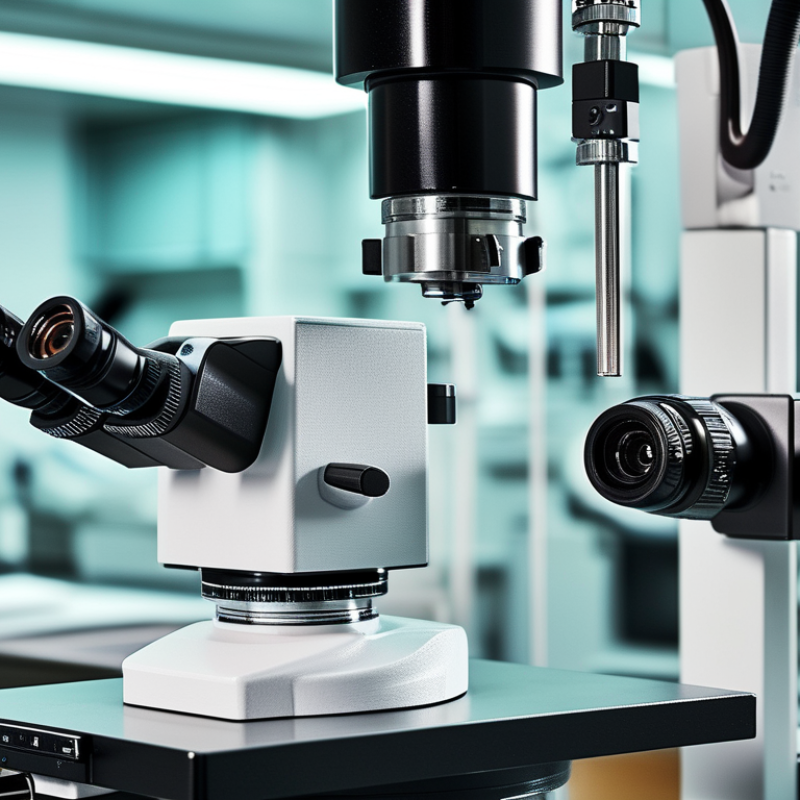
7 Best ENT Microscope Manufacturers Worldwide

What Defines a High-Quality ENT Microscope Manufacturer

A high-quality ENT microscope manufacturer begins with dependable optics, not attractive specifications. The image should remain sharp across the field, even when the surgeon changes magnification. Natural color matters too. Inflamed tissue, delicate vessels, and subtle surface changes must appear clearly under controlled illumination.

Practical design separates strong manufacturers from ordinary suppliers. Smooth focus controls, balanced suspension arms, and sterile-friendly surfaces reduce fatigue during long procedures. A bright, shadow-reduced light source helps clinicians work inside narrow anatomical spaces. Integration with cameras, monitors, and recording systems should be simple and stable. Small details matter.

Quality control must continue after production. Reputable manufacturers document optical testing, electrical safety checks, and material performance. They also provide clear manuals, maintenance schedules, and responsive technical support. Training is valuable, especially when staff use advanced imaging functions. A polished brochure is not enough. Real reliability appears in daily use, under pressure, and after repeated cleaning.

Manufacturers should welcome clinical feedback and admit design limitations. No system is perfect. Some models may offer excellent magnification but feel heavy in smaller treatment rooms. Others may provide impressive digital features but require unnecessary setup time. Honest guidance helps hospitals choose equipment according to procedures, workflow, budget, and local safety requirements. That transparency builds professional trust.

Key Features and Technologies in Modern ENT Microscopes

7 Best ENT Microscope Manufacturers Worldwide

Key Features and Technologies in Modern ENT Microscopes

Modern ENT microscopes combine optical precision, stable illumination, and ergonomic control. High-quality optics help clinicians inspect narrow ear canals, delicate nasal tissue, and laryngeal structures with greater confidence. Clarity matters. Many systems now use LED lighting, which produces consistent brightness and reduces lamp replacement. Adjustable color temperature can also improve tissue contrast during different procedures.

Motorized zoom and focus make image changes smoother, especially during microsurgery. Some microscopes include integrated high-definition cameras for recording, teaching, and remote consultation. Three-dimensional imaging may improve depth perception, but its value depends on calibration and the operator’s experience. A large monitor can reduce unnecessary neck movement, although poor screen placement creates new ergonomic problems. Small details matter.

Modern platforms may connect with hospital documentation systems, surgical displays, and foot controls. Anti-reflective coatings, balanced suspension arms, and low-vibration stands support longer procedures. Sterilizable handles and sealed control surfaces also help maintain practical infection-control routines. However, advanced technology does not automatically produce better outcomes. Regular optical checks, staff training, and careful maintenance remain essential. Nothing replaces judgment. Clinicians should assess working distance, field size, illumination quality, service support, and compatibility with existing equipment before choosing a system. No microscope is perfect, and real operating-room feedback may reveal limitations that product specifications overlook.

7 Best ENT Microscope Manufacturers Worldwide - Key Features and Technologies in Modern ENT Microscopes

Evaluation Area Common Modern Specification Key Technology Clinical Benefit in ENT Availability
Optical Magnification A multi-step magnification system, commonly covering approximately 3× to 20× depending on the optical configuration. Binocular optics with a rotating or stepped magnification changer and precision focusing controls. Supports detailed examination and microsurgery of the ear, nose, throat, larynx, and delicate anatomical structures. Widely available; exact range varies by model.
Illumination System High-intensity, coaxial cold LED illumination with adjustable brightness. LED light sources, fiber-optic light delivery, and heat-reducing illumination design. Produces a bright, shadow-minimized field while reducing heat exposure during prolonged procedures. Standard on most current professional ENT microscopes.
Digital Imaging Integrated or attachable high-definition cameras; some configurations support 4K video output. Digital camera adapters, HDMI or network connectivity, image capture, and video recording. Improves documentation, patient education, teaching, remote consultation, and surgical review. Available on selected systems; resolution depends on the camera package.
Ergonomics and Positioning Floor, ceiling, wall, or tabletop configurations with adjustable viewing angles and working height. Counterbalanced arms, electromagnetic or mechanical brakes, ergonomic binocular tubes, and articulated positioning. Helps reduce neck, shoulder, and back strain during examinations and lengthy microsurgical procedures. Configuration depends on room layout and system design.
Depth of Field and Focus Fine manual focusing, with motorized or electronic focusing offered on some advanced systems. High-quality objective lenses, parfocal optical design, and optional motorized focus controls. Maintains image clarity when moving between anatomical planes and supports precise instrument handling. Manual focus is common; motorized functions are model-dependent.
Surgical Integration Compatibility with monitors, recording systems, foot controls, surgical navigation, and selected accessories. Modular accessory ports, external video interfaces, sterile controls, and operating-room connectivity. Streamlines operating-room workflow and enables real-time sharing of the surgical view. Depends on interfaces, accessories, and facility infrastructure.
Safety, Cleaning, and Serviceability Sealed optical surfaces, disinfectant-compatible external materials, cable management, and preventive maintenance support. Low-maintenance LED sources, removable protective components, mechanical stability features, and serviceable modular assemblies. Supports infection-control routines, reduces downtime, and helps maintain consistent optical performance. Features vary according to model, accessories, and local service provision.

Note: Specifications and available functions vary by configuration. The comparison is manufacturer-neutral and summarizes technologies commonly found in contemporary professional ENT microscopes.

Seven Leading ENT Microscope Manufacturers Worldwide

Seven Leading ENT Microscope Manufacturers Worldwide

Seven leading ENT microscope manufacturers worldwide are shaping modern operating-room visualization through optical clarity, ergonomic design, and dependable engineering. Their systems commonly support otology, rhinology, laryngology, and delicate skull-base procedures. Experienced clinicians often assess image sharpness under low light, depth perception, and smooth magnification changes. These details matter when viewing narrow canals or fine vascular structures.

The strongest manufacturers usually provide coaxial illumination, stable suspension arms, and balanced binocular tubes. Integrated cameras can support teaching, documentation, and remote consultation. Some platforms offer fluorescence or digital enhancements, but advanced features should match clinical needs. More technology does not always mean better surgery. Staff training, maintenance access, and service response often influence daily performance more than impressive specifications.

A reliable comparison should examine seven practical areas: optical quality, illumination, ergonomics, mobility, imaging, compatibility, and after-sales support. Surgeons may prefer a compact stand for crowded rooms, while teaching hospitals may need large displays and recording systems. Testing the microscope with real instruments is valuable. Catalog images can hide awkward controls. Even excellent equipment may disappoint if setup takes too long. Procurement teams should review user feedback, calibration records, warranty terms, and cleaning procedures before purchase. Manufacturer claims deserve careful verification. Reliability is demonstrated over repeated cases, not one successful demonstration.

Comparing Product Design, Optical Performance, and Clinical Use

7 Best ENT Microscope Manufacturers Worldwide: Comparing Design, Optics, and Clinical Use

Choosing among the seven leading ENT microscope manufacturers requires more than reading magnification figures. Product design should support long procedures, narrow corridors, and frequent repositioning. A balanced arm, sealed controls, and a small footprint can reduce fatigue in busy operating rooms. The World Health Organization reports that over 1.5 billion people live with hearing loss, increasing demand for precise otologic care. However, market growth alone does not prove clinical value.

Optical performance depends on contrast, depth of field, illumination, and image stability. A 2024 surgical microscope market report by Grand View Research identifies rising demand for advanced visualization and digital integration. Yet higher resolution can expose glare, blood, or tissue movement more clearly. That is not always an advantage. In clinical use, surgeons should compare binocular comfort, working distance, coaxial lighting, and camera latency during realistic procedures. A microscope that performs beautifully in a showroom may feel awkward beside an anesthetic machine. Clinical evidence remains more useful than impressive specifications.

Tips: Ask surgeons to test the microscope with gloves, suction tubing, and a full surgical setup. Check sterilization workflows, service response times, and upgrade costs. Record short sample videos at different magnifications. Small optical distortions become obvious later. Instrument selection is still partly subjective, and that deserves honest discussion.

How to Choose the Right ENT Microscope Manufacturer

Choosing among the seven best ENT microscope manufacturers requires more than comparing optical magnification. A strong shortlist should show clinical experience, documented testing, and dependable service after installation. Grand View Research reported continued growth in the global surgical microscopes market through 2030, reflecting rising demand for precise visualization and ergonomic operating tools.

Look for apochromatic optics, stable illumination, and smooth focus controls. These details matter when examining narrow nasal passages or performing delicate ear procedures. Confirm compliance with ISO 13485 and IEC 60601 requirements.

Ask whether the manufacturer provides surgeon training, preventive maintenance, spare parts, and response-time guarantees. A microscope can be excellent and still become impractical without local technical support.

Test before purchasing. Observe image clarity at maximum zoom, not only during a polished demonstration. Check whether the assistant scope, camera, and recording system integrate without distracting cables. Consider total ownership cost, including lamps, service contracts, software, and staff training.

Reports from MarketsandMarkets identify digital integration as a major trend in surgical visualization, but technology alone does not improve technique. That point is easy to forget. I would also request references from comparable ENT hospitals, while accepting that no manufacturer will perform perfectly in every operating room.

Copyright 2025 Fluidra S.A. | Created by BCM Marketing Agencia Privacy Policy Legal note | Cookie policy |

Technical cookies are strictly necessary for our website to work and you can navigate through it. These types of cookies are those that, for example, allow us to identify you, give you access to certain restricted parts of the page if necessary, or remember different options or services already selected by you, such as your privacy preferences. Therefore, they are activated by default, your authorization not being necessary in this regard. Through the configuration of your browser, you can block or alert the presence of this type of cookies, although such blocking will affect the proper functioning of the different functionalities of our website.


The analysis cookies allow us to study the navigation of the users of our website in general (for example, which sections of the page are the most visited, which services are used most and if they work correctly, etc.). From the statistical information on navigation on our website, we can improve both the operation of the page itself and the different services it offers. Therefore, these cookies do not have an advertising purpose, but only serve to make our website work better, adapting to our users in general. By activating them you will contribute to this continuous improvement. You can enable or disable these cookies by checking the corresponding box, being disabled by default.


Functionality cookies allow us to remember your preferences, to personalize certain characteristics and general options of our website, every time you access it (for example, the language in which the information is presented to you, the sections marked as favorites, your browser type, etc.) Therefore, this type of cookies does not have an advertising purpose, but by activating them you will improve the functionality of the website (for example, adapting to your type of browser) and the customization of it based on your preferences (for example, by presenting the information in the language that you have chosen in previous occasions), which will contribute to the ease, usability and comfort of our page during your navigation. You can enable or disable these cookies by checking the corresponding box, being disabled by default.


Advertising cookies allow us to manage the advertising spaces included in our website based on criteria such as the content shown or the frequency in which the ads are displayed. For example, if you have been shown the same ad several times on our website, and you have not shown a personal interest by clicking on it, it will not appear again. In summary, by activating this type of cookies, the advertising shown on our website will be more useful and diverse, and less repetitive. You can enable or disable these cookies by checking the corresponding box, being disabled by default.


Behavioral advertising cookies allow us to obtain information based on the observation of your browsing habits and behaviors on the web, in order to show you advertising content that best suits your personal tastes and interests. To understand it in a very simple way, we will give you a fictitious example: if your last searches on the web were related to suspense literature, we would show you advertising about suspense books. Therefore, activating this type of cookies, the advertising that we show you on our website will not be generic, but will be oriented to your searches, tastes and interests, therefore adjusting exclusively to you. You can enable or disable these cookies by checking the corresponding box, being disabled by default.
To understand it in a very simple way, we will give you a fictitious example: if your last searches on the web were related to suspense literature, we would show you advertising about suspense books. Therefore, activating this type of cookies, the advertising that we show you on our website will not be generic, but will be oriented to your searches, tastes and interests, therefore adjusting exclusively to you. You can enable or disable these cookies by checking the corresponding box, being disabled by default.

SAVE

We use our own and third-party cookies to ensure the proper functioning of the website and to analyse our services, improve your experience on our website and show you advertisements related to your interests according to profiling based on your browsing habits (e.g. websites visited). You can accept all cookies by clicking "ACCEPT" or set or reject them by clicking here. If you would like to know more about the use of cookies, please see our COOKIE POLICY.


ACCEPT ALL
Reject no essentials


