
Top 10 Home Charging Stations for EVs in 2026
FLUID HANDLING EXPERTS

Blog, all our news

Top 10 Home Charging Stations for EVs in 2026

A Home Charging Station can turn an ordinary parking spot into a dependable part of EV ownership. Plug in after dinner, and the car may be ready by morning. The right choice still depends on the vehicle, household wiring, parking layout, and daily mileage. A compact unit may suit a short driveway, while a longer cable can make a garage installation far more practical. Small details matter.

EV charging educator Tom Moloughney’s practical guidance can be paraphrased this way: “Match the charger to your car, your home’s electrical setup, and your routine.” This comparison of the Top 10 Home Charging Stations for EVs in 2026 looks at charging output, connector compatibility, cable reach, app controls, warranty terms, and installation considerations. These features help distinguish useful everyday equipment from specifications that merely look impressive. A high-output charger, for example, may offer little benefit if a vehicle cannot accept that power or the home circuit needs an upgrade.

Real homes are not showroom floors. Weather, Wi-Fi dead zones, tight parking, and limited electrical capacity can change the experience. No ranking can settle every household’s choice. This guide aims to make the trade-offs clearer, while recognizing that product availability and specifications can change. Check current manufacturer details before buying.
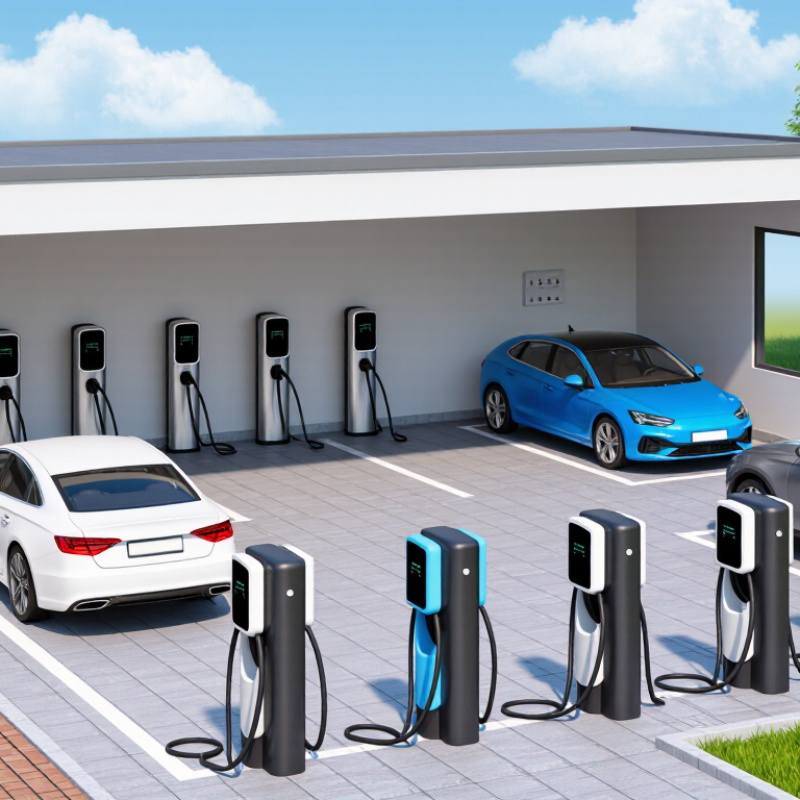
Top 10 Home Charging Stations for EVs in 2026

How Home EV Charging Stations Work in 2026

A Home Ev Charging Station is more than a cable with a plug. It supplies power safely and checks communication with the vehicle before charging begins. Most residential units deliver alternating current, or AC. The car’s onboard charger converts that electricity into direct current for the battery. Charging speed depends on the vehicle, the station, and the home’s electrical capacity. A powerful unit cannot make every car charge faster.

A typical setup connects to a dedicated circuit in the garage or near a parking space. When the connector clicks into place, the station and car confirm that the connection is secure. They then agree on how much current the vehicle can accept. Small detail, big safety role. Many newer stations also offer app-based schedules, energy-use records, or adjustable charging limits. Scheduling can shift charging to quieter household hours, but savings depend on the local electricity plan.

Installation deserves careful attention. An electrician can check the panel, wiring, grounding, and available circuit capacity before choosing a suitable unit. Some homes may need electrical upgrades, and outdoor installations need equipment rated for exposure to weather. Load management can reduce charging power when household demand rises. Useful, though not magic. I would leave extra time in the plan: panel capacity and cable routing are easy to underestimate, even in a tidy garage.

Key Factors for Evaluating Home EV Chargers

When comparing home EV chargers, start with your car’s AC charging limit and your home’s electrical capacity. A higher-rated unit cannot make a vehicle charge faster than its onboard system allows. Ask a qualified electrician to check the panel, circuit, and cable route before choosing a model. A long driveway may need a longer cable, but extra length can be awkward to coil and store. Small details matter.

Next, consider weather protection, connector handling, and daily controls. For an outdoor installation, look for a unit rated for the conditions where it will sit, and check whether the cable stays flexible in cold weather. Scheduling can help you charge during preferred hours, if your utility offers a suitable rate. App features are useful, but only if setup is simple and the connection works reliably. More features are not always better. I would weigh dependable charging over a crowded control screen.

Tips: Measure the route from charger to parking spot, then add a little reach for imperfect parking. Confirm installation costs and circuit needs before comparing prices. Keep the manual and note any charging interruptions; patterns can reveal a loose connection or setup issue.

Home EV Charger Power by Circuit Rating

Estimates assume a 240 V supply and continuous charging current limited to 80% of the circuit rating. Actual charging speed also depends on the vehicle’s onboard charger, the electrical installation, and local requirements.

The Top 10 Home Charging Stations of 2026

The Top 10 Home Charging Stations of 2026 should be judged by useful charging, not glossy screens. A practical shortlist weighs dependable Level 2 output, adjustable amperage, weather-resistant housings, clear status lights, scheduling, cable reach, load management, energy tracking, and installation support. Some homes need only basic charging. Others need a unit that can share electrical capacity with a heat pump or dryer. There is no perfect fit for every garage.

The U.S. Department of Energy’s Alternative Fuels Data Center says Level 2 equipment typically adds about 10–20 miles of range per hour, depending on the vehicle and conditions. For many drivers, that makes overnight charging realistic. The IEA’s Global EV Outlook 2025 reports that electric-car sales exceeded 17 million worldwide in 2024, passing 20% of new-car sales. More EVs mean more varied charging needs. Details matter.

When comparing the ten, check the home’s electrical capacity before weighing app features. A cable that reaches the driveway can prevent awkward parking; a short one may not. Installation costs matter, too. A high-output station may be a poor fit if it requires costly panel work. Smart features can feel fiddly, and buying guides do not always make that clear. I would treat simple controls and dependable support as practical strengths, not extras.

Comparing Charger Features, Costs, and Compatibility

Choosing among the top home charging stations in 2026 means comparing more than advertised charging speed. Check whether the unit uses a standard household outlet or requires a dedicated circuit. Higher-power models can add driving range faster, but only when your vehicle and home wiring support them. A compact screen, adjustable current, and a long cable may matter more than a headline feature. Small details matter.

Costs include the charger, installation, and possible electrical upgrades. A basic installation may be straightforward, while an older panel or distant parking space can raise the bill. Ask for an itemized estimate before buying. Compare plug-in models with hardwired units: plugs can be easier to move, while hardwiring may suit a permanent outdoor setup. Look for weather protection, a clear warranty, and app controls that support scheduling and energy tracking. App features vary, and some feel less useful after the novelty fades.

Tips: Confirm connector compatibility and your vehicle’s maximum AC charging rate. Measure the route from the electrical panel to the parking spot. Have a qualified electrician assess capacity; guessing from a breaker label is not enough. Leave room for future needs, but avoid paying for speed your car cannot use. My own comparison would still depend on installation quotes—those are easy to underestimate.

Top 10 Home Charging Stations for EVs in 2026 — Comparing Charger Features, Costs, and Compatibility

A practical comparison of ten common home-charger configurations. Power, connector, and feature details describe representative equipment types rather than branded products.

Rank Charger Type Typical Output Connection Typical Equipment Cost (USD) Smart Features Vehicle Compatibility Best Suited For
1 48 A hardwired Level 2 Up to 11.5 kW at 240 V Hardwired; typically requires a dedicated 60 A circuit $500–$900 Often includes app scheduling, charging history, and power sharing Vehicles with a compatible J1772 or NACS inlet; connector or adapter requirements vary by vehicle Households seeking high home-charging power and a permanent installation
2 40 A plug-in Level 2 Up to 9.6 kW at 240 V Usually a NEMA 14-50 outlet on a suitable 50 A circuit $350–$700 Available on many models; commonly includes scheduling and charging status Compatible inlet required; J1772 models may need an adapter for some NACS vehicles Drivers who want a strong charging rate and the option to unplug the unit
3 32 A hardwired Level 2 Up to 7.7 kW at 240 V Hardwired; circuit sized for the charger's continuous load $350–$650 Basic models may be unscheduled; connected models add app controls Available with J1772 or NACS connectors, depending on configuration Most daily charging needs where a 48 A installation is unnecessary
4 Dual-voltage portable Level 2 Typically up to 7.7 kW at 240 V; lower output on 120 V Portable; may include interchangeable plugs or adapters $300–$650 Feature set varies; some units offer current selection and basic status indicators Depends on the supplied vehicle connector and approved adapter options Drivers needing a portable unit for home and occasional travel
5 24 A compact Level 2 Up to 5.8 kW at 240 V Hardwired or plug-in, depending on the unit and circuit $250–$500 Often focused on simple charging; app control is optional Compatible J1772 or NACS inlet required, with an adapter where appropriate Homes with limited electrical capacity or moderate daily mileage
6 16 A compact Level 2 Up to 3.8 kW at 240 V Plug-in or hardwired, subject to circuit rating $200–$400 Typically simple controls; some models provide delayed-start functions Connector compatibility depends on the selected cable end and vehicle inlet Overnight charging when a lower-cost, lower-power setup is sufficient
7 Load-managed 48 A hardwired Level 2 Up to 11.5 kW when electrical capacity allows Hardwired, with a compatible panel or circuit load-management system $650–$1,200 May monitor household electrical demand and adjust charging current Vehicle inlet must match the charger's connector or use an approved adapter Homes where available electrical capacity is constrained
8 Power-sharing Level 2 pair Up to 11.5 kW shared across two connectors; actual output varies Usually hardwired; circuit capacity is shared between charging vehicles $900–$1,800 for two charging points Coordinated charging can divide available power between vehicles Each vehicle needs a compatible connector or suitable adapter Two-EV households that want coordinated charging from one electrical supply
9 Outdoor-rated 40 A Level 2 Up to 9.6 kW at 240 V Hardwired or approved plug-in installation; weather rating matters $400–$800 May include app scheduling, usage tracking, and remote status checks Choose a connector compatible with the vehicle; check cable reach and outdoor suitability Driveways and exposed parking locations
10 Basic 120 V Level 1 charger Typically about 1.4 kW on a standard 120 V outlet Standard household outlet; dedicated circuit use is preferable $150–$350 Usually limited; charging schedules may be set through the vehicle Requires a compatible portable charging connector for the vehicle Low-mileage drivers or backup charging where Level 2 installation is impractical

Prices are indicative U.S. equipment estimates for 2026 and exclude installation, permits, panel upgrades, and taxes; actual prices vary. Level 2 output is based on nominal 240 V supply, and the vehicle’s onboard charger can limit charging speed. Electrical work and circuit sizing should be confirmed by a qualified electrician and comply with local code. Connector standards and adapter compatibility vary by vehicle and model year.

Installation, Safety, and Everyday Use at Home

A home charging station should make daily charging simple, but installation deserves more care than choosing a convenient spot. Check your vehicle’s charging requirements and have a qualified electrician assess the home circuit, panel capacity, and cable route. A short, protected cable path is usually easier to manage than one crossing a walkway. Follow the equipment instructions and local electrical requirements; never rely on an ordinary outlet or extension cord unless the equipment is specifically designed for that use. Small details matter.

Tips: Park in your usual position before settling on a mounting location. Keep the connector off the floor, away from standing water, and clear of doors and tires. Check the cable and connector regularly for cracks, unusual heat, or damage. If anything seems wrong, stop using the unit and seek qualified help.

For everyday use, charging overnight can reduce the need for frequent public stops, though the best routine depends on driving habits and household electricity plans. Set a schedule only after confirming the charger and vehicle support it. Leave enough slack for easy connection, but coil excess cable neatly. Even a thoughtful setup may feel awkward during the first week; adjust the parking position or cable reach rather than accepting a daily trip hazard. A quick glance at the connection before leaving is a modest habit, not a substitute for proper maintenance.

Copyright 2025 Fluidra S.A. | Created by BCM Marketing Agencia Privacy Policy Legal note | Cookie policy |

Technical cookies are strictly necessary for our website to work and you can navigate through it. These types of cookies are those that, for example, allow us to identify you, give you access to certain restricted parts of the page if necessary, or remember different options or services already selected by you, such as your privacy preferences. Therefore, they are activated by default, your authorization not being necessary in this regard. Through the configuration of your browser, you can block or alert the presence of this type of cookies, although such blocking will affect the proper functioning of the different functionalities of our website.


The analysis cookies allow us to study the navigation of the users of our website in general (for example, which sections of the page are the most visited, which services are used most and if they work correctly, etc.). From the statistical information on navigation on our website, we can improve both the operation of the page itself and the different services it offers. Therefore, these cookies do not have an advertising purpose, but only serve to make our website work better, adapting to our users in general. By activating them you will contribute to this continuous improvement. You can enable or disable these cookies by checking the corresponding box, being disabled by default.


Functionality cookies allow us to remember your preferences, to personalize certain characteristics and general options of our website, every time you access it (for example, the language in which the information is presented to you, the sections marked as favorites, your browser type, etc.) Therefore, this type of cookies does not have an advertising purpose, but by activating them you will improve the functionality of the website (for example, adapting to your type of browser) and the customization of it based on your preferences (for example, by presenting the information in the language that you have chosen in previous occasions), which will contribute to the ease, usability and comfort of our page during your navigation. You can enable or disable these cookies by checking the corresponding box, being disabled by default.


Advertising cookies allow us to manage the advertising spaces included in our website based on criteria such as the content shown or the frequency in which the ads are displayed. For example, if you have been shown the same ad several times on our website, and you have not shown a personal interest by clicking on it, it will not appear again. In summary, by activating this type of cookies, the advertising shown on our website will be more useful and diverse, and less repetitive. You can enable or disable these cookies by checking the corresponding box, being disabled by default.


Behavioral advertising cookies allow us to obtain information based on the observation of your browsing habits and behaviors on the web, in order to show you advertising content that best suits your personal tastes and interests. To understand it in a very simple way, we will give you a fictitious example: if your last searches on the web were related to suspense literature, we would show you advertising about suspense books. Therefore, activating this type of cookies, the advertising that we show you on our website will not be generic, but will be oriented to your searches, tastes and interests, therefore adjusting exclusively to you. You can enable or disable these cookies by checking the corresponding box, being disabled by default.
To understand it in a very simple way, we will give you a fictitious example: if your last searches on the web were related to suspense literature, we would show you advertising about suspense books. Therefore, activating this type of cookies, the advertising that we show you on our website will not be generic, but will be oriented to your searches, tastes and interests, therefore adjusting exclusively to you. You can enable or disable these cookies by checking the corresponding box, being disabled by default.

SAVE

We use our own and third-party cookies to ensure the proper functioning of the website and to analyse our services, improve your experience on our website and show you advertisements related to your interests according to profiling based on your browsing habits (e.g. websites visited). You can accept all cookies by clicking "ACCEPT" or set or reject them by clicking here. If you would like to know more about the use of cookies, please see our COOKIE POLICY.


ACCEPT ALL
Reject no essentials


