
Top 10 Medical Syringe Pump Suppliers Worldwide
FLUID HANDLING EXPERTS

Blog, all our news

Top 10 Medical Syringe Pump Suppliers Worldwide

Choosing a Medical Syringe Pump supplier is not simply a matter of comparing prices, brands, or delivery promises. In intensive care units, neonatal wards, operating rooms, and research laboratories, small performance differences can affect continuous medication delivery. A pump may sit beside a ventilator, pushing a precise stream through narrow tubing, while clinicians monitor pressure, alarms, battery life, and occlusion risks.

James Reason, a respected patient-safety expert, said, “We cannot change the human condition, but we can change the conditions under which humans work.” His observation remains highly relevant to Medical Syringe Pump selection. Reliable equipment should support concentration, reduce avoidable confusion, and provide clear feedback during demanding procedures. Still, no device removes every human or system risk. That uncomfortable point deserves attention.

This overview examines the Top 10 Medical Syringe Pump Suppliers Worldwide through practical and technical criteria. These include flow-rate accuracy, syringe compatibility, alarm clarity, drug-library functions, maintenance support, user training, and manufacturing consistency. It also considers how suppliers respond when equipment performs differently in real clinical environments. Laboratory specifications matter, but bedside usability matters too. A beautifully designed pump can fail its purpose if nurses need too many steps during an emergency.

The ranking is not absolute. Hospital protocols, patient populations, regional service networks, and procurement standards can change the final choice. Readers should verify current certifications, technical documents, warranty terms, and local support before purchasing. Performance claims need careful checking. That is where judgment begins.
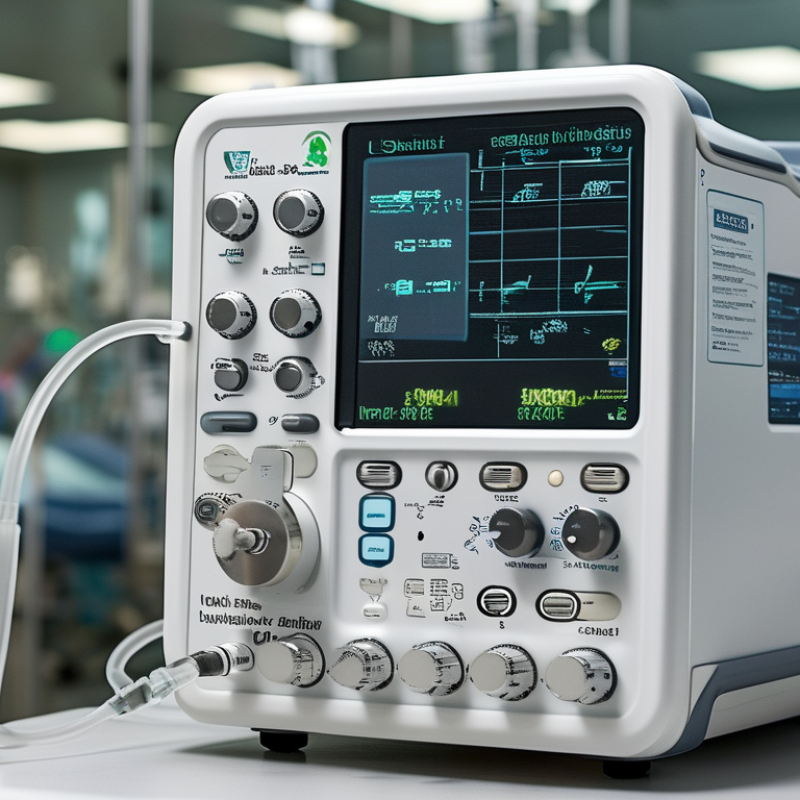
Top 10 Medical Syringe Pump Suppliers Worldwide

Medical Syringe Pumps: Definition, Uses, and Core Features

Medical Syringe Pumps: Definition, Uses, and Core Features

A medical syringe pump delivers small fluid volumes at a controlled rate. It uses a motor-driven mechanism to push a syringe plunger steadily. This precision supports care when gravity-fed systems may be too variable. Common applications include controlled medication delivery, neonatal care, anesthesia, and laboratory procedures.

A pump usually includes a syringe holder, drive mechanism, rate controls, and alarm functions. Occlusion alarms can detect resistance in the tubing. Air-in-line detection may identify bubbles before delivery continues. Battery operation helps during patient transfers or temporary power loss. Clear displays also reduce reading errors in dim clinical environments.

Experienced clinicians check compatibility between the pump, syringe size, tubing, and prescribed therapy. Small differences can affect delivery accuracy. That assumption can fail. Healthcare teams should review flow-rate limits, bolus behavior, alarm response, cleaning procedures, and maintenance records. Engineering teams may also examine electrical safety and performance testing under applicable medical-device requirements. A reliable supplier should provide traceable documentation, training materials, and responsive technical support. No pump is perfect. Human checks still matter, especially when the device handles very low flow rates. In practice, staff should confirm the loaded syringe, programmed settings, and remaining volume before starting therapy. These simple details are easy to overlook.

How the Top 10 Global Suppliers Are Selected

Top 10 Medical Syringe Pump Suppliers Worldwide

How the Top 10 Global Suppliers Are Selected

Selecting the top ten medical syringe pump suppliers requires more than counting sales or website visibility. The process should examine verified clinical experience, manufacturing capability, and documented quality systems. Evidence may include regulatory registrations, relevant certifications, product recalls, published performance data, and hospital references. Supplier longevity also matters, but it should not outweigh current reliability. Evidence matters.

Evaluation teams should compare flow-rate accuracy, alarm performance, battery endurance, syringe compatibility, and usability in real clinical settings. They should also review technical support, training, spare-parts access, and delivery consistency across regions. Independent testing and feedback from biomedical engineers can reveal issues that brochures often miss. No list is perfect. Market data changes, and some suppliers disclose more information than others. Therefore, each score should include a clear research date, source record, and explanation of weighting. A supplier with strong technology but weak after-sales service may deserve a lower position.

Tips: Check certification details directly. Request recent test reports and service records. Ask whether local technicians can respond quickly. Do not rely on price alone. A low purchase cost can hide maintenance delays, limited accessories, or difficult software updates. One practical review is never enough. Use several sources, and record uncertainties before publishing the final ranking.

Profiles of the Top 10 Medical Syringe Pump Suppliers

The top ten medical syringe pump suppliers show distinct strengths rather than identical product strategies. Hospital-focused suppliers usually offer compact units, touchscreen controls, drug libraries, and alarm histories. Critical-care specialists emphasize flow accuracy, occlusion detection, and battery endurance. A few concentrate on neonatal care, where small syringe volumes make every decimal important. Others serve laboratories, ambulances, or home-care settings.

According to MarketsandMarkets’ 2024 analysis, the global syringe pump market is expanding steadily, supported by infusion therapy, oncology, and intensive-care demand. However, market estimates differ across research firms. That variation deserves attention. The ten leading suppliers can therefore be profiled through measurable capabilities: flow-rate range, bolus control, alarm response, cybersecurity documentation, cleaning resistance, and service coverage. IEC 60601-2-24 remains a key reference for infusion-device safety and performance testing. Buyers should request independent verification, not accept brochures as evidence.

Experienced suppliers also separate disposable accessories from reusable pump hardware. This affects infection-control workflows and total ownership costs. Strong technical teams provide training records, preventive-maintenance schedules, and clear fault-reporting procedures. In my assessment, the best suppliers are not always those with the widest catalogue. Reliability during a night shift matters more. A useful weakness remains: published laboratory accuracy may not reflect real wards, where tilted surfaces, worn syringes, temperature changes, and rushed setup can alter performance. Trial evaluations should include these imperfect conditions.

Medical Syringe Pump Supplier Landscape: Common Syringe Capacities

Standard syringe capacities commonly considered when evaluating medical syringe pump compatibility.

Syringe pumps are commonly assessed by their ability to accommodate different nominal syringe sizes. The capacities shown—5 mL, 10 mL, 20 mL, 30 mL, 50 mL, and 60 mL—represent widely used clinical syringe volumes; actual compatibility depends on the pump model and syringe type.

Product Comparison: Performance, Safety, and Application Range

Top 10 Medical Syringe Pump Suppliers Worldwide

Comparing syringe pumps requires more than checking flow-rate ranges. Performance depends on delivery accuracy, occlusion response, battery endurance, and alarm visibility. The WHO technical specifications for infusion devices emphasize controlled flow, clear alarms, and safe operation across clinical settings. In practice, a pump delivering 5 mL per hour should maintain stable output during long infusions. Small deviations can matter in neonatal care. Laboratory testing helps, but bedside handling reveals weaknesses.

Safety deserves equal weight. The U.S. FDA reported more than 56,000 infusion-pump adverse-event reports and 87 recalls between 2005 and 2009. These figures remain a useful warning, although they cover older equipment. Current comparisons should examine anti-bolus protection, free-flow prevention, occlusion detection, and event logs. IEC 60601-2-24 also provides relevant safety and performance requirements for infusion pumps. Compliance is valuable, not conclusive. A certified device can still frustrate nurses with unclear menus or poorly placed buttons.

Application range separates suitable suppliers from merely capable ones. Intensive care may require precise low-rate delivery, while oncology units need drug-library support and strong traceability. Ambulance teams may prioritize compact frames and battery life. Rural hospitals need simple maintenance and dependable alarms. Grand View Research has identified continued growth in the global infusion-pump market, driven by chronic disease care and hospital modernization. That growth should not encourage careless selection. I would compare real-world error logs, cleaning access, service response, and training time before ranking the top ten. Fancy screens are not always safer.

Key Factors for Choosing a Worldwide Syringe Pump Supplier

Top 10 Medical Syringe Pump Suppliers Worldwide

Key Factors for Choosing a Worldwide Syringe Pump Supplier

Choosing a worldwide syringe pump supplier requires more than comparing prices. Begin with documented clinical experience, product testing, and a clear quality management system. Ask for evidence. Certifications should match the markets where the pumps will operate. Review applicable standards, electrical safety reports, and risk management records before procurement.

Accuracy matters during low-flow infusion. Examine occlusion detection, delivery consistency, alarm visibility, and battery performance. Request test data using the syringe sizes used in your facility. A pump may perform well in a brochure but behave differently with certain syringes, tubing, or medications. Test before ordering.

Service capability often separates reliable suppliers from temporary vendors. Check response times, technician training, spare-parts availability, software updates, and calibration support. Local language assistance can reduce delays during installation and staff training. Ask whether the supplier provides traceable maintenance records and practical troubleshooting guides.

Worldwide distribution also brings operational risks. Confirm shipping procedures, warranty conditions, replacement timelines, and regional technical coverage. Cybersecurity documentation is increasingly important for connected devices. Do not accept vague answers. A supplier should explain limitations clearly, including battery aging, alarm-volume changes, and compatibility restrictions. No supplier is perfect. A careful evaluation records these weaknesses and considers whether the clinical team can manage them safely.

Copyright 2025 Fluidra S.A. | Created by BCM Marketing Agencia Privacy Policy Legal note | Cookie policy |

Technical cookies are strictly necessary for our website to work and you can navigate through it. These types of cookies are those that, for example, allow us to identify you, give you access to certain restricted parts of the page if necessary, or remember different options or services already selected by you, such as your privacy preferences. Therefore, they are activated by default, your authorization not being necessary in this regard. Through the configuration of your browser, you can block or alert the presence of this type of cookies, although such blocking will affect the proper functioning of the different functionalities of our website.


The analysis cookies allow us to study the navigation of the users of our website in general (for example, which sections of the page are the most visited, which services are used most and if they work correctly, etc.). From the statistical information on navigation on our website, we can improve both the operation of the page itself and the different services it offers. Therefore, these cookies do not have an advertising purpose, but only serve to make our website work better, adapting to our users in general. By activating them you will contribute to this continuous improvement. You can enable or disable these cookies by checking the corresponding box, being disabled by default.


Functionality cookies allow us to remember your preferences, to personalize certain characteristics and general options of our website, every time you access it (for example, the language in which the information is presented to you, the sections marked as favorites, your browser type, etc.) Therefore, this type of cookies does not have an advertising purpose, but by activating them you will improve the functionality of the website (for example, adapting to your type of browser) and the customization of it based on your preferences (for example, by presenting the information in the language that you have chosen in previous occasions), which will contribute to the ease, usability and comfort of our page during your navigation. You can enable or disable these cookies by checking the corresponding box, being disabled by default.


Advertising cookies allow us to manage the advertising spaces included in our website based on criteria such as the content shown or the frequency in which the ads are displayed. For example, if you have been shown the same ad several times on our website, and you have not shown a personal interest by clicking on it, it will not appear again. In summary, by activating this type of cookies, the advertising shown on our website will be more useful and diverse, and less repetitive. You can enable or disable these cookies by checking the corresponding box, being disabled by default.


Behavioral advertising cookies allow us to obtain information based on the observation of your browsing habits and behaviors on the web, in order to show you advertising content that best suits your personal tastes and interests. To understand it in a very simple way, we will give you a fictitious example: if your last searches on the web were related to suspense literature, we would show you advertising about suspense books. Therefore, activating this type of cookies, the advertising that we show you on our website will not be generic, but will be oriented to your searches, tastes and interests, therefore adjusting exclusively to you. You can enable or disable these cookies by checking the corresponding box, being disabled by default.
To understand it in a very simple way, we will give you a fictitious example: if your last searches on the web were related to suspense literature, we would show you advertising about suspense books. Therefore, activating this type of cookies, the advertising that we show you on our website will not be generic, but will be oriented to your searches, tastes and interests, therefore adjusting exclusively to you. You can enable or disable these cookies by checking the corresponding box, being disabled by default.

SAVE

We use our own and third-party cookies to ensure the proper functioning of the website and to analyse our services, improve your experience on our website and show you advertisements related to your interests according to profiling based on your browsing habits (e.g. websites visited). You can accept all cookies by clicking "ACCEPT" or set or reject them by clicking here. If you would like to know more about the use of cookies, please see our COOKIE POLICY.


ACCEPT ALL
Reject no essentials


