
Top 5 Tips for Choosing Welded Steel Grating in Your Projects?
FLUID HANDLING EXPERTS

Blog, all our news

Top 5 Tips for Choosing Welded Steel Grating in Your Projects?

When selecting materials for construction projects, Welded Steel Grating emerges as a prominent choice. Its strength, durability, and versatility make it ideal for various applications. However, choosing the right type of welded steel grating can be challenging. Many factors come into play, influencing the final decision.

Understanding your project’s needs is crucial. Consider the environment where the grating will be installed. Will it face heavy foot traffic or exposure to harsh chemicals? These considerations impact your choice significantly. Moreover, many overlook the importance of load capacity. Not all gratings are created equal.

Also, think about the specific design and style you prefer. Welded Steel Grating comes in various patterns and finishes. While aesthetic might not be the priority, it still holds value in the overall design. Balancing function and appearance can lead to a successful project. Engaging with professionals who have experience in selecting welded steel grating can also provide insights. Their expertise can guide you in making informed decisions. Aim for a solution that meets both functional and aesthetic needs.
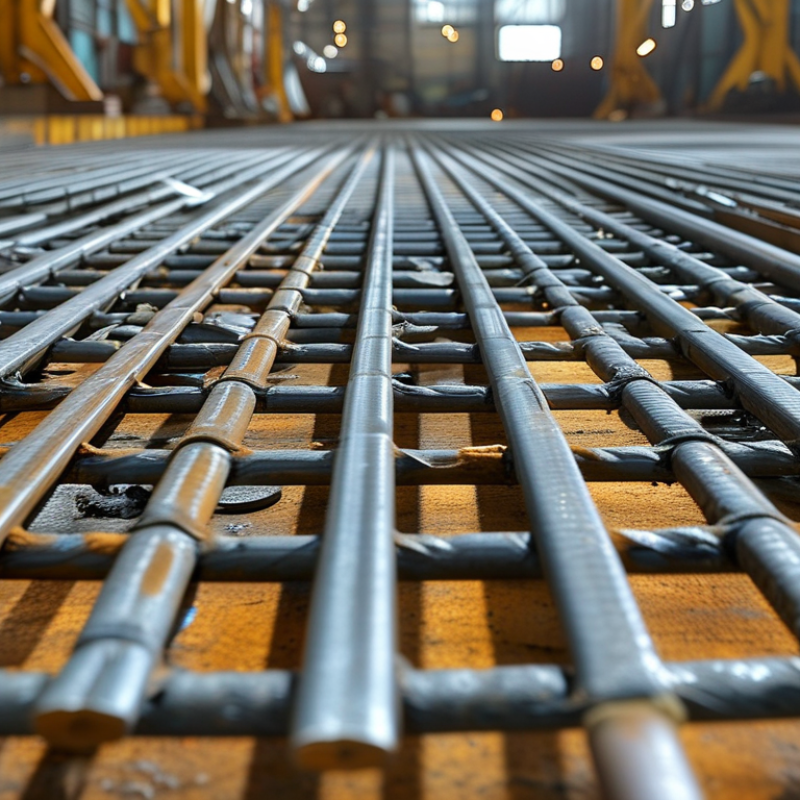
Top 5 Tips for Choosing Welded Steel Grating in Your Projects?

Understanding the Importance of Welded Steel Grating in Construction Projects

Welded steel grating plays a vital role in construction projects. Its strength and durability make it an ideal choice for flooring and walkways. When choosing welded steel grating, understanding its significance is crucial. Proper selection affects safety, maintenance, and the overall longevity of your project.

The open design of welded steel grating allows for effective drainage. This prevents water buildup and minimizes slip hazards. It’s essential to ensure the chosen grating fits the specific needs of your project. For example, consider the load requirements and environmental conditions. Each project is unique, and a one-size-fits-all solution might not work effectively.

In some cases, contractors overlook the importance of the right finish. A grating with an anti-slip surface can greatly enhance safety. Yet, not all coatings or finishes provide the same level of protection. It is crucial to assess how environmental factors will affect the material over time. Clearly, attention to these details can lead to better outcomes, but it requires constant reflection and research.

Key Factors to Consider When Selecting Welded Steel Grating Materials

When selecting welded steel grating, there are several key factors to consider. Durability is paramount. Ensure the materials can withstand harsh environments, weight loads, and potential corrosion. Hot-dipped galvanization or stainless steel options may present better longevity. Evaluate the specific application to determine which coating will be most effective.

Another vital aspect is the load-bearing capacity. Different projects have varied requirements based on foot traffic or machinery usage. It's crucial to consult structural guidelines for appropriate thickness and spacing. This ensures safety and functionality.

Additionally, consider the installation process. Some grating types may require more time and resources to install. Look for designs that offer ease of handling. Choose materials that align with your project’s timeline. Reflect on these elements, as an oversight here could lead to costly adjustments later.

Evaluating Load-Bearing Capacities for Your Specific Application Needs

When selecting welded steel grating, load-bearing capacities play a crucial role in application suitability. Each project has unique requirements. Understanding these requirements is essential for safety and performance. According to the AISC, the load capacity of grating depends on material properties, thickness, and bar spacing.

Grating comes in various configurations, each suited to specific loads. For instance, standard welded steel grating can support loads ranging from 400 to 1,800 pounds per square foot. Factors that affect these capacities include the type of environment and wear conditions. Industrial settings may require more robust solutions. A failure to account for these factors could lead to significant safety hazards.

Moreover, it is essential to think about future load scenarios. Temporary or permanent loads can change over time. This unpredictability highlights the need for a conservative approach when selecting grating types. A study by the NIST emphasizes that load assessments should consider not just immediate needs, but potential increases due to operational changes. Prioritizing accurate load capacity evaluations prevents costly mistakes down the line.

Assessing Corrosion Resistance in Welded Steel Grating Options

When selecting welded steel grating, assessing corrosion resistance is crucial. Corrosion can weaken the material, leading to safety issues. It's important to choose grating made from high-quality steel. This material needs to withstand harsh environmental factors, especially in coastal areas. Zinc coating and galvanization offer additional layers of protection. However, not all coatings are created equal. Researching the specific coatings can help you make an informed choice.

Consider the environment where the grating will be used. High humidity, salt exposure, and chemical exposure can accelerate corrosion. In these cases, stainless steel may be a better option, despite its higher cost. It’s essential to weigh the long-term benefits against initial expenses. Real-life case studies often reveal that investing in corrosion-resistant grating saves money over time. Regular maintenance is also necessary. Even the best materials require an occasional check for wear and tear. Ignoring signs of corrosion can escalate repair costs dramatically, leading to project delays.

Ultimately, each project has its unique demands. What works in one setting may not be the ideal choice in another. Pay attention to specifics. Sometimes even small design alterations can greatly impact the effectiveness of the grating. Your choice should reflect both immediate needs and future challenges. Taking a thorough approach ensures safety and longevity in your projects.

Comparing Cost and Durability: Making an Informed Choice for Your Project

When selecting welded steel grating for your project, understanding cost versus durability is essential. Steel grating can be a significant investment. The upfront cost may seem high, but consider the long-term benefits. A durable product can withstand harsh conditions, saving money on replacements.

Evaluating options based on their usage is important. Consider the weight thresholds and environmental factors like corrosion. These details can make or break your project. Sometimes, low-cost options end up costing more over time. They might not hold up under pressure or weather.

In making a choice, weigh your priorities meticulously. Are you looking for longevity? Or is budget your predominant concern? It's crucial to be aware of the possible trade-offs. A less expensive grating might need more upkeep. Quality assurance in materials ensures reliability. Reflect on these aspects before finalizing your decision.

Cost vs Durability of Welded Steel Grating Options

Copyright 2025 Fluidra S.A. | Created by BCM Marketing Agencia Privacy Policy Legal note | Cookie policy |

Technical cookies are strictly necessary for our website to work and you can navigate through it. These types of cookies are those that, for example, allow us to identify you, give you access to certain restricted parts of the page if necessary, or remember different options or services already selected by you, such as your privacy preferences. Therefore, they are activated by default, your authorization not being necessary in this regard. Through the configuration of your browser, you can block or alert the presence of this type of cookies, although such blocking will affect the proper functioning of the different functionalities of our website.


The analysis cookies allow us to study the navigation of the users of our website in general (for example, which sections of the page are the most visited, which services are used most and if they work correctly, etc.). From the statistical information on navigation on our website, we can improve both the operation of the page itself and the different services it offers. Therefore, these cookies do not have an advertising purpose, but only serve to make our website work better, adapting to our users in general. By activating them you will contribute to this continuous improvement. You can enable or disable these cookies by checking the corresponding box, being disabled by default.


Functionality cookies allow us to remember your preferences, to personalize certain characteristics and general options of our website, every time you access it (for example, the language in which the information is presented to you, the sections marked as favorites, your browser type, etc.) Therefore, this type of cookies does not have an advertising purpose, but by activating them you will improve the functionality of the website (for example, adapting to your type of browser) and the customization of it based on your preferences (for example, by presenting the information in the language that you have chosen in previous occasions), which will contribute to the ease, usability and comfort of our page during your navigation. You can enable or disable these cookies by checking the corresponding box, being disabled by default.


Advertising cookies allow us to manage the advertising spaces included in our website based on criteria such as the content shown or the frequency in which the ads are displayed. For example, if you have been shown the same ad several times on our website, and you have not shown a personal interest by clicking on it, it will not appear again. In summary, by activating this type of cookies, the advertising shown on our website will be more useful and diverse, and less repetitive. You can enable or disable these cookies by checking the corresponding box, being disabled by default.


Behavioral advertising cookies allow us to obtain information based on the observation of your browsing habits and behaviors on the web, in order to show you advertising content that best suits your personal tastes and interests. To understand it in a very simple way, we will give you a fictitious example: if your last searches on the web were related to suspense literature, we would show you advertising about suspense books. Therefore, activating this type of cookies, the advertising that we show you on our website will not be generic, but will be oriented to your searches, tastes and interests, therefore adjusting exclusively to you. You can enable or disable these cookies by checking the corresponding box, being disabled by default.
To understand it in a very simple way, we will give you a fictitious example: if your last searches on the web were related to suspense literature, we would show you advertising about suspense books. Therefore, activating this type of cookies, the advertising that we show you on our website will not be generic, but will be oriented to your searches, tastes and interests, therefore adjusting exclusively to you. You can enable or disable these cookies by checking the corresponding box, being disabled by default.

SAVE

We use our own and third-party cookies to ensure the proper functioning of the website and to analyse our services, improve your experience on our website and show you advertisements related to your interests according to profiling based on your browsing habits (e.g. websites visited). You can accept all cookies by clicking "ACCEPT" or set or reject them by clicking here. If you would like to know more about the use of cookies, please see our COOKIE POLICY.


ACCEPT ALL
Reject no essentials


