
10 Tips for Choosing the Right Embossed Aluminum Sheet
FLUID HANDLING EXPERTS

Blog, all our news

10 Tips for Choosing the Right Embossed Aluminum Sheet

Choosing the right Embossed Aluminum Sheet is more demanding than selecting a pattern from a product catalog. Surface texture, alloy grade, temper, thickness, and forming performance can change the final result. A raised diamond pattern may improve slip resistance, while a fine stucco finish can hide minor scratches on wall panels. That sounds simple. It is not.

Market data explains why this choice deserves careful attention. The International Aluminium Institute projects strong long-term aluminum demand growth, supported by transport, construction, and renewable-energy applications. Its 1.5°C-aligned pathway also emphasizes higher recycling rates and lower-carbon production. The U.S. Geological Survey’s Mineral Commodity Summaries continues to identify aluminum as a major global industrial metal, with primary production measured in tens of millions of metric tons annually. These figures show scale, but they do not guarantee product quality. Buyers must still verify the mill, alloy, temper, thickness tolerance, and certificate details.

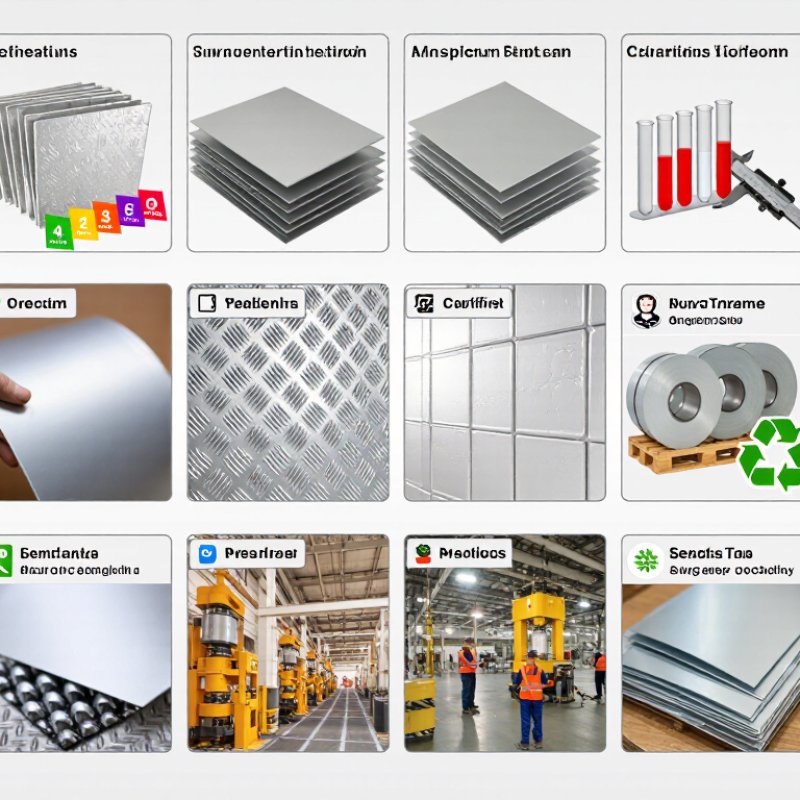
This guide presents ten practical tips for evaluating an Embossed Aluminum Sheet before purchase. The recommendations reflect common requirements in fabrication, flooring, architectural cladding, and protective equipment. ASTM B209 is a useful reference for aluminum sheet and plate specifications, although project requirements may demand additional testing. Ask for samples. Check the underside. Measure the real thickness, not only the advertised gauge. Even experienced purchasers can overlook pattern depth or coating adhesion. I have seen specifications that looked complete but lacked temper information. That small omission can affect bending, durability, and cost. A reliable decision combines laboratory documentation with a physical inspection under realistic lighting.
10 Tips for Choosing the Right Embossed Aluminum Sheet

Define the Purpose and Application of the Embossed Aluminum Sheet

Before selecting an embossed aluminum sheet, define where it will work and what it must endure. A workshop wall, vehicle floor, and decorative ceiling need different performance. In my material reviews, I begin with contact, movement, moisture, and cleaning methods. Will workers walk on it with wet boots? Will carts cross it daily? These details shape the required pattern depth, alloy, thickness, and surface finish. A raised pattern can improve traction, but it also collects dust and oil. That trade-off is easy to overlook.

For flooring, verify slip resistance under actual conditions, not only in a dry sample test. Ask for documented mechanical data, dimensional tolerances, and corrosion information from a qualified supplier. The sheet should match the supporting frame, fasteners, edge treatment, and expected loads. A thin panel may look adequate during installation. It can flex later.

For wall cladding or machine guards, appearance and cleanability may matter more than walking strength. Measure bends, cutouts, and joining gaps before ordering. Small errors become expensive when several panels meet.

I once treated a textured finish as a universal solution; it was not. A deep pattern improved grip but made routine cleaning slower. That experience changed my specification checklist.

Review temperature, chemicals, impact, and maintenance frequency with the people using the space. Request a sample close to the final thickness and pattern. Then test it in place, if possible. Purpose should guide every specification.

Compare Embossing Patterns, Materials, and Surface Finishes

10 Tips for Choosing the Right Embossed Aluminum Sheet

Embossing patterns affect grip, appearance, cleaning, and load distribution. Diamond and five-bar patterns offer firm footing, while stucco textures hide minor dents. Smaller patterns can feel smoother, but they may collect dust in busy areas. Test the sheet with a gloved hand and a damp cloth. Samples can mislead.

Material selection matters too. Alloy 3003 offers good formability and corrosion resistance for general panels. Alloy 5052 is stronger and performs better in demanding environments. ASTM B209 provides useful requirements for aluminum sheet composition and mechanical properties. The International Aluminium Institute reports that recycled aluminum uses about 5% of the energy required for primary aluminum production. Ask for recycled content data, not vague sustainability claims.

Surface finish changes maintenance and service life. Mill finish keeps a practical, industrial look. Anodized surfaces provide controlled color and improved abrasion resistance. Powder-coated finishes offer many colors, but edge damage can expose the substrate. USGS Mineral Commodity Summaries 2024 highlights aluminum’s broad use in transportation, construction, and packaging, increasing the need for efficient material choices. I have seen attractive finishes fail when installers ignored drainage and cut-edge protection. That mistake is easy to repeat. Compare gloss, texture, coating thickness, and cleaning instructions under real lighting. A cheaper sheet may become expensive after repeated repairs.

Check Sheet Thickness, Strength, and Dimensional Requirements

10 Tips for Choosing the Right Embossed Aluminum Sheet

Sheet thickness should be measured at the flat base, not across the raised pattern. This small detail prevents incorrect weight and clearance calculations. The Aluminum Association’s Aluminum Standards and Data 2021 lists 5052-H32 aluminum with a typical yield strength near 193 MPa. Comparable 3003-H14 sheet is often listed near 145 MPa. These figures vary with thickness, temper, and supplier testing. Do not treat them as guaranteed design values.

Strength depends on the span, fixing method, impact risk, and panel shape. A thicker sheet may still fail if unsupported over a wide opening. I have seen projects specify a strong alloy but ignore edge deflection. That was an expensive oversight. Ask for certified tensile data, temper, and the applicable ASTM B209/B209M requirements. The International Aluminium Institute reported global primary aluminum production above 70 million metric tonnes in 2023. That scale does not remove quality variation between mills.

Dimensional control needs equal attention. Confirm length, width, base thickness, pattern height, squareness, and flatness before ordering. For interlocking panels, even a small width difference can create visible steps. Define tolerances in the drawing, not only in an email. Check whether the supplier measures thickness before or after embossing. This is often unclear. Leave practical allowance for cutting, thermal movement, and installation gaps. A trial panel can reveal pattern distortion, edge curling, or unexpected slip behavior before full production.

Evaluate Corrosion Resistance, Maintenance, and Service Conditions

10 Tips for Choosing the Right Embossed Aluminum Sheet

Evaluate Corrosion Resistance, Maintenance, and Service Conditions

Corrosion resistance begins with the service environment, not the pattern. Check humidity, salt exposure, chemicals, temperature swings, and trapped water. Choose the alloy, temper, coating, and emboss depth together. Deep patterns can hold dust and moisture around valleys. Inspect edges, drilled holes, joints, and contact with dissimilar metals. These areas often fail before the main surface. Keep drainage paths open. Avoid fasteners that create galvanic couples.

The AMPP IMPACT study estimated global corrosion costs at 2.5 trillion dollars annually, equal to about 3.4% of global GDP. That figure makes maintenance planning more than a cosmetic concern. Specify a cleaning schedule based on exposure, not convenience. Coastal panels may need frequent rinsing with clean water. Industrial sites may require compatible cleaners and closer inspections. Request coating thickness, adhesion, and salt-spray test data. ASTM B117 results help compare samples, but they do not predict exact field life.

A clean laboratory panel can mislead. I have seen overlooked cut edges become the weakest points. Review the supplier’s inspection records, service references, and repair instructions. Ask how the sheet performs after bending, fastening, and repeated washing. Also check whether the embossed surface can be wiped without leaving residue. Small details matter. Reconsider the specification if maintenance access is poor, drainage is limited, or chemical exposure may change. Corrosion prevention is rarely perfect, but documented assumptions make future failures easier to understand.

10 Tips for Choosing the Right Embossed Aluminum Sheet: Corrosion Resistance, Maintenance, and Service Conditions
Tip Evaluation Dimension What to Check Practical Selection Guidance Typical Service Condition Corrosion Resistance Maintenance Consideration
1 Identify the alloy Confirm the aluminum alloy and temper listed on the material certificate. 3003 is commonly selected for general-purpose formed sheet applications, while 5052 is better suited to applications requiring higher strength and improved resistance to marine exposure. Indoor equipment, wall panels, flooring, vehicle components, and moderate outdoor use. Good to very good Routine cleaning is normally sufficient when the sheet is kept free from trapped moisture and corrosive deposits.
2 Match the sheet to the environment Assess humidity, salt spray, industrial gases, chemical contact, and temperature fluctuations. Use a more corrosion-resistant alloy or protective finish in coastal, humid, or chemically aggressive environments. Avoid selecting solely on appearance. Coastal buildings, food-processing areas, industrial workshops, and exterior cladding. Environment dependent Increase inspection frequency where chloride, sulfur compounds, or cleaning chemicals may accumulate.
3 Evaluate the embossing pattern Check pattern depth, uniformity, raised areas, valleys, and the possibility of liquid or dirt retention. Select a pattern that provides the required slip resistance or visual effect without creating deep pockets that are difficult to clean. Walkways, platforms, stair treads, vehicle interiors, and decorative panels. Depends on drainage Embossed valleys should be washed and dried regularly because retained dirt and moisture can promote localized staining or corrosion.
4 Check thickness and dimensional tolerance Verify base thickness, overall thickness, width, length, flatness, and allowable tolerance. Choose a thickness that supports the expected load and span. Embossing increases surface depth but should not be treated as a substitute for structural design calculations. Light-duty panels, medium-duty flooring, equipment covers, and fabricated components. Indirect benefit Correct thickness reduces denting and surface damage, which helps preserve protective finishes during service.
5 Consider the mechanical load Review static load, rolling load, impact, vibration, support spacing, and deflection requirements. For load-bearing or frequently trafficked surfaces, use engineering calculations to determine alloy, temper, thickness, and support arrangement. Industrial floors, ramps, platforms, loading areas, and access covers. Material dependent Inspect for dents, cracks, loose fasteners, and damaged edges because mechanical damage can expose vulnerable areas.
6 Review surface treatment Determine whether the sheet is mill-finished, anodized, painted, or otherwise coated. Anodized or properly coated surfaces can provide additional protection, but the treatment must be compatible with forming, cutting, cleaning, and outdoor exposure. Decorative panels, façades, interior wall systems, and exposed equipment surfaces. Higher with suitable finish Use non-abrasive cleaners and avoid damaging the coating with harsh chemicals, steel wool, or aggressive tools.
7 Check galvanic compatibility Identify contact with steel, copper, brass, carbon-fiber materials, or treated wood that may remain wet. Separate dissimilar metals with suitable nonconductive washers, gaskets, coatings, or sealants, especially in damp or salt-laden environments. Exterior frames, marine-adjacent structures, roofing details, and mixed-metal assemblies. High risk if poorly isolated Inspect joints and fasteners for white corrosion products, staining, looseness, or water accumulation.
8 Assess drainage and installation details Review slope, ventilation, lap joints, cut edges, fastener locations, and areas where water may be trapped. Provide drainage paths and avoid crevices. Seal or protect cut edges when the application and exposure level require it. Outdoor flooring, cladding, awnings, roofs, and equipment enclosures. Good with proper detailing Remove leaves, dust, salt, and standing water. Pay particular attention to overlaps and concealed joints.
9 Define the cleaning program Confirm the type and frequency of cleaning, including exposure to detergents, disinfectants, oils, and abrasive particles. For ordinary dirt, use clean water and a mild, near-neutral detergent with a soft cloth or brush. Test any chemical cleaner on a small area first. Commercial kitchens, transportation facilities, workshops, public buildings, and clean areas. Sensitive to chemicals Avoid strong acids, strong alkalis, chloride-rich residues, and abrasive cleaning methods unless specifically approved for the finish.
10 Plan inspection and service life Set inspection intervals based on exposure, traffic, cleaning practices, and the consequences of failure. Record corrosion spots, coating damage, deformation, fastener condition, and changes in slip performance. Replace severely damaged sections rather than masking defects. High-traffic floors, coastal installations, chemical facilities, and safety-critical access areas. Improves with preventive care Routine inspection and early repair reduce replacement costs and help maintain appearance, safety, and corrosion protection.
Selection should be verified against the project’s load calculations, applicable building or safety standards, alloy specifications, finish requirements, and actual chemical exposure.

Verify Supplier Quality, Standards, Pricing, and Delivery Terms

Supplier verification should start with the sheet itself, not a polished website. Request alloy, temper, thickness, embossing height, surface finish, and tolerance records. ASTM B209 and EN 485 provide useful benchmarks for aluminum sheet specifications. Ask for mill test certificates, batch numbers, and independent inspection options. USGS Mineral Commodity Summaries 2024 reported about 70 million metric tons of global primary aluminum production in 2023. Large supply does not guarantee consistent quality. It only makes traceability more important.

Pricing needs technical context. Compare quotations using the same alloy, dimensions, packaging, and quantity. World Bank Pink Sheet data placed the 2023 average aluminum price near US$2,256 per metric ton. However, an embossed sheet includes rolling, pattern control, cutting, packing, and freight costs. A cheap quote may exclude tooling or inspection fees. Check whether the price is fixed, indexed, or adjustable. I have seen buyers compare only the unit price. That is a costly blind spot.

Delivery terms deserve equal scrutiny. Confirm production lead time, port, insurance responsibility, customs documents, and the agreed Incoterms 2020 rule. Require a realistic shipment schedule, not a hopeful estimate. Ask how the supplier handles thickness variation, damaged corners, or delayed containers. Photos before loading can help, but they are not a substitute for inspection. The International Chamber of Commerce states that Incoterms define delivery responsibilities, not product quality or payment security. That distinction is easy to miss. Get every promise in writing.

Copyright 2025 Fluidra S.A. | Created by BCM Marketing Agencia Privacy Policy Legal note | Cookie policy |

Technical cookies are strictly necessary for our website to work and you can navigate through it. These types of cookies are those that, for example, allow us to identify you, give you access to certain restricted parts of the page if necessary, or remember different options or services already selected by you, such as your privacy preferences. Therefore, they are activated by default, your authorization not being necessary in this regard. Through the configuration of your browser, you can block or alert the presence of this type of cookies, although such blocking will affect the proper functioning of the different functionalities of our website.


The analysis cookies allow us to study the navigation of the users of our website in general (for example, which sections of the page are the most visited, which services are used most and if they work correctly, etc.). From the statistical information on navigation on our website, we can improve both the operation of the page itself and the different services it offers. Therefore, these cookies do not have an advertising purpose, but only serve to make our website work better, adapting to our users in general. By activating them you will contribute to this continuous improvement. You can enable or disable these cookies by checking the corresponding box, being disabled by default.


Functionality cookies allow us to remember your preferences, to personalize certain characteristics and general options of our website, every time you access it (for example, the language in which the information is presented to you, the sections marked as favorites, your browser type, etc.) Therefore, this type of cookies does not have an advertising purpose, but by activating them you will improve the functionality of the website (for example, adapting to your type of browser) and the customization of it based on your preferences (for example, by presenting the information in the language that you have chosen in previous occasions), which will contribute to the ease, usability and comfort of our page during your navigation. You can enable or disable these cookies by checking the corresponding box, being disabled by default.


Advertising cookies allow us to manage the advertising spaces included in our website based on criteria such as the content shown or the frequency in which the ads are displayed. For example, if you have been shown the same ad several times on our website, and you have not shown a personal interest by clicking on it, it will not appear again. In summary, by activating this type of cookies, the advertising shown on our website will be more useful and diverse, and less repetitive. You can enable or disable these cookies by checking the corresponding box, being disabled by default.


Behavioral advertising cookies allow us to obtain information based on the observation of your browsing habits and behaviors on the web, in order to show you advertising content that best suits your personal tastes and interests. To understand it in a very simple way, we will give you a fictitious example: if your last searches on the web were related to suspense literature, we would show you advertising about suspense books. Therefore, activating this type of cookies, the advertising that we show you on our website will not be generic, but will be oriented to your searches, tastes and interests, therefore adjusting exclusively to you. You can enable or disable these cookies by checking the corresponding box, being disabled by default.
To understand it in a very simple way, we will give you a fictitious example: if your last searches on the web were related to suspense literature, we would show you advertising about suspense books. Therefore, activating this type of cookies, the advertising that we show you on our website will not be generic, but will be oriented to your searches, tastes and interests, therefore adjusting exclusively to you. You can enable or disable these cookies by checking the corresponding box, being disabled by default.

SAVE

We use our own and third-party cookies to ensure the proper functioning of the website and to analyse our services, improve your experience on our website and show you advertisements related to your interests according to profiling based on your browsing habits (e.g. websites visited). You can accept all cookies by clicking "ACCEPT" or set or reject them by clicking here. If you would like to know more about the use of cookies, please see our COOKIE POLICY.


ACCEPT ALL
Reject no essentials


