
Top Tips for Choosing Self Propel Transfer Car for Your Business?
FLUID HANDLING EXPERTS

Blog, all our news

Top Tips for Choosing Self Propel Transfer Car for Your Business?

Choosing the right Self Propel Transfer Car for your business is critical. The right vehicle can enhance efficiency and productivity. However, many factors come into play when making this decision.

You need to assess your specific business needs. For instance, consider the weight capacity and size of goods you will be transporting. A Self Propel Transfer Car is not a one-size-fits-all solution. Some models may excel in tight spaces but lack power. Others might be robust yet unwieldy.

Additionally, think about the long-term maintenance and operational costs. Investing in a higher-quality Self Propel Transfer Car might seem daunting. However, it can save money and headaches down the line. Striking the right balance between cost and functionality is essential for any business owner. Each choice holds different implications, so reflection is vital.
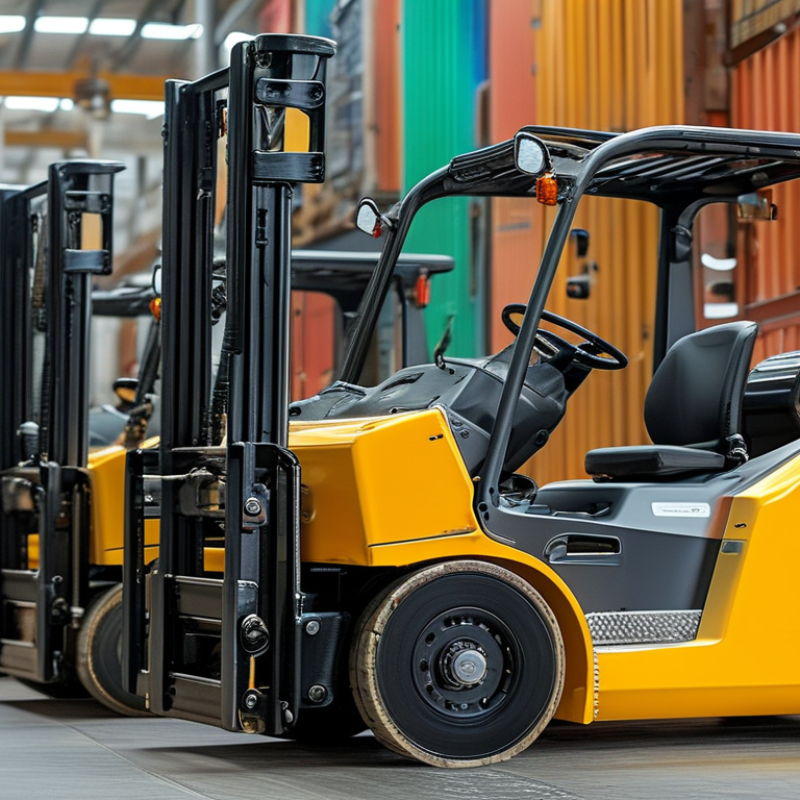
Top Tips for Choosing Self Propel Transfer Car for Your Business?

Essential Features to Consider in a Self Propel Transfer Car

When selecting a self propel transfer car for your business, several essential features should guide your decision. A report from the Material Handling Industry (MHI) highlights the importance of load capacity. Depending on the items transported, ensure the car can handle weights typically ranging from 1,000 to 10,000 pounds. Insufficient capacity can lead to accidents and inefficiencies.

Speed control is also crucial. Many businesses underestimate the importance of adjustable speed settings. A study shows vehicles with varied speed options improve safety and productivity by 25%. Moreover, consider battery life and charging times. Look for models offering at least eight hours of operation on a full charge to avoid interruptions.

Regular maintenance is a critical aspect often overlooked. Ensure the self propel transfer car has easy access for repairs and parts replacements. This can save your business significant downtime. Overall, keeping these factors in mind can greatly enhance operational efficiency.

Top Tips for Choosing Self Propel Transfer Car for Your Business

Feature Importance Considerations
Weight Capacity High Ensure the car can handle the maximum load you anticipate.
Battery Life Medium Choose a model that offers adequate runtime for your operations.
Maneuverability High Opt for a design that allows easy navigation in tight spaces.
Safety Features High Look for features like emergency brakes and stability controls.
Durability Medium Ensure materials can withstand industrial usage.
Cost High Evaluate if the price fits your budget and offers good value.
Maintenance Requirements Medium Consider how easy it is to maintain and service the vehicle.

Understanding the Different Types of Self Propel Transfer Cars

When selecting a self-propel transfer car, it’s essential to understand the various types available. These types include electric, manual, and hybrid options. Each category offers distinct advantages and caters to different business needs. According to a report by the Warehouse Equipment Manufacturers Institute, over 70% of businesses prioritize power efficiency and load capacity when choosing transfer cars.

Electric transfer cars typically feature robust battery systems. They are ideal for indoor use and can handle significant loads with ease. However, some users express concerns about battery life and recharge duration. On the other hand, manual options are often more cost-effective but require physical exertion from workers, which might lead to fatigue over time.

Tips for choosing the right type include evaluating your workspace. If it’s narrow or cluttered, a compact model may be best. Also, consider future growth; selecting a model with more capacity than your current needs can save you from future costs. Lastly, prioritize comfort. Investing in ergonomic designs can enhance worker satisfaction and productivity.

Evaluating Weight Capacity and Load Requirements for Your Business

When selecting a self-propel transfer car, understanding weight capacity and load requirements is crucial. Many businesses overlook this aspect. A failure to meet these requirements can lead to operational inefficiencies and safety hazards. According to industry reports, improperly chosen transfer cars can exacerbate wear and tear on equipment, increasing maintenance costs by an average of 15%.

The weight capacity of a transfer car must align with the items being transported. For instance, if your facility handles heavy machinery, select a car that can support the maximum weight of those items. Research indicates that a significant portion of accidents in manufacturing stems from exceeding load limits. Inadequate weight capacity can lead to tipping or structural failure of the transfer vehicle.

Analyzing load requirements is equally important. Assess the items' dimensions and distribution. A transfer car designed for a small, compact load may struggle with larger or unevenly distributed cargo. The American Society of Mechanical Engineers suggests that knowing the center of gravity of your loads can improve safety and efficiency. This knowledge can prevent mishaps and enhance productivity. Every business should take the time to evaluate these factors carefully.

Assessing Safety Features in Self Propel Transfer Cars

When selecting a self-propel transfer car, safety features are paramount. These vehicles are usually used in busy environments, so robust safety systems can prevent accidents. Look for cars equipped with emergency stop buttons and anti-collision sensors. These features can significantly reduce the risk of injury during operation.

Another crucial aspect is load capacity. Each transfer car has a different weight limit. Ensure the model you choose meets your business needs. Overloading can lead to malfunction or accidents. Regular maintenance is essential to keep safety features functioning properly. Check that brakes, steering, and warning lights work effectively.

Always consider operator training. Operators need to understand how to use safety features correctly. Provide simulations or practical training to help them gain confident operational expertise. This investment in knowledge enhances safety and efficiency on the job.

Analyzing Budget and Cost Considerations for Purchase or Lease

When considering a self-propel transfer car for your business, budget analysis becomes critical. Evaluate the total cost of ownership. This includes the initial purchase price, maintenance, and operational costs. Leasing can offer advantages, such as lower upfront costs. However, lease agreements may come with hidden fees. Understanding these nuances helps in making the best financial decision.

Tips for keeping costs manageable: assess your business's specific needs. Create a checklist of desired features. This prevents overspending on unnecessary options. Additionally, consider the lifespan of the equipment. Investing in durable models may reduce long-term expenses. Be aware of your budget constraints and prioritize essential functionalities.

While diving into leasing versus buying, ask tough questions. Is leasing truly more cost-effective? Analyze potential maintenance costs over time. A detailed comparison will provide insights. Reflecting on your current operations might reveal further cost-saving opportunities. Balancing cost with quality ensures you make an informed choice for your business.

Copyright 2025 Fluidra S.A. | Created by BCM Marketing Agencia Privacy Policy Legal note | Cookie policy |

Technical cookies are strictly necessary for our website to work and you can navigate through it. These types of cookies are those that, for example, allow us to identify you, give you access to certain restricted parts of the page if necessary, or remember different options or services already selected by you, such as your privacy preferences. Therefore, they are activated by default, your authorization not being necessary in this regard. Through the configuration of your browser, you can block or alert the presence of this type of cookies, although such blocking will affect the proper functioning of the different functionalities of our website.


The analysis cookies allow us to study the navigation of the users of our website in general (for example, which sections of the page are the most visited, which services are used most and if they work correctly, etc.). From the statistical information on navigation on our website, we can improve both the operation of the page itself and the different services it offers. Therefore, these cookies do not have an advertising purpose, but only serve to make our website work better, adapting to our users in general. By activating them you will contribute to this continuous improvement. You can enable or disable these cookies by checking the corresponding box, being disabled by default.


Functionality cookies allow us to remember your preferences, to personalize certain characteristics and general options of our website, every time you access it (for example, the language in which the information is presented to you, the sections marked as favorites, your browser type, etc.) Therefore, this type of cookies does not have an advertising purpose, but by activating them you will improve the functionality of the website (for example, adapting to your type of browser) and the customization of it based on your preferences (for example, by presenting the information in the language that you have chosen in previous occasions), which will contribute to the ease, usability and comfort of our page during your navigation. You can enable or disable these cookies by checking the corresponding box, being disabled by default.


Advertising cookies allow us to manage the advertising spaces included in our website based on criteria such as the content shown or the frequency in which the ads are displayed. For example, if you have been shown the same ad several times on our website, and you have not shown a personal interest by clicking on it, it will not appear again. In summary, by activating this type of cookies, the advertising shown on our website will be more useful and diverse, and less repetitive. You can enable or disable these cookies by checking the corresponding box, being disabled by default.


Behavioral advertising cookies allow us to obtain information based on the observation of your browsing habits and behaviors on the web, in order to show you advertising content that best suits your personal tastes and interests. To understand it in a very simple way, we will give you a fictitious example: if your last searches on the web were related to suspense literature, we would show you advertising about suspense books. Therefore, activating this type of cookies, the advertising that we show you on our website will not be generic, but will be oriented to your searches, tastes and interests, therefore adjusting exclusively to you. You can enable or disable these cookies by checking the corresponding box, being disabled by default.
To understand it in a very simple way, we will give you a fictitious example: if your last searches on the web were related to suspense literature, we would show you advertising about suspense books. Therefore, activating this type of cookies, the advertising that we show you on our website will not be generic, but will be oriented to your searches, tastes and interests, therefore adjusting exclusively to you. You can enable or disable these cookies by checking the corresponding box, being disabled by default.

SAVE

We use our own and third-party cookies to ensure the proper functioning of the website and to analyse our services, improve your experience on our website and show you advertisements related to your interests according to profiling based on your browsing habits (e.g. websites visited). You can accept all cookies by clicking "ACCEPT" or set or reject them by clicking here. If you would like to know more about the use of cookies, please see our COOKIE POLICY.


ACCEPT ALL
Reject no essentials



