
What is a Stainless Steel Glass Clamp and Its Uses?
FLUID HANDLING EXPERTS

Blog, all our news

What is a Stainless Steel Glass Clamp and Its Uses?

In the world of modern architecture and interior design, the Stainless Steel Glass Clamp plays a critical role. John Carter, a leading expert in architectural hardware, once stated, “The strength and elegance of a stainless steel glass clamp can define a space.” This sentiment captures the essence of what these clamps can do for both residential and commercial settings.

Stainless steel glass clamps are not just functional but also aesthetic. They provide a secure hold for glass panels while enhancing the overall look of a structure. Whether in shower enclosures or facades, their sleek design offers versatility. However, there is an ongoing debate about durability and corrosion resistance. Some users find that not all stainless steel clamps perform equally under harsh conditions.

Professionals must consider several factors when choosing a stainless steel glass clamp. The right choice impacts safety, aesthetics, and maintenance. Although many options are available, reflection on past failures helps in making informed decisions. While these clamps have numerous advantages, proper installation and material selection are vital for achieving desired results.
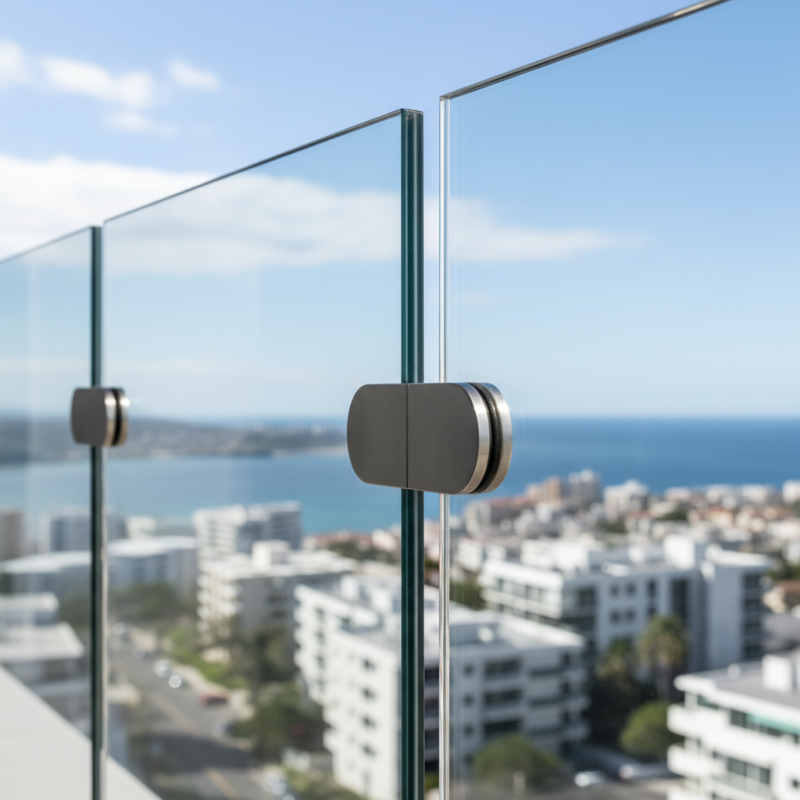
What is a Stainless Steel Glass Clamp and Its Uses?

What is a Stainless Steel Glass Clamp?

A stainless steel glass clamp is a hardware device designed to secure glass panels in various installations. Often used in architecture and interior design, these clamps provide a strong connection between glass and other materials. Their sleek finish and durability make them a popular choice for modern designs. When installed correctly, they ensure safety while maintaining an aesthetic appeal.

The construction of these clamps typically includes corrosion-resistant stainless steel. This quality makes them suitable for both indoor and outdoor use. They are often employed in shower enclosures, balustrades, and glass railings. The clamp keeps glass panels stable, preventing movement and potential breakage. However, improper installation can lead to serious issues, such as glass slippage. Thus, understanding the best practices for installation is crucial.

Using stainless steel glass clamps requires careful consideration of weight limits and glass thickness. Not all clamps are interchangeable; selecting the appropriate type is essential. The effectiveness of a glass clamp also depends on the surface it is attached to. The right fittings can enhance security, but neglecting details can lead to failures.

Proper maintenance is equally important. Regular checks can help ensure longevity and safety.

Components and Design of Stainless Steel Glass Clamps

Stainless steel glass clamps serve as essential components in modern architectural design. They hold glass panels securely in place while allowing for clean lines and elegance. A typical glass clamp consists of two main parts: the clamp itself and a rubber pad. The stainless steel structure provides durability and resistance to corrosion, making it suitable for both indoor and outdoor use.

The design of these clamps varies, often featuring sleek finishes that blend seamlessly with glass surfaces. The rubber pad protects the glass from scratches and helps maintain a secure grip. A well-designed glass clamp can contribute to the overall aesthetic of a building while ensuring safety and stability. However, it is crucial to match the clamp size with the glass thickness. Miscalculations can lead to vulnerabilities, compromising the structure's integrity.

While the components are often overlooked, they play a vital role in installation. Improper installation can result in glass panels shifting or breaking. Regular checks and maintenance of these clamps can prevent potential issues. Understanding the components and their functions allows for better decision-making in projects involving glass installations.

Common Applications of Stainless Steel Glass Clamps

Stainless steel glass clamps are vital in various industries. They provide a secure hold for glass panels in structures. These clamps are highly used in commercial buildings, residential homes, and public spaces. Their ability to withstand harsh weather conditions makes them a preferred choice in outdoor applications.

In architectural design, stainless steel glass clamps support glass railings and balustrades. A report by the International Glass Association noted a 15% growth in the use of glass in modern architecture since 2020. Such trends demand robust fastening solutions. The aesthetic appeal of stainless steel additions also enhances the overall look of structures. Data suggests that over 40% of architects favor stainless steel due to its durability and design versatility.

However, maintaining these clamps presents challenges. Corrosion can occur if not properly cared for. Regular inspections are necessary to prevent structural failures. Many professionals recommend a detailed maintenance plan to ensure longevity. Reflecting on these aspects is crucial for safety and effectiveness. In the end, proper use and care of stainless steel glass clamps can maximize their benefits.

Advantages of Using Stainless Steel Glass Clamps

Stainless steel glass clamps are versatile hardware components used in various architectural applications. Their main advantage is durability. Stainless steel resists corrosion and withstands extreme weather. This makes it ideal for outdoor installations, such as glass railings and balconies.

Using stainless steel glass clamps offers numerous benefits. They provide a secure hold for glass panels, enhancing safety. This is crucial in commercial spaces like shopping malls and offices. Additionally, these clamps have a sleek, modern aesthetic that complements contemporary designs. However, installation can be tricky. Accurate measurements are essential to avoid misalignment.

Maintenance is another consideration. While stainless steel is low-maintenance, it can develop stains if not cleaned regularly. This requires consistent attention, especially in coastal areas. Ultimately, choosing stainless steel glass clamps reflects a balance between style and practicality, with some challenges to navigate.

Installation and Maintenance Tips for Glass Clamps

When installing a stainless steel glass clamp, attention to detail is crucial. These clamps must be securely fastened to ensure stability. A study by the Glass Association indicates that improper installation can lead to glass breakage. It’s essential to use the right tools and follow installation guidelines closely. Make sure the surface is clean and flat to avoid any misalignment.

Regular maintenance is key to the longevity of glass clamps. Lubricate moving parts with a suitable lubricant every six months. This prevents rust and ensures smooth operation. According to a recent survey, regular maintenance can extend the lifespan of glass clamps by up to 40%. Also, inspect these clamps for wear and tear periodically. Identify any corrosion or damage early on to avoid larger issues later. Ensuring your clamps are in good condition will enhance both safety and aesthetics.

Stainless Steel Glass Clamps Usage Statistics

Copyright 2025 Fluidra S.A. | Created by BCM Marketing Agencia Privacy Policy Legal note | Cookie policy |

Technical cookies are strictly necessary for our website to work and you can navigate through it. These types of cookies are those that, for example, allow us to identify you, give you access to certain restricted parts of the page if necessary, or remember different options or services already selected by you, such as your privacy preferences. Therefore, they are activated by default, your authorization not being necessary in this regard. Through the configuration of your browser, you can block or alert the presence of this type of cookies, although such blocking will affect the proper functioning of the different functionalities of our website.


The analysis cookies allow us to study the navigation of the users of our website in general (for example, which sections of the page are the most visited, which services are used most and if they work correctly, etc.). From the statistical information on navigation on our website, we can improve both the operation of the page itself and the different services it offers. Therefore, these cookies do not have an advertising purpose, but only serve to make our website work better, adapting to our users in general. By activating them you will contribute to this continuous improvement. You can enable or disable these cookies by checking the corresponding box, being disabled by default.


Functionality cookies allow us to remember your preferences, to personalize certain characteristics and general options of our website, every time you access it (for example, the language in which the information is presented to you, the sections marked as favorites, your browser type, etc.) Therefore, this type of cookies does not have an advertising purpose, but by activating them you will improve the functionality of the website (for example, adapting to your type of browser) and the customization of it based on your preferences (for example, by presenting the information in the language that you have chosen in previous occasions), which will contribute to the ease, usability and comfort of our page during your navigation. You can enable or disable these cookies by checking the corresponding box, being disabled by default.


Advertising cookies allow us to manage the advertising spaces included in our website based on criteria such as the content shown or the frequency in which the ads are displayed. For example, if you have been shown the same ad several times on our website, and you have not shown a personal interest by clicking on it, it will not appear again. In summary, by activating this type of cookies, the advertising shown on our website will be more useful and diverse, and less repetitive. You can enable or disable these cookies by checking the corresponding box, being disabled by default.


Behavioral advertising cookies allow us to obtain information based on the observation of your browsing habits and behaviors on the web, in order to show you advertising content that best suits your personal tastes and interests. To understand it in a very simple way, we will give you a fictitious example: if your last searches on the web were related to suspense literature, we would show you advertising about suspense books. Therefore, activating this type of cookies, the advertising that we show you on our website will not be generic, but will be oriented to your searches, tastes and interests, therefore adjusting exclusively to you. You can enable or disable these cookies by checking the corresponding box, being disabled by default.
To understand it in a very simple way, we will give you a fictitious example: if your last searches on the web were related to suspense literature, we would show you advertising about suspense books. Therefore, activating this type of cookies, the advertising that we show you on our website will not be generic, but will be oriented to your searches, tastes and interests, therefore adjusting exclusively to you. You can enable or disable these cookies by checking the corresponding box, being disabled by default.

SAVE

We use our own and third-party cookies to ensure the proper functioning of the website and to analyse our services, improve your experience on our website and show you advertisements related to your interests according to profiling based on your browsing habits (e.g. websites visited). You can accept all cookies by clicking "ACCEPT" or set or reject them by clicking here. If you would like to know more about the use of cookies, please see our COOKIE POLICY.


ACCEPT ALL
Reject no essentials


