
How to Source High Quality Metal Machined Parts Worldwide?
FLUID HANDLING EXPERTS

Blog, all our news

How to Source High Quality Metal Machined Parts Worldwide?

In today's global market, sourcing high-quality Metal Machined Parts is critical for manufacturers. The metal machining industry is expected to reach a value of over $200 billion by 2026, with steady growth driven by technological advancements. A report by Grand View Research highlights that an increased focus on precision engineering and the demand for lightweight components is pushing this industry forward.

However, identifying reliable suppliers for metal machined parts can be challenging. Quality varies significantly across regions and manufacturers. Companies need to analyze potential partners carefully. Factors such as certifications, production capabilities, and logistics must be considered. A mistake in sourcing can lead to costly delays and compromised product integrity.

Companies must also reflect on their sourcing strategies. Are current suppliers meeting quality and delivery standards? Regular audits and assessments may reveal gaps that need attention. Making informed decisions in this dynamic landscape is essential to ensure a competitive edge. Quality metal machined parts are not just an option; they are essential for operational success.
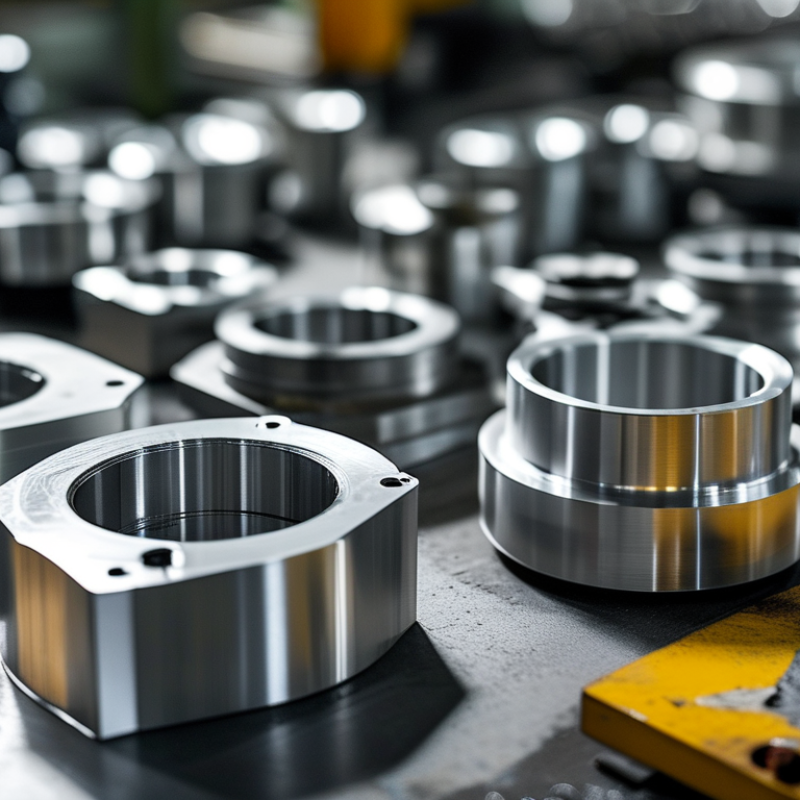
How to Source High Quality Metal Machined Parts Worldwide?

Identifying Your Specific Machined Parts Requirements

When sourcing high-quality metal machined parts, understanding your specific requirements is crucial. Consider dimensions, tolerances, material grade, and finish. According to a report by Grand View Research, the global precision machining market is expected to reach $281.2 billion by 2025. This indicates a growing demand for precision in manufacturing.

Identifying your specific machining needs can save time and costs. Conversely, unclear specifications can lead to poor quality and increased rework. A study from Industry Week found that around 30% of manufacturing defects stem from ambiguous design specifications. Clear, detailed requirements are essential to avoid these pitfalls.

In addition to specifications, consider the supplier's capabilities. Evaluate their technology and processes. Assessing their quality control measures can ensure they meet your needs. However, remember that not all suppliers may have the same expertise. Picking a reliable partner is a task that warrants careful thought and research.

Researching Potential Suppliers and Manufacturers

When researching potential suppliers and manufacturers for high-quality metal machined parts, thorough evaluation is crucial. The global metal machining market, valued at approximately $70 billion in 2022, is projected to grow at a CAGR of 6.5% through 2028. This growth highlights the increasing demand for precision parts across various industries, including automotive and aerospace.

Start by identifying suppliers with a solid track record. Look for certifications like ISO 9001, which ensures quality management systems are in place. Reviewing case studies can provide insight into a supplier's experience and capabilities. Online platforms and industry trade shows are also valuable resources for initial research. However, one must question the reliability of online reviews. They can be misleading and sometimes lack substance.

Engage in direct communication with potential suppliers. Ask specific questions about their machining processes, materials used, and quality control measures. Be wary of suppliers that are vague or unresponsive. This could signal potential issues in reliability and transparency. Additionally, assess their ability to meet your volume requirements consistently. The capacity to deliver under pressure is a critical indicator of a supplier’s reliability.

Global Sourcing of High-Quality Metal Machined Parts

This chart illustrates the distribution of qualified suppliers for high-quality metal machined parts across different regions worldwide. Asia leads with the highest number of suppliers, followed by Europe and North America, indicating a strong manufacturing base in these areas.

Evaluating Quality Standards and Certifications

When sourcing high-quality metal machined parts, evaluating quality standards and certifications is crucial. Industry reports show that companies often face challenges in ensuring consistent quality. According to a 2022 study by the International Organization for Standardization (ISO), 80% of companies experienced issues with substandard materials. Such problems lead to increased costs and production delays.

Certifications like ISO 9001 help organizations demonstrate their commitment to quality management. This standard emphasizes process control and continuous improvement. Manufacturers must understand the importance of compliance with these standards. Unfortunately, many overlook the need for

Another essential certification is the American National Standards Institute (ANSI) for machinery safety. Adhering to these regulations can significantly reduce risks in production. Studies reveal that businesses with certified quality standards see a 25% increase in customer satisfaction. However, achieving compliance is not always straightforward. Companies must invest in training and resources. Balancing budget constraints with quality needs remains a complex issue for many.

Establishing Effective Communication and Negotiation Practices

Effective communication and negotiation are essential when sourcing high-quality metal machined parts globally. Clear communication reduces misunderstanding and ensures that requirements are met. According to a report by the International Association for Contract and Commercial Management, 75% of contract disputes arise from poor communication. Thus, it’s vital to establish a common language and shared goals early in the negotiation process.


Utilizing communication tools is helpful. Video calls, instant messaging, and collaborative software can enhance interaction. A study by McKinsey found that strong communication can improve project success by up to 25%. However, relying solely on technology can be flawed. Misinterpretations can arise from lack of non-verbal cues. Face-to-face meetings should not be overlooked, especially for significant negotiations.


Negotiation requires preparation. Understand the cultural context of your partners. Research shows that 70% of business deals fail due to cultural misunderstandings. Clearly outlined expectations and terms help avoid conflicts later. Be open to adjustments while keeping your core needs intact. This flexibility builds trust and can lead to successful long-term partnerships.

Implementing Quality Control and Inspection Processes

Quality control and inspection processes play a critical role in sourcing high-quality metal machined parts. Establishing standards is essential. This involves defining clear specifications for materials and tolerances, which ensure consistency. Quality checks at every stage catch issues early, preventing costly delays later.

Utilizing advanced inspection techniques can enhance reliability. This includes using coordinate measuring machines (CMM) and other precision tools. These methods can reveal even minor defects. Regular audits of suppliers add another layer of scrutiny. It’s valuable to visit production facilities and engage with engineers. This fosters relationships that enhance trust and communication.

However, challenges often arise. Some manufacturers may rush to meet deadlines, leading to oversight. Implementing a robust feedback loop can address this. Collecting data from inspections helps refine processes. It’s a learning curve. Constant improvement is the goal. Balancing speed with precision remains a complex task.

Copyright 2025 Fluidra S.A. | Created by BCM Marketing Agencia Privacy Policy Legal note | Cookie policy |

Technical cookies are strictly necessary for our website to work and you can navigate through it. These types of cookies are those that, for example, allow us to identify you, give you access to certain restricted parts of the page if necessary, or remember different options or services already selected by you, such as your privacy preferences. Therefore, they are activated by default, your authorization not being necessary in this regard. Through the configuration of your browser, you can block or alert the presence of this type of cookies, although such blocking will affect the proper functioning of the different functionalities of our website.


The analysis cookies allow us to study the navigation of the users of our website in general (for example, which sections of the page are the most visited, which services are used most and if they work correctly, etc.). From the statistical information on navigation on our website, we can improve both the operation of the page itself and the different services it offers. Therefore, these cookies do not have an advertising purpose, but only serve to make our website work better, adapting to our users in general. By activating them you will contribute to this continuous improvement. You can enable or disable these cookies by checking the corresponding box, being disabled by default.


Functionality cookies allow us to remember your preferences, to personalize certain characteristics and general options of our website, every time you access it (for example, the language in which the information is presented to you, the sections marked as favorites, your browser type, etc.) Therefore, this type of cookies does not have an advertising purpose, but by activating them you will improve the functionality of the website (for example, adapting to your type of browser) and the customization of it based on your preferences (for example, by presenting the information in the language that you have chosen in previous occasions), which will contribute to the ease, usability and comfort of our page during your navigation. You can enable or disable these cookies by checking the corresponding box, being disabled by default.


Advertising cookies allow us to manage the advertising spaces included in our website based on criteria such as the content shown or the frequency in which the ads are displayed. For example, if you have been shown the same ad several times on our website, and you have not shown a personal interest by clicking on it, it will not appear again. In summary, by activating this type of cookies, the advertising shown on our website will be more useful and diverse, and less repetitive. You can enable or disable these cookies by checking the corresponding box, being disabled by default.


Behavioral advertising cookies allow us to obtain information based on the observation of your browsing habits and behaviors on the web, in order to show you advertising content that best suits your personal tastes and interests. To understand it in a very simple way, we will give you a fictitious example: if your last searches on the web were related to suspense literature, we would show you advertising about suspense books. Therefore, activating this type of cookies, the advertising that we show you on our website will not be generic, but will be oriented to your searches, tastes and interests, therefore adjusting exclusively to you. You can enable or disable these cookies by checking the corresponding box, being disabled by default.
To understand it in a very simple way, we will give you a fictitious example: if your last searches on the web were related to suspense literature, we would show you advertising about suspense books. Therefore, activating this type of cookies, the advertising that we show you on our website will not be generic, but will be oriented to your searches, tastes and interests, therefore adjusting exclusively to you. You can enable or disable these cookies by checking the corresponding box, being disabled by default.

SAVE

We use our own and third-party cookies to ensure the proper functioning of the website and to analyse our services, improve your experience on our website and show you advertisements related to your interests according to profiling based on your browsing habits (e.g. websites visited). You can accept all cookies by clicking "ACCEPT" or set or reject them by clicking here. If you would like to know more about the use of cookies, please see our COOKIE POLICY.


ACCEPT ALL
Reject no essentials


