
What is a Shale Shaker Screen and How Does It Work?
FLUID HANDLING EXPERTS

Blog, all our news

What is a Shale Shaker Screen and How Does It Work?

In the oil and gas industry, the shale shaker screen plays a vital role in drilling operations. This essential equipment helps separate drilling fluids from cuttings, significantly improving efficiency. According to a recent market report, the global shale shaker screen market is projected to grow significantly in the next few years, driven by rising exploration activities.

Expert David Chen, an authority on drilling technology, highlights that "the effectiveness of a shale shaker screen can determine the success of drilling operations." His insight emphasizes the integral connection between operational efficiency and the quality of these screens. However, challenges remain.

Many companies face difficulties in selecting the right screen type and mesh size. Proper maintenance practices are often overlooked, leading to premature wear and replacement. Understanding the working principles of shale shaker screens is essential. Industry professionals must navigate these complexities to maximize their drilling performance.
What is a Shale Shaker Screen and How Does It Work?

What is a Shale Shaker Screen?

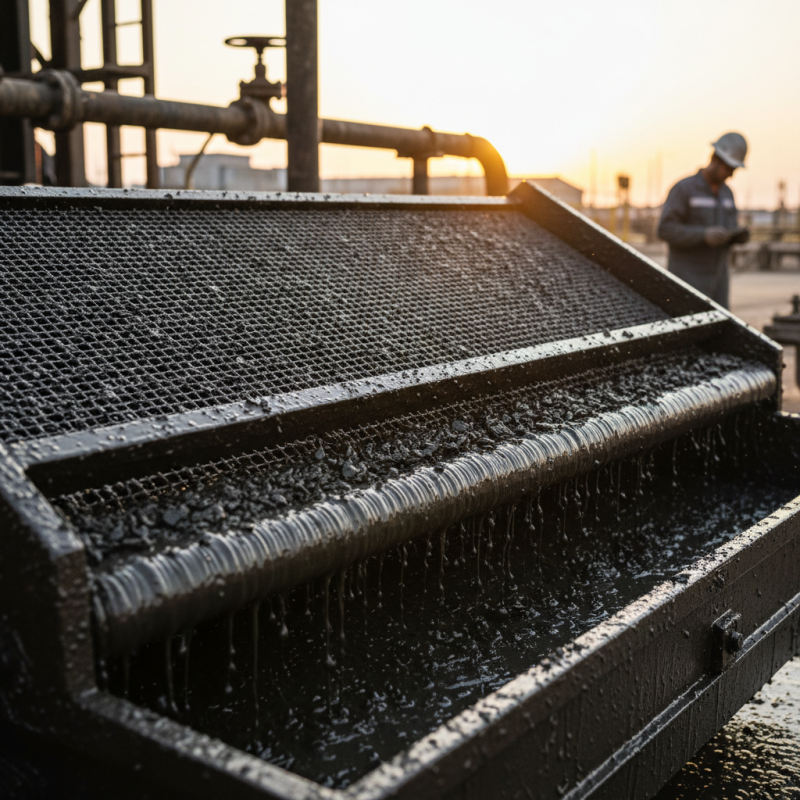
A shale shaker screen is a crucial component in the drilling process for oil and gas. It separates drilling fluids from cuttings. These screens work using vibration, helping to effectively remove unwanted solids from the fluid. Typically, these screens have different mesh sizes to capture particles of varying dimensions.

Industry reports show that using correctly sized shaker screens can improve drilling efficiency by over 30%. High-quality screens achieve better separation and reduce the volume of waste. This improves fluid recovery and overall productivity, optimizing operational costs. However, selecting the right screen can be challenging. Consider factors like fluid type and the size of the solids.

**Tip:** Regularly check for wear and tear on screens. Over time, even minor damage can impact performance.

The efficiency of shale shaker screens can depend on maintenance practices. Neglecting periodic assessments may lead to reduced effectiveness. This can result in increased costs due to lost productivity. Properly maintaining your screen is essential.

**Tip:** Always store spare screens in a dry place. Moisture can degrade their quality over time. Evaluating and refreshing inventory periodically keeps operations running smoothly.

Shale Shaker Screen Performance Metrics

This chart illustrates the efficiency of various shale shaker screens based on different parameters such as particle size separation and flow rate. The data shown represents average performance metrics observed in the field.

Components of a Shale Shaker Screen

A shale shaker screen is a crucial component in the oil and gas industry. It plays an essential role in separating solids from drilling fluids. Understanding its structure can enhance performance and efficiency.

The primary components of a shale shaker screen include a mesh screen, frame, and tensioning system. The mesh screen is made of woven wire or synthetic materials. It traps drilling cuttings while allowing fluid to pass through. The screen's opening size impacts the separation process, typically ranging from 20 to 250 microns. This selection influences both fluid recovery and well productivity.

The frame provides support, ensuring that screens maintain their shape during operation. It’s usually made from steel or lightweight composites. The tensioning system secures the screen, allowing it to vibrate effectively. Vibration enhances fluid movement, promoting better separation.

**Tip:** Regular inspection of the screen can prevent costly downtimes. Monitor for wear and tear to maintain optimal performance.

In addition, choosing the right mesh size is vital. Larger openings might allow fluid to flow easier, but can reduce cuttings removal efficiency. Always assess your drilling conditions to select the best fit. Understanding these aspects can lead to improved drilling outcomes.

What is a Shale Shaker Screen and How Does It Work? - Components of a Shale Shaker Screen

Component Function Material Specifications
Shale Shaker Screen Separates solids from drilling fluids High-strength steel, Polyester Mesh size: 20 - 100 mesh
Frame Supports screen and provides stability Aluminum or steel Dimensions vary by model
Gaskets Seals the screen to prevent leaks Rubber or silicone Varied thickness based on application
Vibrating Motor Creates vibration to facilitate separation Cast iron, aluminum Power: 0.5 - 5 HP

How Shale Shaker Screens Function in Drilling

Shale shaker screens play a crucial role in the drilling process. They are designed to separate solids from drilling fluids. This separation helps keep the drilling equipment clean and efficient. The screens are made from durable materials, often metal or composite. Their design allows for optimal fluid flow while capturing unwanted particles.

During drilling, a thick mixture of mud and rock is created. This mixture can clog equipment, causing delays. Shale shakers vibrate to help move this mixture across the screen. The vibrating motion sends larger particles to the bottom. Smaller particles and fluids can then pass through the screen. The effectiveness of this process can vary. Sometimes, the shaker screens may not perform as expected. Factors such as screen tension and design impact their efficiency.

In many drilling operations, maintaining the shale shaker screen is a challenge. A worn or damaged screen can lead to significant issues. Regular inspections are necessary to ensure the screens are functioning properly. Even minor defects can cause problems for the entire drilling operation. Therefore, it’s essential to monitor their condition closely. Keeping everything in check can make a big difference in the drilling process.

Types of Shale Shaker Screens and Their Applications

Shale shaker screens are crucial for efficient drilling operations. They separate drilling fluid from cuttings, enhancing the quality of the fluid. The effectiveness of these screens directly impacts the drilling process and costs.

There are various types of shale shaker screens. The most common include metal mesh, synthetic, and composite screens. Metal mesh screens provide high durability but may not filter as finely. Synthetic screens offer superior separation capabilities and are lightweight. Composite screens blend both materials, offering a balance of durability and filtration efficiency.

**Tip:** Always choose the right screen type based on your specific drilling conditions.

Screen selection can also depend on the application. For instance, in oil drilling, finer screens are often used. This is because they can reduce the volume of undesirable particles effectively. However, they may clog quickly. This requires regular monitoring and maintenance.

**Tip:** Invest in regular training for your team on screen maintenance.

Understanding the type of shaker screen and its implications on operational efficiency is critical. It can lead to better decision-making. Despite advancements, some operations still face challenges with screen life and fluid management. Regularly reviewing performance data can help identify areas for improvement and innovation.

Maintenance and Performance Optimization of Shale Shaker Screens

Maintaining shale shaker screens is crucial for optimal performance in drilling operations. A properly maintained screen can significantly extend its lifespan, reducing the total cost of ownership. Reports suggest that failure to monitor screen condition can lead to a 20-30% decrease in efficiency. Regular inspections help to identify wear and tear, especially in high-usage environments.

Periodic cleaning is also essential. Accumulated mud and debris can drastically affect the screen's filtration effectiveness. It's recommended to clean screens after every phase of drilling to prevent clogged mesh. Many operators overlook this step, yet it can increase screen lifespan by up to 40%.

Another key aspect is proper tensioning. Incorrectly tensioned screens may sag or ripple, which can compromise fluid flow and cause premature failure. Achieving the right balance often requires experience and a keen eye. Regular training on screen handling can address these issues. Despite these insights, some teams still struggle with consistent performance, highlighting the need for ongoing education and adaptation.

Copyright 2025 Fluidra S.A. | Created by BCM Marketing Agencia Privacy Policy Legal note | Cookie policy |

Technical cookies are strictly necessary for our website to work and you can navigate through it. These types of cookies are those that, for example, allow us to identify you, give you access to certain restricted parts of the page if necessary, or remember different options or services already selected by you, such as your privacy preferences. Therefore, they are activated by default, your authorization not being necessary in this regard. Through the configuration of your browser, you can block or alert the presence of this type of cookies, although such blocking will affect the proper functioning of the different functionalities of our website.


The analysis cookies allow us to study the navigation of the users of our website in general (for example, which sections of the page are the most visited, which services are used most and if they work correctly, etc.). From the statistical information on navigation on our website, we can improve both the operation of the page itself and the different services it offers. Therefore, these cookies do not have an advertising purpose, but only serve to make our website work better, adapting to our users in general. By activating them you will contribute to this continuous improvement. You can enable or disable these cookies by checking the corresponding box, being disabled by default.


Functionality cookies allow us to remember your preferences, to personalize certain characteristics and general options of our website, every time you access it (for example, the language in which the information is presented to you, the sections marked as favorites, your browser type, etc.) Therefore, this type of cookies does not have an advertising purpose, but by activating them you will improve the functionality of the website (for example, adapting to your type of browser) and the customization of it based on your preferences (for example, by presenting the information in the language that you have chosen in previous occasions), which will contribute to the ease, usability and comfort of our page during your navigation. You can enable or disable these cookies by checking the corresponding box, being disabled by default.


Advertising cookies allow us to manage the advertising spaces included in our website based on criteria such as the content shown or the frequency in which the ads are displayed. For example, if you have been shown the same ad several times on our website, and you have not shown a personal interest by clicking on it, it will not appear again. In summary, by activating this type of cookies, the advertising shown on our website will be more useful and diverse, and less repetitive. You can enable or disable these cookies by checking the corresponding box, being disabled by default.


Behavioral advertising cookies allow us to obtain information based on the observation of your browsing habits and behaviors on the web, in order to show you advertising content that best suits your personal tastes and interests. To understand it in a very simple way, we will give you a fictitious example: if your last searches on the web were related to suspense literature, we would show you advertising about suspense books. Therefore, activating this type of cookies, the advertising that we show you on our website will not be generic, but will be oriented to your searches, tastes and interests, therefore adjusting exclusively to you. You can enable or disable these cookies by checking the corresponding box, being disabled by default.
To understand it in a very simple way, we will give you a fictitious example: if your last searches on the web were related to suspense literature, we would show you advertising about suspense books. Therefore, activating this type of cookies, the advertising that we show you on our website will not be generic, but will be oriented to your searches, tastes and interests, therefore adjusting exclusively to you. You can enable or disable these cookies by checking the corresponding box, being disabled by default.

SAVE

We use our own and third-party cookies to ensure the proper functioning of the website and to analyse our services, improve your experience on our website and show you advertisements related to your interests according to profiling based on your browsing habits (e.g. websites visited). You can accept all cookies by clicking "ACCEPT" or set or reject them by clicking here. If you would like to know more about the use of cookies, please see our COOKIE POLICY.


ACCEPT ALL
Reject no essentials


