
In today's global market, the demand for durable and efficient industrial components is rising. Among these, the Resilient Seat Gate Valve stands out due to its unique advantages. It offers reliable performance in various environments, such as water treatment and industrial processes. This valve type is designed to withstand high pressure and harsh conditions, making it a preferred choice among engineers.
Global buyers seek resilience and longevity in their valve choices. The Resilient Seat Gate Valve is crafted with high-quality materials, ensuring minimal wear and tear over time. Its innovative design reduces leakage risk and enhances operational efficiency. This combination of durability and functionality is crucial for industries reliant on consistent flow control.
While the advantages are clear, challenges remain. Variations in manufacturing quality can lead to performance inconsistencies. Buyers must conduct careful evaluations to choose the right supplier. This ensures they invest in a valve that meets their specific needs, minimizing future operational risks. Ultimately, awareness and insight into the Resilient Seat Gate Valve's features will aid global buyers in making informed decisions.
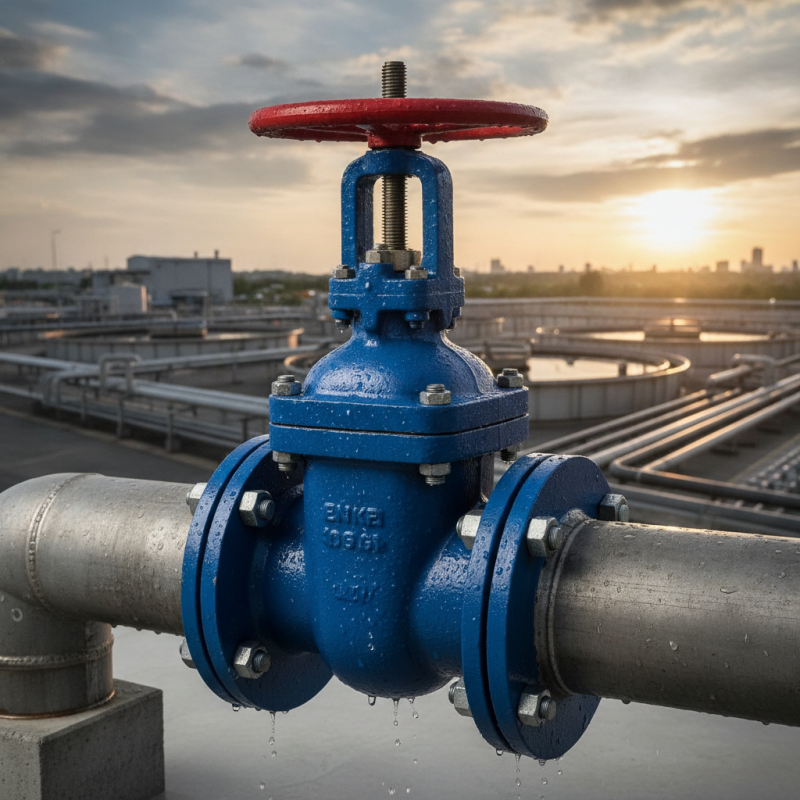
Resilient seat gate valves play a crucial role in various industries. They are designed to provide reliable sealing and prolonged service life. These valves are particularly effective in handling high-pressure systems. This makes them an ideal choice for global buyers seeking durability and performance.
The key features of resilient seat gate valves include their unique sealing mechanism, which prevents leakage. This is vital in applications where fluid loss can lead to safety hazards or economic loss. The construction often combines rubber or elastomeric seats with robust metal bodies. This design enhances their resistance to wear and tear.
In addition, these valves are easier to install and maintain. Users appreciate their lightweight nature, which facilitates quick handling. However, not every resilient seat gate valve is created equal. It is essential for buyers to evaluate product specifications and manufacturer practices. Over time, some valves may degrade, leading to potential failures. Awareness of these limitations ensures informed purchasing decisions.

In the manufacturing of resilient seat gate valves, material selection plays a crucial role. The right materials ensure longevity and reliability in various applications. Common materials include cast iron, stainless steel, and various elastomers. Their properties influence not only performance but also resistance to corrosion and wear.
Choosing the wrong material can lead to failures. For example, some elastomers may not withstand extreme temperatures. This can cause leaks or failures in critical systems. Engineers must carefully evaluate the environment where the valve will operate. Understanding fluid characteristics is essential in making informed choices.
Quality control is another vital aspect. Even with the right materials, poor manufacturing processes can compromise valve integrity. Manufacturers should implement rigorous testing methods to ensure durability. This includes pressure testing and fatigue assessments. Not all manufacturers prioritize these steps, which can lead to reliability issues down the line. Selecting the right materials and maintaining high quality standards are vital for resilient seat gate valves to succeed in the global market.
In 2023, global demand for resilient seat gate valves is on the rise. These valves offer durability and excellent sealing capabilities. They are essential in various industries, including oil and gas, water treatment, and power generation. Many buyers recognize the importance of reliable valve operation under high pressure. This reliability minimizes leaks, enhancing system efficiency.
Market trends indicate a growing focus on sustainability. Buyers prefer products that contribute to reduced environmental impact. Resilient seat gate valves meet these criteria, often featuring materials that withstand corrosion. Manufacturers continually innovate, aiming for increased performance and longevity. However, challenges remain. Some buyers struggle with understanding technical specifications. This knowledge gap can lead to suboptimal purchasing decisions.
As the market evolves, reliable suppliers gain importance. Customers seek experts who can guide them in selecting the right products. Ensuring quality and safety remains paramount in the supply chain. As global industries shift, responsive, knowledgeable support becomes crucial for success.
Resilient seat gate valves play a crucial role in various industries due to their performance metrics. These valves are designed to provide reliable sealing, even under high-pressure conditions. The resilient seat ensures a tight closure, effectively minimizing leaks. Buyers seek this reliability, especially in critical applications like water treatment and oil pipelines.
The construction of these valves often features robust materials. Corrosion resistance is vital for longevity and performance. Manufacturers focus on quality control, but some variations in production may lead to inconsistencies. It's essential to analyze the specifications carefully. Even minor flaws can affect overall functionality.
Many factors determine the success of resilient seat gate valves. Temperature fluctuations can affect their performance. Sometimes, users overlook routine maintenance, impacting operation efficiency. Awareness of these aspects is crucial for global buyers. Investing in quality and understanding performance metrics leads to better long-term outcomes.
| Performance Metric | Description | Importance |
|---|---|---|
| Pressure Rating | Indicates the maximum pressure the valve can withstand. | Critical for ensuring safety and performance in high-pressure systems. |
| Temperature Range | Range of temperatures the valve can operate efficiently. | Ensures functionality in varying environmental conditions. |
| Material Durability | Resilience of materials used in valve construction against corrosion and wear. | Enhances lifespan and reduces maintenance costs. |
| Sealing Performance | Effectiveness of the valve in preventing leaks under various conditions. | Crucial for preventing environmental contamination and ensuring system integrity. |
| Flow Coefficient (Cv) | Measure of the valve’s flow capacity at a given pressure drop. | Influences the efficiency of the fluid transfer process. |
| Installation Versatility | Ability to be installed in various orientations and environments. | Facilitates wider application across industrial processes. |
Resilient seat gate valves play a crucial role across various industries. Their design allows for effective sealing, even under high pressure and temperature fluctuations. This reliability makes them invaluable in water management systems. Municipalities rely on these valves to maintain safe and efficient water supply networks. The durability of resilient seat gate valves reduces downtime and maintenance costs significantly.
In the oil and gas industry, these valves are equally important. They manage fluid flow in pipelines, ensuring consistent performance. Operators benefit from their minimal leak potential, enhancing safety and compliance with regulations. Furthermore, in power generation, these valves control steam and water flow, contributing to overall efficiency. Each application highlights the necessity of choosing the right valve for specific operational needs.
While resilient seat gate valves offer numerous advantages, they are not without challenges. Operators must be aware of potential wear over time. Regular inspections can help mitigate these issues. Finding the right balance between cost and quality is essential. Investing in reliable valves may seem expensive initially but can lead to long-term savings.

Cepex is the brand for the fluid handling market belonging to the Fluidra group. One of the leading european manufacturer of valves and fittings in thermoplastic materials.
Dedicated to the swimming pool, irrigation and industrial markets, we distribute our products worldwide with the Fluidra commercial network and presence in 46 countries with 136 sales branches.


