
What is Refractory AZS33 AZS36 AZS41 and Their Applications?
FLUID HANDLING EXPERTS

Blog, all our news

What is Refractory AZS33 AZS36 AZS41 and Their Applications?

Refractory materials play a crucial role in high-temperature industrial environments. Among these materials, Refractory AZS33, AZS36, and AZS41 stand out due to their unique properties. These materials are composed of high alumina and zirconia, which enhance their thermal stability and resistance to corrosion. Their applications are vital in industries such as glass manufacturing, ceramics, and foundries.

The performance of Refractory AZS33/AZS36/AZS41 directly impacts productivity and product quality. AZS33 offers excellent thermal shock resistance, making it suitable for glass melting furnaces. In contrast, AZS36 provides superior durability against aggressive environments. Meanwhile, AZS41 is recognized for its outstanding wear resistance. Understanding these distinctions can help manufacturers choose the right type for specific applications.

Despite their strengths, choosing the right refractory material can be challenging. The complexities of each application and the specific environmental conditions should be thoroughly evaluated. Misjudgments could lead to premature wear, increased downtime, and financial losses. Therefore, awareness of the properties and potential drawbacks of Refractory AZS33/AZS36/AZS41 is crucial for informed decision-making in industrial settings.
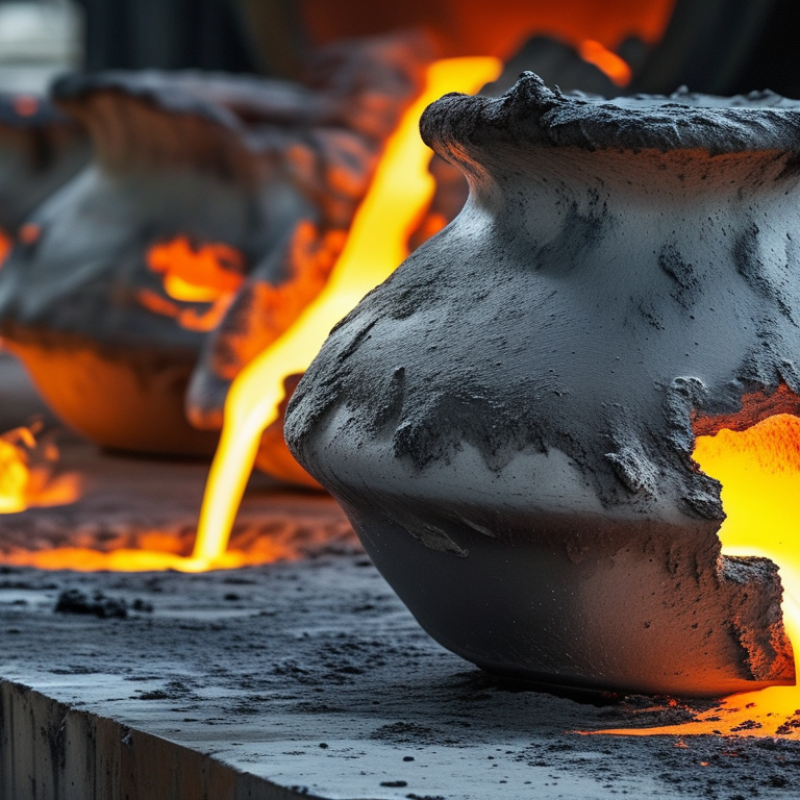
What is Refractory AZS33 AZS36 AZS41 and Their Applications?

Refractory Materials Overview: Definition and Importance

Refractory materials are essential in high-temperature industrial applications. They are designed to withstand extreme heat, corrosion, and mechanical stress. In sectors like metal production and ceramics, these materials play a crucial role in maintaining process efficiency. Data from industry reports suggest that the global refractory market is expected to grow significantly, reaching an estimated value of $40 billion by 2025. Such growth underscores their importance in high-performance environments.

AZS refractories, including AZS33, AZS36, and AZS41, are notable for their durability. AZS36, for example, boasts a zirconia content that enhances thermal stability. This makes it suitable for glass manufacturing, where temperature often exceeds 1500°C. However, the application of these materials is not without challenges. Some users find that the thermal shock resistance of AZS33 can vary depending on manufacturing conditions. This variability can lead to unpredicted wear and maintenance issues, requiring manufacturers to ensure quality consistency in production.

Research indicates that proper application methods can mitigate some of these concerns. Employing advanced insulation techniques can help improve the longevity of refractories in harsh conditions. Nonetheless, the need for continuous evaluation of performance remains paramount. Users must address not just the material's composition but also how it interacts with its operating environment over time.

What is Refractory AZS33 AZS36 AZS41 and Their Applications?

Type Composition Physical Properties Typical Applications
AZS33 Zirconia 33%, Alumina 67% Bulk Density: 3.38 g/cm³, Cold Crushing Strength: 240 MPa Glass furnaces, Foundries
AZS36 Zirconia 36%, Alumina 64% Bulk Density: 3.45 g/cm³, Cold Crushing Strength: 250 MPa High-temperature furnaces, Glass industry
AZS41 Zirconia 41%, Alumina 59% Bulk Density: 3.52 g/cm³, Cold Crushing Strength: 260 MPa Continuous casting molds, Steel industry

Introduction to AZS33, AZS36, and AZS41 Refractories

AZS refractories, namely AZS33, AZS36, and AZS41, are engineered materials with exceptional properties. They consist primarily of zirconia and alumina, providing outstanding thermal stability and resistance to corrosion. These materials play a vital role in high-temperature applications, making them ideal for the glass and ceramics industries.
AZS33 contains approximately 33% zirconia. This composition allows for excellent resistance to molten glass and other aggressive media. It is often used in glass melting tanks. AZS36 offers a balance of strength and thermal shock resistance, making it suitable for furnace linings. AZS41 features the highest zirconia content, enhancing its durability in extreme conditions. However, high zirconia levels can increase brittleness, making it essential to evaluate application needs carefully.

While the performance of these refractories is widely recognized, challenges remain. Installation techniques and temperature control are critical for optimal performance. Insufficient attention during these phases may lead to premature failures. Users must continuously reflect on the conditions and maintenance of these materials to ensure reliability in their applications.

Chemical Composition and Properties of AZS Refractories

AZS refractories, such as AZS33, AZS36, and AZS41, are crucial in various high-temperature industrial applications. Their chemical composition predominantly includes a blend of zirconia and alumina, which provides excellent thermal stability. These materials are designed to withstand severe conditions, including thermal shock and corrosion.

The properties of AZS refractories can vary based on their formulation. For instance, AZS33 has a lower zirconia content, making it suitable for less demanding applications. In contrast, AZS41 contains a higher percentage of zirconia, which enhances its overall durability. These differences can significantly influence their performance in glass furnaces and steel production.

Despite their strengths, AZS refractories have limitations. They may exhibit lower resistance to certain chemical attacks. Regular assessments and independent analyses are essential for optimizing their use. Understanding these nuances can help industries select the appropriate material for specific applications, ensuring better longevity and efficiency.

Applications of AZS33, AZS36, and AZS41 in Industry

AZS materials, specifically AZS33, AZS36, and AZS41, are vital in various industrial applications due to their exceptional properties. These materials, composed of zirconia (ZrO2) and alumina (Al2O3), excel in high-temperature environments. AZS33, for instance, contains a lower zirconia content, making it suitable for less demanding applications like furnace linings. Reports indicate that industries using AZS33 see an operational efficiency improvement of up to 20% due to its durability.

When it comes to AZS36, its higher zirconia content enhances thermal stability. This material is often used in glass manufacturing. Data suggests that using AZS36 can increase production rates by ensuring better thermal insulation and reducing defects in finished glass products. The impact on overall costs can be significant, as defects lead to higher waste and rework.

AZS41 stands out for its performance in extreme conditions. Industries such as steel and cement find it valuable. AZS41 holds up under extreme thermal shock, making it an excellent choice for applications that involve rapid temperature changes. However, some operators have reported challenges in processing, which highlights the need for skilled labor to maximize its benefits. Understanding each variant's strengths helps industries select the right material, optimizing both safety and productivity.

Comparative Analysis of AZS33, AZS36, and AZS41 Performance

In the field of refractory materials, AZS33, AZS36, and AZS41 are critical for various applications, particularly in the glass industry. They are alumina-zirconia-silica refractories, known for their excellent durability and thermal stability. AZS33 typically offers good wear resistance and is favored in conditions where thermal shock resistance is essential. According to a recent industry report, AZS33 shows an impressive performance under stress, maintaining structural integrity up to temperatures of 1650°C.

AZS36 presents a balanced combination of durability and thermal shock resistance. It excels in environments with frequent temperature fluctuations. Performance tests indicate that AZS36 can withstand thermal cycling without significant degradation. When compared to AZS33, it demonstrates a higher resistance to corrosion from molten glass. Meanwhile, AZS41 stands out in terms of mechanical strength and is often chosen for high-demand applications. However, its increased cost and specific operational limits require careful consideration.

Despite their advantages, each variant has potential drawbacks. The choice between AZS materials often hinges on specific operational conditions and costs. Some operators have reported premature wear under particular glass compositions. This feedback emphasizes the need for continuous evaluation. Selecting the right refractory involves comprehensive analysis, ensuring that material properties align with operational requirements. Understanding these nuances can lead to improved efficiency in glass manufacturing processes.

Copyright 2025 Fluidra S.A. | Created by BCM Marketing Agencia Privacy Policy Legal note | Cookie policy |

Technical cookies are strictly necessary for our website to work and you can navigate through it. These types of cookies are those that, for example, allow us to identify you, give you access to certain restricted parts of the page if necessary, or remember different options or services already selected by you, such as your privacy preferences. Therefore, they are activated by default, your authorization not being necessary in this regard. Through the configuration of your browser, you can block or alert the presence of this type of cookies, although such blocking will affect the proper functioning of the different functionalities of our website.


The analysis cookies allow us to study the navigation of the users of our website in general (for example, which sections of the page are the most visited, which services are used most and if they work correctly, etc.). From the statistical information on navigation on our website, we can improve both the operation of the page itself and the different services it offers. Therefore, these cookies do not have an advertising purpose, but only serve to make our website work better, adapting to our users in general. By activating them you will contribute to this continuous improvement. You can enable or disable these cookies by checking the corresponding box, being disabled by default.


Functionality cookies allow us to remember your preferences, to personalize certain characteristics and general options of our website, every time you access it (for example, the language in which the information is presented to you, the sections marked as favorites, your browser type, etc.) Therefore, this type of cookies does not have an advertising purpose, but by activating them you will improve the functionality of the website (for example, adapting to your type of browser) and the customization of it based on your preferences (for example, by presenting the information in the language that you have chosen in previous occasions), which will contribute to the ease, usability and comfort of our page during your navigation. You can enable or disable these cookies by checking the corresponding box, being disabled by default.


Advertising cookies allow us to manage the advertising spaces included in our website based on criteria such as the content shown or the frequency in which the ads are displayed. For example, if you have been shown the same ad several times on our website, and you have not shown a personal interest by clicking on it, it will not appear again. In summary, by activating this type of cookies, the advertising shown on our website will be more useful and diverse, and less repetitive. You can enable or disable these cookies by checking the corresponding box, being disabled by default.


Behavioral advertising cookies allow us to obtain information based on the observation of your browsing habits and behaviors on the web, in order to show you advertising content that best suits your personal tastes and interests. To understand it in a very simple way, we will give you a fictitious example: if your last searches on the web were related to suspense literature, we would show you advertising about suspense books. Therefore, activating this type of cookies, the advertising that we show you on our website will not be generic, but will be oriented to your searches, tastes and interests, therefore adjusting exclusively to you. You can enable or disable these cookies by checking the corresponding box, being disabled by default.
To understand it in a very simple way, we will give you a fictitious example: if your last searches on the web were related to suspense literature, we would show you advertising about suspense books. Therefore, activating this type of cookies, the advertising that we show you on our website will not be generic, but will be oriented to your searches, tastes and interests, therefore adjusting exclusively to you. You can enable or disable these cookies by checking the corresponding box, being disabled by default.

SAVE

We use our own and third-party cookies to ensure the proper functioning of the website and to analyse our services, improve your experience on our website and show you advertisements related to your interests according to profiling based on your browsing habits (e.g. websites visited). You can accept all cookies by clicking "ACCEPT" or set or reject them by clicking here. If you would like to know more about the use of cookies, please see our COOKIE POLICY.


ACCEPT ALL
Reject no essentials



