What is a PVC Check Valve and How Does it Work?
FLUID HANDLING EXPERTS

Blog, all our news

What is a PVC Check Valve and How Does it Work?

PVC check valves are essential components in various industrial applications. These valves prevent backflow and allow fluids to flow in one direction. According to a recent industry report, the global demand for PVC check valves has surged by 8% in the last year alone. This growth highlights their importance in sectors like water treatment, oil and gas, and chemical processing.

Manufacturers have recognized the advantages of PVC check valves. They are lightweight, corrosion-resistant, and cost-effective. However, the reliance on this material raises concerns over durability under extreme conditions. In some installations, users have reported cracking after prolonged exposure to high temperatures. This indicates a need for careful application and selection.

Valves serve a critical role in maintaining fluid integrity. Neglecting the quality of PVC check valves can lead to system failures and costly repairs. In fact, studies show that improper valve selection can increase operational costs by up to 15%. Understanding how PVC check valves operate is key to optimizing system performance. It’s imperative to weigh the benefits against potential risks to ensure reliable operation in any application.
What is a PVC Check Valve and How Does it Work?

What is a PVC Check Valve?

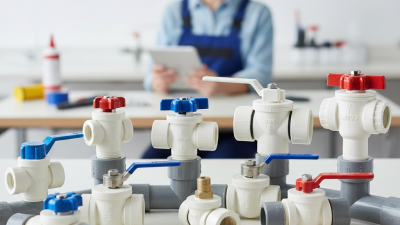
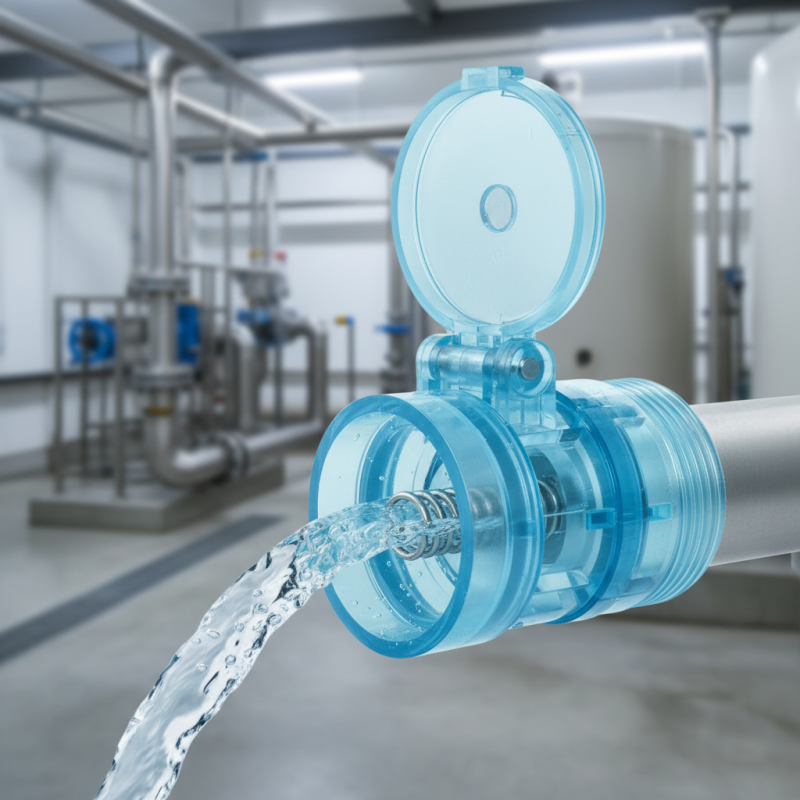
A PVC check valve is a critical component in plumbing and fluid systems. It allows fluid to flow in one direction while preventing backflow. This prevents damage and ensures systems operate efficiently. You often find these valves in pipelines, pump systems, and irrigation setups.

When installed correctly, a PVC check valve can save time and money. They are lightweight, easy to handle, and resistant to corrosion. However, improper installation can lead to leaks or failures. Always ensure they are oriented the right way, matching the flow direction marked on the valve.

Tips: Check the valve regularly for any signs of wear. Replacing a faulty valve quickly can prevent larger issues down the road. Remember to consider the pressure rating of the system when choosing your check valve. A mismatch can compromise the entire setup. Pay attention to your specific needs and avoid unnecessary complexities when selecting components.
Understanding PVC Check Valve Efficiency

This chart illustrates the performance of a PVC check valve based on three important parameters: flow rate, pressure drop, and temperature. Understanding these metrics is crucial for ensuring effective valve operation in various applications.

Basic Components of a PVC Check Valve

PVC check valves are essential in many fluid systems. They allow flow in one direction while preventing backflow. Understanding their basic components can help in selecting the right valve for specific applications.

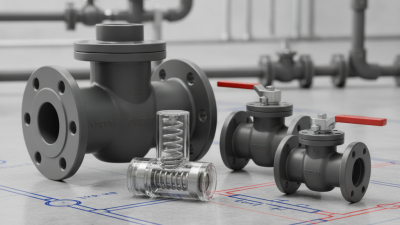
The main components of a PVC check valve include the body, disc, and seat. The body is typically made from durable PVC that resists corrosion. According to industry reports, PVC is favored in many applications due to its lightweight property and high chemical resistance. The disc, usually a rubber or plastic part, opens with forward flow and closes when flow reverses. This design ensures minimal energy loss and efficient operation.

The seat is where the disc rests when closed, playing a critical role in preventing leaks. Interestingly, a small amount of wear may occur over time. Regular inspections are advised, as worn components can lead to system inefficiencies. A report by the American Society of Civil Engineers highlights that improper maintenance can result in up to a 20% decrease in performance. These insights emphasize the importance of understanding each component's function to maintain optimal fluid flow.

How Does a PVC Check Valve Function?

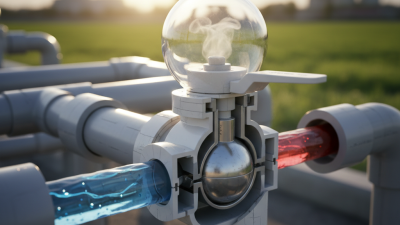
A PVC check valve is a simple yet effective device used in piping systems. Its primary function is to allow flow in one direction while preventing backflow. This mechanism is critical in maintaining the integrity of various systems, from drainage to water supply. The valve operates with a flapper or disc that moves up and down based on the flow of fluid. When fluid flows in the desired direction, the valve opens. If there is any attempt for reverse flow, the disc closes and seals off the pipe, stopping backflow.

When a PVC check valve is properly installed, it can significantly enhance system efficiency. However, improper installation can lead to issues. If the valve is not positioned correctly, it might not open fully. This could restrict flow and cause pressure buildup. Regular maintenance checks are essential to ensure that no debris obstructs the disc. Another common problem arises if the valve is exposed to extreme conditions, resulting in wear and tear.

Understanding how a PVC check valve functions can help users identify potential challenges. Awareness of its limitations fosters better installation and maintenance practices. A well-functioning valve is crucial for operational success. Yet, users must stay vigilant and proactive in monitoring its performance. Ignoring these aspects could lead to larger, more costly issues down the line.

What is a PVC Check Valve and How Does it Work? - How Does a PVC Check Valve Function?

Feature Description Advantages Applications
Material PVC (Polyvinyl Chloride) Corrosion resistant, lightweight Water treatment, drainage systems
Function Prevents backflow in piping systems Maintains flow direction, reduces flooding Sewage systems, irrigation
Pressure Rating Up to 150 psi Reliable in various pressure conditions Residential plumbing, industrial applications
Size Range From 1/2 inch to 12 inches Versatile for different system needs Construction, agricultural systems
Installation Easy to install with solvent cement Cost-effective and time-saving installation Home improvement, public works

Common Applications of PVC Check Valves

What is a PVC Check Valve and How Does it Work?

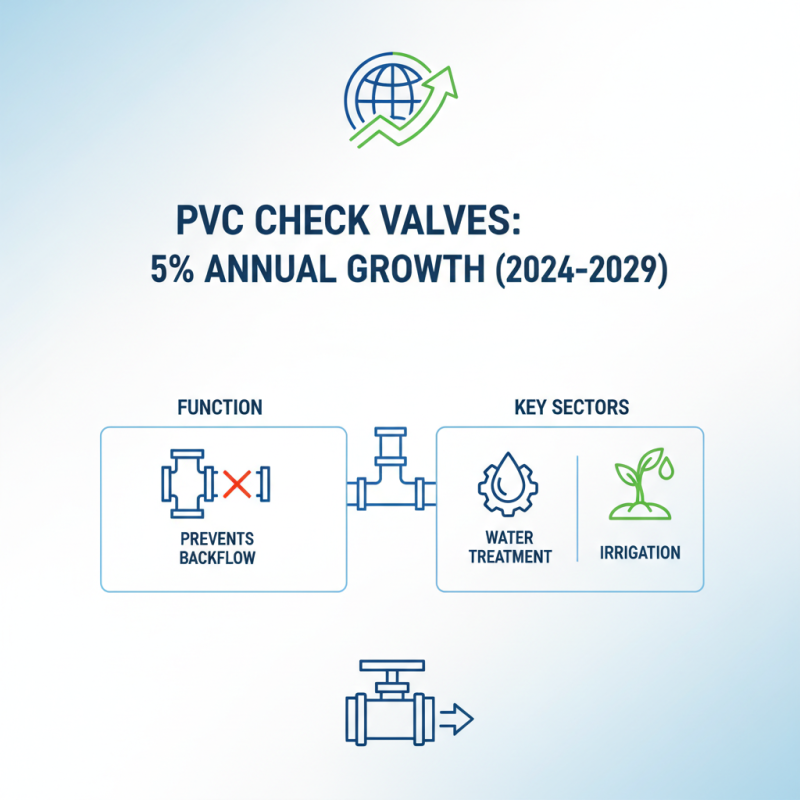
PVC check valves are gaining popularity in various sectors due to their efficient performance and cost-effectiveness. These valves prevent backflow in pipes, ensuring that fluids flow in one direction. According to industry reports, the global demand for PVC check valves is expected to grow by 5% annually over the next five years. This increase is largely driven by sectors like water treatment and irrigation.

In water treatment facilities, PVC check valves help maintain system integrity. They are resistant to corrosion and can withstand diverse chemical environments. Irrigation systems also benefit from these valves. They prevent siphoning, optimizing water usage in agriculture. The need for efficient water management in arid regions is pushing the adoption of these valves.

However, not all applications are perfect fits. Some users report minor leakage issues under high pressure. This can undermine system efficiency. Regular maintenance is essential to address such challenges. Operators should remain vigilant and monitor their systems closely. Improper installation can lead to significant setbacks. Understanding the specific requirements of each application is critical for success.

Benefits of Using PVC Check Valves in Plumbing Systems

PVC check valves offer several advantages in plumbing systems. First, they prevent backflow, ensuring water flows in one direction. This is crucial in preventing contamination of clean water supplies. When the water pressure drops, the valve closes automatically, which helps maintain system integrity.

Additionally, PVC check valves are lightweight and easy to install. They resist corrosion and chemicals, making them suitable for various environments. Their durability means fewer maintenance issues over time. However, it's important to consider the specific system requirements. Not all systems may suit PVC, as temperature and pressure limits can vary.

Some users report issues with installation angles. If installed incorrectly, these valves can fail to function properly. Regular inspection of these components can mitigate potential problems. Even with their clear benefits, careful planning is essential for optimal performance.

Copyright 2025 Fluidra S.A. | Created by BCM Marketing Agencia Privacy Policy Legal note | Cookie policy |

Technical cookies are strictly necessary for our website to work and you can navigate through it. These types of cookies are those that, for example, allow us to identify you, give you access to certain restricted parts of the page if necessary, or remember different options or services already selected by you, such as your privacy preferences. Therefore, they are activated by default, your authorization not being necessary in this regard. Through the configuration of your browser, you can block or alert the presence of this type of cookies, although such blocking will affect the proper functioning of the different functionalities of our website.


The analysis cookies allow us to study the navigation of the users of our website in general (for example, which sections of the page are the most visited, which services are used most and if they work correctly, etc.). From the statistical information on navigation on our website, we can improve both the operation of the page itself and the different services it offers. Therefore, these cookies do not have an advertising purpose, but only serve to make our website work better, adapting to our users in general. By activating them you will contribute to this continuous improvement. You can enable or disable these cookies by checking the corresponding box, being disabled by default.


Functionality cookies allow us to remember your preferences, to personalize certain characteristics and general options of our website, every time you access it (for example, the language in which the information is presented to you, the sections marked as favorites, your browser type, etc.) Therefore, this type of cookies does not have an advertising purpose, but by activating them you will improve the functionality of the website (for example, adapting to your type of browser) and the customization of it based on your preferences (for example, by presenting the information in the language that you have chosen in previous occasions), which will contribute to the ease, usability and comfort of our page during your navigation. You can enable or disable these cookies by checking the corresponding box, being disabled by default.


Advertising cookies allow us to manage the advertising spaces included in our website based on criteria such as the content shown or the frequency in which the ads are displayed. For example, if you have been shown the same ad several times on our website, and you have not shown a personal interest by clicking on it, it will not appear again. In summary, by activating this type of cookies, the advertising shown on our website will be more useful and diverse, and less repetitive. You can enable or disable these cookies by checking the corresponding box, being disabled by default.


Behavioral advertising cookies allow us to obtain information based on the observation of your browsing habits and behaviors on the web, in order to show you advertising content that best suits your personal tastes and interests. To understand it in a very simple way, we will give you a fictitious example: if your last searches on the web were related to suspense literature, we would show you advertising about suspense books. Therefore, activating this type of cookies, the advertising that we show you on our website will not be generic, but will be oriented to your searches, tastes and interests, therefore adjusting exclusively to you. You can enable or disable these cookies by checking the corresponding box, being disabled by default.
To understand it in a very simple way, we will give you a fictitious example: if your last searches on the web were related to suspense literature, we would show you advertising about suspense books. Therefore, activating this type of cookies, the advertising that we show you on our website will not be generic, but will be oriented to your searches, tastes and interests, therefore adjusting exclusively to you. You can enable or disable these cookies by checking the corresponding box, being disabled by default.

SAVE

We use our own and third-party cookies to ensure the proper functioning of the website and to analyse our services, improve your experience on our website and show you advertisements related to your interests according to profiling based on your browsing habits (e.g. websites visited). You can accept all cookies by clicking "ACCEPT" or set or reject them by clicking here. If you would like to know more about the use of cookies, please see our COOKIE POLICY.


ACCEPT ALL
Reject no essentials