What is a Prefabricated Substation and Why Use It?
FLUID HANDLING EXPERTS

Blog, all our news

What is a Prefabricated Substation and Why Use It?

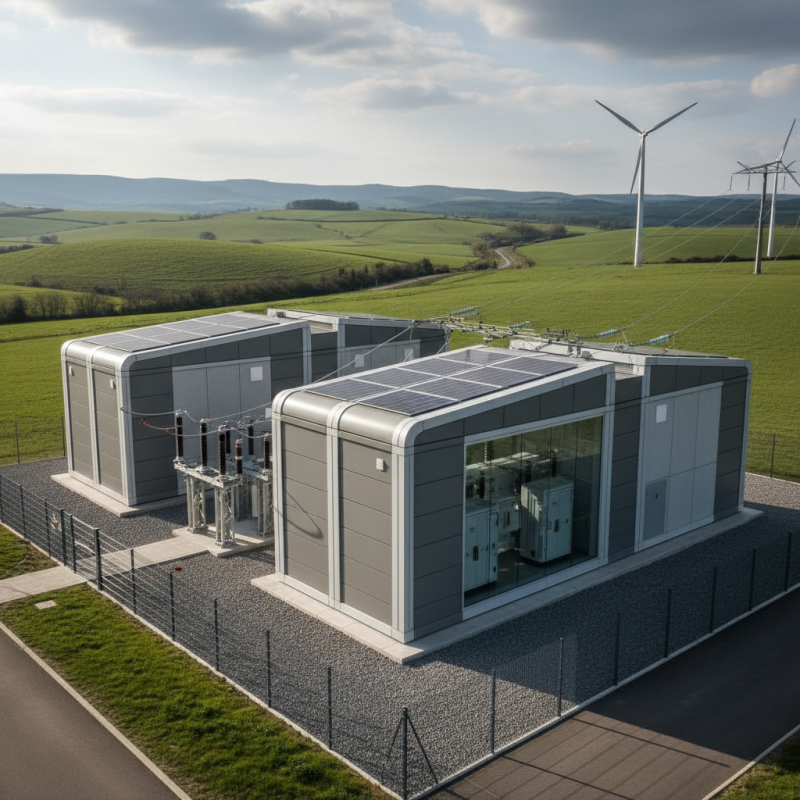
A Prefabricated Substation is a modern solution in energy distribution. It offers numerous benefits over traditional substations. These units are built offsite and transported to their destination. This method reduces construction time and minimizes on-site disruptions.

The advantages of prefabricated substations are clear. They enhance efficiency and improve safety measures. These units can be customized to fit various needs. Their design promotes quick installation, which is crucial in urgent situations. Additionally, prefabricated substations often come with advanced technology. This integration supports smart grid applications, ensuring better energy management.

Despite the increasing popularity, challenges exist. The upfront costs may be higher than conventional options. Potential issues during transportation and installation need careful planning. However, when managed well, the benefits outweigh the drawbacks. Prefabricated substations are paving the way for a more reliable energy future.
What is a Prefabricated Substation and Why Use It?

What is a Prefabricated Substation?

A prefabricated substation is a compact electrical facility pre-manufactured off-site. It contains transformers, switchgear, and other essential components. These substations facilitate efficient power distribution. According to a report by Market Research Future, the global prefabricated substation market is projected to grow at a CAGR of 6% from 2021 to 2027. This trend reflects rising urbanization and demand for reliable electricity.

One standout feature of prefabricated substations is their speed of installation. They can reduce project timelines by up to 40%. This efficiency is vital in rapidly growing urban areas. However, the reliance on prefabrication raises questions about site adaptability. Not all locations can accommodate standard designs. Customization may be necessary, which can increase costs and effort.

Furthermore, while prefabricated substations enhance safety and performance, they are not without challenges. The materials used must meet strict regulatory standards. Compromising on quality for speed can lead to long-term issues. Thus, industry professionals must balance expedience with durability in their decisions. Ensuring reliability while managing budget constraints remains a complex task.

Key Components of Prefabricated Substations

Prefabricated substations are essential in modern electrical infrastructure. They integrate various components in a compact package. Understanding these key components can help optimize their use.

One primary component is the transformer. It adjusts voltage levels for distribution. According to a recent report by the International Energy Agency, transformers account for about 90% of energy losses in power systems. Efficient transformers can reduce operational costs significantly.

Another crucial component is switchgear. This equipment helps control, protect, and isolate electrical equipment. It enhances safety and minimizes downtime. The U.S. Energy Information Administration found that effective switchgear can improve system reliability by up to 30%. This reliability is vital in today’s energy landscape.

Tips: Regular maintenance of these components is crucial. Neglect can lead to failures and higher costs. Always consult with industry experts when selecting components. Their insights can help avoid common pitfalls.

Additionally, consider integrating smart technology. Smart monitoring systems provide real-time data. This approach can enhance performance and preemptively identify issues. It’s essential to rethink how these technologies can improve your operational efficiency.

What is a Prefabricated Substation and Why Use It? - Key Components of Prefabricated Substations

Component Description Benefits
Transformers Devices that transfer electrical energy between circuits Efficient power conversion and voltage adjustment
Switchgear Electrical devices for controlling, protecting, and isolating electrical equipment Enhanced safety and reliability in power distribution
Busbars Conductive paths for electricity to distribute power Reduced electrical losses and better energy efficiency
Control Systems Systems that monitor and control the operation of the substation Improved operational efficiency and automated management
Enclosures Protective structures containing substation components Weather resistance and enhanced security

Advantages of Using Prefabricated Substations in Power Distribution

Prefabricated substations are gaining popularity in modern power distribution systems. These units are manufactured off-site and then transported to their final location. This method significantly cuts the construction time compared to traditional substations. A prefabricated substation can be set up within days, while conventional methods might take months. The efficiency of prefabricated systems reduces labor costs and minimizes disruptions.

One of the main advantages is their flexibility. These substations can be easily modified to meet specific site requirements. If demand changes, it's straightforward to expand or relocate the assets. Additionally, these units are designed with sustainability in mind. They often use energy-efficient components and require less manpower for maintenance. However, challenges remain. Understanding local regulations and ensuring proper integration into existing infrastructure can be complex. There may also be issues with supply chain delays or transportation methods.

Cost savings are significant, but lacking local expertise can impact the effectiveness of installation. Training for local teams to manage these advanced systems is essential. As the power distribution landscape evolves, prefabricated substations could redefine efficiency and sustainability in energy management.

Advantages of Using Prefabricated Substations in Power Distribution

Industry Trends: Growth and Market Data for Prefabricated Substations

The prefabricated substation market has seen significant growth over the last few years. According to a report from Allied Market Research, the global prefabricated substation market is projected to reach approximately $30 billion by 2027. This growth is driven by increasing demand for efficient energy solutions and rapid urbanization.

Industries are recognizing the benefits of prefabrication. These substations reduce construction time by 30-50%. They also minimize labor costs and enhance safety at construction sites. The need for sustainable energy solutions is another major driver. As more countries commit to renewable energy targets, prefabricated substations offer a flexible and quick solution.

Despite the advantages, challenges remain. Limited awareness and resistance to new technologies among some stakeholders can slow adoption. Additionally, ensuring that prefabricated substations meet local regulatory standards is crucial. The industry must address these issues to capitalize on market potential fully. As cities grow and energy demands rise, prefabricated substations prove to be a key element in modern power distribution systems.

Cost Analysis: Comparing Prefabricated Substations to Traditional Options

When comparing prefabricated substations to traditional options, cost analysis reveals significant differences. Prefabricated substations often have lower upfront costs. They come pre-assembled, which can reduce labor expenses during installation. This efficiency translates to savings, especially for large projects. Traditional substations, on the other hand, require extensive site work and construction, driving up costs.

Additionally, maintenance expenses play a crucial role in the overall cost analysis. Prefabricated substations are designed with modern materials that may require less upkeep. This can lead to long-term savings that are often overlooked in initial budgeting. However, it's essential to consider that not all sites may be suitable for prefabricated solutions due to space or local regulations. The adaptability of traditional options might sometimes justify their higher initial costs.

Reflecting on experience, some projects transitioned from traditional to prefabricated after reevaluating their budget allocations. This flexibility can reveal unexpected challenges, such as delays in delivery timelines. Ultimately, understanding the nuances of both options is key. A careful examination of specific project needs and local factors will guide the decision-making process effectively.

Copyright 2025 Fluidra S.A. | Created by BCM Marketing Agencia Privacy Policy Legal note | Cookie policy |

Technical cookies are strictly necessary for our website to work and you can navigate through it. These types of cookies are those that, for example, allow us to identify you, give you access to certain restricted parts of the page if necessary, or remember different options or services already selected by you, such as your privacy preferences. Therefore, they are activated by default, your authorization not being necessary in this regard. Through the configuration of your browser, you can block or alert the presence of this type of cookies, although such blocking will affect the proper functioning of the different functionalities of our website.


The analysis cookies allow us to study the navigation of the users of our website in general (for example, which sections of the page are the most visited, which services are used most and if they work correctly, etc.). From the statistical information on navigation on our website, we can improve both the operation of the page itself and the different services it offers. Therefore, these cookies do not have an advertising purpose, but only serve to make our website work better, adapting to our users in general. By activating them you will contribute to this continuous improvement. You can enable or disable these cookies by checking the corresponding box, being disabled by default.


Functionality cookies allow us to remember your preferences, to personalize certain characteristics and general options of our website, every time you access it (for example, the language in which the information is presented to you, the sections marked as favorites, your browser type, etc.) Therefore, this type of cookies does not have an advertising purpose, but by activating them you will improve the functionality of the website (for example, adapting to your type of browser) and the customization of it based on your preferences (for example, by presenting the information in the language that you have chosen in previous occasions), which will contribute to the ease, usability and comfort of our page during your navigation. You can enable or disable these cookies by checking the corresponding box, being disabled by default.


Advertising cookies allow us to manage the advertising spaces included in our website based on criteria such as the content shown or the frequency in which the ads are displayed. For example, if you have been shown the same ad several times on our website, and you have not shown a personal interest by clicking on it, it will not appear again. In summary, by activating this type of cookies, the advertising shown on our website will be more useful and diverse, and less repetitive. You can enable or disable these cookies by checking the corresponding box, being disabled by default.


Behavioral advertising cookies allow us to obtain information based on the observation of your browsing habits and behaviors on the web, in order to show you advertising content that best suits your personal tastes and interests. To understand it in a very simple way, we will give you a fictitious example: if your last searches on the web were related to suspense literature, we would show you advertising about suspense books. Therefore, activating this type of cookies, the advertising that we show you on our website will not be generic, but will be oriented to your searches, tastes and interests, therefore adjusting exclusively to you. You can enable or disable these cookies by checking the corresponding box, being disabled by default.
To understand it in a very simple way, we will give you a fictitious example: if your last searches on the web were related to suspense literature, we would show you advertising about suspense books. Therefore, activating this type of cookies, the advertising that we show you on our website will not be generic, but will be oriented to your searches, tastes and interests, therefore adjusting exclusively to you. You can enable or disable these cookies by checking the corresponding box, being disabled by default.

SAVE

We use our own and third-party cookies to ensure the proper functioning of the website and to analyse our services, improve your experience on our website and show you advertisements related to your interests according to profiling based on your browsing habits (e.g. websites visited). You can accept all cookies by clicking "ACCEPT" or set or reject them by clicking here. If you would like to know more about the use of cookies, please see our COOKIE POLICY.


ACCEPT ALL
Reject no essentials