
What is a Mask Folding Machine and How Does It Work?
FLUID HANDLING EXPERTS

Blog, all our news

What is a Mask Folding Machine and How Does It Work?

The demand for personal protective equipment surged dramatically during the pandemic. This surge highlighted the importance of efficient manufacturing processes. A key component in this realm is the Mask Folding Machine. This machinery is essential in producing masks with consistent quality and speed. According to a recent industry report, global mask production reached over 129 billion units per month in 2020 alone.

The Mask Folding Machine automates the process of folding and shaping mask materials. It reduces human error and enhances output, making it vital for manufacturers. However, not all machines deliver the same efficiency. Some might struggle with material variations, leading to higher waste rates. It's crucial to analyze these challenges for improved functionality.

In a rapidly evolving market, investing in quality machines is imperative. Selecting the right Mask Folding Machine can significantly impact production capacity and overall costs. Companies need to be aware of these factors to ensure reliability in their production lines. As competition increases, the machines must adapt to meet these ongoing demands effectively.
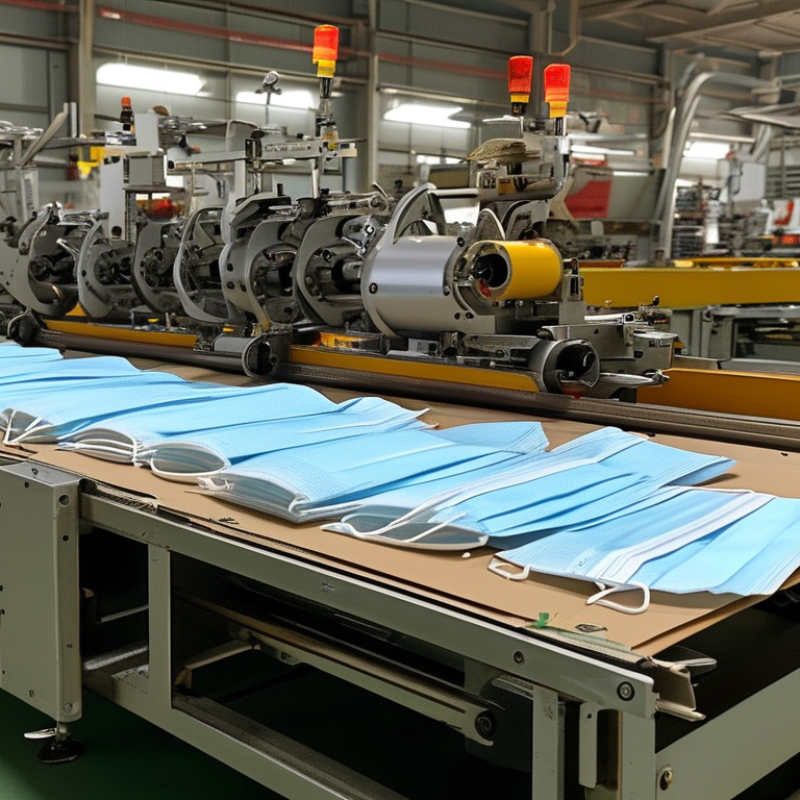
What is a Mask Folding Machine and How Does It Work?

What is a Mask Folding Machine?

A mask folding machine is a specialized device used in the manufacturing of face masks. It automates the folding process, ensuring precision and consistency. The machine typically folds fabric into multiple layers, giving masks their protective structure. With the rise in demand for face masks, these machines have become essential in factories.

When it comes to choosing a mask folding machine, consider the production capacity. It's crucial to ensure that the machine can meet your daily output needs. Also, look for features like adjustable folding angles and speeds. This flexibility can enhance efficiency and customization.

Tips: Regular maintenance is vital for optimal performance. Check for wear and tear on components often. Make adjustments to ensure quality and avoid wastage. Small changes can lead to significant improvements. Use quality materials to reduce issues in the folding process. It’s essential to train operators thoroughly, as mistakes are costly.

The History and Development of Mask Folding Machines

The evolution of mask folding machines marks a significant chapter in manufacturing technology. Initially developed in response to the growing demand for protective gear, these machines have transformed over the years. In the early days, manual processes dominated production. Workers spent hours folding and assembling masks by hand, often leading to inconsistencies. According to a market report, the global automatic mask machine market was valued at over $800 million in 2021, indicative of its rapid growth and technological advancements.

In recent years, innovation has driven efficiency. Advanced mask folding machines can produce thousands of masks per hour with high precision. They automate the folding, welding, and cutting processes, significantly reducing labor costs. Industry data shows a 50% increase in production capacity due to machine innovations. However, challenges persist. Some manufacturers struggle with adapting to new technologies, risking obsolescence. Additionally, quality control remains a pressing issue, as rapid production sometimes compromises material integrity. This juxtaposition of speed and quality highlights the need for ongoing improvement and oversight in the production cycle.

Key Components of a Mask Folding Machine

A mask folding machine is essential in mass production of face masks. Understanding its key components can enhance production efficiency. These machines typically include the following elements: the feeding unit, folding section, welding section, and output conveyor. Each component plays a vital role in ensuring the masks are folded and sealed properly.

The feeding unit introduces material into the machine. It often uses rollers to maintain a consistent flow. Next, the folding section takes the flat material and accurately folds it into the desired shape. Adjustments in this area can lead to a better final product. The welding section then uses heat or ultrasonic waves to seal the masks securely. Finally, the output conveyor transports finished masks for packaging.

Tips: Regular maintenance of each component ensures consistent performance. Check for material blockages that can disrupt flow. Also, operators should be trained to handle adjustments quickly. Regular feedback sessions can help identify areas needing improvement. This ongoing evaluation can transform production challenges into opportunities for growth, leading to higher quality masks.

How a Mask Folding Machine Operates Step-by-Step

Mask folding machines are essential in producing well-structured face masks. They automate the folding and shaping process, ensuring consistency and speed. The operation begins with feeding the material into the machine. The fabric is pulled and arranged, preparing it for folding.

The machine then uses a series of rollers and blades to fold the mask at precise angles. This step is crucial for achieving the desired shape and fit. As the folded mask moves along the production line, it is sealed at the edges. After sealing, the masks undergo quality checks to ensure they meet safety standards.

Tips: Regular maintenance of a mask folding machine is essential. This keeps it functioning smoothly. Pay attention to the materials used, as low-quality ones can lead to defects. Experimenting with different folding techniques can also enhance production efficiency. Remember, adjusting the machine settings can optimize output based on the specific fabric type. Understanding these details can improve your production process.

Applications and Benefits of Using Mask Folding Machines

Mask folding machines are transforming the production landscape of face masks. These machines streamline the manufacturing process, enabling high-speed output with precise folding. According to a report by ResearchAndMarkets, the global face mask machine market is projected to reach $2.4 billion by 2027, highlighting a growing demand for efficient production solutions.

The applications of mask folding machines extend beyond traditional manufacturing. They are used in various industries, providing essential personal protective equipment (PPE) for healthcare workers and the general public. In the wake of the COVID-19 pandemic, the efficiency of these machines has gained attention. A single machine can produce thousands of masks per hour, drastically reducing labor costs and time. However, not all machines meet quality standards. Some may sacrifice precision for speed, leading to issues with mask fit and filtration efficiency.

The benefits are clear, yet challenges remain. Industries must ensure that their machines adhere to safety regulations. Additionally, continuous training for operators is essential. Incomplete training can lead to manufacturing defects, making it difficult to maintain quality control. Overall, while mask folding machines present significant advancements, careful oversight is necessary to fully harness their potential.

Copyright 2025 Fluidra S.A. | Created by BCM Marketing Agencia Privacy Policy Legal note | Cookie policy |

Technical cookies are strictly necessary for our website to work and you can navigate through it. These types of cookies are those that, for example, allow us to identify you, give you access to certain restricted parts of the page if necessary, or remember different options or services already selected by you, such as your privacy preferences. Therefore, they are activated by default, your authorization not being necessary in this regard. Through the configuration of your browser, you can block or alert the presence of this type of cookies, although such blocking will affect the proper functioning of the different functionalities of our website.


The analysis cookies allow us to study the navigation of the users of our website in general (for example, which sections of the page are the most visited, which services are used most and if they work correctly, etc.). From the statistical information on navigation on our website, we can improve both the operation of the page itself and the different services it offers. Therefore, these cookies do not have an advertising purpose, but only serve to make our website work better, adapting to our users in general. By activating them you will contribute to this continuous improvement. You can enable or disable these cookies by checking the corresponding box, being disabled by default.


Functionality cookies allow us to remember your preferences, to personalize certain characteristics and general options of our website, every time you access it (for example, the language in which the information is presented to you, the sections marked as favorites, your browser type, etc.) Therefore, this type of cookies does not have an advertising purpose, but by activating them you will improve the functionality of the website (for example, adapting to your type of browser) and the customization of it based on your preferences (for example, by presenting the information in the language that you have chosen in previous occasions), which will contribute to the ease, usability and comfort of our page during your navigation. You can enable or disable these cookies by checking the corresponding box, being disabled by default.


Advertising cookies allow us to manage the advertising spaces included in our website based on criteria such as the content shown or the frequency in which the ads are displayed. For example, if you have been shown the same ad several times on our website, and you have not shown a personal interest by clicking on it, it will not appear again. In summary, by activating this type of cookies, the advertising shown on our website will be more useful and diverse, and less repetitive. You can enable or disable these cookies by checking the corresponding box, being disabled by default.


Behavioral advertising cookies allow us to obtain information based on the observation of your browsing habits and behaviors on the web, in order to show you advertising content that best suits your personal tastes and interests. To understand it in a very simple way, we will give you a fictitious example: if your last searches on the web were related to suspense literature, we would show you advertising about suspense books. Therefore, activating this type of cookies, the advertising that we show you on our website will not be generic, but will be oriented to your searches, tastes and interests, therefore adjusting exclusively to you. You can enable or disable these cookies by checking the corresponding box, being disabled by default.
To understand it in a very simple way, we will give you a fictitious example: if your last searches on the web were related to suspense literature, we would show you advertising about suspense books. Therefore, activating this type of cookies, the advertising that we show you on our website will not be generic, but will be oriented to your searches, tastes and interests, therefore adjusting exclusively to you. You can enable or disable these cookies by checking the corresponding box, being disabled by default.

SAVE

We use our own and third-party cookies to ensure the proper functioning of the website and to analyse our services, improve your experience on our website and show you advertisements related to your interests according to profiling based on your browsing habits (e.g. websites visited). You can accept all cookies by clicking "ACCEPT" or set or reject them by clicking here. If you would like to know more about the use of cookies, please see our COOKIE POLICY.


ACCEPT ALL
Reject no essentials


