
What are Low Friction Additives and Their Benefits?
FLUID HANDLING EXPERTS

Blog, all our news

What are Low Friction Additives and Their Benefits?

Low Friction Additives play a crucial role in enhancing performance in various industries. These specialized compounds reduce friction between surfaces, ultimately leading to improved efficiency. Their application spans from automotive engines to industrial machinery.

The benefits of Low Friction Additives are significant. They help in lowering energy consumption, extending equipment life, and minimizing wear. The reduction in friction also contributes to better heat management. Users can experience smoother operation and reduced maintenance costs.

Despite these advantages, it is important to consider potential trade-offs in specific applications. Not all Low Friction Additives work effectively in every scenario. Therefore, careful selection based on the intended use is essential. Users must understand both the benefits and limitations to optimize performance in their systems.
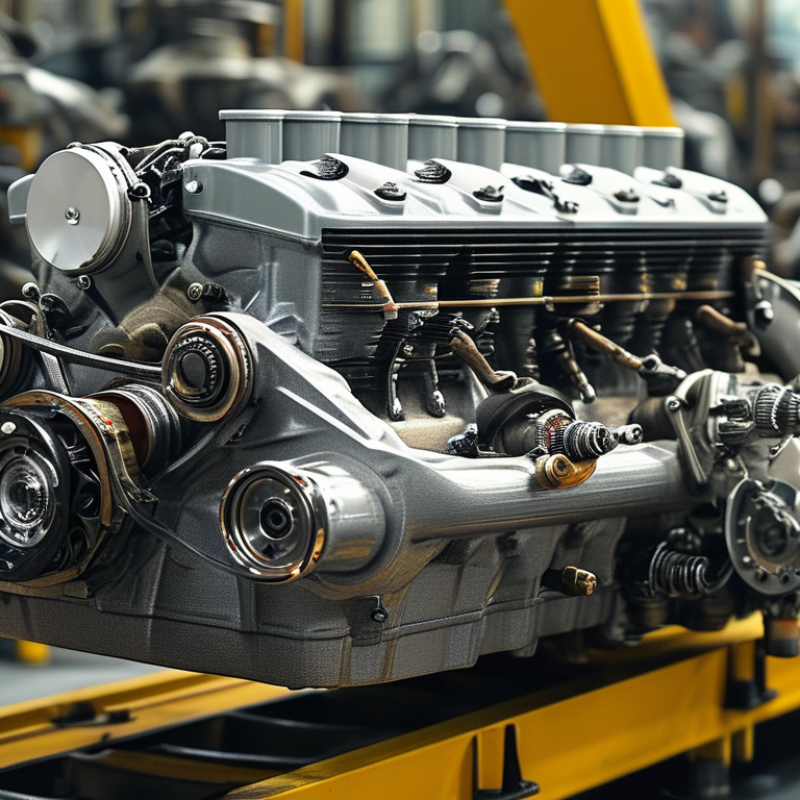
What are Low Friction Additives and Their Benefits?

Definition of Low Friction Additives and Their Types

Low friction additives are crucial in various industries, particularly in lubricants and coatings. They help reduce the contact friction between surfaces, improving efficiency and performance. Common types include molybdenum disulfide, graphite, and PTFE. According to a report by the American Chemical Society, incorporating these additives can reduce friction by up to 50%. This reduction leads to lower energy consumption and extended equipment lifespan.

These additives enhance performance in several applications, including automotive and industrial machinery. In automotive engines, they minimize wear, leading to smoother operation. Research indicates that low friction additives can improve fuel efficiency by about 2 to 5%. The importance of selecting the right additive cannot be overstated. Each type offers unique benefits, but not all are suitable for every application. It’s essential to assess the operating conditions and expected performance to optimize results.

Some challenges persist in fully understanding the behavior of low friction additives under extreme conditions. For instance, their effectiveness may diminish in high-temperature environments. This limitation necessitates more research to develop additives that maintain their properties under various stresses. The complexity of balancing cost and performance continues to be a significant consideration for manufacturers.

Benefits of Low Friction Additives

Mechanisms of Action: How Low Friction Additives Work

Low friction additives play a crucial role in enhancing the performance of lubricants and reducing wear. They typically consist of various organic and inorganic compounds that modify surface interactions. According to a recent report by the American Society of Mechanical Engineers, these additives can reduce friction by up to 30%, significantly improving energy efficiency in machinery.


The mechanisms of action for these additives are multifaceted. They act by forming a protective layer on surfaces, minimizing direct contact between moving parts. This layer reduces surface roughness and disperses heat generated from friction. Data from the Society of Tribologists and Lubrication Engineers reveals that incorporating low friction additives can extend the lifespan of engine components by 20% or more. However, manufacturers must tailor these additives based on specific applications, as over-reliance may lead to diminished performance in certain contexts.


Additionally, the effectiveness of low friction additives can vary based on environmental conditions. High temperatures or aggressive chemicals can degrade their performance. Continuous research is necessary to understand the long-term impacts and optimize their usage. Balancing immediate benefits with potential trade-offs remains a critical area of exploration in materials science.

Key Applications of Low Friction Additives in Various Industries

Low friction additives play a crucial role in various industries. They reduce wear and improve the efficiency of machinery. In automotive applications, these additives help enhance fuel efficiency. Engines perform better when friction is minimized. This leads to lower emissions and better fuel economy. Reduced friction can also extend the life of engine components.

In the manufacturing sector, low friction additives are used in lubricants. These lubricants are vital for machinery in production lines. They allow machines to operate smoothly, reducing downtime. In addition, they improve the performance of metalworking fluids. The use of these additives can prevent overheating and reduce the risk of breakdowns.

Although effective, it’s important to choose the right additive. Not all formulations work for every application. Some industries may experience challenges with certain additives. Compatibility with existing materials is essential. Some workers may need time to adapt to new products, leading to initial hurdles. Understanding these factors can aid in the successful integration of low friction additives.

Benefits of Using Low Friction Additives for Performance Enhancement

Low friction additives have garnered attention for their ability to enhance performance across various applications. These additives reduce friction between surfaces, leading to lower energy consumption. According to a study by the American Physical Society, implementing low friction additives can decrease mechanical energy losses by up to 20%. This reduction translates into improved efficiency and prolonged equipment life.

In automotive applications, low friction additives contribute to smoother operation and reduced wear. According to the Society of Automotive Engineers, vehicles using these additives can achieve fuel efficiency improvements of approximately 3-5%. This is significant, given the increasing focus on sustainability and fuel economy. However, it's essential to assess the compatibility of these additives with existing materials. Not every formulation works well with all systems. There can be issues of stability at high temperatures or in specific environments.

Some reports indicate that while low friction additives offer marked performance gains, improper usage can lead to unexpected results. For instance, a mismatch between an additive and the lubricant could compromise overall effectiveness. Awareness of such challenges is crucial for maximizing benefits. Adopting low friction solutions is not just about improved performance; it involves understanding the nuances of their application.

Environmental Impact and Safety Considerations of Low Friction Additives

Low friction additives play a crucial role in various industrial applications. However, their environmental impact is an important aspect to consider. Many additives may persist in the environment, leading to potential harm. It's vital to scrutinize the composition of these substances to ensure they are safe for both human health and ecosystems.

One key concern is bioaccumulation. Some low friction additives can accumulate in the food chain, posing threats to wildlife. Studies indicate that certain compounds have detrimental effects on aquatic life. Always look for additives that have been shown to minimize ecological risks.

Tips: When selecting low friction additives, check for certifications regarding environmental safety. Use products that adhere to strict regulatory standards. Regularly evaluate the environmental effects of your choices. Make informed decisions to promote sustainability while maintaining performance.

What are Low Friction Additives and Their Benefits?

Additive Type Benefits Environmental Impact Safety Considerations
Graphene-Based Additives Improves wear resistance and reduces energy consumption. Low toxicity; sustainable sourcing of materials. Safe handling with proper protective equipment.
Molybdenum Disulfide Excellent lubrication properties at high pressures. Biodegradable with minimal environmental footprint. May cause respiratory issues; recommend masks during application.
PTFE (Polytetrafluoroethylene) Reduces friction and improves efficiency in machinery. Non-toxic once cured; stable in various environments. Consider potential health risks during manufacturing; avoid overheating.
Silicone-Based Additives Enhances product lifespan and mechanical stability. Low environmental toxicity; widely used in eco-friendly products. Generally safe but use precautions during high-concentration applications.
Copyright 2025 Fluidra S.A. | Created by BCM Marketing Agencia Privacy Policy Legal note | Cookie policy |

Technical cookies are strictly necessary for our website to work and you can navigate through it. These types of cookies are those that, for example, allow us to identify you, give you access to certain restricted parts of the page if necessary, or remember different options or services already selected by you, such as your privacy preferences. Therefore, they are activated by default, your authorization not being necessary in this regard. Through the configuration of your browser, you can block or alert the presence of this type of cookies, although such blocking will affect the proper functioning of the different functionalities of our website.


The analysis cookies allow us to study the navigation of the users of our website in general (for example, which sections of the page are the most visited, which services are used most and if they work correctly, etc.). From the statistical information on navigation on our website, we can improve both the operation of the page itself and the different services it offers. Therefore, these cookies do not have an advertising purpose, but only serve to make our website work better, adapting to our users in general. By activating them you will contribute to this continuous improvement. You can enable or disable these cookies by checking the corresponding box, being disabled by default.


Functionality cookies allow us to remember your preferences, to personalize certain characteristics and general options of our website, every time you access it (for example, the language in which the information is presented to you, the sections marked as favorites, your browser type, etc.) Therefore, this type of cookies does not have an advertising purpose, but by activating them you will improve the functionality of the website (for example, adapting to your type of browser) and the customization of it based on your preferences (for example, by presenting the information in the language that you have chosen in previous occasions), which will contribute to the ease, usability and comfort of our page during your navigation. You can enable or disable these cookies by checking the corresponding box, being disabled by default.


Advertising cookies allow us to manage the advertising spaces included in our website based on criteria such as the content shown or the frequency in which the ads are displayed. For example, if you have been shown the same ad several times on our website, and you have not shown a personal interest by clicking on it, it will not appear again. In summary, by activating this type of cookies, the advertising shown on our website will be more useful and diverse, and less repetitive. You can enable or disable these cookies by checking the corresponding box, being disabled by default.


Behavioral advertising cookies allow us to obtain information based on the observation of your browsing habits and behaviors on the web, in order to show you advertising content that best suits your personal tastes and interests. To understand it in a very simple way, we will give you a fictitious example: if your last searches on the web were related to suspense literature, we would show you advertising about suspense books. Therefore, activating this type of cookies, the advertising that we show you on our website will not be generic, but will be oriented to your searches, tastes and interests, therefore adjusting exclusively to you. You can enable or disable these cookies by checking the corresponding box, being disabled by default.
To understand it in a very simple way, we will give you a fictitious example: if your last searches on the web were related to suspense literature, we would show you advertising about suspense books. Therefore, activating this type of cookies, the advertising that we show you on our website will not be generic, but will be oriented to your searches, tastes and interests, therefore adjusting exclusively to you. You can enable or disable these cookies by checking the corresponding box, being disabled by default.

SAVE

We use our own and third-party cookies to ensure the proper functioning of the website and to analyse our services, improve your experience on our website and show you advertisements related to your interests according to profiling based on your browsing habits (e.g. websites visited). You can accept all cookies by clicking "ACCEPT" or set or reject them by clicking here. If you would like to know more about the use of cookies, please see our COOKIE POLICY.


ACCEPT ALL
Reject no essentials


