How to Choose the Best High Vis Item?
FLUID HANDLING EXPERTS

Blog, all our news

How to Choose the Best High Vis Item?

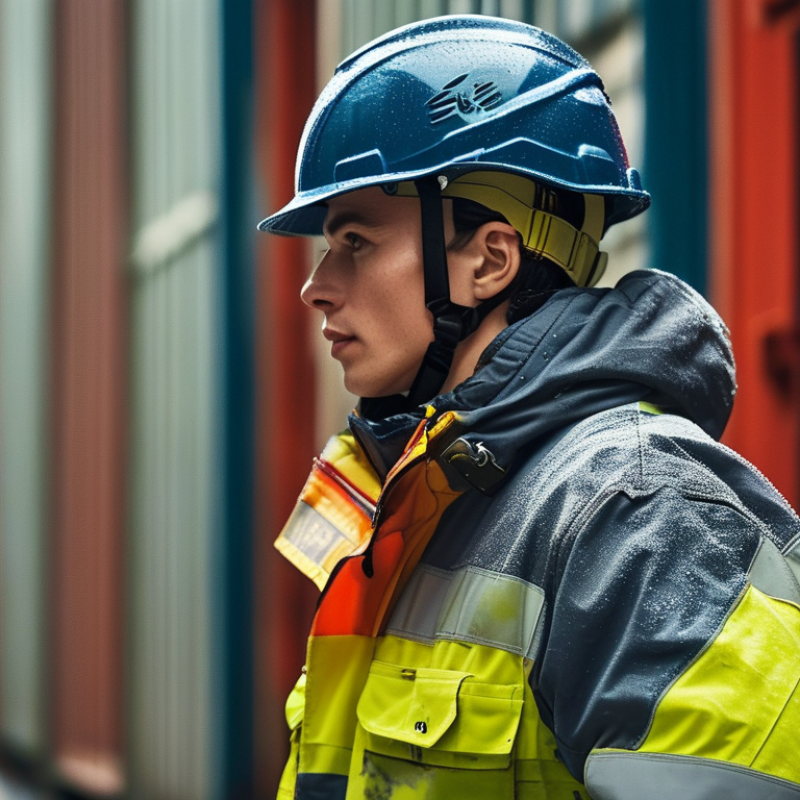
Choosing the right High Vis Item is more than selecting the brightest jacket on a product page. In real work settings, visibility depends on movement, weather, lighting, and background conditions. A road worker may need reflective bands that remain clear under headlights, while a warehouse employee may value breathable fabric and easy movement. I have found that comfort often decides whether protective clothing is worn correctly throughout a long shift. A garment left in a locker offers no practical protection.

A reliable choice begins with the task and its risks. Check the garment’s certified performance, reflective coverage, stitching, closures, and size range. Look for materials that remain visible after repeated washing, not just under showroom lighting. Independent testing, manufacturer documentation, and guidance from workplace safety professionals can support a more informed decision. Still, product labels can be confusing, and no single High Vis Item suits every environment. That is where careful comparison matters.

Think about the details.

Can the worker bend, reach, or climb without exposing dark gaps? Does the fabric trap heat during summer work? Will rain reduce comfort or hide important reflective areas? These questions may seem minor, but they shape real-world performance. A bright color alone is not enough. The best option balances visibility, durability, fit, climate, and task requirements. This article explains how to compare those factors with practical judgment, while acknowledging one imperfect truth: even well-designed clothing cannot replace proper training, maintenance, and attentive workplace planning.
How to Choose the Best High Vis Item?

Define the Safety Needs and Work Conditions

How to Choose the Best High Vis Item?

Define the Safety Needs and Work Conditions

Choosing a high visibility item starts with the hazard, not the garment. Ask where workers stand, how fast vehicles move, and when visibility drops. HSE reported 138 worker fatalities in Great Britain during 2023/24. Thirty involved workplace transport. That figure makes vehicle separation and visual recognition practical priorities.

Daylight work near slow vehicles may need a different garment from night road maintenance. Select clothing certified to a recognized standard, such as ISO 20471, and check its performance class. Class 3 generally provides greater visible area than lower classes. Reflective bands should remain visible from different angles. A vest covered by tools or a backpack may fail in practice. Small details matter.

Consider rain, dust, heat, cold, and frequent washing. Wet reflective material can perform differently from dry material. HSE guidance also stresses planning, lighting, vehicle routes, and worker visibility, not clothing alone. Supervisors should inspect whether the item remains bright, fits correctly, and works with helmets or harnesses. Poor fit is easy to overlook. I have seen risk assessments focus on color while ignoring glare, shadows, and reversing vehicles. That is an incomplete assessment, but it is common. Record the actual work conditions, review near misses, and adjust the item when the task changes.

Choose the Right High-Visibility Class and Coverage

How to Choose the Best High Vis Item?

Choosing the right high-visibility class starts with the work environment, not appearance. Consider traffic speed, viewing distance, lighting, weather, and background colors. Class 1 garments may suit low-risk areas with slow-moving vehicles. Class 2 offers more visibility for roadside work, warehouses, and changing conditions. Class 3 provides the greatest coverage, often including the torso, sleeves, and legs. Always check current local requirements and the garment’s certified label.

Coverage matters as much as class. Reflective bands should remain visible when you bend, reach, or carry equipment. A vest hidden beneath a radio, backpack, or rain jacket may perform poorly in practice. In site reviews, workers often choose bright colors but overlook dark stains, worn tape, or blocked panels. That is an easy mistake. Inspect the garment before each shift, especially after washing or rough use.

Tips: Match the class to the hazard. Select fluorescent colors that contrast with the worksite. Keep reflective areas uncovered. Test movement before purchasing. Replace damaged garments promptly. If coverage feels limited, reconsider the item. A slightly awkward fit may reveal a real safety problem, not a minor inconvenience.

How to Choose the Best High Vis Item? - Choose the Right High-Visibility Class and Coverage

ANSI/ISEA 107 Class Minimum Background Material Minimum Retroreflective Material Visibility and Coverage Typical Work Environment Recommended Item Type
Class 1 At least 217 sq in (1,400 cm²) At least 25 sq in (155 cm²) Basic visibility; limited coverage is acceptable when traffic and task risks are low. Off-road areas or locations separated from moving traffic; daytime work with good visibility. High-visibility vest, shirt, or other approved garment designed for low-risk conditions.
Class 2 At least 775 sq in (5,000 cm²) At least 201 sq in (1,300 cm²) Improved recognition of the wearer’s torso and movement against complex backgrounds. Roadside work, construction zones, warehouses, delivery areas, and moderate traffic exposure. High-visibility vest, jacket, shirt, or coverall with substantial torso coverage.
Class 3 At least 1,240 sq in (8,000 cm²) At least 310 sq in (2,000 cm²) Highest ANSI/ISEA 107 coverage level; helps identify the wearer’s torso, arms, and legs. High-speed traffic, nighttime work, poor weather, complex backgrounds, or tasks requiring maximum visibility. High-visibility jacket, coverall, or coordinated garment system with sleeves and full-length trousers.
Class E Supplemental Garment Not classified by itself as a complete torso garment Must meet the applicable ANSI/ISEA 107 Class E requirements Adds visibility to the lower body when worn with a compliant Class 2 or Class 3 garment. Work sites where enhanced lower-body visibility is needed, especially around moving vehicles. High-visibility trousers, bib overalls, or gaiters worn as part of a complete clothing system.
Selection checklist: Choose the class according to traffic speed, distance from vehicles, lighting, weather, background complexity, and the need to recognize the wearer’s body shape and movement. Always check the garment label and the applicable workplace or local regulatory requirements; color and reflective appearance alone do not determine compliance.
Reference: Minimum material areas summarized from ANSI/ISEA 107 performance-class requirements. Actual garment compliance depends on the complete tested design, material performance, configuration, and labeling.

Compare Colors, Reflective Materials, and Garment Features

Choosing the best high vis item starts with color, but color alone is not proof of safety. Fluorescent yellow-green usually stands out against dark roads and green vegetation during daylight. Orange-red can create stronger contrast near construction zones and dusty surfaces. HSE Research Report RR768 identifies both color families as effective daytime backgrounds. At night, retroreflective material becomes more important. It returns vehicle headlights toward drivers, rather than simply appearing bright.

Compare the garment’s measurable coverage. ANSI/ISEA 107-2020 specifies about 775 square inches of background material and 201 square inches of retroreflective material for Class 2 apparel. Class 3 requires about 1,240 and 310 square inches, respectively. These figures matter when traffic moves quickly or visibility changes suddenly. Look for continuous reflective bands around the torso, sleeves, and legs. A 360-degree pattern is easier to notice than a bright front panel. Prismatic tape can provide strong long-distance reflection, while glass-bead tape may feel softer and more flexible. Performance can drop after dirt, abrasion, or poor washing. That detail is easy to overlook.

Tips: Choose a close but unrestricted fit. Check pockets, zippers, ventilation, and adjustable cuffs. A garment that overheats may be removed. A loose vest may hide reflective bands. Follow the care label, then inspect fading, cracked tape, and broken stitching. I would also test the item under headlights before relying on it. Personal experience matters, but it can be misleading. One successful shift does not prove long-term visibility.

How to Choose the Best High Vis Item?

Compare colors, reflective materials, and garment features using the minimum visible-material areas specified by EN ISO 20471.

Choose the Right Color

Fluorescent yellow-green generally provides the highest daytime luminance factor, while fluorescent orange-red can offer stronger contrast in green outdoor environments. Select a certified fluorescent color suitable for the work setting.

Check Reflective Material

Retroreflective bands return light toward vehicle headlights and are essential in low-light conditions. Look for certified reflective performance and continuous torso, sleeve, or leg coverage.

Match the Garment Class

EN ISO 20471 Class 3 uses the greatest minimum areas of fluorescent and retroreflective material, making it suitable for higher-risk work near traffic or moving equipment.

Chart values show minimum material areas in square metres according to EN ISO 20471 garment classes. Always verify the certification and care label before purchase.

Check Fit, Comfort, Durability, and Weather Protection

How to Choose the Best High Vis Item?

Check Fit, Comfort, Durability, and Weather Protection

Visibility starts with fit, not color. Choose a garment that sits flat without restricting shoulder movement. The hem should stay below the waist during lifting, climbing, and reaching. Loose fabric can snag, while tight fabric may split at stress points. Test it over the layers you actually wear. A summer shirt is not enough.

Comfort matters during long shifts. Look for breathable panels, smooth seams, and adjustable cuffs. Small details matter.

According to the U.S. Bureau of Labor Statistics, the 2023 Census of Fatal Occupational Injuries recorded 1,942 fatal transportation incidents, about 37% of all workplace fatalities. This figure does not prove that high visibility prevents every incident. It does show why workers need clear visual separation from moving equipment and vehicles.

Durability depends on more than thick fabric. Check stitching, zipper quality, reflective tape adhesion, and abrasion resistance around pockets. Follow the care label, because harsh washing can reduce reflective performance.

For rain, inspect sealed seams, a protective hood, and adjustable closures. EN 343 evaluates protective clothing against rain, while ANSI/ISEA 107-2020 specifies high-visibility garment performance.

Standards help, but they do not replace judgment. A waterproof item may feel overheated, and a comfortable vest may offer little protection in heavy rain.

Recheck the garment after repeated washing. Small damage is easy to ignore. That can be the mistake.

Verify Standards, Maintenance Needs, and Product Quality

How to Choose the Best High Vis Item?

A high visibility item should meet the standard required for your work and location. Check the sewn-in label, test information, and garment classification. Common references include ANSI/ISEA 107, EN ISO 20471, and AS/NZS 4602.1. Requirements vary by region and task. Do not trust bright color alone. A compliant item should combine fluorescent material with reflective bands and suitable coverage. Ask the supplier for current documentation when the label seems unclear.

Inspect product quality before regular use. Look for tight stitching, secure closures, smooth seams, and evenly attached reflective tape. The fabric should feel strong without restricting movement. Fit matters. A loose vest may catch on equipment, while a tight one can cover reflective areas. In field checks, I have seen attractive garments fail because the tape lifted after several washes. That detail matters. Try the item with your usual jacket, gloves, or tools.

Maintenance directly affects visibility. Follow the washing temperature, detergent guidance, and drying instructions. Avoid harsh chemicals, ironing over reflective sections, and unnecessary high heat. Inspect the garment before each shift. Fading, cracks, torn seams, or peeling tape require careful evaluation. Do not guess. Replace damaged items when visibility has clearly declined. I once underestimated a small reflective split because the rest of the vest looked clean. It was a useful reminder: appearance is not proof of performance. Keep inspection records for shared workwear, especially when many people handle the same items.

Article Source:

Copyright 2025 Fluidra S.A. | Created by BCM Marketing Agencia Privacy Policy Legal note | Cookie policy |

Technical cookies are strictly necessary for our website to work and you can navigate through it. These types of cookies are those that, for example, allow us to identify you, give you access to certain restricted parts of the page if necessary, or remember different options or services already selected by you, such as your privacy preferences. Therefore, they are activated by default, your authorization not being necessary in this regard. Through the configuration of your browser, you can block or alert the presence of this type of cookies, although such blocking will affect the proper functioning of the different functionalities of our website.


The analysis cookies allow us to study the navigation of the users of our website in general (for example, which sections of the page are the most visited, which services are used most and if they work correctly, etc.). From the statistical information on navigation on our website, we can improve both the operation of the page itself and the different services it offers. Therefore, these cookies do not have an advertising purpose, but only serve to make our website work better, adapting to our users in general. By activating them you will contribute to this continuous improvement. You can enable or disable these cookies by checking the corresponding box, being disabled by default.


Functionality cookies allow us to remember your preferences, to personalize certain characteristics and general options of our website, every time you access it (for example, the language in which the information is presented to you, the sections marked as favorites, your browser type, etc.) Therefore, this type of cookies does not have an advertising purpose, but by activating them you will improve the functionality of the website (for example, adapting to your type of browser) and the customization of it based on your preferences (for example, by presenting the information in the language that you have chosen in previous occasions), which will contribute to the ease, usability and comfort of our page during your navigation. You can enable or disable these cookies by checking the corresponding box, being disabled by default.


Advertising cookies allow us to manage the advertising spaces included in our website based on criteria such as the content shown or the frequency in which the ads are displayed. For example, if you have been shown the same ad several times on our website, and you have not shown a personal interest by clicking on it, it will not appear again. In summary, by activating this type of cookies, the advertising shown on our website will be more useful and diverse, and less repetitive. You can enable or disable these cookies by checking the corresponding box, being disabled by default.


Behavioral advertising cookies allow us to obtain information based on the observation of your browsing habits and behaviors on the web, in order to show you advertising content that best suits your personal tastes and interests. To understand it in a very simple way, we will give you a fictitious example: if your last searches on the web were related to suspense literature, we would show you advertising about suspense books. Therefore, activating this type of cookies, the advertising that we show you on our website will not be generic, but will be oriented to your searches, tastes and interests, therefore adjusting exclusively to you. You can enable or disable these cookies by checking the corresponding box, being disabled by default.
To understand it in a very simple way, we will give you a fictitious example: if your last searches on the web were related to suspense literature, we would show you advertising about suspense books. Therefore, activating this type of cookies, the advertising that we show you on our website will not be generic, but will be oriented to your searches, tastes and interests, therefore adjusting exclusively to you. You can enable or disable these cookies by checking the corresponding box, being disabled by default.

SAVE

We use our own and third-party cookies to ensure the proper functioning of the website and to analyse our services, improve your experience on our website and show you advertisements related to your interests according to profiling based on your browsing habits (e.g. websites visited). You can accept all cookies by clicking "ACCEPT" or set or reject them by clicking here. If you would like to know more about the use of cookies, please see our COOKIE POLICY.


ACCEPT ALL
Reject no essentials