
In the rapidly evolving world of industrial automation, selecting the right Din-Rail Industrial Switch can significantly impact performance and reliability. As an authority in industrial networking, Dr. Emily Zhang emphasizes, “The right switch is not just a device; it's the backbone of your network.” Her insights underline the importance of making informed choices in this field.
Choosing a Din-Rail Industrial Switch requires careful consideration of several factors. Factors include speed, reliability, and the specific needs of your project. Many professionals overlook these details, assuming that all switches offer similar functionality. This assumption can lead to network bottlenecks and downtime in critical systems.
Understanding the differences between unmanaged and managed switches is crucial. Managed switches provide enhanced monitoring and control, yet many users opt for unmanaged ones due to their lower costs. This decision might seem practical but could result in missed opportunities for optimizing network performance. Reflecting on your specific application needs is essential for making the best decision in the ever-competitive landscape of industrial networking.
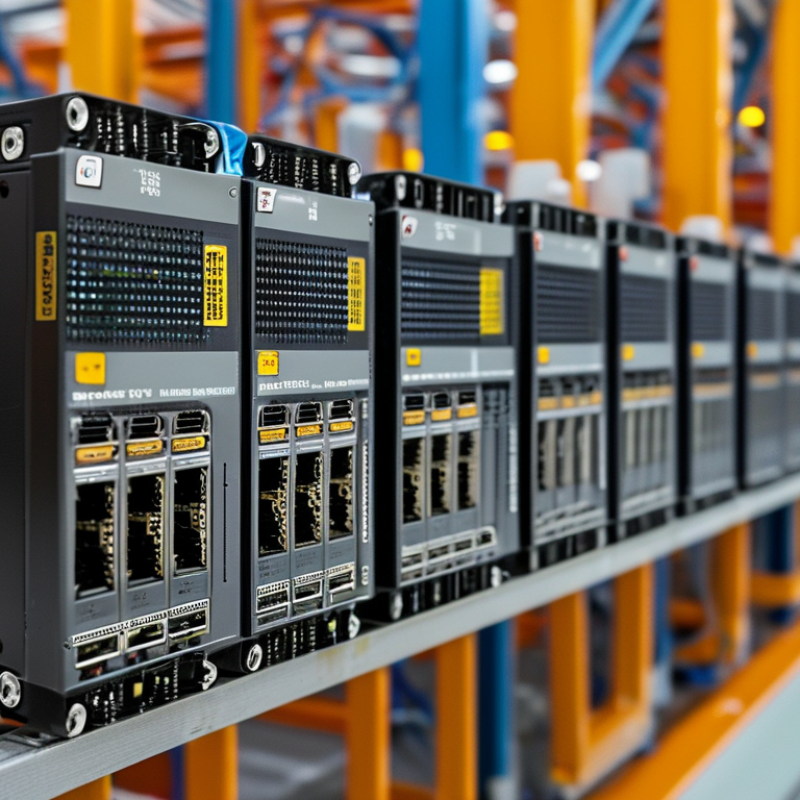
Din-rail industrial switches are essential for robust networking in industrial environments. They mount on standard DIN rails and provide reliable communication for various devices. When considering switches, understanding the basics is crucial. The types of switches vary between managed and unmanaged. Managed switches offer more control, while unmanaged switches are simpler to use.
Key features to consider include speed and port count. Common speeds are 10/100 Mbps, but some support 1 Gbps. Port count typically ranges from 5 to 48. It's important to match the switch to specific needs. Additional features like PoE support and wide temperature ratings might be relevant in harsh conditions. A factory setting may need more durability than an office environment.
Performance can vary, depending on the manufacturer and specifications. Look for switches that ensure redundancy, especially in critical applications. While many products promise reliability, real-world usage can reveal flaws. Users should reflect on their experiences and share feedback. This helps others make informed choices. Understanding these core aspects leads to better decisions for effective and efficient industrial networking.

When selecting a din-rail industrial switch, it's vital to focus on key features that fit your specific needs. One important aspect is port density. Switches come with various numbers of ports. A higher port count can support more devices, but may also complicate the network setup. Consider how many devices you plan to connect to ensure efficient management.
Power over Ethernet (PoE) capabilities can be a game-changer. This feature allows devices like IP cameras and phones to receive power through network cables. Make sure your switch can handle the total power requirements of connected devices. Heat resistance is another essential feature. In industrial settings, equipment may be exposed to extreme temperatures. Look for switches with robust housing to withstand harsh conditions.
Don't ignore the importance of network management options. Managed switches provide advanced features like VLAN support and traffic monitoring. However, they require more expertise to configure. The right choice often depends on your team's skill level. Balancing functionality and complexity can be challenging. Always consider future scalability as well. A switch that meets current needs might fall short later on. Reflecting on these elements can guide you to the best decision.
When evaluating Din-Rail industrial switches, performance metrics play a crucial role. Various factors influence their efficiency. Speed is one of the key metrics. A higher data transmission speed enhances network performance. However, not every application requires top speeds. Understanding specific needs helps in making an informed choice.
Reliability is another significant metric to consider. Switches should endure harsh environments. Factors such as temperature range and humidity levels are essential. A switch that fails under extreme conditions can disrupt operations. Regular maintenance can ensure longevity, but a robust design is integral from the start.
Monitoring capabilities are also important. Switches with advanced management features allow easy diagnostics. They provide insights into traffic, errors, and network health. However, complexity can be an issue. Some users may find advanced features overwhelming. Simple interfaces can sometimes offer better functionality for smaller setups, promoting user-friendly experiences. Balancing performance and usability is vital.
When installing an industrial switch on a din-rail, assessing environmental factors is crucial. Factors like temperature, humidity, and dust levels can significantly impact the performance and lifespan of the switch. For instance, a study by the International Society of Automation indicates that 30% of industrial equipment failures are linked to environmental conditions.
Consider the temperature range. Many industrial switches operate optimally between -20°C to 70°C. Extreme temperatures can lead to overheating or malfunction. Additionally, dust and moisture can penetrate devices, causing electrical failures. It's vital to choose a switch with an appropriate IP rating to protect against these elements.
Tips for installation: Ensure the switch is ventilated properly. This prevents heat buildup. Use protective covers for ports that aren't in use, reducing dust exposure. Regularly inspect connections and the physical environment to identify potential issues. Keep in mind that even small changes can pose risks that are often overlooked.
When selecting a Din-Rail industrial switch, understanding the nuances between various brands and models is crucial. Industry reports indicate that a significant number of industrial automation failures stem from suboptimal network equipment choices. For instance, a study by a leading research firm highlighted that 45% of downtime is attributed to improper switch selection. Therefore, analyzing specifications, reliability, and performance is essential.
Evaluating the specifications of Din-Rail switches involves examining speed, port density, and operational temperature ranges. Some models provide robust features like Power over Ethernet (PoE) support, while others may lack this capability. Decisions should be based on your network’s specific demands. It's vital to assess warranty terms as well. Reliable brands often offer longer warranties, demonstrating confidence in their products.
Users should also consider real-world performance reports and customer feedback. A survey indicated that 60% of users experienced issues, not due to product failure, but due to incorrect installation. This suggests a need for better installation practices. Brands may have strong reputations, yet their products can still fall short if not properly implemented. Balancing technical specifications with practical insights can lead to more informed choices.

Cepex is the brand for the fluid handling market belonging to the Fluidra group. One of the leading european manufacturer of valves and fittings in thermoplastic materials.
Dedicated to the swimming pool, irrigation and industrial markets, we distribute our products worldwide with the Fluidra commercial network and presence in 46 countries with 136 sales branches.


