
What Is a Foot Heel Massager and How Does It Work?
FLUID HANDLING EXPERTS

Blog, all our news

What Is a Foot Heel Massager and How Does It Work?

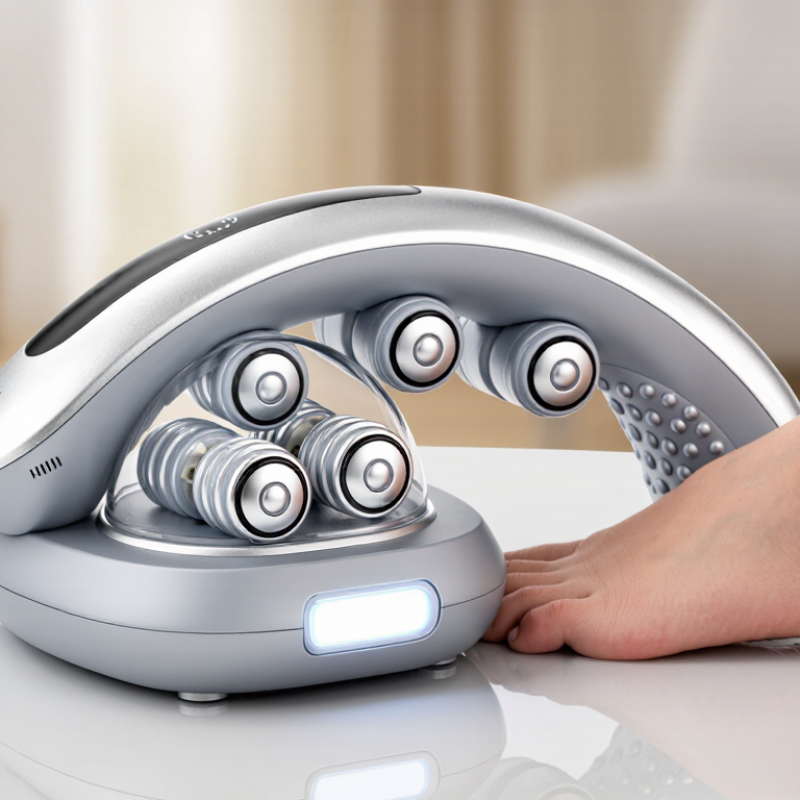
A Foot Heel Massager is a compact device designed to stimulate the heel, arch, and surrounding sole. It may use rotating rollers, vibration, air compression, heat, or a combination of these features. When the device moves beneath the foot, it applies repeated pressure to soft tissue and may encourage temporary relaxation. The sensation can resemble a slow thumb press along a tired heel.

Podiatrist Dr. Miguel Cunha has emphasized, “A massage device should complement, not replace, proper foot care.” This principle matters because heel discomfort can have several causes, including plantar fasciitis, overuse, unsuitable shoes, or skin and joint problems. A Foot Heel Massager may ease perceived tightness after walking, standing, or exercise. It cannot diagnose the cause. It cannot repair every injury.

Use matters. Begin with the lowest setting and a short session. Keep the foot relaxed, not forcefully pressed downward. Heat may feel soothing, but excessive warmth can irritate sensitive skin. People with diabetes, reduced sensation, circulation concerns, open wounds, or recent foot injuries should seek professional advice before use.

The benefits are not identical for everyone. Some users notice comfort within minutes. Others feel little change. That uncertainty is important. Current consumer claims can sound stronger than the available evidence. A thoughtful guide should explain how the mechanism works, what realistic relief may feel like, and when professional assessment is wiser. The goal is informed comfort, not exaggerated promises.
What Is a Foot Heel Massager and How Does It Work?

Definition and Main Components of a Foot Heel Massager

A foot heel massager is an electrical device designed to apply controlled pressure, rolling, vibration, or warmth around the heel and nearby sole. Its main structure usually includes a rigid housing, a cushioned heel cup, mechanical rollers, an air-compression chamber, and a small control panel. Some models also contain heating elements and pressure sensors. The sensors help adjust intensity, although accuracy differs between devices.

The mechanism is fairly direct. A motor moves rollers beneath the heel, while air chambers squeeze the sides of the foot. Heat may increase comfort by warming tight tissues, but it does not automatically repair an injury. The American Podiatric Medical Association reports that 77% of U.S. adults have experienced foot pain. That figure helps explain the growing interest in home foot-care equipment. Grand View Research also identifies rising demand for foot massagers as a key market trend.

Use matters.

A comfortable session should feel supportive, not sharp or numbing. People with diabetes, reduced sensation, circulation problems, open wounds, or unexplained swelling should seek medical advice before use. A massager can ease temporary tension, but it cannot diagnose plantar fasciitis or replace clinical care. Its comfort can be persuasive. Comfort is not proof of treatment. Even the component layout deserves attention; a soft liner, stable base, and clear intensity settings may matter more than extra functions.

How a Foot Heel Massager Works

What Is a Foot Heel Massager and How Does It Work?

A foot heel massager applies pressure, vibration, rolling, warmth, or air compression around the heel and arch. These actions stimulate pressure-sensitive nerves in the skin and deeper tissues. The nervous system may then reduce how strongly it interprets discomfort. Gentle kneading can also temporarily relax tight plantar fascia and calf muscles. Some devices use a firm central node under the heel, while others imitate thumbs moving along the arch.

The mechanism is mostly short-term sensory modulation, not tissue repair. A 2014 American Podiatric Medical Association survey reported that 77% of Americans had experienced foot pain. Yet, many people still delay professional assessment. That figure shows the need for care, but it does not prove massagers treat every heel problem. Evidence for massage-based pain relief remains mixed, according to reviews published in the Journal of Clinical Medicine. The evidence is not tidy.

In practical use, begin with five to ten minutes on a low setting. Stop if sharp pain, numbness, bruising, or skin irritation appears. People with diabetes-related nerve loss, open wounds, poor circulation, or unexplained swelling should seek medical advice first. I would not call a massager a cure. It may help after standing all day, especially when the heel feels stiff rather than injured. A warm floor, slow pressure, and relaxed breathing can make the session feel more controlled. Still, incorrect pressure may aggravate sensitive tissue.

What Is a Foot Heel Massager and How Does It Work? - How a Foot Heel Massager Works

A practical overview of common foot and heel massager functions, mechanisms, and user considerations.

Data Dimension What It Means How It Works in Practice
Device Definition A powered or manual device designed to massage the heel, sole, arch, or surrounding foot area. The user places the foot on, in, or against the device, depending on its design and intended contact area.
Primary Massage Methods Common methods include vibration, rolling, kneading, compression, and manual pressure. A device may use one method or combine several methods to apply repeated mechanical stimulation to soft tissues.
Heel Contact The heel may rest on a platform, fit into a padded chamber, or contact a textured roller or massage head. Pressure or movement is transferred through the skin and soft tissue around the heel without directly manipulating the heel bone.
Vibration Rapid, small movements produced by an internal motor or vibrating surface. Vibration creates a rhythmic sensation that may help temporarily reduce the perception of foot tension or fatigue.
Rolling and Kneading Rotating rollers or massage nodes move against the sole and heel area. The repeated contact resembles circular or pressing hand movements and can be adjusted according to comfort.
Air Compression Inflatable chambers apply intermittent pressure around parts of the foot or ankle. The chambers inflate and release in cycles, creating a gentle squeezing sensation rather than a rolling motion.
Heat Function Some powered models include a low-level warming function. Heat is delivered through an integrated warming element and is intended to provide comfort; it does not replace medical treatment.
Intensity Control Many powered devices offer multiple speed, pressure, or massage-mode settings. Starting at the lowest comfortable setting helps the user assess sensitivity before increasing intensity.
Typical Session Length Short sessions are commonly used for general relaxation and foot comfort. A practical starting point is approximately 5–15 minutes, following the device instructions and personal comfort level.
Potential Everyday Uses Relaxation, temporary relief of perceived foot tightness, and post-activity comfort. Massage may make tired feet feel more comfortable, but results vary and it should not be presented as a cure for an underlying condition.
Manual Versus Powered Models Manual products rely on the user’s body weight or hand pressure, while powered products use a motor, air pump, or heating element. Manual models offer direct control; powered models provide repeated movement or pressure with less physical effort.
Safety Consideration Not every foot massager is suitable for every user or medical condition. Stop use if pain, numbness, skin irritation, or unusual swelling occurs. People with reduced sensation, circulation problems, open wounds, or relevant medical conditions should seek professional advice first.
Expected Result The immediate result is generally a massage sensation and temporary comfort rather than structural correction. The device works by applying mechanical stimulation to accessible soft tissues; it does not change bone structure or permanently correct foot mechanics.
Important: A foot heel massager is a comfort and relaxation tool. Use it according to the manufacturer’s instructions and seek medical advice for persistent heel pain or symptoms that worsen.

Types of Foot Heel Massagers and Their Features

Foot heel massagers use pressure, vibration, heat, or rolling motion to stimulate the soles and surrounding soft tissue. Their goal is usually short-term comfort, not guaranteed treatment. The categories overlap, and that matters when choosing a device.

Manual ball and textured roller massagers offer simple pressure control. They are portable and useful after standing, walking, or exercise. Electric kneading models use rotating nodes to imitate thumb pressure. Some include adjustable intensity and timed sessions. Vibration massagers create rapid movement across the heel and arch, while heated models add gentle warmth for stiff-feeling feet. Air-compression designs squeeze the foot rhythmically and may suit users who prefer broader contact. A 2023 Grand View Research report valued the global foot massager market at over 400 million dollars, reflecting growing consumer interest in home recovery tools.

Features should match the user’s actual needs. A wide base improves stability, and removable covers make cleaning easier. Heat controls matter because excessive warmth can irritate sensitive skin. The American Podiatric Medical Association notes that comfortable footwear and proper foot care remain important for everyday foot health. Massage is not a substitute for diagnosis. The National Center for Complementary and Integrative Health reports that massage may provide short-term pain relief, but evidence differs by condition. A gentle five-minute session may be enough. More pressure is not automatically better. Users with reduced sensation, circulation problems, open wounds, or persistent heel pain should seek medical advice before use. Some marketing claims still sound stronger than the evidence.

Potential Benefits and Suitable Users

A foot heel massager uses rollers, vibration, air compression, or gentle heat. These features apply pressure around the heel and arch. The pressure may temporarily relax tight muscles and improve local comfort after walking, standing, or exercise. Some devices also target the plantar fascia, a strong tissue band beneath the foot. The experience should feel firm, not sharp. It should never create numbness.

Potential benefits remain limited. The National Center for Complementary and Integrative Health reports that massage may support short-term pain relief, but research quality varies by condition. A 2023 market report by Grand View Research estimated the global foot massager market at roughly USD 3 billion, showing strong consumer interest. That figure reflects sales, not proven medical effectiveness. The evidence is not perfect. I would not describe a massager as a cure for heel pain.

Suitable users may include healthy adults with tired feet, mild muscle tightness, or discomfort after prolonged standing. Runners might use it during recovery, using low pressure for a few minutes. People with diabetes-related nerve loss, poor circulation, unexplained swelling, skin wounds, or persistent heel pain should seek professional advice first. Pregnant users should also ask a qualified clinician, especially before using heat or strong compression. Stop if pain, tingling, bruising, or skin irritation appears. A softer setting is usually the wiser starting point.

Safe Usage, Care, and Maintenance Guidelines

What Is a Foot Heel Massager and How Does It Work?

A foot heel massager uses gentle pressure, vibration, heat, or rolling motion around the heel and sole. These actions may help relax tired muscles after standing, walking, or exercise. The device should feel comfortable, not sharp or forceful. Start with the lowest setting for five to ten minutes. Check your skin during use, especially if your feet feel numb or unusually warm.

Safe use requires attention to personal health. People with diabetes, reduced circulation, nerve damage, open wounds, swelling, or recent foot injuries should ask a healthcare professional before using one. Stop immediately if you notice pain, burning, bruising, dizziness, or persistent tingling. Never use the massager while sleeping, and keep it away from water unless the instructions clearly allow moisture. It is easy to assume stronger pressure works better. It does not always.

Care and maintenance affect both comfort and safety. Unplug the device before cleaning it. Wipe washable surfaces with a slightly damp cloth, then dry them completely. Do not pour cleaner into seams, vents, or control panels. Inspect the power cord, plug, rollers, and fabric after each week of regular use. A loose wire or cracked cover needs attention, not improvisation. Store the massager in a cool, dry place with the cord loosely arranged. Avoid placing heavy objects on it. Keep a simple usage note if your feet are sensitive; recording duration and reactions can reveal when your routine needs adjustment.

Copyright 2025 Fluidra S.A. | Created by BCM Marketing Agencia Privacy Policy Legal note | Cookie policy |

Technical cookies are strictly necessary for our website to work and you can navigate through it. These types of cookies are those that, for example, allow us to identify you, give you access to certain restricted parts of the page if necessary, or remember different options or services already selected by you, such as your privacy preferences. Therefore, they are activated by default, your authorization not being necessary in this regard. Through the configuration of your browser, you can block or alert the presence of this type of cookies, although such blocking will affect the proper functioning of the different functionalities of our website.


The analysis cookies allow us to study the navigation of the users of our website in general (for example, which sections of the page are the most visited, which services are used most and if they work correctly, etc.). From the statistical information on navigation on our website, we can improve both the operation of the page itself and the different services it offers. Therefore, these cookies do not have an advertising purpose, but only serve to make our website work better, adapting to our users in general. By activating them you will contribute to this continuous improvement. You can enable or disable these cookies by checking the corresponding box, being disabled by default.


Functionality cookies allow us to remember your preferences, to personalize certain characteristics and general options of our website, every time you access it (for example, the language in which the information is presented to you, the sections marked as favorites, your browser type, etc.) Therefore, this type of cookies does not have an advertising purpose, but by activating them you will improve the functionality of the website (for example, adapting to your type of browser) and the customization of it based on your preferences (for example, by presenting the information in the language that you have chosen in previous occasions), which will contribute to the ease, usability and comfort of our page during your navigation. You can enable or disable these cookies by checking the corresponding box, being disabled by default.


Advertising cookies allow us to manage the advertising spaces included in our website based on criteria such as the content shown or the frequency in which the ads are displayed. For example, if you have been shown the same ad several times on our website, and you have not shown a personal interest by clicking on it, it will not appear again. In summary, by activating this type of cookies, the advertising shown on our website will be more useful and diverse, and less repetitive. You can enable or disable these cookies by checking the corresponding box, being disabled by default.


Behavioral advertising cookies allow us to obtain information based on the observation of your browsing habits and behaviors on the web, in order to show you advertising content that best suits your personal tastes and interests. To understand it in a very simple way, we will give you a fictitious example: if your last searches on the web were related to suspense literature, we would show you advertising about suspense books. Therefore, activating this type of cookies, the advertising that we show you on our website will not be generic, but will be oriented to your searches, tastes and interests, therefore adjusting exclusively to you. You can enable or disable these cookies by checking the corresponding box, being disabled by default.
To understand it in a very simple way, we will give you a fictitious example: if your last searches on the web were related to suspense literature, we would show you advertising about suspense books. Therefore, activating this type of cookies, the advertising that we show you on our website will not be generic, but will be oriented to your searches, tastes and interests, therefore adjusting exclusively to you. You can enable or disable these cookies by checking the corresponding box, being disabled by default.

SAVE

We use our own and third-party cookies to ensure the proper functioning of the website and to analyse our services, improve your experience on our website and show you advertisements related to your interests according to profiling based on your browsing habits (e.g. websites visited). You can accept all cookies by clicking "ACCEPT" or set or reject them by clicking here. If you would like to know more about the use of cookies, please see our COOKIE POLICY.


ACCEPT ALL
Reject no essentials


