
Flame Arrestor for Tanks Why You Need It Today?
FLUID HANDLING EXPERTS

Blog, all our news

Flame Arrestor for Tanks Why You Need It Today?

In today's industrial landscape, the importance of protecting storage tanks from fire hazards cannot be overstated. A Flame Arrestor For Tanks is a critical safety device that prevents flames from traveling back into the tank. In fact, industry reports indicate that over 50% of tank-related fires could be prevented with proper flame arrestor installation.

Dr. Samuel H. Rosen, a recognized expert in fire safety technology, emphasizes, “Flame arrestors are not just accessories; they are essential for safe tank operations.” This statement highlights the growing need for companies to prioritize safety devices. As industries face increasing scrutiny over safety regulations, the demand for effective flame arrestors continues to rise.

However, many operators still overlook this vital equipment. A lack of awareness or understanding can lead to serious consequences. As we explore the role of flame arrestors, it’s crucial to reflect on not just their necessity, but also the responsibility of industries to implement safety measures properly. Investing in a Flame Arrestor for Tanks today can dramatically enhance safety and reduce potential risks in tank operations.
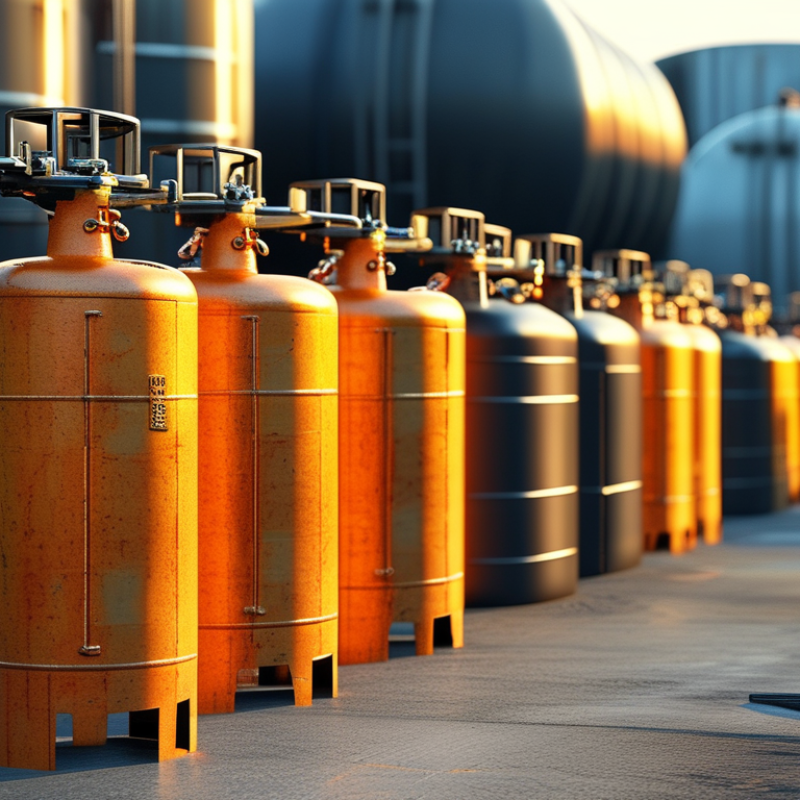
Flame Arrestor for Tanks Why You Need It Today?

Understanding Flame Arrestors: Definition and Functionality

Flame arrestors play a critical role in tank safety by preventing the spread of flames. These devices act as barriers to flame propagation, ensuring that any ignition source is contained. By using perforated plates or mesh filters, they absorb heat and limit the transfer of flames. This helps protect flammable liquids stored in tanks from catastrophic explosions.

In high-risk environments, the importance of flame arrestors cannot be overstated. They are essential in areas where flammable vapors may accumulate. Proper installation and maintenance are crucial for effectiveness. Regular inspections can reveal wear or damage, which can compromise their function. Neglecting this aspect can lead to dire consequences.

While flame arrestors are designed to enhance safety, their limitations should be acknowledged. They cannot operate in all situations. Environmental factors like temperature and pressure can affect performance. Understanding these devices’ functionality helps users make informed decisions about fire safety measures.

The Importance of Flame Arrestors in Tank Safety Protocols

Flame arrestors play a crucial role in tank safety protocols. They prevent flames from propagating into tanks containing flammable substances. According to the Chemical Safety Board, approximately 30% of industrial fires originate from ignition sources entering these tanks. A flame arrestor can significantly reduce this risk.

The implementation of flame arrestors has increased in various industries. Data from the National Fire Protection Association indicates that equipment with flame arrestors experiences 60% fewer incidents involving ignition. This protective measure provides a critical barrier between a potential ignition source and vapor in the tank.

Despite their effectiveness, not all tanks are equipped with flame arrestors. Some operators underestimate their importance, viewing them as add-ons rather than essentials. They may not consider the potentially devastating consequences of a flashback. Regularly assessing equipment and ensuring compliance with safety protocols is necessary. Investing in flame arrestors can save lives and resources.

Flame Arrestor Usage in Various Industries

The chart above depicts the usage rate of flame arrestors across various industries. It highlights the critical role that flame arrestors play in ensuring safety and preventing catastrophic incidents, especially in high-risk sectors like oil and gas.

Types of Flame Arrestors Commonly Used in Storage Tanks

In the storage tank industry, flame arrestors are crucial. They prevent the spread of flames and protect both the facility and the environment. Various types of flame arrestors are commonly used, each catering to specific needs based on tank design and operating conditions.

One prevalent type is the end-of-line arrestor. It is installed at the tank's vent to stop flames from outside sources. Another popular variant is the in-line arrestor, effective for tanks with direct piping systems. Some facilities may use both types for enhanced safety. Choosing the right type involves understanding the risk factors. This requires careful planning and consultation with safety experts.

Not all facilities have the same requirements. Criteria can vary based on stored materials and local regulations. A flame arrestor may not fit every situation perfectly. It's vital to assess all options and ensure compliance. Regular inspections and maintenance are also essential for optimal performance.

Regulatory Standards Governing Flame Arrestor Installation

Regulatory standards for flame arrestor installation are crucial in ensuring safety in industrial environments. These regulations vary by location but often include guidelines from organizations like the Occupational Safety and Health Administration (OSHA) and the National Fire Protection Association (NFPA). Adhering to these standards is not just a legal obligation; it’s a commitment to safety and operational integrity.

Many industries handle flammable substances, making the risk of explosions a significant concern. The installation of flame arrestors is mandated in many cases to mitigate these risks. Proper placement and maintenance of these devices can prevent catastrophic incidents. However, the complexity of these regulations can lead to misunderstandings. Businesses sometimes neglect specific compliance details, which could result in severe consequences. Regular training and audits can help maintain compliance and reinforce safety practices.

Understanding how to interpret these guidelines is essential for operators and safety managers alike. The lack of clarity in some regulatory texts can create gaps in knowledge. It’s important for companies to engage with experts who can provide insights into best practices. Investing time in training and compliance checks should become a standard protocol. This proactive approach not only enhances safety but also fosters a culture of reliability within the organization.

Best Practices for Maintaining Flame Arrestors in Tanks

Flame arrestors play a crucial role in storage tank safety. They prevent flashback of flames, protecting both people and the environment. According to industry reports, improper maintenance of flame arrestors can lead to a 30% increase in explosion risks. Regular inspections are essential. Ensure that all parts are free from corrosion and blockages.

Cleaning should be performed monthly. Use non-corrosive cleaners suitable for your specific materials. Neglecting this task can hinder the effectiveness of the arrestors. Replace damaged or worn components immediately to maintain optimal function. Companies often overlook these details, leading to significant safety issues.

Training for personnel is vital. Proper understanding of flame arrestors can reduce accidents. Conduct regular training sessions. Share best practices and encourage team discussions about maintenance challenges. A safety-first culture engages employees and elevates training outcomes. Addressing these areas with diligence fosters a more secure working environment, ultimately safeguarding lives and assets.

Copyright 2025 Fluidra S.A. | Created by BCM Marketing Agencia Privacy Policy Legal note | Cookie policy |

Technical cookies are strictly necessary for our website to work and you can navigate through it. These types of cookies are those that, for example, allow us to identify you, give you access to certain restricted parts of the page if necessary, or remember different options or services already selected by you, such as your privacy preferences. Therefore, they are activated by default, your authorization not being necessary in this regard. Through the configuration of your browser, you can block or alert the presence of this type of cookies, although such blocking will affect the proper functioning of the different functionalities of our website.


The analysis cookies allow us to study the navigation of the users of our website in general (for example, which sections of the page are the most visited, which services are used most and if they work correctly, etc.). From the statistical information on navigation on our website, we can improve both the operation of the page itself and the different services it offers. Therefore, these cookies do not have an advertising purpose, but only serve to make our website work better, adapting to our users in general. By activating them you will contribute to this continuous improvement. You can enable or disable these cookies by checking the corresponding box, being disabled by default.


Functionality cookies allow us to remember your preferences, to personalize certain characteristics and general options of our website, every time you access it (for example, the language in which the information is presented to you, the sections marked as favorites, your browser type, etc.) Therefore, this type of cookies does not have an advertising purpose, but by activating them you will improve the functionality of the website (for example, adapting to your type of browser) and the customization of it based on your preferences (for example, by presenting the information in the language that you have chosen in previous occasions), which will contribute to the ease, usability and comfort of our page during your navigation. You can enable or disable these cookies by checking the corresponding box, being disabled by default.


Advertising cookies allow us to manage the advertising spaces included in our website based on criteria such as the content shown or the frequency in which the ads are displayed. For example, if you have been shown the same ad several times on our website, and you have not shown a personal interest by clicking on it, it will not appear again. In summary, by activating this type of cookies, the advertising shown on our website will be more useful and diverse, and less repetitive. You can enable or disable these cookies by checking the corresponding box, being disabled by default.


Behavioral advertising cookies allow us to obtain information based on the observation of your browsing habits and behaviors on the web, in order to show you advertising content that best suits your personal tastes and interests. To understand it in a very simple way, we will give you a fictitious example: if your last searches on the web were related to suspense literature, we would show you advertising about suspense books. Therefore, activating this type of cookies, the advertising that we show you on our website will not be generic, but will be oriented to your searches, tastes and interests, therefore adjusting exclusively to you. You can enable or disable these cookies by checking the corresponding box, being disabled by default.
To understand it in a very simple way, we will give you a fictitious example: if your last searches on the web were related to suspense literature, we would show you advertising about suspense books. Therefore, activating this type of cookies, the advertising that we show you on our website will not be generic, but will be oriented to your searches, tastes and interests, therefore adjusting exclusively to you. You can enable or disable these cookies by checking the corresponding box, being disabled by default.

SAVE

We use our own and third-party cookies to ensure the proper functioning of the website and to analyse our services, improve your experience on our website and show you advertisements related to your interests according to profiling based on your browsing habits (e.g. websites visited). You can accept all cookies by clicking "ACCEPT" or set or reject them by clicking here. If you would like to know more about the use of cookies, please see our COOKIE POLICY.


ACCEPT ALL
Reject no essentials


