
What is a Fiber Marking Machine and How Does It Work?
FLUID HANDLING EXPERTS

Blog, all our news

What is a Fiber Marking Machine and How Does It Work?

The Fiber Marking Machine has become essential across various industries, including manufacturing and electronics. According to a report by Market Research Future, the global laser marking market is projected to reach $5.5 billion by 2025. This growth is driven by the demand for precise and permanent marking solutions.

Fiber marking machines utilize advanced laser technology to engrave or mark various materials. They offer unmatched speed and accuracy, making them a favorite among manufacturers seeking efficiency. In addition, these machines handle metals and plastics, broadening their application range. However, not every machine is created equal. Users must reflect on their specific needs and the machine's capabilities. Some models may not meet industrial standards for particular tasks.

As industries evolve, the Fiber Marking Machine must adapt. Continuous improvements are necessary to keep up with changing technologies. Failure to innovate may lead companies to inadequate solutions that hinder productivity. Thus, understanding how these machines work is crucial for maximizing their benefits in real-world applications.
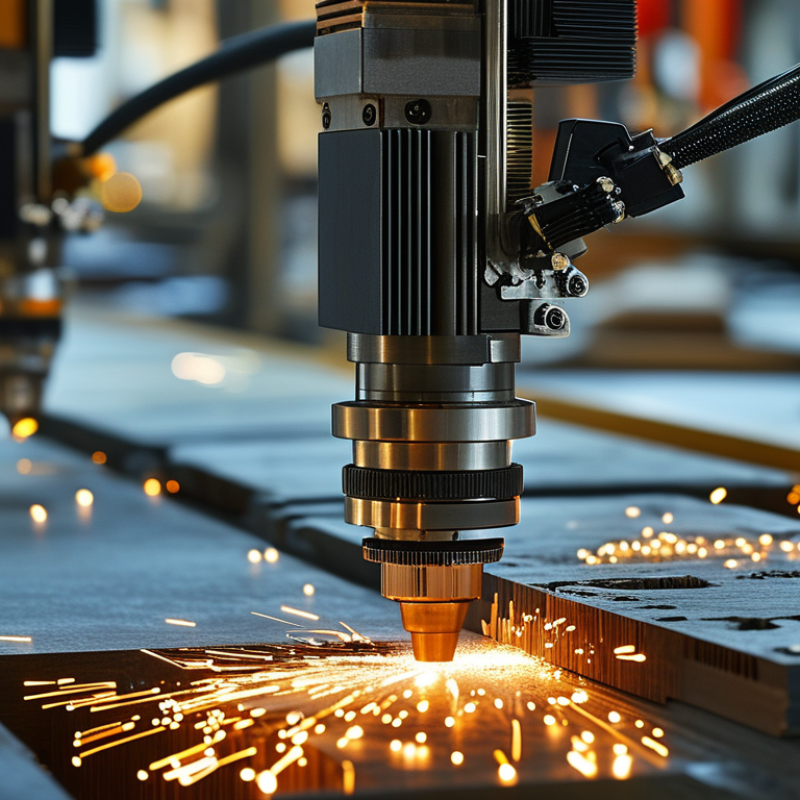
What is a Fiber Marking Machine and How Does It Work?

What is a Fiber Marking Machine? An Overview

Fiber marking machines are advanced tools designed for precise marking and engraving on various materials. They use fiber laser technology, which generates a beam of light that is focused on the surface of an object. This process produces permanent marks, ideal for serialization, barcoding, and detailed designs. With their high precision, fiber marking machines are often used in industries like manufacturing, electronics, and automotive.

These machines work by utilizing a fiber laser source, which offers several advantages. They are known for their efficiency and low maintenance requirements, making them a cost-effective solution over time. However, it is vital to consider the machine’s limitations based on the materials being marked. Some materials may not react well to fiber lasers, potentially leading to inconsistent results. Users must evaluate their specific needs and the machine’s capabilities for optimal performance.

The operation of a fiber marking machine involves setting parameters like speed and power levels. These settings impact the depth and contrast of the marking. Achieving the desired quality often requires adjustments and experimentation. Users may face challenges, such as compatibility issues with materials or the learning curve associated with new technology. Understanding these factors can improve the overall effectiveness of a fiber marking machine in real-world applications.

The Technology Behind Fiber Marking: How It Operates

Fiber marking machines are advanced devices used for engraving and marking various materials. They utilize fiber laser technology, which is known for its precision and effectiveness. The technology operates on the principle of light beam concentration. When directed at a surface, the laser beam alters the material's structure. This results in permanent markings that are often clearer than other technologies provide.

The process begins with the generation of a laser beam through a fiber optic cable. This beam is then focused onto the target surface using a lens. The high intensity of the beam heats the material, causing it to vaporize or change color. Different settings allow for various depths and styles of marking. Operators can fine-tune parameters like speed, power, and frequency for optimal results. The flexibility of this technology supports a wide range of materials, including metals, plastics, and ceramics.

While effective, the operation of fiber marking machines requires careful calibration. An incorrect setting can lead to poor marking quality or even damage to the material. Operators should regularly test and adjust the machine. This ensures consistency and quality in production. Mistakes made during setup can lead to wasted materials and time. Therefore, experience and attention to detail are crucial for the successful use of these machines.

Key Components of a Fiber Marking Machine Explained

Fiber marking machines are innovative tools used for engraving and marking various materials. They play a crucial role in industries ranging from manufacturing to packaging. Understanding their key components helps us appreciate their functionality and efficiency.

One primary component is the fiber laser source. This technology allows precise and permanent marking on metals and plastics. Fiber lasers are preferred due to their reliability and energy efficiency. Another significant component is the galvo scanning system. This system enables rapid and accurate movement of the laser beam. It helps achieve intricate designs and detailed markings on surfaces.

Maintenance is vital for optimal performance. Regularly check the lenses and mirrors for dust. Clean them gently, as improper cleaning can lead to damage. Also, ensure that the cooling system is functioning well. Overheating can affect engraving quality.

Training your operators is essential. They should understand the machine's limits and capabilities. Knowledge about the materials being marked can prevent common mistakes. Sometimes, the machine may not mark effectively on certain surfaces. Experimentation is key to finding the right settings for each material.

Pay attention to software settings as well. They guide the machine's performance and influence the quality of the markings. Adjusting parameters like speed and power is crucial for achieving the desired results.

Fiber Marking Machine Components and Their Importance

Applications of Fiber Marking Machines in Various Industries

Fiber marking machines have become indispensable tools in various industries. Their ability to engrave and mark materials with high precision makes them suitable for numerous applications. In the automotive sector, these machines are often used to engrave serial numbers on parts. This ensures traceability and quality control. Each marked part can be easily traced back throughout the manufacturing process.

In the medical industry, fiber marking machines play a critical role. They create permanent markings on surgical instruments and medical devices, aiding in identification and ensuring compliance with safety regulations. Additionally, the electronics industry benefits from these machines by marking components for identification, warranty purposes, and customization. The durability of the markings helps in environments where tough conditions prevail.

Despite their advantages, challenges remain. Some operators may struggle with the machine's setup, particularly in understanding the software. Proper training is essential for maximizing efficiency and avoiding mistakes. Companies must find the right balance between automation and human oversight to ensure optimal results. Balancing technology with human expertise is crucial in realizing the full potential of fiber marking machines.

What is a Fiber Marking Machine and How Does It Work? - Applications of Fiber Marking Machines in Various Industries

Industry Application Advantages Materials
Automotive Part Identification High Precision, Quick Marking Metal, Plastics
Electronics Component Labeling Durability, High Speed PCBs, Metals
Medical Devices Traceability Marking Compliance with Standards Stainless Steel, Plastics
Aerospace Part Serialization Long-lasting Marks Aluminum, Titanium
Packaging Barcode Marking Non-contact Marking Cardboard, Plastic

Benefits of Using Fiber Marking Machines Compared to Other Technologies

Fiber marking machines are becoming increasingly popular in various industries. They use advanced laser technology to create precise, long-lasting markings on different materials. These machines stand out due to their speed, efficiency, and the quality of markings they produce. The benefits of using fiber marking machines over traditional marking technologies are significant.

One major advantage is the permanence of the markings. Unlike ink or paint, laser markings do not fade or wash away. This reliability is crucial for industries where product traceability is essential. Additionally, fiber marking machines are versatile. They can mark metals, plastics, glass, and more, making them suitable for diverse applications. Maintenance is minimal compared to other technologies. This reduces downtime and increases productivity.

When choosing a fiber marking machine, consider your specific needs. Look for features like marking speed, depth, and material compatibility. Always check for user reviews to ensure you are making a well-informed decision. Setup can be tricky, so it's wise to seek expert guidance. Investing time in understanding your options can lead to better outcomes and long-term satisfaction.

Copyright 2025 Fluidra S.A. | Created by BCM Marketing Agencia Privacy Policy Legal note | Cookie policy |

Technical cookies are strictly necessary for our website to work and you can navigate through it. These types of cookies are those that, for example, allow us to identify you, give you access to certain restricted parts of the page if necessary, or remember different options or services already selected by you, such as your privacy preferences. Therefore, they are activated by default, your authorization not being necessary in this regard. Through the configuration of your browser, you can block or alert the presence of this type of cookies, although such blocking will affect the proper functioning of the different functionalities of our website.


The analysis cookies allow us to study the navigation of the users of our website in general (for example, which sections of the page are the most visited, which services are used most and if they work correctly, etc.). From the statistical information on navigation on our website, we can improve both the operation of the page itself and the different services it offers. Therefore, these cookies do not have an advertising purpose, but only serve to make our website work better, adapting to our users in general. By activating them you will contribute to this continuous improvement. You can enable or disable these cookies by checking the corresponding box, being disabled by default.


Functionality cookies allow us to remember your preferences, to personalize certain characteristics and general options of our website, every time you access it (for example, the language in which the information is presented to you, the sections marked as favorites, your browser type, etc.) Therefore, this type of cookies does not have an advertising purpose, but by activating them you will improve the functionality of the website (for example, adapting to your type of browser) and the customization of it based on your preferences (for example, by presenting the information in the language that you have chosen in previous occasions), which will contribute to the ease, usability and comfort of our page during your navigation. You can enable or disable these cookies by checking the corresponding box, being disabled by default.


Advertising cookies allow us to manage the advertising spaces included in our website based on criteria such as the content shown or the frequency in which the ads are displayed. For example, if you have been shown the same ad several times on our website, and you have not shown a personal interest by clicking on it, it will not appear again. In summary, by activating this type of cookies, the advertising shown on our website will be more useful and diverse, and less repetitive. You can enable or disable these cookies by checking the corresponding box, being disabled by default.


Behavioral advertising cookies allow us to obtain information based on the observation of your browsing habits and behaviors on the web, in order to show you advertising content that best suits your personal tastes and interests. To understand it in a very simple way, we will give you a fictitious example: if your last searches on the web were related to suspense literature, we would show you advertising about suspense books. Therefore, activating this type of cookies, the advertising that we show you on our website will not be generic, but will be oriented to your searches, tastes and interests, therefore adjusting exclusively to you. You can enable or disable these cookies by checking the corresponding box, being disabled by default.
To understand it in a very simple way, we will give you a fictitious example: if your last searches on the web were related to suspense literature, we would show you advertising about suspense books. Therefore, activating this type of cookies, the advertising that we show you on our website will not be generic, but will be oriented to your searches, tastes and interests, therefore adjusting exclusively to you. You can enable or disable these cookies by checking the corresponding box, being disabled by default.

SAVE

We use our own and third-party cookies to ensure the proper functioning of the website and to analyse our services, improve your experience on our website and show you advertisements related to your interests according to profiling based on your browsing habits (e.g. websites visited). You can accept all cookies by clicking "ACCEPT" or set or reject them by clicking here. If you would like to know more about the use of cookies, please see our COOKIE POLICY.


ACCEPT ALL
Reject no essentials


