
What is Fertilizer and Chemical Granule FIBC Bags?
FLUID HANDLING EXPERTS

Blog, all our news

What is Fertilizer and Chemical Granule FIBC Bags?

Fertilizer & Chemical Granule FIBC Bags play a crucial role in the agricultural and chemical industries. These bags are designed specifically to handle bulk materials. The global market for FIBC bags is projected to reach $3.3 billion by 2026, reflecting a growing demand in various sectors.

The effectiveness of these bags lies in their strength and durability. They can withstand the weight of fertilizers and chemicals without compromising safety. Reports indicate that using FIBC bags can improve operational efficiency by 30%, optimizing storage and transport.

However, the industry faces challenges. Not all manufacturers adhere to quality standards. This inconsistency can lead to product failures. It is essential to choose suppliers who prioritize reliability and compliance. Recognizing these issues helps companies make informed choices. It also underscores the importance of quality in the Fertilizer & Chemical Granule FIBC Bags market.
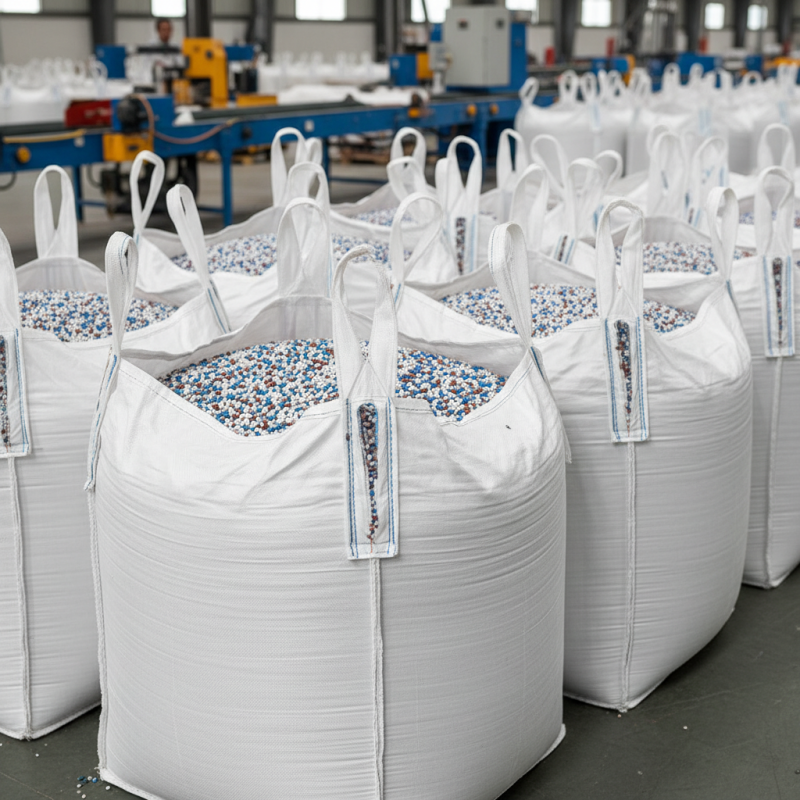
What is Fertilizer and Chemical Granule FIBC Bags?

What is Fertilizer?

Fertilizers are substances that provide essential nutrients to plants. They help improve soil quality and enhance crop yields. Typically, fertilizers contain macronutrients such as nitrogen, phosphorus, and potassium. These elements are crucial for plant growth. Each nutrient plays a unique role. For instance, nitrogen promotes leaf growth, while phosphorus stimulates root development.

The use of fertilizers is widespread in agriculture. However, their application is not without challenges. Overuse can lead to soil degradation and water pollution. It's a delicate balance that farmers must navigate. Understanding the specific nutrient needs of crops is vital. Each crop type demands different amounts of these essential elements.

In recent years, there's been a push for sustainable practices. Organic fertilizers are gaining popularity. They offer a more environmentally friendly way to nourish crops. Yet, they may not always provide the quick results that synthetic options do. As agriculture evolves, the conversation around fertilizers will continue. Finding the right mix is essential for the health of the ecosystem.

What is Fertilizer and Chemical Granule FIBC Bags?

Type of Fertilizer Nutrient Composition (%) Typical Use Chemical Granule FIBC Bag Size
Nitrogenous Fertilizer 15-30% N Promoting vegetative growth 1000 kg
Phosphatic Fertilizer 10-30% P2O5 Root development enhancement 1000 kg
Potassic Fertilizer 10-30% K2O Improving resistance to diseases 1000 kg
NPK Fertilizer 15% N, 15% P2O5, 15% K2O General crop nutrition 1000 kg
Organic Fertilizer Varied Soil health improvement 1000 kg

Types of Fertilizers Used in Agriculture

Fertilizers play a crucial role in agriculture. They provide essential nutrients to crops. Various types of fertilizers are used, which can be classified into several categories. Understanding these categories helps farmers choose the right product for their crops.

Organic fertilizers come from natural sources. They include compost, manure, and bone meal. These fertilizers improve soil health and promote microbial activity. In contrast, synthetic fertilizers are chemically manufactured. They often deliver nutrients quickly. Nitrogen, phosphorus, and potassium are the primary nutrients in these fertilizers.

There are also slow-release fertilizers. These products release nutrients over time, ensuring crops receive a steady supply. Liquid fertilizers can be applied directly to plants. They are absorbed quickly but may require more frequent applications. Each type has benefits and drawbacks. Farmers must evaluate their specific needs. Finding the right balance can be challenging. Good choices lead to healthy crops, while poor choices can cause harm.

Understanding Chemical Granule FIBC Bags

Chemical granule FIBC bags, or flexible intermediate bulk containers, are essential for transporting a variety of chemicals and granulated products. These bags are designed to hold large quantities safely, making them suitable for industrial use. Their durability is vital, as they protect contents from moisture and damage during transportation.

When choosing chemical granule FIBC bags, consider the material. Polypropylene is common due to its strength and resistance to chemicals. The bag’s design also matters. Options include a variety of closures, sizes, and styles tailored for specific uses. Ensuring compatibility with your product is crucial to prevent contamination or degradation.

Tips:

  • Always check the bag’s specifications to confirm it matches your needs.
  • Inspect bags for damages before use to avoid any mishaps.
  • Think about storage conditions to maintain the quality of the contents.

Reflecting on your specific requirements can enhance efficiency. Chemical granule FIBC bags can be a double-edged sword. They offer convenience but need careful handling during both storage and transportation. Understanding their limitations will improve your logistics.

Applications of FIBC Bags in Fertilizer Packaging

FIBC bags, or Flexible Intermediate Bulk Containers, play a crucial role in fertilizer packaging. These bags are designed to hold bulk materials, including granular fertilizers. Their large capacity allows for efficient transportation, reducing the need for multiple smaller bags. This is especially important in agriculture, where time and resources are often limited.

Using FIBC bags for fertilizers is beneficial for several reasons. They provide strength and durability, protecting the contents from moisture and contamination. Many are made from high-quality polypropylene, ensuring resistance to various environmental factors. Additionally, these bags can be customized for specific applications, including sizes and lifting options. This flexibility can significantly enhance operations in farms and distribution centers.

However, there are challenges. Not all FIBC bags are suitable for every type of fertilizer. Some fertilizers may react with the bag material, leading to degradation or loss of nutrients. Choosing the right type is crucial. It’s essential to evaluate and reflect on the specific needs of the fertilizer being packaged. Sustainability is another concern. The production and disposal of FIBC bags can have environmental impacts. Therefore, evaluating biodegradable options is becoming increasingly important for responsible sourcing.

Benefits of Using FIBC Bags for Chemicals and Fertilizers

FIBC (Flexible Intermediate Bulk Containers) bags have transformed the storage and transportation of chemicals and fertilizers. These bags, made from durable woven fabric, can hold large quantities. Industry reports indicate that using FIBC bags can reduce packaging costs by up to 30%. Their design allows for safe handling and minimizes spillage during transport. This contributes to environmental sustainability and efficient resource usage.

One of the key advantages of FIBC bags is their versatility. They are effective for various materials, from granular fertilizers to chemical powders. Their strength ensures they can withstand harsh conditions without compromising contents. According to research, FIBC bags can carry loads of up to 2,200 pounds. This capability lowers the number of bags needed for transport, optimizing logistics.

However, challenges exist. Not all FIBC bags are suitable for every chemical. Compatibility testing is essential to avoid chemical reactions that could lead to leaks or hazards. Moreover, proper training for handling these bags is crucial. Mishandling can result in waste and safety risks. Continuous evaluation and adjustment of practices are necessary for maximizing benefits while ensuring safety.

Benefits of Using FIBC Bags for Chemicals and Fertilizers

Copyright 2025 Fluidra S.A. | Created by BCM Marketing Agencia Privacy Policy Legal note | Cookie policy |

Technical cookies are strictly necessary for our website to work and you can navigate through it. These types of cookies are those that, for example, allow us to identify you, give you access to certain restricted parts of the page if necessary, or remember different options or services already selected by you, such as your privacy preferences. Therefore, they are activated by default, your authorization not being necessary in this regard. Through the configuration of your browser, you can block or alert the presence of this type of cookies, although such blocking will affect the proper functioning of the different functionalities of our website.


The analysis cookies allow us to study the navigation of the users of our website in general (for example, which sections of the page are the most visited, which services are used most and if they work correctly, etc.). From the statistical information on navigation on our website, we can improve both the operation of the page itself and the different services it offers. Therefore, these cookies do not have an advertising purpose, but only serve to make our website work better, adapting to our users in general. By activating them you will contribute to this continuous improvement. You can enable or disable these cookies by checking the corresponding box, being disabled by default.


Functionality cookies allow us to remember your preferences, to personalize certain characteristics and general options of our website, every time you access it (for example, the language in which the information is presented to you, the sections marked as favorites, your browser type, etc.) Therefore, this type of cookies does not have an advertising purpose, but by activating them you will improve the functionality of the website (for example, adapting to your type of browser) and the customization of it based on your preferences (for example, by presenting the information in the language that you have chosen in previous occasions), which will contribute to the ease, usability and comfort of our page during your navigation. You can enable or disable these cookies by checking the corresponding box, being disabled by default.


Advertising cookies allow us to manage the advertising spaces included in our website based on criteria such as the content shown or the frequency in which the ads are displayed. For example, if you have been shown the same ad several times on our website, and you have not shown a personal interest by clicking on it, it will not appear again. In summary, by activating this type of cookies, the advertising shown on our website will be more useful and diverse, and less repetitive. You can enable or disable these cookies by checking the corresponding box, being disabled by default.


Behavioral advertising cookies allow us to obtain information based on the observation of your browsing habits and behaviors on the web, in order to show you advertising content that best suits your personal tastes and interests. To understand it in a very simple way, we will give you a fictitious example: if your last searches on the web were related to suspense literature, we would show you advertising about suspense books. Therefore, activating this type of cookies, the advertising that we show you on our website will not be generic, but will be oriented to your searches, tastes and interests, therefore adjusting exclusively to you. You can enable or disable these cookies by checking the corresponding box, being disabled by default.
To understand it in a very simple way, we will give you a fictitious example: if your last searches on the web were related to suspense literature, we would show you advertising about suspense books. Therefore, activating this type of cookies, the advertising that we show you on our website will not be generic, but will be oriented to your searches, tastes and interests, therefore adjusting exclusively to you. You can enable or disable these cookies by checking the corresponding box, being disabled by default.

SAVE

We use our own and third-party cookies to ensure the proper functioning of the website and to analyse our services, improve your experience on our website and show you advertisements related to your interests according to profiling based on your browsing habits (e.g. websites visited). You can accept all cookies by clicking "ACCEPT" or set or reject them by clicking here. If you would like to know more about the use of cookies, please see our COOKIE POLICY.


ACCEPT ALL
Reject no essentials



