What is an Electric Operating Mechanism and its Benefits?
FLUID HANDLING EXPERTS

Blog, all our news

What is an Electric Operating Mechanism and its Benefits?

The Electric Operating Mechanism plays a crucial role in modern automation systems. According to Dr. John Smith, an expert in electrical engineering, “The integration of Electric Operating Mechanisms revolutionizes operational efficiency.” This technology is essential for various industries, providing precise control and reliability.

However, while the advantages are clear, challenges exist. Implementing these systems requires careful planning and expertise. Issues like compatibility with existing systems can arise. Therefore, professionals need to assess the overall infrastructure.

Electric Operating Mechanisms offer significant benefits, but not without potential hurdles. Continuous innovation and training are necessary to maximize their effectiveness. Understanding these complexities ensures a smoother transition to automated systems, enhancing productivity and safety in the workplace.
What is an Electric Operating Mechanism and its Benefits?

What is an Electric Operating Mechanism?

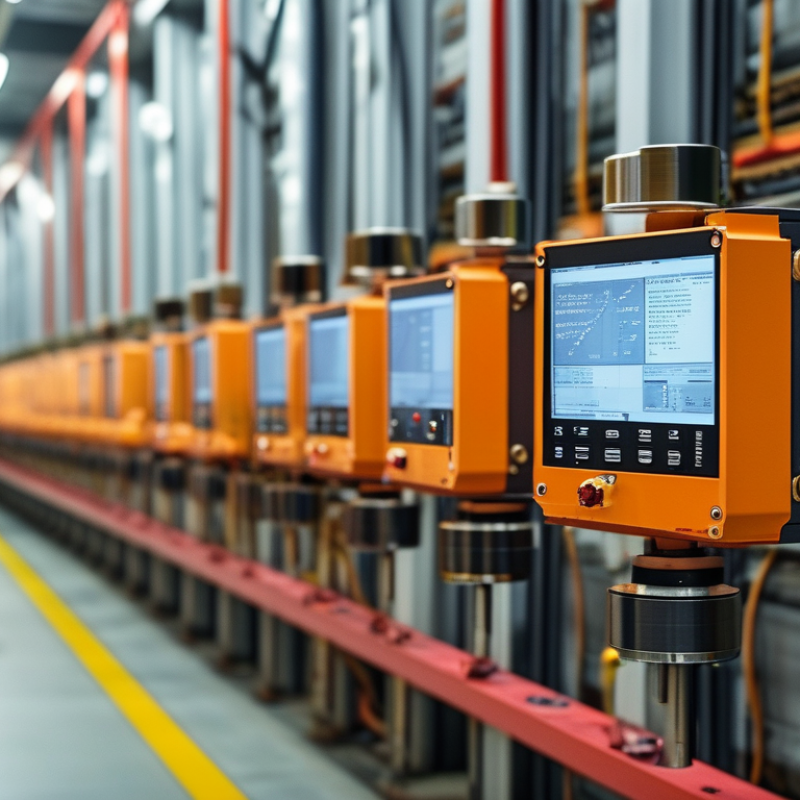
An electric operating mechanism (EOM) is a vital component in modern industrial applications. It serves as a device for controlling the operation of equipment such as valves and circuit breakers. These mechanisms convert electrical energy into mechanical motion, enabling precise functioning and automation in various systems. According to a report by MarketsandMarkets, the global electric actuator market is projected to reach $15 billion by 2026, highlighting the growing reliance on electric systems.

The benefits of electric operating mechanisms extend beyond automation. They improve operational safety and efficiency by minimizing human error. These mechanisms are designed to operate in extreme conditions, ensuring reliability even in harsh environments. A study from the International Electrotechnical Commission points out that electric actuators maintain high performance with lower energy consumption compared to pneumatic and hydraulic systems. However, dependency on electric systems also raises concerns about energy supply and infrastructure resilience.

Additionally, while EOMs increase precision in operations, initial installation and maintenance costs can be a hurdle. Organizations need to evaluate these costs against long-term savings. A detailed analysis of the total cost of ownership could be crucial in making informed decisions. Developing a balanced view of immediate benefits and ongoing operational challenges is essential for effective integration of electric operating mechanisms in industrial settings.

Components of an Electric Operating Mechanism

Electric operating mechanisms are crucial for automating various industrial processes. Understanding their components helps appreciate their role in modern engineering. These mechanisms typically consist of an electric motor, a gear train, limit switches, and a control panel. Each component plays a specific role in ensuring efficient operation.

The electric motor converts electrical energy into mechanical energy. This energy drives the gear train, adjusting the speed and torque as needed. Limit switches serve an essential purpose. They monitor the position of the mechanism and prevent it from excessive movement. Meanwhile, the control panel allows operators to set parameters and monitor performance.

These components are designed to work in harmony, but there can be challenges. An incompatible motor might lead to insufficient torque. It is crucial to match components carefully. Some may overlook the significance of regular maintenance. This oversight can cause unexpected breakdowns, leading to costly downtimes. Each part’s reliability is vital for smooth operation.

What is an Electric Operating Mechanism and its Benefits? - Components of an Electric Operating Mechanism

Component Description Benefits
Electric Motor Converts electrical energy into mechanical energy to operate the mechanism. High efficiency and reliability in operation.
Control Unit Manages the operation of the electric motor and ensures safety protocols are followed. Enhances safety and operational control.
Limit Switches Sensors that provide feedback about the position of the mechanism. Prevents over-travel and protects the mechanism from damage.
Gear Reduction System Reduces the speed of the motor while increasing torque. Allows for precise movements and high torque applications.
Feedback System Provides real-time data on the operational status of the mechanism. Improves monitoring and maintenance scheduling.

How Electric Operating Mechanisms Work

Electric operating mechanisms play a crucial role in modern control systems. They allow for the remote operation of valves and switches, enhancing safety and efficiency. These mechanisms are typically powered by electric motors. They convert electrical energy into mechanical energy, enabling precision and reliability in operations.

When it comes to their functionality, electric mechanisms rely on various components. Actuators, limit switches, and control circuits work together to ensure accurate positioning and feedback. The actuators create movement by responding to electrical signals. This process can be finely tuned for specific tasks, leading to better overall performance.

However, not all electric operating mechanisms work flawlessly. Issues can arise with power supply fluctuations and mechanical wear. Regular maintenance and careful monitoring are essential to identify potential failures early. Moreover, the technology is continually advancing, sometimes making older systems obsolete. Thus, it is crucial to stay updated on innovations in this field. Adopting new technologies may involve challenges but can lead to significant improvements in efficiency and operation reliability.

Electric Operating Mechanisms Performance Comparison

Advantages of Using Electric Operating Mechanisms

Electric operating mechanisms offer a modern solution to various industrial applications. These devices enhance operational efficiency. A report by the International Electrotechnical Commission (IEC) indicates that automation systems can reduce operational downtime by 25%. This reduction leads to significant cost savings.

One major advantage of electric operating mechanisms is their precision. They provide consistent performance and reduce wear on components. According to a study published in the Journal of Industrial Technology, systems utilizing electric mechanisms see a 15% improvement in accuracy compared to older mechanical systems. Additionally, they are easier to integrate with smart control systems, promoting seamless communication and data exchange.

However, adapting to electric systems may involve initial workforce training. Operators need time to understand these technologies. While many companies quickly see benefits, developing expertise can be challenging. Companies must invest in ongoing training to maximize the advantages of electric operating mechanisms. Despite these hurdles, the transition appears worthwhile as it enhances overall productivity and reliability in operations.

Applications of Electric Operating Mechanisms in Industry

Electric operating mechanisms play a crucial role in various industrial applications. These devices are designed to automate control systems, enhancing efficiency and safety. For instance, in power plants, electric operating mechanisms control valves and breakers. They ensure the smooth operation of equipment, helping to minimize downtime and maximize productivity.

In manufacturing, integrating electric operating mechanisms improves precision. Machines can be programmed for specific tasks, reducing the risk of human error. This technology also supports remote operation, which is vital for hazardous environments. Employees can control machinery from a safe distance, significantly enhancing workplace safety.

Despite their benefits, implementing electric operating mechanisms requires careful consideration. The initial cost can be high, and ongoing maintenance is necessary. Organizations must train staff to use these systems effectively. Inevitably, challenges arise in adapting to new technologies, making it essential to assess both benefits and potential drawbacks.

Copyright 2025 Fluidra S.A. | Created by BCM Marketing Agencia Privacy Policy Legal note | Cookie policy |

Technical cookies are strictly necessary for our website to work and you can navigate through it. These types of cookies are those that, for example, allow us to identify you, give you access to certain restricted parts of the page if necessary, or remember different options or services already selected by you, such as your privacy preferences. Therefore, they are activated by default, your authorization not being necessary in this regard. Through the configuration of your browser, you can block or alert the presence of this type of cookies, although such blocking will affect the proper functioning of the different functionalities of our website.


The analysis cookies allow us to study the navigation of the users of our website in general (for example, which sections of the page are the most visited, which services are used most and if they work correctly, etc.). From the statistical information on navigation on our website, we can improve both the operation of the page itself and the different services it offers. Therefore, these cookies do not have an advertising purpose, but only serve to make our website work better, adapting to our users in general. By activating them you will contribute to this continuous improvement. You can enable or disable these cookies by checking the corresponding box, being disabled by default.


Functionality cookies allow us to remember your preferences, to personalize certain characteristics and general options of our website, every time you access it (for example, the language in which the information is presented to you, the sections marked as favorites, your browser type, etc.) Therefore, this type of cookies does not have an advertising purpose, but by activating them you will improve the functionality of the website (for example, adapting to your type of browser) and the customization of it based on your preferences (for example, by presenting the information in the language that you have chosen in previous occasions), which will contribute to the ease, usability and comfort of our page during your navigation. You can enable or disable these cookies by checking the corresponding box, being disabled by default.


Advertising cookies allow us to manage the advertising spaces included in our website based on criteria such as the content shown or the frequency in which the ads are displayed. For example, if you have been shown the same ad several times on our website, and you have not shown a personal interest by clicking on it, it will not appear again. In summary, by activating this type of cookies, the advertising shown on our website will be more useful and diverse, and less repetitive. You can enable or disable these cookies by checking the corresponding box, being disabled by default.


Behavioral advertising cookies allow us to obtain information based on the observation of your browsing habits and behaviors on the web, in order to show you advertising content that best suits your personal tastes and interests. To understand it in a very simple way, we will give you a fictitious example: if your last searches on the web were related to suspense literature, we would show you advertising about suspense books. Therefore, activating this type of cookies, the advertising that we show you on our website will not be generic, but will be oriented to your searches, tastes and interests, therefore adjusting exclusively to you. You can enable or disable these cookies by checking the corresponding box, being disabled by default.
To understand it in a very simple way, we will give you a fictitious example: if your last searches on the web were related to suspense literature, we would show you advertising about suspense books. Therefore, activating this type of cookies, the advertising that we show you on our website will not be generic, but will be oriented to your searches, tastes and interests, therefore adjusting exclusively to you. You can enable or disable these cookies by checking the corresponding box, being disabled by default.

SAVE

We use our own and third-party cookies to ensure the proper functioning of the website and to analyse our services, improve your experience on our website and show you advertisements related to your interests according to profiling based on your browsing habits (e.g. websites visited). You can accept all cookies by clicking "ACCEPT" or set or reject them by clicking here. If you would like to know more about the use of cookies, please see our COOKIE POLICY.


ACCEPT ALL
Reject no essentials