
What Is Dishwasher Tooling and How Does It Work?
FLUID HANDLING EXPERTS

Blog, all our news

What Is Dishwasher Tooling and How Does It Work?

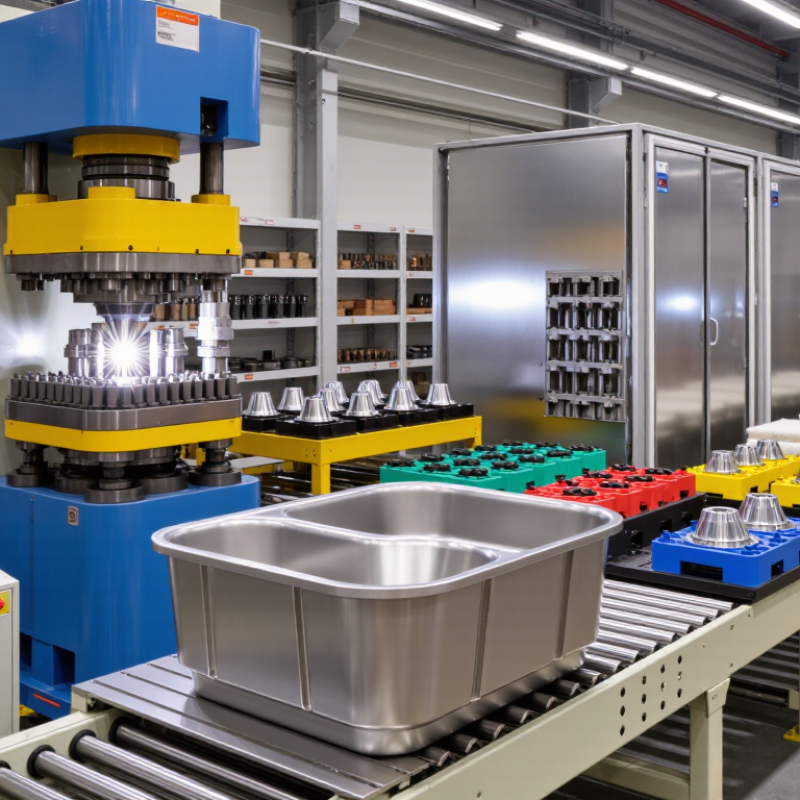
Dishwasher Tooling refers to the molds, dies, fixtures, gauges, and production equipment used to build modern dishwashers. It supports the accurate manufacturing of tubs, racks, doors, spray arms, brackets, and insulation panels. In appliance factories, each tool is designed around a specific material, shape, and production stage. A metal-forming die may press a flat stainless-steel sheet into a rigid tub. An injection mold can create a smooth plastic spray-arm housing with narrow water channels. Welding fixtures hold parts in position while automated equipment joins them consistently.

The working process begins with engineering drawings, material studies, and tolerance requirements. Designers often use computer-aided models before producing a prototype tool. Technicians then test sample parts, checking dimensions, surface quality, fit, and resistance to heat or detergent exposure. Small errors matter. A slight shift in a fixture can affect door alignment or create vibration during operation. Tooling is adjusted, inspected, and maintained as production continues. Wear is unavoidable. This is where practical experience becomes important, because real machines may behave differently from digital models. Reliable manufacturers document inspections, control process changes, and validate tooling before full-scale production. Still, no tooling system is perfect. Unexpected distortion, material variation, or maintenance delays can reveal weaknesses. Understanding these limitations helps engineers improve accuracy, reduce waste, and produce dishwashers that perform safely and consistently.
What Is Dishwasher Tooling and How Does It Work?

What Dishwasher Tooling Means and Why It Matters

What Is Dishwasher Tooling and How Does It Work?

What Dishwasher Tooling Means and Why It Matters

Dishwasher tooling is the collection of molds, fixtures, gauges, and forming tools used to make dishwasher parts. It shapes tubs, doors, racks, spray arms, and mounting components with controlled accuracy. A metal-forming die may create a panel, while a fixture holds that panel during welding or assembly. The process turns design measurements into repeatable physical parts.

Tooling matters because small errors can create large problems. A door that shifts by one millimeter may leak, rub, or close unevenly. A poorly aligned spray-arm fixture can reduce water coverage inside the tub. In a working production line, technicians check dimensions, surface marks, joint strength, and movement. They also inspect trial parts before approving regular production. This practical feedback often reveals issues that drawings miss.

Good tooling improves consistency, production speed, and worker safety. It can reduce material waste and make maintenance more predictable. However, tooling is not perfect on its first trial. Temperature changes, metal springback, and machine vibration can affect results. Engineers may adjust a die or reposition a locating pin several times. That extra testing is easy to underestimate. It often determines whether a dishwasher performs reliably after years of opening, closing, heating, and washing.

What Is Dishwasher Tooling and How Does It Work? - What Dishwasher Tooling Means and Why It Matters

Tooling Dimension What It Means How It Works in Dishwasher Manufacturing Why It Matters
Definition Specialized molds, dies, fixtures, gauges, and production aids used to form and assemble dishwasher components. Tooling controls the shape, position, dimensions, and repeatability of parts throughout production. It converts design specifications into consistent, manufacturable parts.
Sheet-Metal Dies Press tools used for cutting, bending, punching, and drawing metal sheet. A press applies force to the die and forms stainless-steel or coated-steel panels into tubs, doors, brackets, and structural parts. Accurate dies reduce deformation, rework, sharp edges, and dimensional variation.
Deep-Drawing Tooling Tooling that stretches sheet metal into a deeper three-dimensional shape. A punch pushes the sheet into a die cavity while a blank holder helps control wrinkling and tearing. It enables the production of watertight dishwasher tubs with smooth internal surfaces.
Injection Molds Molds used to shape molten plastic into functional or decorative components. Plastic is injected into a heated mold, cooled until rigid, and then ejected using pins or automated mechanisms. They support high-volume production of spray-arm parts, racks, covers, brackets, and control housings.
Assembly Fixtures Devices that hold components in a defined position during joining or installation. Locators, clamps, and supports maintain alignment during welding, fastening, riveting, or adhesive application. They improve assembly speed, operator safety, and part-to-part consistency.
Welding Fixtures Fixtures designed to position metal components during spot, seam, or other resistance-welding operations. The fixture controls joint location and access while electrodes or welding equipment create the bond. Stable positioning helps maintain structural strength and reduces distortion or missed welds.
Checking Gauges Inspection tools used to verify critical dimensions, clearances, and assembly locations. Go/no-go gauges, profile gauges, height gauges, and coordinate-measuring equipment compare parts with defined tolerances. They detect defects before parts move to later operations or final assembly.
Typical Tool Materials Tool steels, hardened steels, aluminum, engineering plastics, and wear-resistant inserts. Material selection depends on forming load, production volume, temperature, abrasion, corrosion exposure, and required surface finish. Appropriate materials extend tool life and help maintain dimensional accuracy.
Design Inputs Three-dimensional product data, material specifications, tolerances, production volume, and process requirements. Engineers use these inputs to determine parting lines, draft angles, forming stages, locating points, and access for maintenance. Clear design inputs prevent interference, premature wear, and costly tooling changes.
Manufacturing Process The sequence used to produce tooling, including machining, heat treatment, polishing, coating, and trial runs. Computer-controlled machining creates the tool, followed by finishing and testing with representative parts. A controlled process improves tool accuracy, surface quality, and production readiness.
Quality Checks Dimensional inspection, functional trials, leak checks, surface inspection, and process capability reviews. Tooling is tested under production-like conditions before full-scale manufacturing begins. Early validation reduces scrap and confirms that components meet fit, function, and safety requirements.
Maintenance Needs Cleaning, lubrication, sharpening, replacement of wear parts, calibration, and repair of damaged surfaces. Maintenance teams inspect contact surfaces, alignment features, cutting edges, ejectors, sensors, and clamps at planned intervals. Regular care preserves accuracy, reduces unplanned downtime, and extends service life.
Business Impact The effect of tooling on production cost, cycle time, quality, flexibility, and launch timing. Well-designed tooling supports repeatable automated or manual operations with fewer adjustments and interruptions. Effective tooling improves productivity while helping control defects, labor requirements, and total manufacturing cost.

The Main Tools Used in Dishwasher Manufacturing

What Is Dishwasher Tooling and How Does It Work?

The Main Tools Used in Dishwasher Manufacturing

Dishwasher tooling includes the molds, dies, fixtures, and gauges used during production. These tools shape metal panels, plastic parts, racks, and internal supports. They also keep each component in the correct position. A stamping die can press a flat steel sheet into a door panel within seconds. A forming tool creates edges, holes, and mounting points with controlled pressure. Accurate tooling supports consistent assembly and reduces visible gaps around the door.

Manufacturers use several specialized tools. Progressive stamping dies produce repeated metal parts efficiently. Injection molds form spray arms, detergent compartments, and protective covers. Bending fixtures create precise angles without damaging coated surfaces. Welding jigs hold frames steady while joints are connected. Assembly fixtures guide hinges, seals, and pumps into their designed locations. Inspection gauges check hole spacing, panel alignment, and seal compression. Small errors matter here. A door may look correct but still leak if its sealing surface is slightly uneven.

Tips: Keep tooling clean and inspect wear regularly. Check sharp edges, loose fasteners, and damaged locating pins before production. Record measurement results, not only visual impressions. Tooling is rarely perfect forever. Heat, pressure, and repeated movement slowly change its accuracy. Reviewing real production data can reveal problems that a first design missed.

How Dishwasher Tooling Shapes Individual Components

Dishwasher tooling is equipment that forms, cuts, supports, or checks individual machine parts. Its influence appears in details: balanced spray-arm holes, smooth rack bends, and a filter’s precise fit. Molds shape plastic housings, while stamping dies form metal brackets and panels. Jigs hold components during drilling, welding, or inspection. Each tool transfers a design into a repeatable physical feature.

Small tooling errors can create large assembly problems. A misplaced pin may shift a mounting hole by less than one millimeter. That difference can cause vibration, leakage, or difficult installation. Tool designers control tolerances, cooling paths, cutting clearance, and ejection force. They also test samples under heat, water, detergent, and repeated movement. In practice, tooling is never flawless. Wear changes surfaces. Production teams may overlook minor drift, so inspection data needs honest review.

Tips: Match every critical feature with a measurement method. Check hole position, wall thickness, flatness, and surface marks. Record maintenance before defects become patterns. Use trial components, not assumptions, to confirm fit. A useful review also compares parts from different production stages. Small differences often reveal tooling wear before customers notice a failure.

The Step-by-Step Dishwasher Tooling Process

What Is Dishwasher Tooling and How Does It Work?

The Step-by-Step Dishwasher Tooling Process

Dishwasher tooling creates the molds, dies, and fixtures used to form precise appliance parts. The process begins with product requirements, such as panel size, drainage openings, strength, and surface finish. Engineers convert these requirements into detailed CAD models. They also check material thickness and possible deformation before machining begins.

The tooling team then selects suitable tool steel or aluminum. Machines cut the main cavities, forming surfaces, and locating features. Skilled technicians assemble the components and inspect critical dimensions with gauges or coordinate measuring equipment. A trial run follows. Sheets or plastic parts pass through the tool, revealing marks, uneven edges, or weak corners. The first trial is rarely perfect. Small adjustments often improve both fit and appearance.

Tips: Keep drawing revisions controlled and record every adjustment. Clean forming surfaces regularly. Even a tiny metal chip can leave a visible mark. Check cooling paths and ejection areas before production starts. These details reduce defects and protect the tool. In practice, rushing the trial stage causes expensive rework later. Still, some corrections are unavoidable because real materials behave differently than simulations predict. A careful technician reviews the finished part by touch, measurement, and visual inspection. That hands-on check remains important, even with advanced software.

Quality Checks and Maintenance for Dishwasher Tooling

Dishwasher tooling includes injection molds, trimming fixtures, assembly jigs, and inspection gauges. These tools shape plastic racks, seals, panels, and internal components. Quality checks should begin before production starts. Technicians verify cavity dimensions, shutoff surfaces, cooling channels, and ejector movement against approved drawings. A calibrated coordinate-measuring machine can detect small deviations that visual inspection misses. Critical dimensions often use an internal Cpk target of 1.33 or higher, although the correct limit depends on risk and customer specifications.

Surface quality matters too. Inspectors should check flash, sink marks, weld lines, and scratches under consistent lighting. Functional gauges must confirm fit, movement, and sealing pressure. The IEC 60436 standard provides controlled methods for evaluating household dishwasher performance, while U.S. Department of Energy test procedures define repeatable operating conditions and measurement methods. Tooling inspections should support these requirements, not merely produce attractive parts. A clean cavity can still create unstable results.

Maintenance must be evidence-based. Plant Engineering’s 2023 Maintenance Report found preventive maintenance was used by about 88% of surveyed facilities, showing its importance across manufacturing. Maintenance teams should record shot counts, cycle time, lubricant use, cooling temperature, and defect trends. Clean vents and cooling channels before deposits become visible problems. Replace worn pins and bushings early. Small wear grows quickly. We still miss hidden corrosion sometimes, especially inside water passages. That is why borescope checks, leak tests, and documented sign-offs deserve a fixed place in the schedule. Periodic review is necessary because yesterday’s maintenance interval may not fit today’s material, speed, or tooling load.

Dishwasher Tooling: Recommended Quality Checks and Maintenance Intervals

Preventive checks should become more detailed as the inspection interval increases. Daily visual checks help identify contamination and visible wear, while dimensional verification and cooling-system inspection require planned maintenance downtime.

Copyright 2025 Fluidra S.A. | Created by BCM Marketing Agencia Privacy Policy Legal note | Cookie policy |

Technical cookies are strictly necessary for our website to work and you can navigate through it. These types of cookies are those that, for example, allow us to identify you, give you access to certain restricted parts of the page if necessary, or remember different options or services already selected by you, such as your privacy preferences. Therefore, they are activated by default, your authorization not being necessary in this regard. Through the configuration of your browser, you can block or alert the presence of this type of cookies, although such blocking will affect the proper functioning of the different functionalities of our website.


The analysis cookies allow us to study the navigation of the users of our website in general (for example, which sections of the page are the most visited, which services are used most and if they work correctly, etc.). From the statistical information on navigation on our website, we can improve both the operation of the page itself and the different services it offers. Therefore, these cookies do not have an advertising purpose, but only serve to make our website work better, adapting to our users in general. By activating them you will contribute to this continuous improvement. You can enable or disable these cookies by checking the corresponding box, being disabled by default.


Functionality cookies allow us to remember your preferences, to personalize certain characteristics and general options of our website, every time you access it (for example, the language in which the information is presented to you, the sections marked as favorites, your browser type, etc.) Therefore, this type of cookies does not have an advertising purpose, but by activating them you will improve the functionality of the website (for example, adapting to your type of browser) and the customization of it based on your preferences (for example, by presenting the information in the language that you have chosen in previous occasions), which will contribute to the ease, usability and comfort of our page during your navigation. You can enable or disable these cookies by checking the corresponding box, being disabled by default.


Advertising cookies allow us to manage the advertising spaces included in our website based on criteria such as the content shown or the frequency in which the ads are displayed. For example, if you have been shown the same ad several times on our website, and you have not shown a personal interest by clicking on it, it will not appear again. In summary, by activating this type of cookies, the advertising shown on our website will be more useful and diverse, and less repetitive. You can enable or disable these cookies by checking the corresponding box, being disabled by default.


Behavioral advertising cookies allow us to obtain information based on the observation of your browsing habits and behaviors on the web, in order to show you advertising content that best suits your personal tastes and interests. To understand it in a very simple way, we will give you a fictitious example: if your last searches on the web were related to suspense literature, we would show you advertising about suspense books. Therefore, activating this type of cookies, the advertising that we show you on our website will not be generic, but will be oriented to your searches, tastes and interests, therefore adjusting exclusively to you. You can enable or disable these cookies by checking the corresponding box, being disabled by default.
To understand it in a very simple way, we will give you a fictitious example: if your last searches on the web were related to suspense literature, we would show you advertising about suspense books. Therefore, activating this type of cookies, the advertising that we show you on our website will not be generic, but will be oriented to your searches, tastes and interests, therefore adjusting exclusively to you. You can enable or disable these cookies by checking the corresponding box, being disabled by default.

SAVE

We use our own and third-party cookies to ensure the proper functioning of the website and to analyse our services, improve your experience on our website and show you advertisements related to your interests according to profiling based on your browsing habits (e.g. websites visited). You can accept all cookies by clicking "ACCEPT" or set or reject them by clicking here. If you would like to know more about the use of cookies, please see our COOKIE POLICY.


ACCEPT ALL
Reject no essentials



