
Choosing the right Safety Vest is crucial for ensuring your visibility and protection in various work environments. A safety vest serves as a barrier against potential dangers, especially in high-traffic areas. Whether you're working on a construction site or guiding traffic, the right vest can make a significant difference.
When selecting a safety vest, consider factors like fabric, fit, and color. High-visibility materials are essential. They enhance your presence in dim or busy settings. Look for features such as reflective strips that improve visibility at night. The vest should fit comfortably, allowing for a full range of motion without being too loose.
Many choices can be overwhelming. It's important to reflect on your specific needs. Are you working in harsh weather or during the night? Different conditions require different vests. Trying on several options may help you determine what feels right for you. Remember, a poorly chosen vest could compromise your safety. Make your selection count.
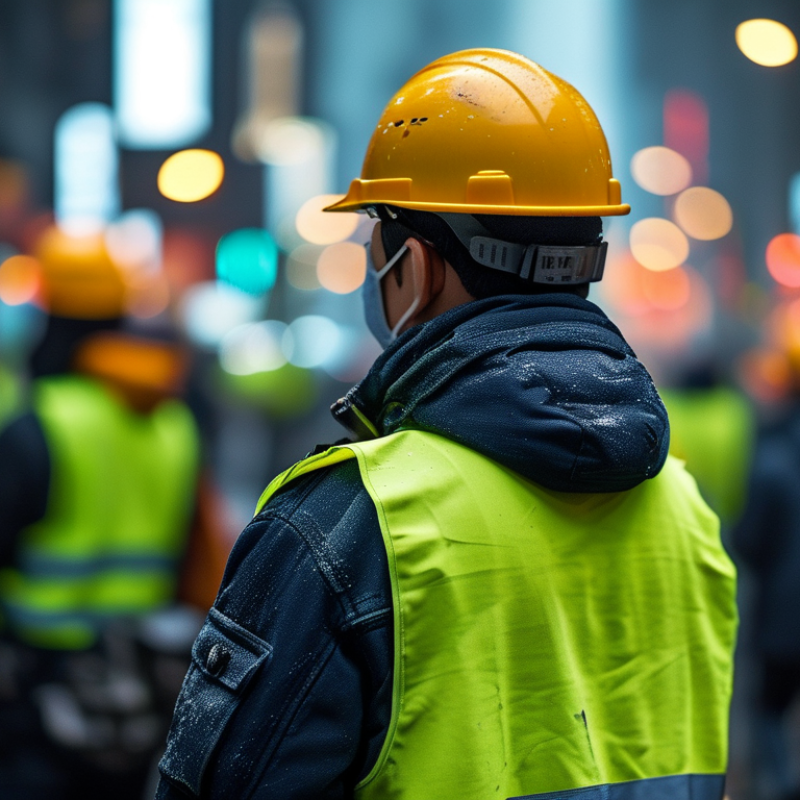
Safety vests play a crucial role in various environments, promoting visibility and protection. They are essential in construction zones, roadworks, and any job site where risks are present. High-visibility colors, such as neon yellow or orange, help workers stand out. This visibility reduces the chances of accidents and ensures everyone is aware of their surroundings.
Choosing the right safety vest is not always straightforward. It involves understanding the specific requirements of your work environment. For instance, some jobs may require reflective materials to enhance visibility at night. Others might need vests with pockets or additional gear attachments for tools. Reflecting on past experiences can guide this decision. Consider how often you interact with moving vehicles or machinery.
Though safety vests are designed for protection, they are not a cure-all. It’s vital to combine wearing a vest with other safety measures. Relying solely on visibility may lead to complacency. Engaging in safety training and fostering awareness in the workplace is equally important. Being vigilant in dangerous environments can complement the safety equipment you choose.

When selecting a safety vest, consider the specific requirements for your work environment. Different sectors have unique safety regulations. For example, construction and road work often require high-visibility garments. You must know if your location mandates ANSI standards or other regulations. It’s essential to understand these rules to ensure compliance and enhance safety.
Take into account your work’s specific hazards. Will you be working near traffic, heavy machinery, or in low-light conditions? A vest with reflective strips may be necessary. Additionally, think about the weight and breathability of the material. Uncomfortable vests can lead to distractions on the job. Workers might not wear them properly if they are too heavy or hot.
Personal preference also plays a part. Some might prefer brighter colors for better visibility. Others may find certain styles easier to move around in. Engaging with your peers can shed light on what works best in the field. It’s helpful to reflect on your past experiences and the vests that suited your specific needs. Make adjustments to your choices based on what you've learned.
When selecting a safety vest, understanding the types available is essential. There are mainly three categories: Class 1, Class 2, and Class 3 vests. Class 1 provides the least visibility and is suitable for low-risk environments. According to the American National Standards Institute (ANSI), these vests have a minimum of 217 square inches of reflective material. This could be enough for parking lot maintenance or warehouse duties.
Class 2 vests offer more visibility. They are ideal for workers in moderate traffic areas, such as roadside construction. These vests require at least 775 square inches of reflective material. The increased visibility can significantly reduce the risk of accidents. A 2020 report by the National Safety Council states that high-visibility gear contributes to a 25% decrease in work-related injuries.
Class 3 vests are the highest visibility option. They are worn by personnel in high-risk situations, like emergency responders or construction workers on heavily trafficked roads. These vests include substantial reflective tape and bright colors. A recent study by the Bureau of Labor Statistics notes that wearing Class 3 vests can lower the likelihood of accidents by 40%. Choosing the right type is crucial, but many employers overlook this detail, potentially exposing workers to unnecessary hazards.
When selecting a safety vest, several key features must be considered for optimal protection. Visibility is paramount. Research from the Occupational Safety and Health Administration (OSHA) shows that high-visibility clothing significantly reduces accident rates in construction zones. A vest that meets ANSI/ISEA standards ensures that it offers adequate reflectivity and color contrast against various backgrounds.
The style and fit of a safety vest also play a crucial role. A poor-fitting vest can restrict movement and lead to discomfort. According to industry data, around 20% of workers report issues with comfort in their safety gear. Choosing a vest with adjustable straps can help achieve the right fit. Look for breathable materials, like mesh, especially for outdoor conditions. This feature is essential, as overheating can undermine safety by impairing alertness.
Consider additional functionalities such as pockets, which allow workers to carry essential tools. However, excess pockets can add weight and bulk. Balancing functionality with comfort is vital. It’s important to reflect on individual needs and job requirements. Not every vest is suitable for every task. Ultimately, evaluating these features can lead to safer working environments.
When selecting a safety vest, proper fitting is crucial. A well-fitted vest enhances visibility and comfort. Ensure the vest is neither too loose nor too tight. Loose vests can snag on equipment, posing risks. Tight vests may restrict movement, leading to fatigue.
Here are some tips for a good fit. Measure your chest size accurately before purchasing. Choose a vest that allows for layering; this is especially important in cold weather. Adjustable straps can also help customize the fit. Remember, the vest should not obstruct your range of motion.
Maintenance matters for longevity. Regularly check for wear and tear. Even small tears can affect visibility. Clean the vest according to care instructions. Avoid high-temperature drying, as it can damage reflective materials. Over time, reflective properties can fade, so replace the vest when visibility diminishes.

Cepex is the brand for the fluid handling market belonging to the Fluidra group. One of the leading european manufacturer of valves and fittings in thermoplastic materials.
Dedicated to the swimming pool, irrigation and industrial markets, we distribute our products worldwide with the Fluidra commercial network and presence in 46 countries with 136 sales branches.


