
How to Choose the Right Plug Valve for Your Needs?
FLUID HANDLING EXPERTS

Blog, all our news

How to Choose the Right Plug Valve for Your Needs?

Choosing the right Plug Valve can be a daunting task. The market offers various types and sizes, each suited for specific applications. Experts like John Smith, a renowned valve specialist, emphasize, “Selecting the right plug valve is crucial for system efficiency.” This highlights the importance of making an informed choice.

Understanding your needs is vital. Consider factors such as pressure, temperature, and the medium being controlled. Each plug valve has unique characteristics; some excel in high-pressure environments, while others effectively manage flow in corrosive conditions. An informed choice saves time and money in the long run.

It's common to overlook details when choosing a plug valve. Inadequate research may lead to errors. The right valve not only improves system performance but also enhances safety. Reflecting on past choices can provide insight and foster better decisions in the future. A thorough assessment will ensure that you select a plug valve that meets your specific requirements.
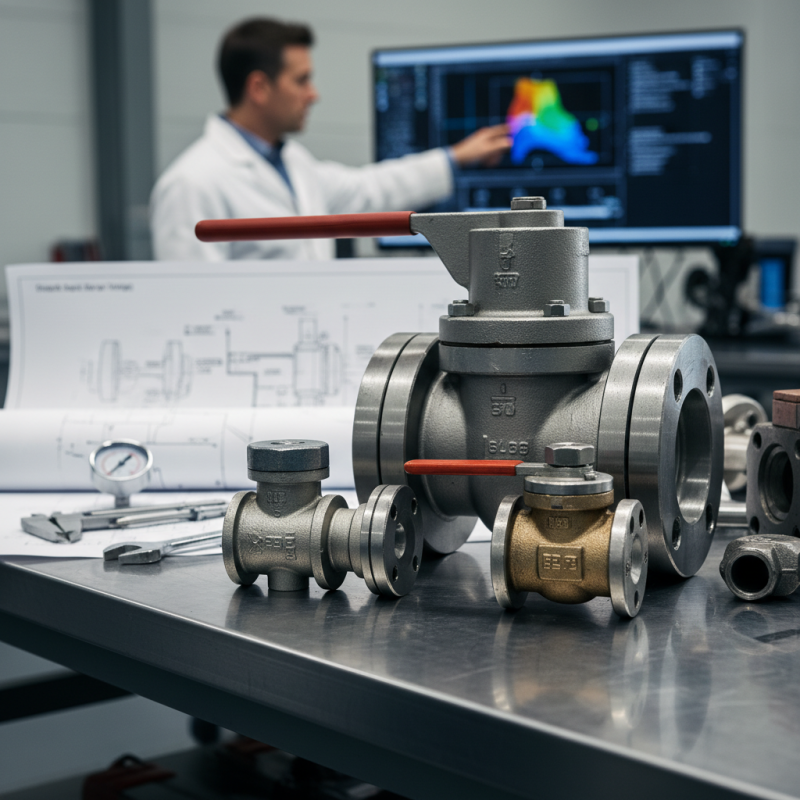
How to Choose the Right Plug Valve for Your Needs?

Understanding the Basics of Plug Valves

Plug valves are essential components in various industrial applications. They offer a simple design, allowing for quick flow control. Understanding their basics is vital for selecting the right one for your system.

A plug valve consists of a cylindrical or tapered plug. This plug rotates within the valve body to either block or allow fluid flow. The shape of the plug determines the valve’s operating capacity. A tapered plug allows for tighter sealing, while a cylindrical plug is easier to manufacture. Knowing which design fits your needs is crucial.

Consider the medium passing through the valve. Different materials interact differently with fluids. Some seals may corrode over time. Regular maintenance can prevent leaks and failures. However, sometimes maintenance might not be enough. Choose materials that suit your specific application. Balancing cost, durability, and performance can be challenging but necessary.

How to Choose the Right Plug Valve for Your Needs?

Dimension Metric Material Application Pressure Rating (psi)
1/2 inch DN15 Brass Water Systems 300
3/4 inch DN20 Stainless Steel Oil Transfer 150
1 inch DN25 PVC Chemical Handling 200
2 inch DN50 Cast Iron HVAC Systems 250

Identifying Your Specific Application Requirements

Choosing the right plug valve begins with understanding your specific application requirements. Each application presents unique demands. Consider the medium that will flow through the valve. Will it be water, gas, or chemicals? Each substance has different properties that can affect valve performance.

Next, analyze the pressure and temperature conditions. High-pressure and high-temperature situations require robust materials. Using inadequate valve materials can lead to failures, which may disrupt operations. Reflection is crucial here. Have you accounted for all the variables in your application?

Also, think about the installation environment. Will the valve be indoors or outdoors? Environmental factors like humidity and temperature fluctuations can impact durability. Sometimes, you might overlook minor details that become significant. Ensure you have evaluated everything thoroughly before making your choice.

Evaluating Different Materials for Plug Valves

When selecting a plug valve, the material plays a crucial role. Various applications require specific characteristics from the valve's material. For example, PVC is often used for water systems due to its corrosion resistance. Stainless steel, however, withstands higher pressures and temperatures, making it suitable for industrial applications. Understanding these material properties can guide your choice.

Another aspect to consider is the chemical compatibility of the valve material. Not all materials handle aggressive chemicals well. Some users overlook this factor, leading to premature valve failure. If a plug valve is exposed to harmful substances, it can degrade quickly, increasing maintenance costs. Conducting a proper assessment of the operating environment helps to prevent these pitfalls.

Finally, consider the cost vs. longevity of the valve material. Cheaper materials may seem attractive initially but could lead to more expenses down the line. Investing in high-quality materials often results in better performance and lower lifetime costs. Reflecting on these factors ensures that the plug valve you choose will meet your long-term needs effectively.

Assessing Size and Pressure Rating Considerations

When selecting a plug valve, size and pressure rating are critical. The size should match your piping system to ensure optimal flow. A valve too large can cause turbulence. Conversely, a small valve may restrict flow, impacting efficiency. Measure your pipe diameter carefully.

Pressure ratings are equally important. They determine how well the valve can perform under various operations. Each system operates under specific pressure conditions. Exceeding these ratings can lead to failure. Research the pressure ratings of the environment where the valve will be used.

Tip: Always consult with engineers or professionals. Their expertise can prevent mistakes. Failing to assess these details could result in costly downtime. Check guidelines and manufacturer specifications before making a choice. Consider future needs too, as this can save time and resources.

Determining Maintenance and Installation Needs

Choosing the right plug valve involves careful consideration of maintenance and installation needs. A well-documented industry report suggests that approximately 30% of valve failures stem from improper installation. This statistic highlights the importance of understanding the specific requirements of your system. For effective installation, consider the valve's pressure rating, size, and the type of piping material in use. These factors significantly influence the valve's performance and reliability.

Maintenance is often overlooked, yet it is crucial for ensuring longevity. According to industry standards, regular inspection every six months can reduce unexpected failures by up to 40%. Plug valves require minimal maintenance, but neglect can lead to complications such as corrosion or leaks. Regular cleaning and lubrication can enhance the valve's function. While plug valves are generally straightforward, misjudging the maintenance schedule can lead to costly downtimes.

In terms of installation, the alignment of the valve is vital. Off-center installation can lead to uneven wear. A survey found that nearly 25% of technicians reported challenges in aligning valves properly, leading to premature failures. A robust installation plan should account for these challenges. Understanding these details ensures that the plug valve performs optimally while minimizing maintenance needs. Empowering technicians with knowledge can bridge gaps in installation practices, promoting long-term efficiency.

Copyright 2025 Fluidra S.A. | Created by BCM Marketing Agencia Privacy Policy Legal note | Cookie policy |

Technical cookies are strictly necessary for our website to work and you can navigate through it. These types of cookies are those that, for example, allow us to identify you, give you access to certain restricted parts of the page if necessary, or remember different options or services already selected by you, such as your privacy preferences. Therefore, they are activated by default, your authorization not being necessary in this regard. Through the configuration of your browser, you can block or alert the presence of this type of cookies, although such blocking will affect the proper functioning of the different functionalities of our website.


The analysis cookies allow us to study the navigation of the users of our website in general (for example, which sections of the page are the most visited, which services are used most and if they work correctly, etc.). From the statistical information on navigation on our website, we can improve both the operation of the page itself and the different services it offers. Therefore, these cookies do not have an advertising purpose, but only serve to make our website work better, adapting to our users in general. By activating them you will contribute to this continuous improvement. You can enable or disable these cookies by checking the corresponding box, being disabled by default.


Functionality cookies allow us to remember your preferences, to personalize certain characteristics and general options of our website, every time you access it (for example, the language in which the information is presented to you, the sections marked as favorites, your browser type, etc.) Therefore, this type of cookies does not have an advertising purpose, but by activating them you will improve the functionality of the website (for example, adapting to your type of browser) and the customization of it based on your preferences (for example, by presenting the information in the language that you have chosen in previous occasions), which will contribute to the ease, usability and comfort of our page during your navigation. You can enable or disable these cookies by checking the corresponding box, being disabled by default.


Advertising cookies allow us to manage the advertising spaces included in our website based on criteria such as the content shown or the frequency in which the ads are displayed. For example, if you have been shown the same ad several times on our website, and you have not shown a personal interest by clicking on it, it will not appear again. In summary, by activating this type of cookies, the advertising shown on our website will be more useful and diverse, and less repetitive. You can enable or disable these cookies by checking the corresponding box, being disabled by default.


Behavioral advertising cookies allow us to obtain information based on the observation of your browsing habits and behaviors on the web, in order to show you advertising content that best suits your personal tastes and interests. To understand it in a very simple way, we will give you a fictitious example: if your last searches on the web were related to suspense literature, we would show you advertising about suspense books. Therefore, activating this type of cookies, the advertising that we show you on our website will not be generic, but will be oriented to your searches, tastes and interests, therefore adjusting exclusively to you. You can enable or disable these cookies by checking the corresponding box, being disabled by default.
To understand it in a very simple way, we will give you a fictitious example: if your last searches on the web were related to suspense literature, we would show you advertising about suspense books. Therefore, activating this type of cookies, the advertising that we show you on our website will not be generic, but will be oriented to your searches, tastes and interests, therefore adjusting exclusively to you. You can enable or disable these cookies by checking the corresponding box, being disabled by default.

SAVE

We use our own and third-party cookies to ensure the proper functioning of the website and to analyse our services, improve your experience on our website and show you advertisements related to your interests according to profiling based on your browsing habits (e.g. websites visited). You can accept all cookies by clicking "ACCEPT" or set or reject them by clicking here. If you would like to know more about the use of cookies, please see our COOKIE POLICY.


ACCEPT ALL
Reject no essentials



