How to Choose the Right Non-Standard Pressure Vessel for Your Needs?
Choosing the right Non-Standard Pressure Vessel for your needs can be challenging. Industry expert Dr. Sarah Thompson has emphasized, "Every application requires a unique approach." Understanding your specific requirements is crucial.
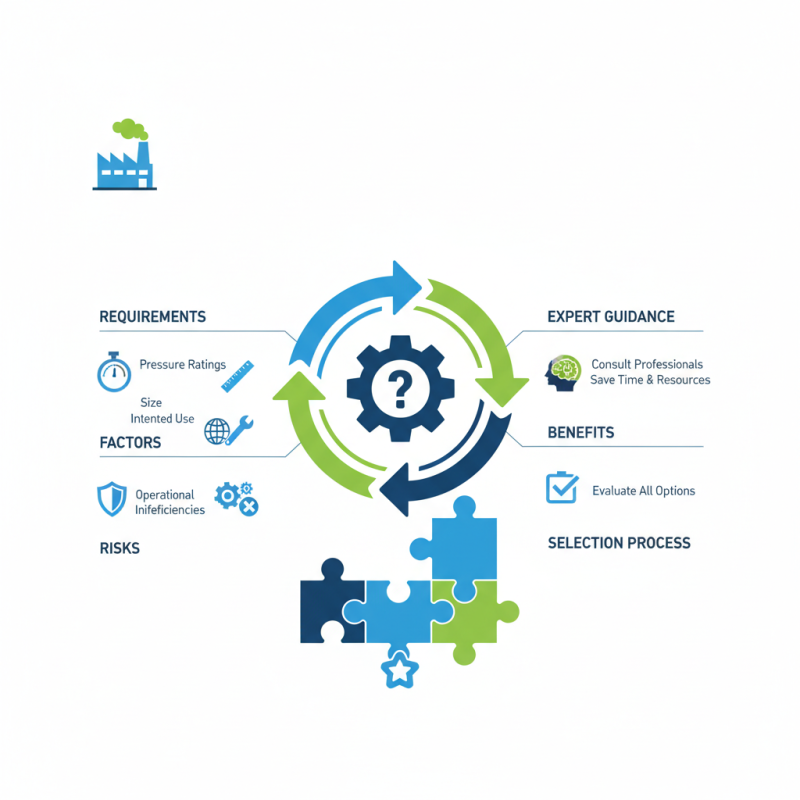
Non-Standard Pressure Vessels vary widely in design, materials, and functionality. Factors such as pressure ratings, size, and intended use must be assessed carefully. A poorly chosen vessel can lead to safety risks and operational inefficiencies.
Reflecting on the selection process, it’s essential to consult with knowledgeable professionals. Their expertise can save time and resources. Remember, the wrong choice might lead to costly mistakes. Take the time to evaluate all options thoroughly, ensuring the best fit for your project.
Understanding the Different Types of Non-Standard Pressure Vessels
Choosing the right non-standard pressure vessel requires understanding various types and their features. Non-standard pressure vessels can be tailored for specific applications. They differ in design, material, and safety standards. Each type serves unique functions in industries such as chemical, oil, and food processing.
One common type is the cylindrical vessel, often used for storage. These vessels are popular due to their efficient shape and pressure handling. On the other hand, spherical vessels can withstand higher pressures, making them ideal for certain gas storage applications. Remember, selecting the wrong type can lead to inefficiencies, safety risks, and increased costs.
Material choice is also critical. Stainless steel offers durability but may not be necessary for all applications. Consider the environment your vessel will operate in. Conditions can affect material longevity and performance. Reflecting on these elements ensures the vessel meets your needs efficiently. Always consult with experts to confirm the right fit for your project requirements.
Assessing Your Specific Industrial Requirements and Applications
When selecting a non-standard pressure vessel, understanding your specific industrial requirements is crucial. Different industries have unique needs regarding pressure, temperature, and materials. For instance, the food processing industry might prioritize hygiene and corrosion resistance, while the oil and gas sector may require vessels that withstand extreme conditions. Assessing these variables helps in narrowing down your options.
Consider the application for which the vessel will be used. If you are dealing with hazardous materials, safety features become paramount. This could include advanced monitoring systems and fail-safes. It is essential to consult with experts who understand industry standards. They can provide insights on safety regulations and performance metrics that align with your needs.
Furthermore, consider the scalability of your choice. As production demands change, a vessel that meets current needs might not suffice in the future. This raises questions about material longevity and operational efficiency. Engaging in dialogue with engineers can uncover potential pitfalls and lead to better decision-making. Balancing immediate requirements with future growth is often challenging but necessary for effective planning.
Evaluating Material Options for Non-Standard Pressure Vessels
When evaluating material options for non-standard pressure vessels, it's pivotal to consider various factors. Each material offers unique properties that affect durability, weight, and cost. For example, carbon steel is widely used due to its cost-effectiveness and strength. Roughly 60% of pressure vessels utilize carbon steel, according to industry reports.
Stainless steel is another popular choice. It provides excellent corrosion resistance, making it suitable for harsh environments. Reports indicate that about 30% of pressure vessels are manufactured from stainless steel. However, it is crucial to assess the specific needs of the application. Some situations may require specialized alloys or plastics, especially for high-purity requirements.
It's not simply a matter of selection; the manufacturing process also plays a role. Improper welding techniques can compromise the integrity of the vessel, regardless of the material used. Buyers should review the supplier's experience and track record, as this can significantly impact overall vessel performance. Insufficient attention to detail can lead to costly failures in the field. Making informed choices regarding materials and processes is essential for long-term success.
How to Choose the Right Non-Standard Pressure Vessel for Your Needs? - Evaluating Material Options for Non-Standard Pressure Vessels
Material Type
Strength
Corrosion Resistance
Cost
Temperature Tolerance
Applications
Carbon Steel
Moderate
Low
Low
-20 to 400 °F
Oil & Gas, Water Treatment
Stainless Steel
High
Excellent
Medium
-320 to 1500 °F
Pharmaceuticals, Food Processing
Aluminum
Low
Moderate
Medium
-60 to 300 °F
Aerospace, Automotive
Fiberglass
Moderate
Good
Low
-40 to 220 °F
Chemicals, Water Treatment
Titanium
High
Excellent
Very High
-320 to 1000 °F
Aerospace, Nuclear
Determining the Design Standards and Compliance Regulations
Selecting the correct non-standard pressure vessel is vital for safety and compliance. Compliance with the right design standards can prevent hazardous situations and costly failures. For example, the American Society of Mechanical Engineers (ASME) establishes codes that often dictate the design and manufacture of pressure vessels. These codes ensure safety under standard operating conditions. According to the 2022 Pressure Vessel and Tank Report, non-compliance can lead to a staggering 30% increase in risks associated with pressure vessel failures.
Design standards must be tailored to specific applications. Different industries have unique requirements. The energy sector primarily uses ASME standards, while pharmaceuticals may rely more on rigorous sanitary requirements. The choice of materials for these vessels can also impact compliance. A report by the National Institute of Standards and Technology noted that material degradation accounts for nearly 20% of pressure vessel failures. Regular inspections and material evaluations are essential.
In addition, understanding local regulations is crucial. These regulations can vary significantly by region. Non-compliance can result in severe penalties and operational downtime. Awareness of these regulations will help ensure that the chosen vessel meets both safety and performance standards. A proactive approach is necessary to adapt to evolving compliance landscapes. Balancing performance, safety, and cost is complicated but essential for any organization relying on pressure vessels.
Consulting with Manufacturers for Custom Solutions and Pricing
Choosing the right non-standard pressure vessel involves more than just specifications. Consulting with manufacturers is a crucial step. Experts can guide you through the complexities of custom solutions, considering factors like material selection and design. This collaboration ensures your vessel meets specific operational requirements.
Tips: Be clear about your needs. Provide detailed specifications to manufacturers. This clarity helps them tailor solutions efficiently. Request prototypes if possible. Testing them can reveal potential flaws early.
It's easy to overlook the value of communication. Regular discussions with manufacturers can clarify doubts. Don't hesitate to ask for pricing breakdowns. Understanding cost components can help in budget planning. While manufacturers strive to provide ideal solutions, remember they also have limitations. Balancing your expectations with their capabilities is essential for successful outcomes.
Cepex is the brand for the fluid handling market belonging to the Fluidra group. One of the leading european manufacturer of valves and fittings in thermoplastic materials.
Dedicated to the swimming pool, irrigation and industrial markets, we distribute our products worldwide with the Fluidra commercial network and presence in 46 countries with 136 sales branches.
Your data will be processed by CEPEX S.A., with address at C. Lluís Companys, 51-53, 08400, Granollers (Barcelona), and C.I.F. nº A-08928707, to send you communications about our products based on your interests. You can consult more information about the processing of your data and how to exercise your rights as described in the Privacy Policy.
Technical cookies are strictly necessary for our website to work and you can navigate through it. These types of cookies are those that, for example, allow us to identify you, give you access to certain restricted parts of the page if necessary, or remember different options or services already selected by you, such as your privacy preferences. Therefore, they are activated by default, your authorization not being necessary in this regard. Through the configuration of your browser, you can block or alert the presence of this type of cookies, although such blocking will affect the proper functioning of the different functionalities of our website.
The analysis cookies allow us to study the navigation of the users of our website in general (for example, which sections of the page are the most visited, which services are used most and if they work correctly, etc.). From the statistical information on navigation on our website, we can improve both the operation of the page itself and the different services it offers. Therefore, these cookies do not have an advertising purpose, but only serve to make our website work better, adapting to our users in general. By activating them you will contribute to this continuous improvement. You can enable or disable these cookies by checking the corresponding box, being disabled by default.
Functionality cookies allow us to remember your preferences, to personalize certain characteristics and general options of our website, every time you access it (for example, the language in which the information is presented to you, the sections marked as favorites, your browser type, etc.) Therefore, this type of cookies does not have an advertising purpose, but by activating them you will improve the functionality of the website (for example, adapting to your type of browser) and the customization of it based on your preferences (for example, by presenting the information in the language that you have chosen in previous occasions), which will contribute to the ease, usability and comfort of our page during your navigation. You can enable or disable these cookies by checking the corresponding box, being disabled by default.
Advertising cookies allow us to manage the advertising spaces included in our website based on criteria such as the content shown or the frequency in which the ads are displayed. For example, if you have been shown the same ad several times on our website, and you have not shown a personal interest by clicking on it, it will not appear again. In summary, by activating this type of cookies, the advertising shown on our website will be more useful and diverse, and less repetitive. You can enable or disable these cookies by checking the corresponding box, being disabled by default.
Behavioral advertising cookies allow us to obtain information based on the observation of your browsing habits and behaviors on the web, in order to show you advertising content that best suits your personal tastes and interests. To understand it in a very simple way, we will give you a fictitious example: if your last searches on the web were related to suspense literature, we would show you advertising about suspense books. Therefore, activating this type of cookies, the advertising that we show you on our website will not be generic, but will be oriented to your searches, tastes and interests, therefore adjusting exclusively to you. You can enable or disable these cookies by checking the corresponding box, being disabled by default. To understand it in a very simple way, we will give you a fictitious example: if your last searches on the web were related to suspense literature, we would show you advertising about suspense books. Therefore, activating this type of cookies, the advertising that we show you on our website will not be generic, but will be oriented to your searches, tastes and interests, therefore adjusting exclusively to you. You can enable or disable these cookies by checking the corresponding box, being disabled by default.
We use our own and third-party cookies to ensure the proper functioning of the website and to analyse our services, improve your experience on our website and show you advertisements related to your interests according to profiling based on your browsing habits (e.g. websites visited). You can accept all cookies by clicking "ACCEPT" or set or reject them by clicking here. If you would like to know more about the use of cookies, please see our COOKIE POLICY.