
How to Choose the Right Electrofusion Reducing Sleeve
FLUID HANDLING EXPERTS

Blog, all our news

How to Choose the Right Electrofusion Reducing Sleeve

Choosing the right Electrofusion Reducing Sleeve is a technical decision, not a catalog exercise. The fitting must match pipe material, outside diameter, pressure class, and service fluid. It must also suit the electrofusion control unit and site conditions. A small mismatch can create uneven heating, weak fusion, or costly leakage.

Market research from Grand View Research and MarketsandMarkets identifies water distribution, gas networks, and utility renewal as major plastic-pipe demand areas. These reports also show growing attention to durable joining systems. However, market growth does not guarantee installation quality. ISO 4427, ISO 4437, ASTM F1055, and PPI guidance remain more useful than promotional claims. They direct attention toward dimensions, traceability, surface preparation, and fusion parameters.

Tony Radoszewski, a recognized plastics-pipe industry leader and former PPI president, has stated, “A fusion joint is only as good as the preparation behind it.” That principle should guide every sleeve selection. Check resin compatibility first. Then verify SDR, pressure rating, insertion depth, barcode data, and manufacturer certification. Look closely at the jobsite, too. Mud, rain, oval pipe, and poor scraping can quietly change the result. It is easy to overlook.

This guide compares those details in practical terms. It explains when a reducing sleeve is appropriate, when a transition fitting is safer, and which documentation deserves trust. Some choices remain uncertain without project drawings and field measurements. That is worth admitting. A reliable decision often begins with better questions, not a faster purchase.
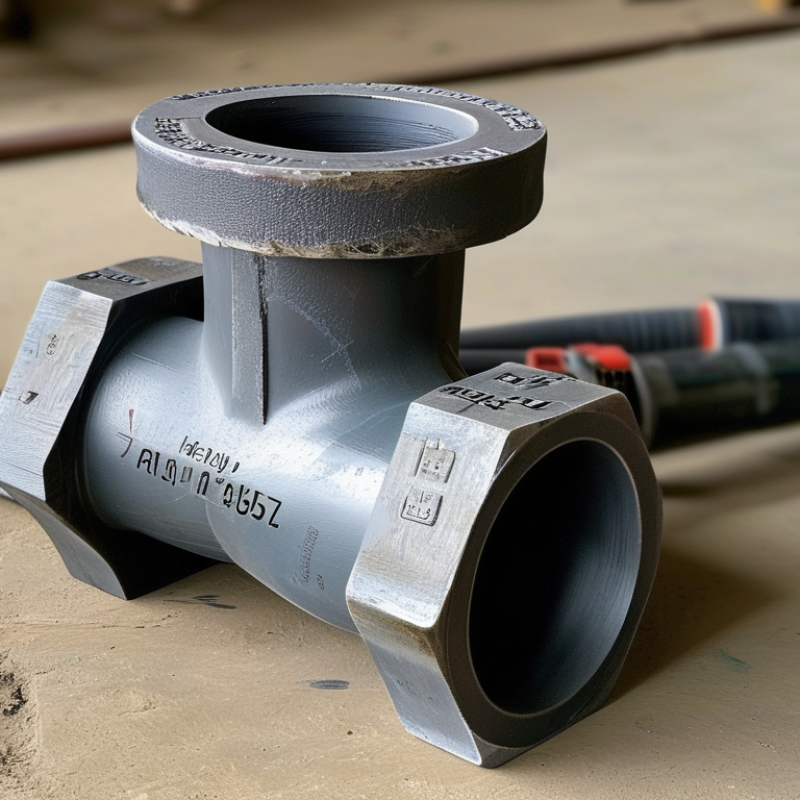
How to Choose the Right Electrofusion Reducing Sleeve

Understanding Electrofusion Reducing Sleeves and Their Applications

How to Choose the Right Electrofusion Reducing Sleeve

An electrofusion reducing sleeve connects polyethylene pipes with different outside diameters. It contains embedded heating wires that melt the pipe surfaces during controlled fusion. The sleeve must match the pipe material, diameter, wall thickness, and pressure class. A wrong fit can create uneven heating and a weak joint.

These fittings are useful in water distribution, irrigation, wastewater, and selected industrial systems. They help connect a smaller branch to a larger pipeline without complicated fabrication. Site conditions matter. Mud, moisture, oval pipe ends, or poor alignment can affect fusion quality. Installers should scrape the oxidation layer, clean the surfaces, and mark insertion depth before heating. Keep the joint still while it cools.

Small details matter.

The fusion control unit should follow the fitting’s specified voltage, heating time, and cooling period. Operators also need to check approved standards and project requirements before installation. In field practice, rushing the cooling stage is a common mistake. It may look harmless, but movement can damage the molten interface. Another easy assumption is that every reducing sleeve fits every polyethylene pipe. It does not. Verify the dimensional series and compatibility first. Visual inspection helps, but it cannot replace pressure testing or documented quality checks. Even experienced crews should review the procedure when weather, pipe size, or site access changes. Practical judgment is valuable, yet it should never replace manufacturer data and trained installation methods.

Matching Sleeve Dimensions with Pipe Sizes and Material Specifications

Choosing the right electrofusion reducing sleeve starts with verified pipe dimensions, not nominal labels. Measure the actual outside diameter at several points, then compare it with the sleeve’s approved dimension range. ISO 4427-2 classifies polyethylene pipe by outside diameter and SDR, so an SDR 11 pipe cannot be assessed by diameter alone. Wall thickness affects pressure performance and heating behavior.

Material specification matters just as much. ASTM F1055 covers electrofusion polyethylene fittings for outside-diameter-controlled pipe, while the Plastics Pipe Institute’s PE Handbook stresses compatible polyethylene grades and controlled fusion procedures. Check whether the pipe is PE100, PE4710, or another approved grade. Also confirm the sleeve supports that material, its SDR, and the service temperature. Do not assume similar black surfaces mean similar resin.

Small errors become expensive. A 110 mm sleeve may not fit every “110 mm” pipe if ovality, scraping depth, or manufacturing tolerance differs. Record the measured diameter, wall thickness, resin designation, and pressure class before ordering. Clean, scrape, and clamp according to the fitting procedure. Field experience shows that poor alignment can create uneven heating, even when dimensions look correct. That detail is easy to miss. A useful cross-check is the manufacturer’s dimensional table against ISO and ASTM requirements. If the documents disagree, pause and request technical verification. My own cautious view: a lower-cost sleeve is never a saving when its material certificate or SDR compatibility remains unclear.

How to Choose the Right Electrofusion Reducing Sleeve

The chart compares common metric polyethylene pipe outside-diameter combinations used when selecting an electrofusion reducing sleeve. The sleeve must match both pipe outside diameters, the applicable SDR, and the pipe material specification.

Evaluating Pressure Ratings, Temperature Limits, and Compatibility

How to Choose the Right Electrofusion Reducing Sleeve

Pressure rating should be checked before dimensions. The sleeve must meet or exceed the system’s maximum operating pressure. PPI TR-4 lists PE4710 pressure-design values of 800 psi at 73.4°F and 500 psi at 140°F. Heat changes the margin quickly. Do not treat a room-temperature rating as permanent. ISO 4427 also bases PE100 classification on a 50-year design period at 20°C. Short-term strength can look impressive, yet long-term service tells the real story.

Temperature limits require more than reading a product label. Check the pipe, sleeve, conveyed fluid, and pressure together. ASTM F1055 covers polyethylene electrofusion fittings, while ASTM F2620 describes recommended joining practices. These documents support controlled heating, scraping, alignment, and cooling. Field inspection often finds contamination near the fusion zone. A clean-looking joint can still be poorly prepared.

Compatibility is equally important. Match the sleeve to the pipe’s material grade, SDR, outside diameter, and electrofusion procedure. Confirm melt-flow and dimensional requirements with the manufacturer’s technical data. Mixing similar-looking polyethylene grades is a risky shortcut. It may work once. That is not evidence of reliability. I would also verify pressure derating from the fitting supplier, because published charts do not always address every chemical or temperature cycle. The overlooked detail is usually service history, not nominal size.

Checking Standards, Certification, and Installation Requirements

How to Choose the Right Electrofusion Reducing Sleeve

Checking standards and installation requirements should come before comparing prices. Confirm the sleeve matches the pipe material, outside diameters, SDR rating, pressure class, and service temperature. These details are not interchangeable. A small mismatch can cause poor fusion or premature leakage.

Review the applicable national, regional, or project standards. Requirements may cover dimensions, electrical resistance, pressure testing, and material quality. Certification should come from a recognized, independent body. Check its scope, validity, and product size range. A certificate alone is not proof of suitability.

Verify batch numbers, manufacturer records, and traceability documents. In field reviews, this step is often skipped because the paperwork looks convincing.

Installation conditions matter just as much. The pipe must be clean, dry, correctly scraped, and aligned before fusion. Protect the joint from rain, dust, and movement during heating and cooling. Use a calibrated control unit and record fusion voltage, time, ambient temperature, and operator details. Follow the cooling period exactly. Do not rush it.

Tips: Measure twice. Check the pipe ovality. Confirm the fitting is undamaged. Keep a fusion log. If site conditions differ from the installation guide, stop and ask for technical advice. That pause may prevent a costly repair. Even experienced teams can overlook simple contamination or poor alignment. Recheck the basics.

Selecting a Reliable Product for Long-Term Pipeline Performance

Choosing an electrofusion reducing sleeve is not only a sizing exercise. Long-term pipeline performance depends on material compatibility, pressure rating, and installation control. Select a sleeve designed for the pipe’s polyethylene grade and outside diameters. Confirm the SDR range and service temperature. A fitting that fits loosely can create stress during heating and cooling. That risk may remain invisible for years. Ask for batch traceability, dimensional inspection records, and documented fusion procedures. These details show whether quality is repeatable, not merely advertised. Request independent test data when the application carries high pressure or critical service.

Before purchase, inspect packaging and storage requirements. Moisture, dust, and sunlight can affect installation quality. On site, clean and scrape the pipe surface evenly. Check alignment before energizing the fitting. Use a calibrated control unit and record fusion voltage, time, and cooling period. Do not move the joint while it cools. This sounds basic. It is often missed. A reliable sleeve should provide clear indicators, stable dimensions, and consistent heating response. Still, no product can compensate for poor preparation. That is the uncomfortable part. Supplier support matters too; technical answers should be specific, timely, and supported by evidence.

Tips: Compare several technical data sheets, not only prices. Verify pressure ratings under actual operating conditions. Keep installation records with joint locations and batch numbers. If the sleeve looks distorted, contaminated, or damaged, reject it. Recheck uncertain measurements before cutting pipe. A small pause is cheaper than a buried repair.

Copyright 2025 Fluidra S.A. | Created by BCM Marketing Agencia Privacy Policy Legal note | Cookie policy |

Technical cookies are strictly necessary for our website to work and you can navigate through it. These types of cookies are those that, for example, allow us to identify you, give you access to certain restricted parts of the page if necessary, or remember different options or services already selected by you, such as your privacy preferences. Therefore, they are activated by default, your authorization not being necessary in this regard. Through the configuration of your browser, you can block or alert the presence of this type of cookies, although such blocking will affect the proper functioning of the different functionalities of our website.


The analysis cookies allow us to study the navigation of the users of our website in general (for example, which sections of the page are the most visited, which services are used most and if they work correctly, etc.). From the statistical information on navigation on our website, we can improve both the operation of the page itself and the different services it offers. Therefore, these cookies do not have an advertising purpose, but only serve to make our website work better, adapting to our users in general. By activating them you will contribute to this continuous improvement. You can enable or disable these cookies by checking the corresponding box, being disabled by default.


Functionality cookies allow us to remember your preferences, to personalize certain characteristics and general options of our website, every time you access it (for example, the language in which the information is presented to you, the sections marked as favorites, your browser type, etc.) Therefore, this type of cookies does not have an advertising purpose, but by activating them you will improve the functionality of the website (for example, adapting to your type of browser) and the customization of it based on your preferences (for example, by presenting the information in the language that you have chosen in previous occasions), which will contribute to the ease, usability and comfort of our page during your navigation. You can enable or disable these cookies by checking the corresponding box, being disabled by default.


Advertising cookies allow us to manage the advertising spaces included in our website based on criteria such as the content shown or the frequency in which the ads are displayed. For example, if you have been shown the same ad several times on our website, and you have not shown a personal interest by clicking on it, it will not appear again. In summary, by activating this type of cookies, the advertising shown on our website will be more useful and diverse, and less repetitive. You can enable or disable these cookies by checking the corresponding box, being disabled by default.


Behavioral advertising cookies allow us to obtain information based on the observation of your browsing habits and behaviors on the web, in order to show you advertising content that best suits your personal tastes and interests. To understand it in a very simple way, we will give you a fictitious example: if your last searches on the web were related to suspense literature, we would show you advertising about suspense books. Therefore, activating this type of cookies, the advertising that we show you on our website will not be generic, but will be oriented to your searches, tastes and interests, therefore adjusting exclusively to you. You can enable or disable these cookies by checking the corresponding box, being disabled by default.
To understand it in a very simple way, we will give you a fictitious example: if your last searches on the web were related to suspense literature, we would show you advertising about suspense books. Therefore, activating this type of cookies, the advertising that we show you on our website will not be generic, but will be oriented to your searches, tastes and interests, therefore adjusting exclusively to you. You can enable or disable these cookies by checking the corresponding box, being disabled by default.

SAVE

We use our own and third-party cookies to ensure the proper functioning of the website and to analyse our services, improve your experience on our website and show you advertisements related to your interests according to profiling based on your browsing habits (e.g. websites visited). You can accept all cookies by clicking "ACCEPT" or set or reject them by clicking here. If you would like to know more about the use of cookies, please see our COOKIE POLICY.


ACCEPT ALL
Reject no essentials


