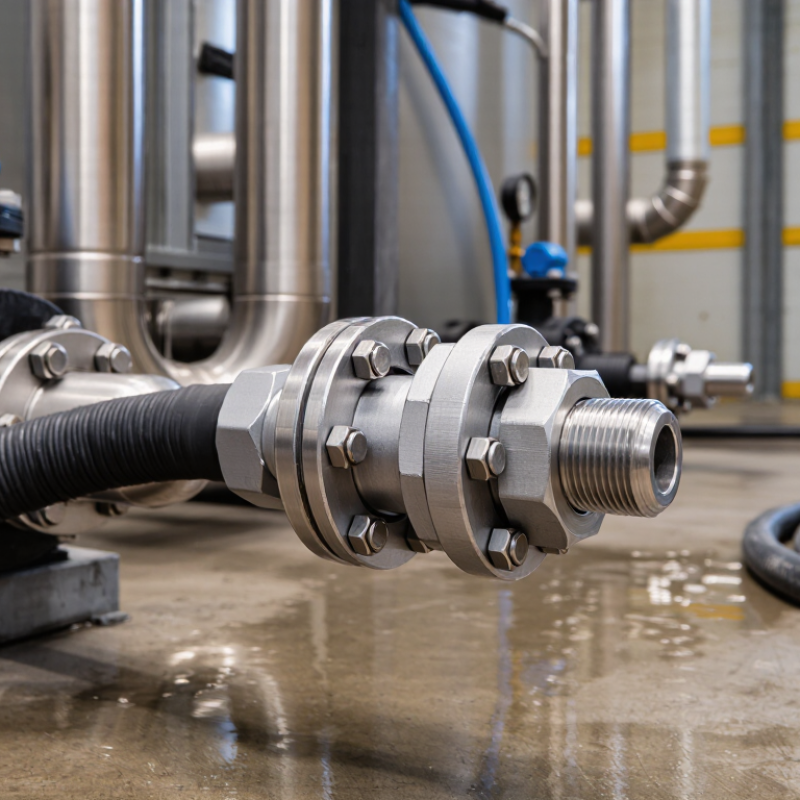
Choosing the right Discharge Hose Coupler is a small decision with serious operational consequences. The wrong connection can leak, loosen, restrict flow, or fail under pressure. That failure may appear beside a pump, a storage tank, or a wet loading floor. Often, the coupler receives less attention than the hose itself. That is a mistake worth revisiting.
Industry research shows why this component deserves closer evaluation. MarketsandMarkets projects continued growth in the industrial hose market, driven by construction, mining, chemicals, agriculture, and fluid-transfer applications. Grand View Research also identifies rising demand for safer, more efficient industrial fluid-handling systems. These reports do not isolate every coupler type. However, they reveal a broader trend: connection reliability is becoming a purchasing priority, not an afterthought.
John M. Wooten Jr., a recognized hose-safety specialist associated with the Fluid Sealing Association, offers a practical principle: “A connection is only safe when its components match the service.” That statement is simple. It is also frequently overlooked. A suitable Discharge Hose Coupler must match hose diameter, working pressure, temperature, fluid compatibility, thread or flange configuration, and coupling material. Quick fitting is not enough.
This guide examines those factors through a practical lens. It considers real installation conditions, including vibration, repeated coupling, abrasive fluids, and imperfect alignment. Product catalogs can look convincing. Field conditions are less polite. The best choice balances performance, maintenance, safety, and total operating cost.
Understanding Discharge Hose Couplers and Their Basic Functions
A discharge hose coupler connects a flexible hose to a pump, pipe, tank, or discharge outlet. Its basic job is simple: create a secure path for fluid to leave the system. A good coupler also limits leakage, protects the hose end, and allows maintenance without replacing the complete hose.
Connection style affects daily use. Threaded couplers provide a firm connection, but they may take longer to install. Quick-connect couplers save time during repeated hose changes. Cam-style fittings, for example, use locking arms and a gasket to form the seal. The gasket is small, but it carries major responsibility. If it is cracked, flattened, or misplaced, even a strong fitting can leak.
Choose the coupler according to fluid type, working pressure, temperature, hose diameter, and connection size. The coupler should match the hose’s inner diameter without forcing the hose over an unsuitable tail. Check the manufacturer’s pressure rating, then leave a sensible safety margin. Do not judge strength by appearance alone. Heavy metal can still fail with poor threads or an incorrect gasket.
Inspect the locking parts before every demanding use. A loose pin may seem minor. It is not. Clean grit from sealing surfaces, and avoid overtightening threaded fittings, which can damage threads or seals. One practical mistake is choosing by price first. I have seen that choice create slower work and repeated leaks. A short compatibility check is usually worth the extra minute.
How to Choose the Right Discharge Hose Coupler?
Understanding Discharge Hose Couplers and Their Basic Functions
A coupler must match the hose’s nominal inside diameter to maintain a secure connection and minimize flow restriction. The chart below shows the theoretical cross-sectional area for common discharge hose sizes, calculated from the nominal circular inside diameter. Actual flow performance also depends on hose length, pressure, material, fittings, and fluid properties.
Identifying Hose Size, Fluid Type, and Operating Requirements
How to Choose the Right Discharge Hose Coupler?
Identifying hose size starts with the hose’s actual inside diameter, not its outside appearance. Measure the bore and confirm the coupling profile, thread, and sealing method. A coupler that is slightly undersized can restrict flow and create heat. The U.S. Department of Energy’s Improving Compressed Air System Performance sourcebook reports that leaks can waste 20–30% of compressor output in poorly maintained systems. That makes accurate fitting and inspection commercially important.
Fluid type controls the coupler’s metal, gasket, and seal selection. Water, hydraulic oil, solvents, and abrasive slurries stress materials differently. Check the fluid’s safety data sheet and the manufacturer’s compatibility chart. ISO 1307 provides hose dimensional guidance, while ISO 1402 covers hydrostatic pressure testing. These references help, but compatibility tables still need careful review. A familiar seal may swell unexpectedly.
Operating requirements include working pressure, surge pressure, temperature, vacuum, movement, and bend radius. ISO 18752 classifies hydraulic hoses by pressure performance and application severity. Select a coupler above the maximum system pressure, including startup spikes. Keep the working temperature within the hose and seal limits. A practical field check is simple: inspect the bore, confirm the fluid, then compare pressure ratings. I would still recheck the choice after installation. Real systems are often less tidy than drawings. Safety cables, clean threads, and a short leak test can expose mistakes before full flow begins.
How to Choose the Right Discharge Hose Coupler? - Identifying Hose Size, Fluid Type, and Operating Requirements
Application
Typical Hose ID
Fluid Type
Recommended Coupler Style
Preferred Coupler Material
Typical Operating Pressure
Typical Temperature Range
Seal Considerations
Water transfer and irrigation
1–4 in (25–102 mm)
Fresh water or lightly treated water
Cam-and-groove or quick-connect discharge coupler
Aluminum or polypropylene
Up to approximately 150 psi, depending on size and design
Approximately 32°F to 140°F (0°C to 60°C)
EPDM is commonly suitable for water service
Sludge, slurry, and abrasive solids
2–6 in (51–152 mm)
Sludge, sand-laden water, mud, or mineral slurry
Heavy-duty cam-and-groove or bolted flange connection
Ductile iron, carbon steel, or abrasion-resistant steel
Typically 75–150 psi; verify against abrasion and surge conditions
Approximately 32°F to 180°F (0°C to 82°C)
Abrasion-resistant elastomer; avoid undersized seals and sharp internal steps
Petroleum fuel transfer
1–4 in (25–102 mm)
Diesel, gasoline, kerosene, or fuel oil
Cam-and-groove or dry-disconnect coupler rated for hydrocarbons
Stainless steel, carbon steel, or conductive aluminum
Typically 100–250 psi, subject to coupler and hose rating
Approximately -20°F to 140°F (-29°C to 60°C)
Nitrile or fluorocarbon seals are commonly selected for fuel compatibility
Chemical transfer
1–3 in (25–76 mm)
Acids, alkalis, solvents, or process chemicals
Chemical-service quick disconnect or flanged coupler
316 stainless steel, polypropylene, or PTFE-lined construction
Typically 100–225 psi; chemical concentration may reduce allowable pressure
Approximately 32°F to 180°F (0°C to 82°C)
Select seals only after checking the exact chemical, concentration, and temperature
Food and beverage liquid transfer
1–3 in (25–76 mm)
Water, dairy products, beverages, or liquid food ingredients
Sanitary clamp or hygienic threaded coupler
316 stainless steel with polished, cleanable surfaces
Typically 100–200 psi, depending on connection geometry
Approximately 32°F to 212°F (0°C to 100°C)
Use food-contact-compatible EPDM, silicone, or fluorocarbon seals as required
Hot water and washdown
3/4–2 in (19–51 mm)
Hot water, cleaning solution, or low-concentration detergent
Quick-connect or sanitary cam-and-groove coupler
Stainless steel or heat-resistant engineered polymer
Typically 100–250 psi
Approximately 40°F to 200°F (4°C to 93°C)
EPDM or silicone is often suitable; confirm compatibility with cleaning chemicals
Compressed air discharge
1/2–2 in (13–51 mm)
Compressed air
Threaded or quick-connect coupler with positive locking feature
Steel, stainless steel, or brass
Typically 100–300 psi; account for pressure pulsation
Approximately 32°F to 140°F (0°C to 60°C)
Nitrile or EPDM seals are commonly used; prevent accidental uncoupling
Hydraulic fluid discharge
1/4–2 in (6–51 mm)
Petroleum-based or water-based hydraulic fluid
High-pressure hydraulic quick coupler or threaded connection
Zinc-plated steel or stainless steel
Typically 1,000–5,000 psi; use the lowest-rated component as the limit
Approximately -40°F to 212°F (-40°C to 100°C)
Nitrile, fluorocarbon, or other seals must match the hydraulic fluid and temperature
Selection checklist: Match the coupler bore to the hose inside diameter, verify fluid and seal compatibility, and confirm working pressure, temperature, flow rate, vacuum conditions, connection orientation, and surge loads. The coupler assembly should never be rated below the maximum operating pressure of the system. Always verify the final rating with the applicable hose and coupler manufacturer documentation.
Comparing Coupler Materials, Connection Types, and Standards
How to Choose the Right Discharge Hose Coupler?
A discharge hose coupler should match the fluid, pressure, temperature, and hose construction. Material selection comes first. Aluminum is lightweight and practical for water transfer. Stainless steel resists corrosion and handles demanding fluids better. Polypropylene can suit many mild chemicals, but temperature limits require careful checking. Brass offers good durability, though it may be unsuitable for certain corrosive liquids. Do not judge material by appearance alone.
Connection type affects installation and maintenance. Camlock couplers connect quickly without special tools. They work well where hoses change frequently. Threaded connections provide a firm seal, but NPT and BSP threads are not interchangeable. Flanged couplers suit larger systems and high-flow applications. Quick-disconnect designs save time, yet their valves can restrict flow or trap residue. Small details matter.
Standards help confirm dimensions and performance. EN 14420-7 covers several cam locking coupling requirements, while A-A-59326 is used for compatible American specifications. Pressure ratings still vary by material, seal, and size. Always compare the complete assembly rating, not the coupler rating alone. Check gasket compatibility with the pumped medium. EPDM, nitrile, and fluoropolymer seals behave differently. A perfect fit can still leak.
In field checks, installers often overlook hose bend stress near the coupler. That mistake shortens service life. Inspect threads, locking arms, seals, and safety clips before operation. Keep written records of fluid type, temperature, working pressure, and inspection dates. If the application is unusual, obtain documentation from a qualified engineer. Guessing is cheaper only until the first failure.
Checking Pressure, Temperature, and Chemical Compatibility
Choosing a discharge hose coupler starts with pressure, not convenience. Check the hose assembly’s maximum working pressure, surge pressure, and vacuum rating. ISO 18752 classifies industrial hoses by pressure, temperature, and application performance. The coupler must match the lowest-rated component. A 10-bar hose does not create a 10-bar assembly automatically.
Temperature changes the calculation. Review both the fluid temperature and the surrounding environment. Heat can soften elastomers, while cold can reduce flexibility and sealing performance. The European Chemicals Agency reported more than 23,000 substances under REACH registration in its 2023 progress data. That scale shows why chemical names alone are insufficient. Confirm concentration, exposure time, and operating temperature. Check the seal material, wetted metal, and plating. Some fluids attack seals slowly. The leak may appear weeks later.
Field inspection matters too. I have seen couplers selected correctly on paper, then installed with twisted hoses and poor support. That mistake creates side loading at the connection. Use the manufacturer’s tested pressure data, not a hopeful estimate. Standards such as EN 12115 also emphasize electrical continuity and hose assembly performance for chemical service. Document the test medium and temperature. Recheck the coupling after thermal cycling and pressure pulses. A clean-looking connection can still be wrong. My own rule is simple: if compatibility data is missing, pause the purchase. The missing detail is the risk.
Selecting, Installing, and Maintaining the Right Coupler Safely
How to Choose the Right Discharge Hose Coupler?
Selecting, Installing, and Maintaining the Right Coupler Safely
Choosing a discharge hose coupler starts with the hose, not the fitting. Confirm the hose inside diameter, working pressure, temperature range, and transported fluid. The coupler must match every limit. A small mismatch can cause leaks or sudden separation. Check the connection type, sealing method, and material compatibility against the hose supplier’s technical data. Do not rely on appearance alone.
Installation needs a controlled work area. Shut down the pump, isolate the line, and release trapped pressure before touching the coupler. Clean both connection surfaces with a lint-free cloth. Inspect the gasket for cuts, flattening, or hardening. Seat it evenly, then tighten the connection according to the written procedure. Never force misaligned threads. Support heavy hose sections so the coupler carries no bending load. A short test at low pressure can reveal seepage before full operation.
Maintenance is simple, but it is often postponed. Inspect couplers before each shift for cracks, corrosion, loose handles, and damaged seals. Rinse away abrasive residue, then store disconnected couplers with their openings protected. Replace worn parts promptly. One detail I used to overlook was hose movement during startup; vibration can loosen a sound connection. Add suitable supports and recheck the joint after the first operating cycle. Records help, although many teams keep them too briefly. Note inspection dates, pressure-test results, and replaced seals for dependable decisions later.
Cepex is the brand for the fluid handling market belonging to the Fluidra group. One of the leading european manufacturer of valves and fittings in thermoplastic materials.
Dedicated to the swimming pool, irrigation and industrial markets, we distribute our products worldwide with the Fluidra commercial network and presence in 46 countries with 136 sales branches.
Your data will be processed by CEPEX S.A., with address at C. Lluís Companys, 51-53, 08400, Granollers (Barcelona), and C.I.F. nº A-08928707, to send you communications about our products based on your interests. You can consult more information about the processing of your data and how to exercise your rights as described in the Privacy Policy.
Technical cookies are strictly necessary for our website to work and you can navigate through it. These types of cookies are those that, for example, allow us to identify you, give you access to certain restricted parts of the page if necessary, or remember different options or services already selected by you, such as your privacy preferences. Therefore, they are activated by default, your authorization not being necessary in this regard. Through the configuration of your browser, you can block or alert the presence of this type of cookies, although such blocking will affect the proper functioning of the different functionalities of our website.
The analysis cookies allow us to study the navigation of the users of our website in general (for example, which sections of the page are the most visited, which services are used most and if they work correctly, etc.). From the statistical information on navigation on our website, we can improve both the operation of the page itself and the different services it offers. Therefore, these cookies do not have an advertising purpose, but only serve to make our website work better, adapting to our users in general. By activating them you will contribute to this continuous improvement. You can enable or disable these cookies by checking the corresponding box, being disabled by default.
Functionality cookies allow us to remember your preferences, to personalize certain characteristics and general options of our website, every time you access it (for example, the language in which the information is presented to you, the sections marked as favorites, your browser type, etc.) Therefore, this type of cookies does not have an advertising purpose, but by activating them you will improve the functionality of the website (for example, adapting to your type of browser) and the customization of it based on your preferences (for example, by presenting the information in the language that you have chosen in previous occasions), which will contribute to the ease, usability and comfort of our page during your navigation. You can enable or disable these cookies by checking the corresponding box, being disabled by default.
Advertising cookies allow us to manage the advertising spaces included in our website based on criteria such as the content shown or the frequency in which the ads are displayed. For example, if you have been shown the same ad several times on our website, and you have not shown a personal interest by clicking on it, it will not appear again. In summary, by activating this type of cookies, the advertising shown on our website will be more useful and diverse, and less repetitive. You can enable or disable these cookies by checking the corresponding box, being disabled by default.
Behavioral advertising cookies allow us to obtain information based on the observation of your browsing habits and behaviors on the web, in order to show you advertising content that best suits your personal tastes and interests. To understand it in a very simple way, we will give you a fictitious example: if your last searches on the web were related to suspense literature, we would show you advertising about suspense books. Therefore, activating this type of cookies, the advertising that we show you on our website will not be generic, but will be oriented to your searches, tastes and interests, therefore adjusting exclusively to you. You can enable or disable these cookies by checking the corresponding box, being disabled by default. To understand it in a very simple way, we will give you a fictitious example: if your last searches on the web were related to suspense literature, we would show you advertising about suspense books. Therefore, activating this type of cookies, the advertising that we show you on our website will not be generic, but will be oriented to your searches, tastes and interests, therefore adjusting exclusively to you. You can enable or disable these cookies by checking the corresponding box, being disabled by default.
We use our own and third-party cookies to ensure the proper functioning of the website and to analyse our services, improve your experience on our website and show you advertisements related to your interests according to profiling based on your browsing habits (e.g. websites visited). You can accept all cookies by clicking "ACCEPT" or set or reject them by clicking here. If you would like to know more about the use of cookies, please see our COOKIE POLICY.