How to Choose the Right Check Valve in 2026
FLUID HANDLING EXPERTS

Blog, all our news

How to Choose the Right Check Valve in 2026

Choosing the right Check Valve in 2026 starts with the system, not the catalog. A valve that works well on a clean water line may behave differently with hot condensate, viscous fluid, or entrained solids. The wrong choice can bring water hammer, noisy closure, excess pressure loss, or repeated maintenance. Small details matter.

R. W. Zappe, author of the Valve Selection Handbook, is a recognized valve-selection reference. A concise paraphrase of his selection approach is: “Choose for the service conditions, not the valve name alone.” Treat that as guidance, not a verbatim quotation. Before comparing swing, lift, dual-plate, or spring-assisted designs, define the fluid, operating pressure, temperature, flow range, installation position, and acceptable reverse leakage. Also check the piping layout. A cramped line or short run near a pump discharge can affect closure behavior.

Then compare materials, end connections, cracking pressure, maintenance needs, and applicable specifications. Ask suppliers for documented performance data, and verify that the proposed model suits the actual operating envelope. A datasheet is useful. It is not the whole story. One detail is easy to underestimate: frequent starts and stops can expose a poor match that steady operation hides. Be willing to revisit the first choice when field conditions differ from the design assumptions. That reflection is practical, not a weakness. This guide will help readers assess those trade-offs and choose a Check Valve with clearer, evidence-based criteria.
How to Choose the Right Check Valve in 2026

Set Design Pressure and Temperature Using ASME B16.34 Ratings

How to Choose the Right Check Valve in 2026

Set Design Pressure and Temperature Using ASME B16.34 Ratings

A check valve’s pressure class is not a single pressure limit for every temperature. ASME B16.34 pressure-temperature tables assign ratings by material group, class, and temperature. For example, the standard lists about 285 psig at 100°F for Group 1.1 Class 150 carbon steel. That rating falls as temperature rises. Confirm the applicable edition, material specification, and table before selecting a valve. Small detail. Big consequence.

Use the system’s design pressure and design metal temperature together. Then check whether the valve body rating covers both, including credible pressure surges. A line that normally runs at 180 psig may briefly exceed that during pump startup or rapid closure. Do not treat normal operating readings as the full design case. Also verify the selected check-valve type suits the flow direction, fluid, and expected cycling. A rating match alone cannot prevent chatter or slam.

Tips: Compare the project’s design conditions with the ASME B16.34 rating at the relevant temperature—not just the class number. Check material group carefully; similar-looking alloys may have different ratings. Record the table reference and assumptions in the datasheet. I have seen selections look correct in a spreadsheet, then fail review because someone used ambient-temperature ratings. Recheck the inputs; it takes little time.

Choose Swing, Lift, Dual-Plate, or Axial Designs for the Flow Regime

Swing, lift, dual-plate, and axial check valves behave differently as flow changes. A swing valve suits steady flow in larger lines, where its broad disc opens with relatively little resistance. But slow flow reversal can make the disc slam shut. Lift valves suit higher-pressure service and smaller lines, though their tighter passages can add pressure loss. Dual-plate valves are compact and lightweight, useful where installation space is limited. Axial valves open along the pipe’s centerline; spring-assisted closure can help reduce reverse-flow impact. No design fits every regime.

DOE’s Improving Pumping System Performance sourcebook estimates that pumping systems account for nearly 20% of global electricity use. That figure is not specific to check valves, but it underlines why unnecessary pressure loss deserves attention. Check the minimum and normal flow rates, fluid properties, mounting orientation, and allowable pressure drop. ANSI/HI 9.6.6 provides application guidance for pump-system check valves. Still, calculated flow conditions can miss real-world transients; piping layout and pump shutdown behavior matter.

Tips: Match the valve to the actual operating range, not just the pipe diameter. Ask for pressure-drop data at expected flow, and review reverse-flow behavior with the system designer. I’d treat catalog velocity limits as a starting point, not a guarantee—field conditions can surprise you.

Size by Flow Rate, Cv, Cracking Pressure, and Allowable Pressure Drop

Choosing the right check valve by pipe diameter alone is a common sizing mistake. Start with the actual operating flow, not the line’s maximum rating. Record normal and peak flow, fluid temperature, and specific gravity. For water-like liquids, Cv relates flow to pressure drop; a higher Cv generally means less resistance. Use a flow curve when available, since one Cv value can hide performance changes across the operating range. Small differences matter.

Cracking pressure is the differential pressure needed to begin opening, not the pressure loss at full flow. A spring-loaded valve with high cracking pressure may not open reliably in a low-head system. Compare expected upstream pressure with the valve’s cracking pressure, then check pressure drop at the required flow. Keep the allowable drop explicit, especially when a pump has little pressure margin. The estimate is not a verdict; field readings may disagree.

Check both ends of the operating range. Minimum flow must open the valve, while peak flow should not cause excessive loss or chatter. Confirm that the stated Cv applies to the selected size and configuration. For viscous fluids or gases, use the appropriate correction method; the water-based shortcut can mislead. Verify installation orientation and reverse-pressure rating, too. Recheck assumptions after commissioning, because actual flow may differ from the estimate.

Match Materials and Flanges: ASME B16.5 Covers NPS 1/2–24, Classes 150–2500

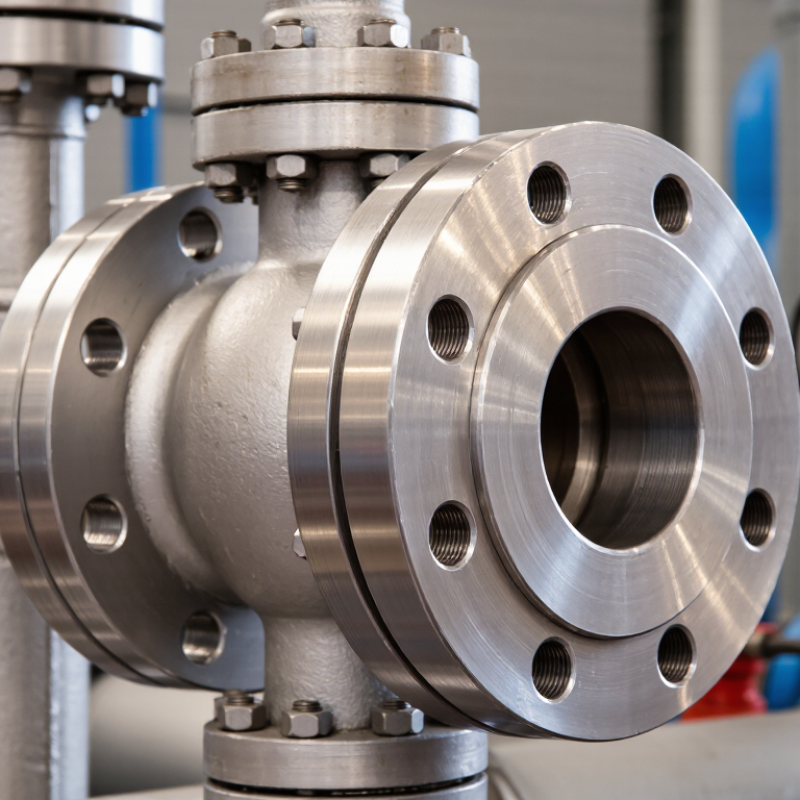
Choosing the right check valve in 2026 means matching its end connection to the piping, not just selecting a nominal size. ASME B16.5 specifies flange dimensions and pressure-temperature ratings for NPS 1/2 through NPS 24, across Classes 150 to 2500, with applicable options depending on size and material. These ranges are useful screening data, not a guarantee that every size and class combination is available. Check the valve’s flange facing, bolt pattern, and pressure class against the mating pipe flange. A mismatch may only become obvious when the parts meet on the shop floor.

Material selection matters just as much. Compare the fluid, operating temperature, pressure, and corrosion conditions with the valve body and trim materials. ASME B16.5’s pressure-temperature tables are a key reference, but they do not replace the valve manufacturer’s published limits or project specifications. A Class 150 connection, for example, should not be treated as a universal pressure rating; allowable pressure varies with material and temperature. It is tempting to choose by flange class alone. That shortcut can miss the service conditions that determine performance.

Tips: Confirm NPS, class, facing, material, and temperature together. Check the applicable ASME B16.5 tables and valve documentation before ordering. A quick flange drawing review can prevent an expensive fit-up surprise.

How to Choose the Right Check Valve in 2026

Match valve materials and flange connections. ASME B16.5 covers NPS ½–24 for Classes 150–1500 and NPS ½–12 for Class 2500.

How to read this chart: Bars show the maximum NPS within the standard’s scope for each class—not a valve pressure rating. Confirm the applicable pressure–temperature rating for the flange material, and verify that the check valve’s end connection and dimensions match the piping specification.

Verify Testing and Installation Against API 598 and Surge Limits

A check valve can pass a bench test and still create trouble in a real line. Before purchase, confirm which edition of API 598 applies and which inspection and pressure-test records the supplier will provide. Check the documented shell and closure tests, test pressures, duration, and acceptance criteria against the project specification. A certificate without clear results leaves gaps. Ask for traceable records tied to the valve’s size and pressure class.

API 598 does not set your pipeline’s allowable surge pressure. That limit comes from the system design and transient analysis. Compare the expected pressure spike with the valve and connected equipment ratings, including pumps, fittings, and pipe. A fast-closing valve may reduce reverse flow but increase water hammer. It is a trade-off, and the right answer depends on flow, line length, and pump shutdown behavior. Small details matter.

At installation, follow the valve’s marked flow direction and approved orientation. Keep the body supported, and avoid forcing a misaligned valve between pipe flanges. Review the manufacturer’s installation instructions; nearby elbows or pumps can disturb flow, though the required spacing varies by design. After startup, listen for repeated clatter and check for pressure swings. Test paperwork helps, but it cannot fully predict field behavior. Some operating conditions are easy to underestimate.

Copyright 2025 Fluidra S.A. | Created by BCM Marketing Agencia Privacy Policy Legal note | Cookie policy |

Technical cookies are strictly necessary for our website to work and you can navigate through it. These types of cookies are those that, for example, allow us to identify you, give you access to certain restricted parts of the page if necessary, or remember different options or services already selected by you, such as your privacy preferences. Therefore, they are activated by default, your authorization not being necessary in this regard. Through the configuration of your browser, you can block or alert the presence of this type of cookies, although such blocking will affect the proper functioning of the different functionalities of our website.


The analysis cookies allow us to study the navigation of the users of our website in general (for example, which sections of the page are the most visited, which services are used most and if they work correctly, etc.). From the statistical information on navigation on our website, we can improve both the operation of the page itself and the different services it offers. Therefore, these cookies do not have an advertising purpose, but only serve to make our website work better, adapting to our users in general. By activating them you will contribute to this continuous improvement. You can enable or disable these cookies by checking the corresponding box, being disabled by default.


Functionality cookies allow us to remember your preferences, to personalize certain characteristics and general options of our website, every time you access it (for example, the language in which the information is presented to you, the sections marked as favorites, your browser type, etc.) Therefore, this type of cookies does not have an advertising purpose, but by activating them you will improve the functionality of the website (for example, adapting to your type of browser) and the customization of it based on your preferences (for example, by presenting the information in the language that you have chosen in previous occasions), which will contribute to the ease, usability and comfort of our page during your navigation. You can enable or disable these cookies by checking the corresponding box, being disabled by default.


Advertising cookies allow us to manage the advertising spaces included in our website based on criteria such as the content shown or the frequency in which the ads are displayed. For example, if you have been shown the same ad several times on our website, and you have not shown a personal interest by clicking on it, it will not appear again. In summary, by activating this type of cookies, the advertising shown on our website will be more useful and diverse, and less repetitive. You can enable or disable these cookies by checking the corresponding box, being disabled by default.


Behavioral advertising cookies allow us to obtain information based on the observation of your browsing habits and behaviors on the web, in order to show you advertising content that best suits your personal tastes and interests. To understand it in a very simple way, we will give you a fictitious example: if your last searches on the web were related to suspense literature, we would show you advertising about suspense books. Therefore, activating this type of cookies, the advertising that we show you on our website will not be generic, but will be oriented to your searches, tastes and interests, therefore adjusting exclusively to you. You can enable or disable these cookies by checking the corresponding box, being disabled by default.
To understand it in a very simple way, we will give you a fictitious example: if your last searches on the web were related to suspense literature, we would show you advertising about suspense books. Therefore, activating this type of cookies, the advertising that we show you on our website will not be generic, but will be oriented to your searches, tastes and interests, therefore adjusting exclusively to you. You can enable or disable these cookies by checking the corresponding box, being disabled by default.

SAVE

We use our own and third-party cookies to ensure the proper functioning of the website and to analyse our services, improve your experience on our website and show you advertisements related to your interests according to profiling based on your browsing habits (e.g. websites visited). You can accept all cookies by clicking "ACCEPT" or set or reject them by clicking here. If you would like to know more about the use of cookies, please see our COOKIE POLICY.


ACCEPT ALL
Reject no essentials