
How to Choose the Best Water Analyzer for Your Needs?
FLUID HANDLING EXPERTS

Blog, all our news

How to Choose the Best Water Analyzer for Your Needs?

Choosing the right Water Analyzer is crucial for various applications. Whether for home, laboratory, or industrial use, understanding your needs is key. A water analyzer is not just a tool; it ensures water quality and safety. It helps detect contaminants and informs critical decisions.

When selecting a water analyzer, consider factors like accuracy and ease of use. Different analyzers offer varying benefits. Some may excel in pH measurement, while others focus on dissolved solids. It's important to weigh these features against your specific requirements. Remember, the best choice may not always be the most expensive one.

Often, users overlook calibration and maintenance needs. A reliable water analyzer requires regular checks. Ignoring this can lead to inaccurate readings. Thus, investing time in understanding these aspects can enhance your experience. Your choice of water analyzer should provide peace of mind while ensuring quality.
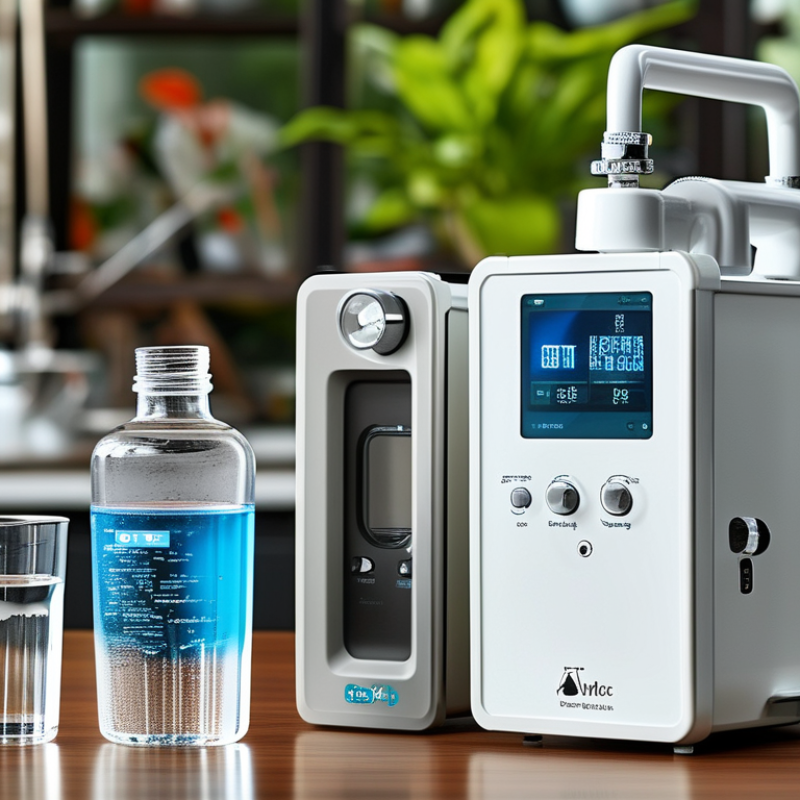
How to Choose the Best Water Analyzer for Your Needs?

Understanding Different Types of Water Analyzers: A Comprehensive Overview

When choosing a water analyzer, understanding its types is crucial. Different analyzers serve specific purposes. For example, some test for pH levels, while others measure turbidity or conductivity. Each type can provide unique insights into water quality.

Electrochemical sensors are popular for their accuracy and quick results. According to industry reports, these sensors can detect contaminants at parts per billion. However, they may require regular calibration to maintain reliability. On the other hand, colorimetric analyzers are user-friendly and can give immediate visual results. These devices can sometimes yield subjective interpretations, leading to potential inaccuracies.

Every water analyzer has its strengths and weaknesses. Turbidity meters can indicate water clarity but may not detect all contaminants. Understanding these limitations helps in selecting the right tool for specific needs. Reports show that the global water testing market reached $4.5 billion in 2021, highlighting the rising importance of accurate water quality assessments. Choosing the right analyzer is vital for ensuring safe and clean water.

Key Features to Consider When Selecting a Water Analyzer

Choosing the right water analyzer involves understanding key features that suit your specific needs. One critical factor is the type of parameters the analyzer measures. Many analyzers gauge pH, turbidity, and dissolved oxygen. According to a recent industry report, 65% of users prioritize pH measurement for water quality assessment. It's essential to identify which parameters are vital for your application, whether it’s testing for environmental assessments or ensuring safe drinking water.

Another feature to consider is the device’s accuracy and range. Devices that offer a broader range of measurement can adapt to various conditions, making them more versatile. Many professionals argue that accuracy is just as important. A deviation of even 0.01 in pH can lead to significant misinterpretations in water quality. According to the Water Research Foundation, users should expect an accuracy level of at least ±0.1 for reliable results.

Additionally, ease of use matters. Users often overlook this aspect. Complex interfaces can be frustrating and lead to errors. A straightforward design allows quick training and reduces mistakes. Many industry experts suggest opting for devices with clear digital displays and simple operation. These features ensure that even inexperienced users can obtain accurate data without extensive training.

How to Choose the Best Water Analyzer for Your Needs? - Key Features to Consider When Selecting a Water Analyzer

Feature Description Importance Typical Range
pH Measurement Determines the acidity or alkalinity of water. Essential for water quality assessment. 0.0 - 14.0
Conductivity Measures water's ability to conduct electricity, indicating ion concentration. Important for assessing water purity. 0 - 1000 μS/cm
Turbidity Indicates the clarity of water, affected by suspended particles. Critical for drinking water safety. 0 - 100 NTU
Dissolved Oxygen Measures the amount of oxygen available in water. Vital for aquatic life health. 0 - 20 mg/L
Temperature Indicates the warmth of water, affecting chemical processes. Influences solubility of gases. 0 - 100°C

Analyzing Accuracy: Importance of Calibration and Sensitivity in Water Testing

When selecting a water analyzer, calibration and sensitivity are crucial factors to consider. Calibration ensures that the instrument provides accurate readings. A study conducted by the Water Quality Association highlighted that improperly calibrated devices can yield errors as high as 25% in total dissolved solids (TDS) measurements. Regular calibration checks can mitigate this risk and enhance data reliability.

Sensitivity is also key in water testing. Instruments with higher sensitivity detect low concentrations of contaminants. As per Environmental Protection Agency reports, a sensitivity of 1 ppm (parts per million) or lower is often necessary for accurate monitoring of pollutants like lead or nitrate. Many analyzers fail to capture these levels effectively. A sensitive instrument can make a significant difference in assessing water safety.

However, achieving accuracy is not always straightforward. Many users overlook the importance of routine maintenance. Insufficient upkeep can lead to consistent underperformance. Users need to evaluate and regularly update their calibration procedures. Understanding their specific testing requirements is essential for reliable results. Even slight variations in environmental conditions can affect a device’s performance. Therefore, careful consideration of these aspects is vital when choosing a water analyzer.

Cost Analysis: Evaluating Budget-Friendly versus High-End Water Analyzers

When evaluating water analyzers, cost is a significant factor. Budget-friendly options may seem appealing, but their capabilities might be limited. High-end units often feature advanced technology, offering precise readings for various parameters like pH, turbidity, and TDS. The initial investment in a more expensive analyzer can lead to long-term savings in maintenance and reliability.

Tips: Always consider the specific tests you'll need. If your primary concern is pH levels, a simpler, cheaper device might suffice. However, if you require a comprehensive analysis, investing in a high-end model is wise. It's essential to align your choice with your actual needs.

Moreover, the durability of the analyzer matters. Low-cost options might break down or require frequent calibration. This leads to additional costs over time. Ensure you research user feedback and reviews for long-term reliability. A slightly higher price might save you from the frustration of equipment failure later on.

Industry Standards and Regulations: Ensuring Compliance in Water Testing Instruments

When selecting a water analyzer, compliance with industry standards is crucial. These standards ensure that the instruments provide reliable results. Instruments must meet local and international regulations for accuracy and safety. Always check if the device has the necessary certifications and adheres to guidelines set by recognized organizations.

Tips: Research the specific regulations relevant to your location. Different regions may have unique requirements for water testing.

Additionally, consider the instrument's calibration and maintenance needs. Regular calibration is essential to maintain accuracy over time. Instruments can drift from their calibration, leading to unreliable data.

Tips: Keep a maintenance log for each analyzer. Regular checks will help identify inconsistencies and ensure compliance with standards.

Copyright 2025 Fluidra S.A. | Created by BCM Marketing Agencia Privacy Policy Legal note | Cookie policy |

Technical cookies are strictly necessary for our website to work and you can navigate through it. These types of cookies are those that, for example, allow us to identify you, give you access to certain restricted parts of the page if necessary, or remember different options or services already selected by you, such as your privacy preferences. Therefore, they are activated by default, your authorization not being necessary in this regard. Through the configuration of your browser, you can block or alert the presence of this type of cookies, although such blocking will affect the proper functioning of the different functionalities of our website.


The analysis cookies allow us to study the navigation of the users of our website in general (for example, which sections of the page are the most visited, which services are used most and if they work correctly, etc.). From the statistical information on navigation on our website, we can improve both the operation of the page itself and the different services it offers. Therefore, these cookies do not have an advertising purpose, but only serve to make our website work better, adapting to our users in general. By activating them you will contribute to this continuous improvement. You can enable or disable these cookies by checking the corresponding box, being disabled by default.


Functionality cookies allow us to remember your preferences, to personalize certain characteristics and general options of our website, every time you access it (for example, the language in which the information is presented to you, the sections marked as favorites, your browser type, etc.) Therefore, this type of cookies does not have an advertising purpose, but by activating them you will improve the functionality of the website (for example, adapting to your type of browser) and the customization of it based on your preferences (for example, by presenting the information in the language that you have chosen in previous occasions), which will contribute to the ease, usability and comfort of our page during your navigation. You can enable or disable these cookies by checking the corresponding box, being disabled by default.


Advertising cookies allow us to manage the advertising spaces included in our website based on criteria such as the content shown or the frequency in which the ads are displayed. For example, if you have been shown the same ad several times on our website, and you have not shown a personal interest by clicking on it, it will not appear again. In summary, by activating this type of cookies, the advertising shown on our website will be more useful and diverse, and less repetitive. You can enable or disable these cookies by checking the corresponding box, being disabled by default.


Behavioral advertising cookies allow us to obtain information based on the observation of your browsing habits and behaviors on the web, in order to show you advertising content that best suits your personal tastes and interests. To understand it in a very simple way, we will give you a fictitious example: if your last searches on the web were related to suspense literature, we would show you advertising about suspense books. Therefore, activating this type of cookies, the advertising that we show you on our website will not be generic, but will be oriented to your searches, tastes and interests, therefore adjusting exclusively to you. You can enable or disable these cookies by checking the corresponding box, being disabled by default.
To understand it in a very simple way, we will give you a fictitious example: if your last searches on the web were related to suspense literature, we would show you advertising about suspense books. Therefore, activating this type of cookies, the advertising that we show you on our website will not be generic, but will be oriented to your searches, tastes and interests, therefore adjusting exclusively to you. You can enable or disable these cookies by checking the corresponding box, being disabled by default.

SAVE

We use our own and third-party cookies to ensure the proper functioning of the website and to analyse our services, improve your experience on our website and show you advertisements related to your interests according to profiling based on your browsing habits (e.g. websites visited). You can accept all cookies by clicking "ACCEPT" or set or reject them by clicking here. If you would like to know more about the use of cookies, please see our COOKIE POLICY.


ACCEPT ALL
Reject no essentials


