2026 How to Choose the Best Tds Measuring Device?
FLUID HANDLING EXPERTS

Blog, all our news

2026 How to Choose the Best Tds Measuring Device?

Choosing the right Tds Measuring Device is crucial for various applications. The quality of water in aquariums, hydroponics, and drinking supplies relies on accurate measurements. A suitable TDS measuring device ensures the efficiency and health of these systems.

When selecting a TDS measuring device, consider factors like accuracy, ease of use, and durability. Different devices cater to specific needs. Some may excel in home use, while others suit industrial applications. It’s vital to match the device’s specifications with your requirements.

However, not all devices guarantee reliability. Users often discover discrepancies in readings. This inconsistency can lead to misguided decisions. Therefore, conducting thorough research and consulting experts is essential. Investing time in understanding various options can lead to better choices.
2026 How to Choose the Best Tds Measuring Device?

Understanding TDS: Definition and Significance in Water Quality Assessment

TDS, or Total Dissolved Solids, refers to the total concentration of dissolved substances in water. It includes minerals, salts, and organic matter. Understanding TDS is essential for assessing water quality. High TDS levels can indicate pollution or poor water treatment, affecting taste and health. Conversely, extremely low levels may suggest insufficient minerals, which are necessary for good taste and health benefits.

Measuring TDS is a key step in water quality assessment. Knowing the TDS value helps determine if the water is safe for drinking or other uses. Reliable TDS meters provide accurate readings quickly. Interpreting these readings requires some expertise, as the implications of TDS levels can vary. For example, while some mineral content is beneficial, excessive TDS can cause health issues.

Many factors influence TDS levels, including the source of the water and environmental conditions. It is crucial to monitor changes regularly. Analysis of TDS can be complex, highlighting the need for reliable methods. Individuals may consider consulting experts to ensure accuracy. The importance of understanding TDS in water quality cannot be overstated.

Key Features to Look for in TDS Measuring Devices

When selecting a TDS measuring device, there are essential features to keep in mind. Accuracy is critical. Look for devices with a reputation for precision in measuring total dissolved solids. A good device provides readings that reflect true water quality.

Consider ease of use. Some devices have intuitive interfaces that allow quick measurement readings. Devices with backlit displays can help in low-light conditions. Portability is another factor. Compact designs are ideal for travel or fieldwork.

Battery life also matters. A reliable device should provide consistent performance without frequent recharging. Finally, check for calibration options. Regular calibration ensures that your device maintains its accuracy over time. Seek out user reviews for insights into real-world performance. This aspect can reveal both strengths and weaknesses. An informed choice will enhance your experience in monitoring water quality.

Industry Standards: Calibration and Accuracy Requirements for TDS Meters

When selecting a TDS measuring device, it's crucial to consider industry standards regarding calibration and accuracy. Accurate measurement depends heavily on proper calibration. Many devices need to be calibrated frequently to provide reliable readings. A common misunderstanding is that all TDS meters come pre-calibrated and maintain accuracy. However, this is not always the case. Regular checks ensure your device gives precise results.

Accuracy is another essential factor in choosing a TDS meter. Devices often come with an accuracy range. This can vary significantly between models. For instance, a TDS meter with a ±2% accuracy rating may not be suitable for critical applications. Users should assess whether their needs align with the device's specifications. It’s also important to note that even small errors in measurement can lead to poor water quality assessments.

Some users overlook the environmental conditions in which a TDS meter operates. Temperature changes can affect readings. If a device hasn't been tested under expected environmental conditions, its reliability may be compromised. Understanding these nuances ensures more informed choices. Therefore, always consider both calibration and environmental factors when seeking the best TDS measuring device.

Comparative Analysis: Different Types of TDS Measuring Devices and Their Uses

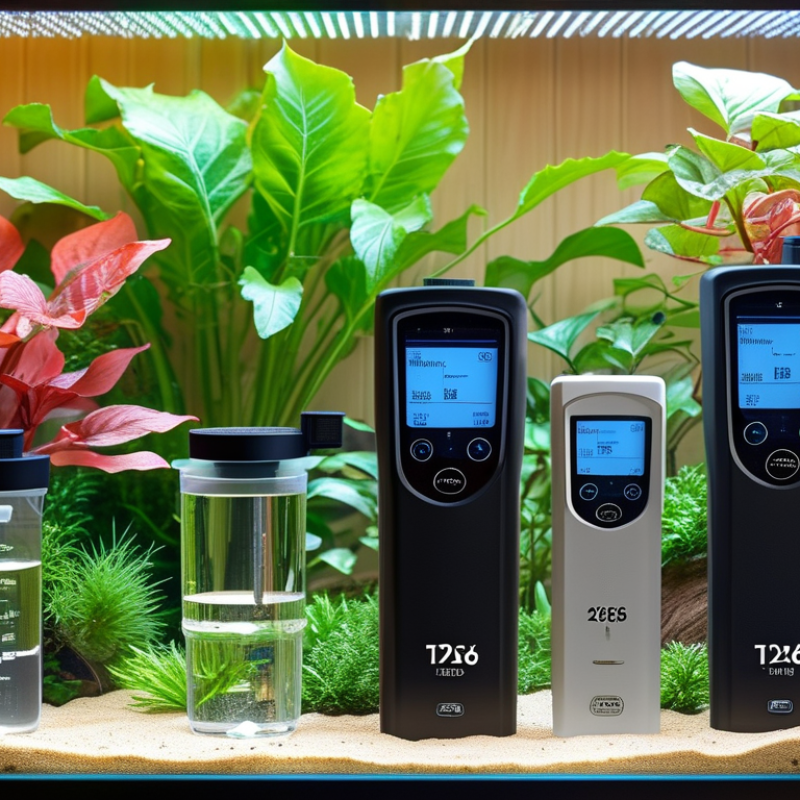
When choosing a TDS measuring device, it's essential to understand the different types available. There are handheld meters, pen-style meters, and more advanced digital models. Handheld meters are portable. They are user-friendly and ideal for quick tests. Pen-style meters are compact. They can fit easily in a pocket, making them convenient for on-the-go measurements. However, both types may struggle with accuracy at very low or high TDS levels.

Advanced digital meters offer higher reliability. They often come with calibration features and display the readings in multiple units. Some may provide temperature compensation, which is vital for accurate results. However, their complexity can be a barrier for casual users. They may also require regular maintenance. This can lead to extra costs and efforts.

Each type has its pros and cons. Choosing the best one depends on your specific needs. You might need a simple device for daily use, or you might seek precision for scientific purposes. It’s crucial to reflect on your requirements before making a choice. The right device will enhance your understanding of water quality.

2026 How to Choose the Best TDS Measuring Device? - Comparative Analysis: Different Types of TDS Measuring Devices and Their Uses

Device Type Accuracy Measurement Range (ppm) Calibration Method Ideal Use Cases
Portable TDS Meter ±2% 0 - 9999 ppm Manual Calibration with Standard Solution Water quality testing in aquariums, pools, and drinking water
Inline TDS Monitor ±1% 0 - 2000 ppm Automatic Calibration Continuous monitoring in industrial processes or RO systems
Pen TDS Tester ±2% 0 - 9999 ppm Manual Calibration Field testing for home, garden, and travel
Digital TDS Meter ±1% 0 - 5000 ppm Automatic Calibration General water quality testing and monitoring

Cost vs. Quality: Evaluating the Price Ranges of TDS Meters in the Market

When selecting a TDS meter, understanding the cost vs. quality dynamic is crucial. Prices for TDS meters can vary widely. You might find budget options starting around $10, while high-end devices can exceed $200. While cheaper models may save you money, they often lack durability and accuracy. This difference in quality can affect water safety assessments.

For accurate readings, consider investing in a mid-range TDS meter that balances price and quality. These typically provide reliable data without breaking the bank. Evaluate the features—some models have automatic temperature compensation, enhancing their reliability. Such features may justify a higher price point.

Reflect on your needs before purchase. A frequent user may need sturdier equipment. In contrast, occasional users can manage with a basic model. Remember, spending more doesn't always guarantee the best results. Prioritize function and reliability over brand names.

2026 TDS Meter Price vs. Quality Analysis

Copyright 2025 Fluidra S.A. | Created by BCM Marketing Agencia Privacy Policy Legal note | Cookie policy |

Technical cookies are strictly necessary for our website to work and you can navigate through it. These types of cookies are those that, for example, allow us to identify you, give you access to certain restricted parts of the page if necessary, or remember different options or services already selected by you, such as your privacy preferences. Therefore, they are activated by default, your authorization not being necessary in this regard. Through the configuration of your browser, you can block or alert the presence of this type of cookies, although such blocking will affect the proper functioning of the different functionalities of our website.


The analysis cookies allow us to study the navigation of the users of our website in general (for example, which sections of the page are the most visited, which services are used most and if they work correctly, etc.). From the statistical information on navigation on our website, we can improve both the operation of the page itself and the different services it offers. Therefore, these cookies do not have an advertising purpose, but only serve to make our website work better, adapting to our users in general. By activating them you will contribute to this continuous improvement. You can enable or disable these cookies by checking the corresponding box, being disabled by default.


Functionality cookies allow us to remember your preferences, to personalize certain characteristics and general options of our website, every time you access it (for example, the language in which the information is presented to you, the sections marked as favorites, your browser type, etc.) Therefore, this type of cookies does not have an advertising purpose, but by activating them you will improve the functionality of the website (for example, adapting to your type of browser) and the customization of it based on your preferences (for example, by presenting the information in the language that you have chosen in previous occasions), which will contribute to the ease, usability and comfort of our page during your navigation. You can enable or disable these cookies by checking the corresponding box, being disabled by default.


Advertising cookies allow us to manage the advertising spaces included in our website based on criteria such as the content shown or the frequency in which the ads are displayed. For example, if you have been shown the same ad several times on our website, and you have not shown a personal interest by clicking on it, it will not appear again. In summary, by activating this type of cookies, the advertising shown on our website will be more useful and diverse, and less repetitive. You can enable or disable these cookies by checking the corresponding box, being disabled by default.


Behavioral advertising cookies allow us to obtain information based on the observation of your browsing habits and behaviors on the web, in order to show you advertising content that best suits your personal tastes and interests. To understand it in a very simple way, we will give you a fictitious example: if your last searches on the web were related to suspense literature, we would show you advertising about suspense books. Therefore, activating this type of cookies, the advertising that we show you on our website will not be generic, but will be oriented to your searches, tastes and interests, therefore adjusting exclusively to you. You can enable or disable these cookies by checking the corresponding box, being disabled by default.
To understand it in a very simple way, we will give you a fictitious example: if your last searches on the web were related to suspense literature, we would show you advertising about suspense books. Therefore, activating this type of cookies, the advertising that we show you on our website will not be generic, but will be oriented to your searches, tastes and interests, therefore adjusting exclusively to you. You can enable or disable these cookies by checking the corresponding box, being disabled by default.

SAVE

We use our own and third-party cookies to ensure the proper functioning of the website and to analyse our services, improve your experience on our website and show you advertisements related to your interests according to profiling based on your browsing habits (e.g. websites visited). You can accept all cookies by clicking "ACCEPT" or set or reject them by clicking here. If you would like to know more about the use of cookies, please see our COOKIE POLICY.


ACCEPT ALL
Reject no essentials