
How to Choose the Best Hose Clamp for Your Needs?
FLUID HANDLING EXPERTS

Blog, all our news

How to Choose the Best Hose Clamp for Your Needs?

When selecting the ideal Hose Clamp, understanding specifics is crucial. Industry expert John Simmons, known for his extensive knowledge in fastening solutions, once remarked, “Choosing the right hose clamp is essential for durability and performance.” This statement underscores the importance of making informed decisions in a market filled with options.

Hose clamps come in various types, sizes, and materials. Each serves unique needs in different applications, from automotive to plumbing. A wrong choice can lead to leaks or failures. Consider the environment where the hose clamp will be used. Will it face moisture, heat, or corrosion?

Purchasing the right hose clamp requires careful thought. Don't just grab the first one you see. Take time to evaluate your needs and the specifications of each option. The perfect hose clamp should provide a reliable solution, avoiding potential issues down the line. A thoughtful choice today prevents headaches tomorrow.
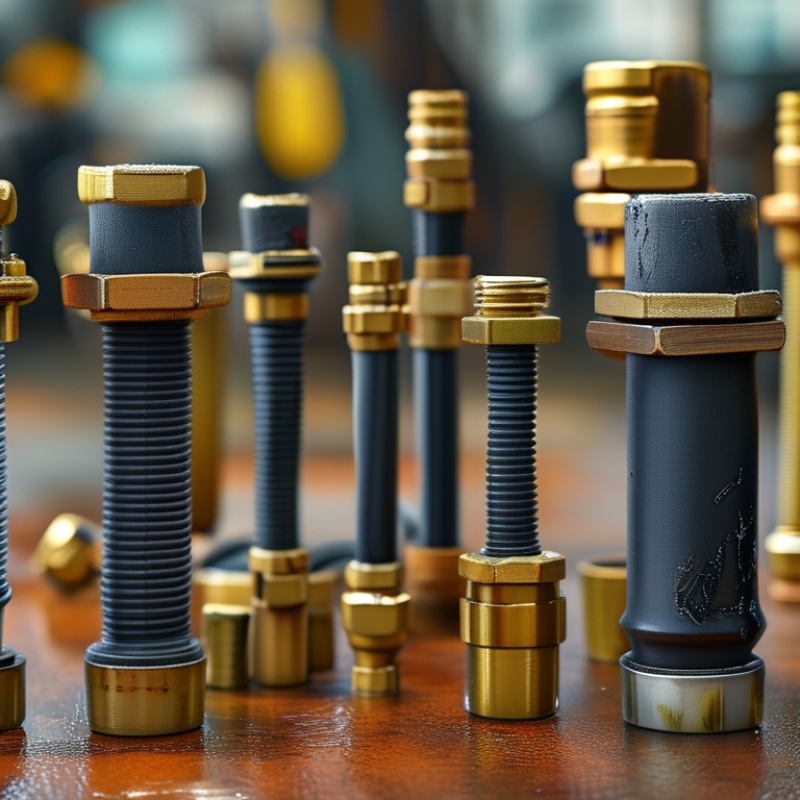
How to Choose the Best Hose Clamp for Your Needs?

Understanding the Different Types of Hose Clamps Available

When it comes to choosing hose clamps, the variety can be overwhelming. Different types are designed for specific applications. The two main categories are worm gear clamps and spring clamps. Worm gear clamps utilize a screw mechanism to tighten around hoses, providing a firm grip. They are ideal for high-pressure applications and can handle greater tension.

Spring clamps, on the other hand, are easier to install. They expand when needed and contract to secure the hose. However, their grip might not be as strong under extreme conditions. According to industry reports, worm gear clamps dominate about 60% of the market due to their reliability in automotive and plumbing uses. Yet, spring clamps are favored in HVAC systems for their flexibility.

Factors like material and size should be carefully considered. Stainless steel is corrosion-resistant, while plastic options are lighter. Using the wrong clamp can lead to leaks and even damage. An estimated 30% of hose failures are attributed to inadequate clamping. These numbers highlight the need for careful selection, underscoring that not all clamps are suitable for every job.

How to Choose the Best Hose Clamp for Your Needs?

Type of Hose Clamp Material Application Advantages Disadvantages
Gear Clamp Stainless Steel Automotive Strong hold, easy to adjust Can be prone to rust in wet conditions
T-Bolt Clamp Aluminum High-Pressure Hoses Excellent sealing capabilities More expensive than standard clamps
Spring Hose Clamp Carbon Steel Automotive and HVAC Self-adjusting for expanding hoses Difficult to install/remove without special tools
Radiator Hose Clamp Zinc-Plated Steel Cooling Systems Corrosion resistant Can lose tension over time
P-Clamp Rubber/Plastic Low-Pressure Applications Good vibration dampening Not suitable for high-pressure use

Key Factors to Consider When Choosing a Hose Clamp

Choosing the right hose clamp is crucial for securing hoses effectively. Consider the material of the clamp. Stainless steel offers durability and resistance to corrosion. Some applications may benefit from plastic clamps, as they are lightweight and resistant to rust. The choice of material can impact the longevity of the clamp in specific environments.

Next, evaluate the size of the hose and the clamp. A proper fit prevents leaks and ensures effectiveness. Measure the outer diameter of the hose before making a selection. Always remember that a clamp too tight can damage the hose, while one that is too loose can lead to slippage. It's essential to strike a balance for optimal performance.

Moreover, consider the application and environment where the clamp will be used. High-pressure applications require robust clamps to withstand stress. On the other hand, low-pressure systems might not need the same level of strength. Reflecting on these factors can help prevent future issues. Sometimes, what seems to be a minor detail can lead to significant problems down the line.

Assessing the Material and Durability Requirements

When selecting a hose clamp, material and durability are crucial factors. The right choice ensures longevity and effectiveness. Stainless steel clamps are popular due to their corrosion resistance. According to the Global Market Insights report, the demand for stainless steel hose clamps is projected to grow annually by 5.2%. This highlights their importance in various applications.

However, not all clamps are created equal. Polypropylene clamps offer lightweight benefits but may lack strength in demanding environments. A study by the International Journal of Engineering Research indicates that environmental factors can reduce the lifespan of certain materials by up to 50%. Understanding the specific requirements of your project is essential. Consider temperature extremes, exposure to moisture, or potential chemicals.

Another point of consideration is the clamp's design. For instance, constant tension clamps provide consistent pressure, which is vital for maintaining sealing effectiveness. Misjudging the material can lead to failures. Observing how clamps perform in real-world conditions can reveal unexpected shortcomings. Evaluating performance data, alongside material properties, helps in making informed decisions. Understanding these nuances can make a significant difference in your project’s success.

Evaluating Size and Fit for Optimal Performance

Choosing the right hose clamp is essential for achieving optimal performance. Evaluating the size and fit is crucial. A poorly fitted clamp can lead to leaks and system failures. In industrial applications, nearly 10% of fluid leaks come from improperly secured hoses. This statistic emphasizes the importance of selecting the right size.

When measuring for a hose clamp, always consider the outer diameter of the hose. A tight fit ensures no slippage. The clamp should encompass the hose completely, providing even pressure all around. This prevents weak points where leaks often start. Remember, not all clamps are created equal. Materials vary, affecting the clamp's durability and effectiveness.

Tips: Choose stainless steel for increased corrosion resistance. Always check compatibility with your hoses. Over time, metal clamps can lose tension, so regular inspections are essential to maintain secure fittings. For applications involving vibrations, select a clamp that offers a secure grip without damaging the hose.

Tips for Installation and Maintenance of Hose Clamps

When selecting hose clamps, installation and maintenance are crucial. Understanding the right techniques can extend the lifespan of your equipment. Research from the National Association of Hose and Accessory Distribution indicates that improper installation can lead to leakages in 30% of cases. It's vital to ensure a snug fit without applying excessive force.

Regular inspections are essential for maintenance. Check for signs of wear or corrosion every few months. Replace any clamps that show damage to prevent failures. Using a torque wrench can help achieve the recommended tension without over-tightening. This practice can improve efficiency, as clamps properly secured can minimize leakage by up to 90%.

Tips for maintenance include keeping clamps clean and stored properly. Avoid exposing them to harsh chemicals that could cause deterioration. Ensure connections are clear of debris before installation. With these practices, your hose clamps can perform optimally and reduce the risk of unexpected failures.

Article Source:

Copyright 2025 Fluidra S.A. | Created by BCM Marketing Agencia Privacy Policy Legal note | Cookie policy |

Technical cookies are strictly necessary for our website to work and you can navigate through it. These types of cookies are those that, for example, allow us to identify you, give you access to certain restricted parts of the page if necessary, or remember different options or services already selected by you, such as your privacy preferences. Therefore, they are activated by default, your authorization not being necessary in this regard. Through the configuration of your browser, you can block or alert the presence of this type of cookies, although such blocking will affect the proper functioning of the different functionalities of our website.


The analysis cookies allow us to study the navigation of the users of our website in general (for example, which sections of the page are the most visited, which services are used most and if they work correctly, etc.). From the statistical information on navigation on our website, we can improve both the operation of the page itself and the different services it offers. Therefore, these cookies do not have an advertising purpose, but only serve to make our website work better, adapting to our users in general. By activating them you will contribute to this continuous improvement. You can enable or disable these cookies by checking the corresponding box, being disabled by default.


Functionality cookies allow us to remember your preferences, to personalize certain characteristics and general options of our website, every time you access it (for example, the language in which the information is presented to you, the sections marked as favorites, your browser type, etc.) Therefore, this type of cookies does not have an advertising purpose, but by activating them you will improve the functionality of the website (for example, adapting to your type of browser) and the customization of it based on your preferences (for example, by presenting the information in the language that you have chosen in previous occasions), which will contribute to the ease, usability and comfort of our page during your navigation. You can enable or disable these cookies by checking the corresponding box, being disabled by default.


Advertising cookies allow us to manage the advertising spaces included in our website based on criteria such as the content shown or the frequency in which the ads are displayed. For example, if you have been shown the same ad several times on our website, and you have not shown a personal interest by clicking on it, it will not appear again. In summary, by activating this type of cookies, the advertising shown on our website will be more useful and diverse, and less repetitive. You can enable or disable these cookies by checking the corresponding box, being disabled by default.


Behavioral advertising cookies allow us to obtain information based on the observation of your browsing habits and behaviors on the web, in order to show you advertising content that best suits your personal tastes and interests. To understand it in a very simple way, we will give you a fictitious example: if your last searches on the web were related to suspense literature, we would show you advertising about suspense books. Therefore, activating this type of cookies, the advertising that we show you on our website will not be generic, but will be oriented to your searches, tastes and interests, therefore adjusting exclusively to you. You can enable or disable these cookies by checking the corresponding box, being disabled by default.
To understand it in a very simple way, we will give you a fictitious example: if your last searches on the web were related to suspense literature, we would show you advertising about suspense books. Therefore, activating this type of cookies, the advertising that we show you on our website will not be generic, but will be oriented to your searches, tastes and interests, therefore adjusting exclusively to you. You can enable or disable these cookies by checking the corresponding box, being disabled by default.

SAVE

We use our own and third-party cookies to ensure the proper functioning of the website and to analyse our services, improve your experience on our website and show you advertisements related to your interests according to profiling based on your browsing habits (e.g. websites visited). You can accept all cookies by clicking "ACCEPT" or set or reject them by clicking here. If you would like to know more about the use of cookies, please see our COOKIE POLICY.


ACCEPT ALL
Reject no essentials



